
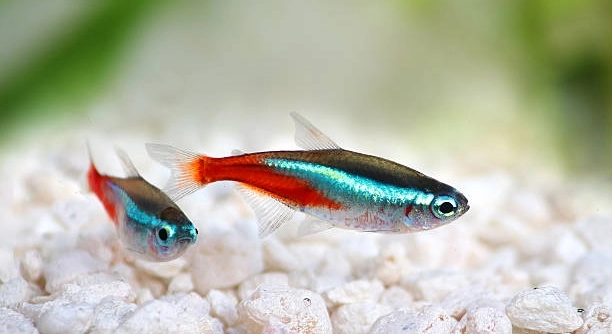
Monitoring neon tetra behavior is crucial for their health and well-being. These small fish can be sensitive to changes in their environment, so understanding their actions can help ensure they thrive in your aquarium.
To monitor neon tetra behavior effectively, focus on observing their swimming patterns, feeding habits, and interactions with tankmates. Identifying signs of stress or illness early on can prevent potential health issues and improve their overall quality of life.
By learning these techniques, you can gain a better understanding of your neon tetras and create a healthy, stress-free environment for them to flourish.
Understanding Neon Tetra Behavior
Neon tetras are generally peaceful fish, known for their vibrant blue and red colors. They tend to swim in groups, which helps them feel secure. In your aquarium, observing their behavior closely can reveal a lot about their health. When stressed, they may swim erratically, darting around the tank or hiding. Changes in behavior can also be a sign of underlying issues, such as poor water quality or temperature fluctuations. Keeping an eye on these behaviors and making adjustments can keep your tetras happy and healthy.
By monitoring their swimming patterns, you can detect any unusual changes early. A sudden shift in behavior often indicates that something isn’t right in their environment, whether it’s water parameters, tank mates, or even the lighting.
Understanding how neon tetras interact with each other and their surroundings can guide you in creating a better habitat. Healthy tetras swim in schools, and this group behavior is a great indicator of their comfort level. When one is stressed, the rest may follow. Regular observation will allow you to spot issues before they become problems.
Water Quality and Neon Tetras
Water quality plays a significant role in the behavior of neon tetras. If the water is dirty or has fluctuating parameters, your fish may become stressed, affecting their behavior.
Regular water changes and testing ensure that the tank’s pH, hardness, and temperature are in ideal ranges. Poor water conditions can lead to stress, sickness, and even death.
Maintaining a clean tank is vital for their well-being. Neon tetras are sensitive to high ammonia or nitrate levels, which can cause abnormal behavior. They may swim near the surface, struggling for oxygen, or avoid certain areas of the tank altogether. Keeping the water clean and monitoring it regularly will help you maintain healthy tetras. You’ll likely see positive behavior changes once you’ve adjusted the water parameters. Ensuring the water is always clean and well-balanced is the first step in maintaining a healthy environment for your fish.
Proper Tank Setup
The right tank setup can make all the difference in neon tetra behavior. These fish thrive in a tank with plants, hiding spots, and gentle filtration.
Neon tetras feel safest when they have places to hide, like plants or rocks. Adding these elements to your tank creates a more comfortable environment for them. The presence of live plants also offers natural hiding spots, which is crucial for their well-being.
While neon tetras can adapt to many tank setups, they need a calm environment to feel secure. A strong water current may make them nervous, causing erratic swimming patterns. A gentle filter, soft plants, and a peaceful tank setup encourage normal, calm behavior. It’s essential to arrange the tank in a way that helps your tetras feel at ease.
Observing Neon Tetra Behavior During Feeding
Feeding time is one of the best moments to observe neon tetra behavior. They are often eager to eat, and their reaction can tell you a lot about their health and comfort level.
When your tetras are healthy, they should actively swim toward food. They will typically eat small, frequent meals, showing interest in flakes, pellets, or live food. A lack of appetite can signal stress or illness. If your tetras ignore food, it’s important to check the water quality and overall tank conditions. Similarly, aggressive or overly competitive behavior during feeding may indicate overcrowding or tank mates that are not a good fit.
It’s also essential to observe how your tetras interact with one another during feeding. They should exhibit cooperative behavior, swimming together as a group and taking turns to eat. If you notice fighting or one tetra being excluded from food, consider adjusting the feeding schedule or portion sizes to reduce competition. Maintaining a healthy, calm feeding environment encourages balanced behavior among your fish.
Tank Mates and Neon Tetra Behavior
Neon tetras are peaceful and social creatures. They tend to thrive in a tank with other calm fish species that are not aggressive.
When tank mates are too aggressive, neon tetras may become stressed and hide more often. Aggression can lead to changes in behavior, such as erratic swimming or constant hiding. If they feel threatened, tetras may show signs of stress, like faded color or unusual movements. It’s essential to choose non-aggressive fish that won’t compete for space or food, ensuring the entire tank remains peaceful. Ideally, neon tetras should be kept with other peaceful species that share similar water requirements.
If the behavior of your neon tetras changes after adding new tank mates, take time to assess the situation. Sometimes, it’s necessary to separate aggressive fish to prevent long-term stress. A well-balanced tank setup with compatible species fosters healthy, natural behavior in your neon tetras.
Tank Lighting and Neon Tetra Behavior
Lighting plays a big role in neon tetra behavior. Too much light can stress them, while too little can cause them to hide more.
Neon tetras prefer dim lighting as it mimics their natural environment. Bright, intense lights may cause them to become anxious, swimming erratically or staying hidden. Soft, subdued lighting will make them feel safer, allowing them to swim freely and comfortably. It’s important to balance lighting to promote natural behavior, ensuring the tank is lit but not overly bright.
Temperature and Neon Tetra Behavior
The right temperature is crucial for neon tetras. These fish prefer warmer water, typically between 72°F and 78°F. When the temperature is off, it can cause stress and changes in behavior.
A drop or increase in water temperature can make tetras sluggish or overly active. Sudden temperature shifts may lead to hiding, loss of appetite, or even disease. It’s vital to maintain a consistent temperature and use a reliable heater to keep the environment stable. Monitoring the temperature regularly will help your tetras feel at ease, supporting their natural swimming patterns.
Stress Indicators in Neon Tetras
Neon tetras are quite sensitive to changes in their environment, and stress can affect their behavior significantly.
If your tetras are stressed, they may swim erratically, hide more often, or show signs of illness like faded colors or lethargy. Stress can be caused by poor water quality, aggressive tank mates, or improper lighting. To reduce stress, ensure the tank is well-maintained and that your tetras have adequate space and shelter. Keeping an eye out for these behavioral changes will help you address the root cause and improve their well-being.
FAQ
What should I do if my neon tetras are swimming erratically?
If your neon tetras are swimming erratically, it could be a sign of stress or discomfort. Check the water quality first. High levels of ammonia or nitrates can lead to this kind of behavior. Also, monitor the water temperature to ensure it’s within the ideal range of 72°F to 78°F. Erratic swimming can also happen if the fish feel threatened by aggressive tank mates or if the tank is overcrowded. Make adjustments to their environment, such as reducing the lighting or adding more plants for cover, to help them feel secure again.
How can I tell if my neon tetras are stressed?
Stressed neon tetras often display a few key behaviors, such as hiding more than usual, swimming in circles, or staying near the surface. You may also notice color fading or abnormal movements. Stress can be caused by poor water conditions, aggressive tank mates, or drastic changes in their environment. To reduce stress, focus on maintaining a stable, clean tank with compatible fish and appropriate lighting.
Why are my neon tetras not eating?
If your neon tetras are not eating, it could be a sign of water quality issues or illness. Test the water parameters—high ammonia, nitrates, or improper temperature can cause a loss of appetite. Also, check if the food you’re offering is suitable for them. Neon tetras are small and may struggle to consume larger or harder food. If they still refuse to eat, observe their behavior for other signs of illness or stress, such as fading colors or hiding.
Do neon tetras need to be kept in schools?
Yes, neon tetras are social fish and feel safest in groups. Keeping them in schools helps reduce stress and promotes natural behavior. A school of six or more neon tetras allows them to feel secure, as they thrive in numbers and rely on each other for protection. Keeping a small group may lead to them becoming more skittish or acting out due to insecurity.
How often should I feed my neon tetras?
Feed neon tetras small amounts 2-3 times a day. Since they are small fish, they don’t need large portions at once. Overfeeding can lead to water quality problems. Offer only what they can consume in 2-3 minutes. Avoid leaving uneaten food in the tank to maintain water cleanliness. If you’re unsure about how much to feed, try offering a little less each time to ensure they’re eating enough without excess food remaining.
What type of tank mates are best for neon tetras?
Neon tetras are peaceful fish and should be kept with other non-aggressive, small species. Avoid large, territorial fish that may bully or outcompete them for food. Suitable tank mates include other small peaceful species like guppies, Corydoras, and mollies. Ensure that all fish in the tank have similar water requirements to reduce stress and promote harmony.
Why are my neon tetras hiding all the time?
If your neon tetras are constantly hiding, it could indicate stress or discomfort. Poor water conditions, aggressive tank mates, or bright lighting are common causes. Provide plants, rocks, or other decorations to give them hiding spots and reduce stress. If the behavior persists, consider checking the water parameters and tank setup. Tetras are more likely to hide when they feel unsafe, so creating a secure environment is key.
Can neon tetras live in low-light tanks?
Neon tetras prefer dim lighting, which mimics their natural habitat. They can live in low-light tanks, but it’s important to ensure the tank still has enough light for plants to grow. Low-light environments are often less stressful for neon tetras, allowing them to swim naturally without feeling threatened by overly bright conditions. Be sure to have a proper light cycle to maintain a healthy tank environment.
What is the ideal tank size for neon tetras?
Neon tetras should be kept in a tank that holds at least 10 gallons of water, especially if you plan to keep them in schools. Larger tanks provide more space for swimming and help maintain stable water conditions. A larger tank also allows you to house more tetras and other compatible fish. Avoid keeping them in very small tanks, as it can lead to poor water quality and stress.
How do I know if my neon tetras are sick?
Sick neon tetras may show signs like faded colors, loss of appetite, erratic swimming, or lethargy. They may also develop white spots on their skin or fins, indicating a potential infection. Observe any changes in their behavior or appearance. If you suspect they’re ill, it’s important to act quickly. Quarantine affected fish and check water parameters to ensure they are ideal. If symptoms persist, consult an aquarium professional or vet for proper diagnosis and treatment.
Final Thoughts
Monitoring neon tetra behavior is crucial to ensuring their health and well-being in an aquarium. These small, vibrant fish are sensitive to changes in their environment and require careful attention. By observing their behavior, you can quickly identify signs of stress, illness, or discomfort. Whether it’s erratic swimming, hiding, or fading colors, these are all indicators that something may not be right in their habitat. Maintaining a stable, clean tank with appropriate water parameters, lighting, and temperature is key to keeping your tetras healthy and happy.
Creating a peaceful environment with suitable tank mates is also essential for neon tetras. They are social fish and thrive in schools. Keeping them with other small, non-aggressive species will help them feel secure and reduce stress. Overcrowding or introducing aggressive fish can lead to anxiety and behavioral changes in your tetras. Additionally, offering a variety of food types, providing adequate hiding spots, and maintaining consistent water quality all contribute to their well-being. Ensuring that their needs are met will allow them to express natural, calm behaviors.
Ultimately, the key to observing and understanding neon tetra behavior lies in careful monitoring and regular tank maintenance. Their behavior is a reflection of their environment, so creating a healthy, stress-free space is essential. By paying attention to their needs, you’ll be able to spot any problems early and make necessary adjustments. With the right care, your neon tetras will thrive, displaying the bright, peaceful behavior that makes them such a delightful addition to any aquarium.

Hello,
If you enjoy the content that we create, please consider saying a "Thank You!" by leaving a tip.
Every little bit helps us continue crafting quality advice that supports the health, happiness, and well-being of pets around the world, for pets of all shapes, sizes, and species.
We really appreciate the kindness and support that you show us!