
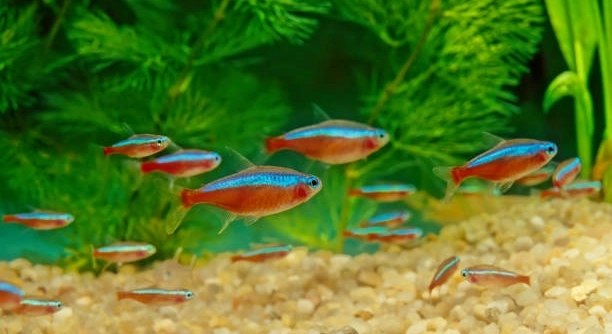
Neon Tetras are a popular aquarium fish known for their vibrant colors and playful behavior. Proper feeding techniques are crucial for keeping them healthy and ensuring their growth. Understanding the best ways to feed them can improve their overall well-being.
Innovative feeding techniques for Neon Tetras include offering a variety of live, frozen, and dry foods, as well as using feeding rings or devices to encourage natural foraging behavior. These strategies enhance nutrient absorption and maintain optimal health.
These techniques will help you create a more dynamic and healthier environment for your Neon Tetras, ensuring they thrive in your aquarium.
Offering a Variety of Foods for Balanced Nutrition
Feeding your Neon Tetras a mix of live, frozen, and dry foods provides them with a well-rounded diet. Live foods such as brine shrimp and daphnia are excellent sources of protein and stimulate natural hunting behavior. Frozen foods are convenient while still offering essential nutrients. High-quality dry foods like flakes or pellets can also be included but should be used in moderation to prevent overfeeding. A diverse diet helps avoid nutrient deficiencies, keeping your fish healthy and active.
Adding variety helps to mimic their natural diet, which includes small invertebrates and plankton. By offering different types of food, you ensure they get all the necessary vitamins and minerals. Try rotating their food to keep feeding time interesting for both you and the fish. This approach helps prevent boredom, making feeding more engaging for your Neon Tetras.
Experiment with different food combinations to see what your Neon Tetras prefer. You’ll notice they’ll respond more eagerly, making it easier to gauge their feeding habits and preferences.
Using Feeding Rings to Reduce Waste
Feeding rings help to reduce waste and keep uneaten food contained. This method ensures that your fish get the most out of their meal.
Feeding rings help to create a designated feeding area in the tank. By using one, the food stays in one spot, preventing it from floating away or sinking too quickly. This is especially useful in larger aquariums, where uneaten food can quickly decompose, impacting water quality. A feeding ring also encourages your Neon Tetras to swim together, simulating natural feeding patterns. This not only reduces waste but also creates a more natural feeding experience for your fish.
Many different types of feeding rings are available, but it’s essential to choose one that fits the size of your aquarium. Some are adjustable, while others float on the surface, allowing the fish to feed easily.
Using Automatic Feeders for Consistency
Automatic feeders ensure your Neon Tetras are fed at regular intervals, even when you’re not around. This promotes a consistent feeding routine, preventing overfeeding or underfeeding. The ability to set specific times and portion sizes makes these feeders especially useful for busy aquarium owners.
These devices offer an excellent solution for maintaining your fish’s feeding schedule. They can be programmed to dispense small amounts of food multiple times a day. By setting the portion size, you prevent excess food from sitting in the tank, reducing waste and keeping water quality stable. Over time, you’ll find that your fish thrive on a steady routine.
Automatic feeders also help you avoid the temptation of overfeeding, which can lead to health problems. With controlled feeding, your Neon Tetras receive just the right amount of nutrients, ensuring they grow and remain active. It’s a practical and reliable tool for any aquarium setup.
Supplementing with Micropellets for Small Fish
Micropellets are perfect for Neon Tetras, as they are small and easy for them to consume. They provide a balanced mix of proteins, fats, and vitamins, supporting healthy growth.
Incorporating micropellets into their diet offers a way to supplement other food types. These pellets float on the water’s surface, making it easy for the fish to eat at their leisure. They also help keep your Tetras from competing with larger fish for food. As a result, your Tetras get the nutrients they need without the stress of sharing with others. This also helps prevent them from becoming stressed during feeding times.
Micropellets should not be the sole food source but can be used to complement a varied diet. This ensures your Neon Tetras are getting all the necessary nutrients, supporting their vibrant colors and overall health. With a steady supply, you’ll see them thrive, staying active and energetic throughout the day.
Using Feeding Time to Enhance Interaction
Feeding your Neon Tetras at the same time every day helps establish a routine. It creates a predictable schedule, allowing your fish to become accustomed to your presence and feeding habits. This can lead to them associating you with food, making them more interactive and confident.
As you feed your fish, they’ll start swimming excitedly, anticipating mealtime. This makes feeding an enjoyable experience for both you and your Neon Tetras. By maintaining consistency in the timing of meals, you’ll not only improve their health but also their behavior. Watching them feed can also be an opportunity for bonding.
Engaging with your fish during feeding time can improve their overall activity levels. They’ll get used to your presence, which can help reduce stress. Over time, you’ll notice that your Tetras are more active and excited around you, enhancing the experience for both parties.
Offering Live Food for Natural Behavior
Live food is one of the best ways to encourage natural hunting behavior in Neon Tetras. It stimulates their instincts, making them more active and engaged in their environment.
Live food such as brine shrimp or micro worms offers a high-protein, nutritious alternative to processed foods. It closely mimics the kind of prey Tetras would encounter in the wild, supporting better digestion and a healthier immune system. Offering live food a few times a week also keeps your fish mentally stimulated. This encourages them to swim and hunt, which can lead to more vivid colors and improved overall health.
It’s essential to provide live food in moderation, as it’s higher in nutrients and can be overfeeding. Proper portion control ensures your Tetras get the benefits of natural prey without excess food polluting the tank.
Feeding Small Portions to Prevent Overfeeding
Feeding small portions throughout the day is a good way to prevent overfeeding and keep your tank clean. It helps ensure that your Tetras only consume what they can eat in a short time.
If the food isn’t eaten within a few minutes, it can start to break down and pollute the water. To avoid this, feed your Neon Tetras small amounts multiple times a day, giving them enough time to finish their meals without leaving food behind. Small, frequent feedings also keep their metabolism healthy and help maintain water quality.
FAQ
How often should I feed my Neon Tetras?
Neon Tetras should be fed small amounts 2-3 times a day. It’s important not to overfeed them, as uneaten food can pollute the water and affect water quality. Feeding them small portions at regular intervals helps maintain a healthy balance. If you’re unsure, feed them once in the morning and once in the evening. Keep an eye on their eating habits, and adjust as necessary.
Can I feed my Neon Tetras only flakes or pellets?
While flakes and pellets are convenient, they shouldn’t be the only food source. A balanced diet includes live, frozen, or freeze-dried foods like brine shrimp or daphnia. This variety provides essential nutrients that flakes and pellets might lack. You can use flakes or pellets as a staple, but try to mix in other food types to offer a well-rounded diet.
What type of live food is best for Neon Tetras?
Brine shrimp and micro worms are ideal live foods for Neon Tetras. These small, high-protein organisms encourage natural hunting behavior and help with digestion. They also mimic the types of food Tetras would eat in the wild. Make sure to purchase live food from a reputable source to avoid introducing parasites or disease into your aquarium.
Can I feed my Neon Tetras vegetables?
Yes, Neon Tetras can eat vegetables in small amounts. Blanched spinach, zucchini, or peas can be offered occasionally. Vegetables help supplement their diet and provide a good source of fiber. However, vegetables should only be offered as a treat and not as the main part of their diet. Always remove uneaten vegetables after a few hours to prevent them from decaying in the water.
Do Neon Tetras need a special feeding technique?
Neon Tetras don’t require any complicated feeding techniques, but there are ways to make feeding more effective. Using a feeding ring can help prevent food from spreading all over the tank and keeps it in one area. This makes it easier for your Tetras to find and eat their food. You can also use automatic feeders for consistency if you’re busy.
How do I know if I’m overfeeding my Neon Tetras?
If you notice leftover food sinking to the bottom of the tank after feeding, it’s a sign of overfeeding. Overfeeding can also cause water quality issues, leading to algae growth and unhealthy tank conditions. Neon Tetras should be able to finish their food in a few minutes. If food is consistently left behind, reduce portion sizes. Check the water quality regularly to ensure it’s not being affected by excess food.
Can Neon Tetras eat bloodworms?
Yes, bloodworms are a great treat for Neon Tetras. They are rich in protein and provide a good variation to their regular diet. You can offer bloodworms as a supplement to their usual food. However, don’t overfeed them, as bloodworms are high in fat, and too much can lead to obesity or digestive issues. Always ensure the bloodworms are properly thawed before feeding them to your fish.
How do I feed my Neon Tetras if I’m going on vacation?
If you’re going on vacation, consider using an automatic feeder to ensure your Tetras are fed at regular intervals. You can also ask a friend or neighbor to feed them in your absence, but make sure they understand the feeding schedule and portion sizes. Avoid leaving a large amount of food in the tank, as it can spoil before your return.
Is it necessary to feed my Neon Tetras during the night?
No, Neon Tetras do not need to be fed at night. They are most active during the day, and feeding them once or twice during the day is sufficient. Offering food at night can lead to uneaten food sitting in the tank overnight, which can degrade water quality. Stick to daytime feeding for optimal results.
What should I do if my Neon Tetras aren’t eating?
If your Neon Tetras aren’t eating, first check water quality. Poor water conditions, such as incorrect temperature, pH, or high ammonia levels, can cause fish to lose their appetite. If the water is fine, try offering a variety of food types to see if they prefer something different. If they continue to refuse food, it may be a sign of illness, and you should consult a veterinarian.
Can I feed my Neon Tetras frozen food?
Yes, frozen food like brine shrimp, daphnia, or bloodworms is an excellent addition to their diet. Frozen food is nutrient-rich and helps keep your fish healthy. Ensure that the frozen food is thawed before feeding it to your Neon Tetras to avoid shocking their digestive system. Avoid overfeeding frozen food as it can quickly cloud the water if uneaten.
How can I prevent food from polluting the water?
To prevent food from polluting the water, only feed your Neon Tetras small portions they can finish within a few minutes. Use a feeding ring to keep the food contained in one area, and remove any leftover food promptly. If you feed live or frozen food, be sure to thaw it in a separate container before adding it to the tank. Keeping your tank clean and maintaining good water quality are key to a healthy aquarium environment.
Are there any foods I should avoid feeding my Neon Tetras?
Avoid feeding your Neon Tetras any human food, including bread, cheese, or processed snacks. These foods are not suitable for fish digestion and can lead to health problems. Also, avoid feeding them food that’s too large or hard for them to consume, as it can cause choking or digestive issues. Stick to fish-specific foods like flakes, pellets, and live or frozen foods for the best results.
Do Neon Tetras prefer certain types of food more than others?
Neon Tetras tend to prefer live food and will actively hunt for it when introduced to their tank. This mimics their natural behavior, making them more excited and active during feeding times. However, they will also eat pellets, flakes, and frozen food, especially if it’s offered regularly. Keep rotating different food types to keep feeding time interesting for them.
How do I properly store fish food?
Fish food should be stored in a cool, dry place, away from direct sunlight and moisture. Flakes and pellets can be kept in airtight containers to prevent them from getting stale or contaminated. Live and frozen food should be kept in the freezer until needed. Always check expiration dates and use fresh food to ensure the best nutrition for your Neon Tetras.
Can I feed my Neon Tetras live plants?
Neon Tetras are not herbivores, but they may nibble on soft plants occasionally. Live plants can provide hiding spots and enhance the overall health of your tank. However, they should not be relied upon as a food source. Stick to providing them with balanced fish food, supplemented with the occasional plant nibble.
Final Thoughts
Feeding Neon Tetras doesn’t have to be complicated, but it’s important to offer a balanced diet to keep them healthy. A combination of high-quality flakes or pellets, along with occasional treats like live or frozen food, provides essential nutrients. By feeding them the right variety, you can mimic their natural diet and promote their well-being. It’s crucial to remember not to overfeed, as this can harm both the fish and the water quality in your tank. Maintaining a clean environment and offering the proper portion sizes will ensure your Tetras thrive.
Neon Tetras, being small fish, have specific dietary needs that differ from other species. They are omnivores, which means they require a mix of animal and plant-based foods. Flakes and pellets can serve as a staple, but adding variety with live or frozen foods like brine shrimp or daphnia will keep them active and healthy. Their small size means they can easily overeat, so it’s essential to feed them small amounts multiple times a day. Watching their behavior and adjusting the feeding amounts accordingly is key to avoiding excess food in the tank.
In conclusion, keeping your Neon Tetras well-fed is about balance and observation. By offering them a diverse diet of quality foods, adjusting feeding habits based on their needs, and ensuring water quality remains high, you can create an ideal environment for them. Regularly monitor their health and behavior to make sure they’re eating properly and not experiencing any stress or illness. With a little attention to their feeding habits, your Neon Tetras will thrive and continue to be a beautiful addition to your aquarium.

Hello,
If you enjoy the content that we create, please consider saying a "Thank You!" by leaving a tip.
Every little bit helps us continue crafting quality advice that supports the health, happiness, and well-being of pets around the world, for pets of all shapes, sizes, and species.
We really appreciate the kindness and support that you show us!