
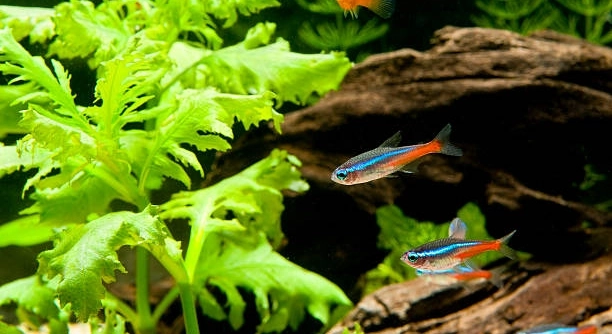
Neon Tetras are small, colorful fish commonly kept in aquariums. These vibrant creatures have specific behavior patterns influenced by a variety of factors. Understanding these behaviors can help you provide them with a better living environment.
The behavior of Neon Tetras is mainly affected by factors such as water quality, lighting, tank mates, temperature, diet, social interactions, and stress. Each of these elements plays a significant role in shaping how they behave and interact with their environment.
By considering these factors, you can create a more comfortable and stimulating environment for your Neon Tetras. This will promote their well-being and allow them to exhibit their natural behaviors.
Water Quality and Its Impact
The quality of water in your aquarium is one of the most important factors influencing Neon Tetra behavior. These fish thrive in clean, well-maintained water with stable conditions. If the water is too dirty or fluctuates too much, it can cause stress and even lead to illness. Poor water quality can affect their appetite, energy levels, and even their ability to reproduce. For Neon Tetras, the ideal water conditions include a pH level between 6.0 and 7.5, soft to moderately hard water, and a temperature range of 72°F to 78°F. Regular water changes and the use of a good filtration system are essential for keeping your fish healthy and active.
To maintain a healthy environment, regular water testing is necessary. This helps you track the levels of ammonia, nitrites, nitrates, and pH, ensuring they remain within safe limits for the fish. Using a water conditioner can also remove harmful chemicals like chlorine and chloramine, keeping the water safe for your Neon Tetras.
A stable environment promotes better behavior. If the water quality is consistently good, Neon Tetras are more likely to exhibit their natural swimming patterns and peaceful social interactions. They will swim in groups, showing vibrant colors and engaging in activities such as feeding and exploring their surroundings. In contrast, poor water quality can cause the fish to become lethargic, hide more, and even exhibit signs of aggression. Ensuring the right water conditions plays a huge role in their overall well-being and behavior.
Tank Lighting and Its Role
Proper tank lighting can influence the activity of Neon Tetras. Bright lights can sometimes cause them to become stressed, while dim lighting allows them to feel safer.
Neon Tetras are known to prefer subdued, natural light. In the wild, they typically live in shaded areas under plants or submerged wood, so they are adapted to low-light conditions. If you want to replicate their natural habitat in your tank, using dim, soft lighting is ideal. It creates a calmer environment, which can reduce stress and encourage natural behaviors, such as schooling and foraging.
A consistent day-night cycle, mimicking the natural light changes, is essential for maintaining their circadian rhythm. Neon Tetras respond to the light levels, becoming more active during the day and resting at night. Introducing bright lights at all times can cause them to feel exposed and anxious, disrupting their normal behavior patterns. So, adjusting the lighting in your tank can help keep your Neon Tetras relaxed and content.
Tank Mates and Their Influence
The choice of tank mates can significantly impact the behavior of Neon Tetras. These small fish are peaceful but can become stressed or aggressive when kept with larger or overly aggressive species.
When choosing tank mates for your Neon Tetras, opt for other peaceful fish that won’t outcompete them for food or invade their space. Ideal companions include other small, non-aggressive species like Corydoras catfish or shrimp. Neon Tetras are schooling fish, so it’s important to keep them in groups of at least six to help reduce stress. Larger fish or aggressive species can intimidate Neon Tetras, causing them to hide more and display defensive behavior.
If Neon Tetras are kept with suitable tank mates, they will exhibit their natural schooling behavior, swimming in groups and interacting peacefully. This helps them feel secure in their environment, reducing anxiety and allowing them to thrive. Without compatible tank mates, they may become skittish and less active, which affects their health and overall behavior.
Temperature Stability
Temperature stability is a crucial factor in maintaining the health and natural behavior of Neon Tetras. These fish are sensitive to sudden temperature changes, which can lead to stress or illness.
Neon Tetras prefer temperatures between 72°F and 78°F. If the temperature fluctuates too much, it can cause them to become lethargic or even cause health problems. A consistent temperature is essential to keeping them comfortable. Using an aquarium heater with a thermostat can help maintain the ideal temperature range. It’s also important to regularly monitor the tank temperature to avoid any sudden changes, especially when cleaning the tank or during water changes.
When Neon Tetras are in stable water temperatures, they are more active and show vibrant colors. Stress from fluctuating temperatures can make them hide, lose appetite, or even stop schooling altogether. A stable, warm environment ensures that Neon Tetras remain calm and continue their natural behavior of socializing and swimming in groups.
Diet and Feeding Habits
Neon Tetras rely on a well-balanced diet to maintain their health and activity levels. Poor nutrition can lead to sluggishness and other behavioral changes.
They thrive on a varied diet of high-quality flake food, small pellets, and occasional live or frozen foods like brine shrimp. Overfeeding can also cause stress, so stick to a feeding routine.
Feeding them properly helps keep them energetic and active. If underfed or fed the wrong foods, they may become less social, hide more, or lose interest in swimming. A proper diet keeps them vibrant and allows them to interact with their tank mates.
Stress and Its Effects
Stress can lead to a range of behavioral issues in Neon Tetras. High levels of stress can affect their overall health and their ability to interact normally with tank mates.
When Neon Tetras experience stress, they may stop schooling, exhibit erratic swimming, or hide in corners of the tank. Common stress factors include poor water quality, sudden temperature changes, or aggressive tank mates. Ensuring a calm, stable environment will prevent this stress from affecting their behavior. It’s essential to address the causes quickly to maintain their well-being.
Social Behavior
Neon Tetras are schooling fish and feel safest when kept in groups. They display natural, relaxed behaviors when surrounded by their own kind.
These fish feel more secure and exhibit better behavior when in a school of at least six. They are social creatures, and being with their peers helps reduce stress and encourages them to swim together in a group. Without sufficient schooling, they may appear nervous or skittish, which negatively affects their overall health and behavior. Keeping them in groups fosters their natural habits and boosts their well-being.
FAQ
Do Neon Tetras need a lot of space to swim?
Neon Tetras are small fish, but they still require enough space to swim comfortably. A tank size of at least 10 gallons is ideal for a small school of these fish. This allows them to swim freely, reducing stress and encouraging their natural schooling behavior. If the tank is too small, they might feel cramped, leading to anxiety and a decline in health.
Can Neon Tetras live with other types of fish?
Neon Tetras are peaceful and generally get along well with other small, non-aggressive fish. They should be kept with species of similar size and temperament. Avoid larger or more aggressive fish that could intimidate them. Good tank mates include species like Corydoras catfish, small rasboras, or other peaceful tetras. However, be cautious of fish that are known to be fin-nippers, as they may harass Neon Tetras.
How often should I feed my Neon Tetras?
Neon Tetras should be fed small amounts twice a day. It’s best to offer them just what they can eat in a few minutes, to prevent overfeeding and water contamination. A variety of food types, such as flake food, pellets, and occasional live or frozen food like brine shrimp, will keep them healthy and active. Overfeeding can lead to water quality issues and stress for the fish, so stick to a consistent feeding schedule.
What should I do if my Neon Tetras stop schooling?
If your Neon Tetras stop schooling, it’s often a sign of stress. Check the water quality, temperature, and tank mates for any potential issues. Poor water conditions, incompatible tank mates, or drastic changes in the environment can cause them to stop schooling. To help them return to normal behavior, ensure they are in a stable, calm environment, and provide a good-sized school of at least six fish.
How can I tell if my Neon Tetras are stressed?
Signs of stress in Neon Tetras include erratic swimming, hiding more than usual, faded colors, and reduced appetite. Stress can be caused by poor water quality, incompatible tank mates, temperature fluctuations, or overcrowding. If you notice these signs, assess their environment and address any issues. Improving water quality, adjusting temperature, and removing aggressive tank mates can help reduce stress.
Why are my Neon Tetras not eating?
If your Neon Tetras are not eating, it could be due to stress, poor water quality, or illness. They may also be intimidated by other tank mates or may not like the food being offered. First, check the water quality, and ensure the tank is properly maintained. Try offering a variety of foods to see if they have a preference. If they continue to avoid food, consider consulting a veterinarian to rule out illness.
Can Neon Tetras tolerate colder water?
Neon Tetras are tropical fish and prefer warmer water temperatures between 72°F and 78°F. They can tolerate slightly cooler temperatures but should not be kept in water that drops below 68°F for extended periods. Cold water can weaken their immune system and cause stress, leading to health problems. It’s best to maintain a stable, warm environment to keep them comfortable.
Are Neon Tetras aggressive?
Neon Tetras are generally peaceful and non-aggressive. They are schooling fish that feel safest when kept in groups. However, they may become stressed or skittish in the presence of aggressive tank mates or when kept in small numbers. When they feel threatened, they may hide or stop interacting with the other fish. Providing a calm, stable environment is key to keeping their behavior balanced.
How can I make my Neon Tetras more active?
To encourage your Neon Tetras to be more active, ensure they are in a group of at least six, as they feel more secure and social in schools. Provide plenty of hiding places, plants, and structures in the tank for them to explore. Also, maintain stable water conditions, including proper temperature and water quality. If they are healthy and comfortable, they will be more likely to swim actively and interact with each other.
What is the lifespan of a Neon Tetra?
Neon Tetras typically live for about 5 to 10 years if provided with proper care. Their lifespan depends on factors such as water quality, diet, and overall tank conditions. Keeping the tank clean, maintaining stable water temperatures, and avoiding stress can help them live a long, healthy life. Regular monitoring of their health and behavior can also extend their lifespan.
How do I breed Neon Tetras?
Breeding Neon Tetras can be a bit tricky, as they require specific water conditions to spawn. Set up a separate breeding tank with soft, slightly acidic water and a temperature between 74°F and 78°F. Introduce a male and female pair into the breeding tank and provide a fine-leafed plant for them to lay their eggs. After spawning, remove the adults to prevent them from eating the eggs. The eggs typically hatch in 24 to 36 hours. Once the fry are free-swimming, feed them small, specialized food like infusoria or baby brine shrimp.
Why are my Neon Tetras changing color?
Neon Tetras may change color due to stress, illness, or poor water conditions. Stress can cause them to lose their vibrant blue and red colors, making them appear duller. Changes in lighting or temperature can also affect their coloration. If you notice this happening, check the water quality, temperature, and ensure that they are not stressed by aggressive tank mates.
Final Thoughts
Neon Tetras are beautiful and peaceful fish that make a great addition to any aquarium. Understanding the factors that affect their behavior can help you create a better environment for them. Things like water quality, temperature, tank mates, and their diet all play a role in keeping them healthy and happy. By paying attention to these details, you can avoid common problems and ensure your Neon Tetras thrive. When their needs are met, they will swim in groups, show vibrant colors, and act in a natural, relaxed way.
Maintaining stable water conditions and providing a proper diet are essential for Neon Tetras. These small fish are sensitive to changes in their environment, so it’s important to monitor the water quality and ensure they have a balanced diet. Regular water changes and checking for ammonia or nitrate buildup can prevent many health problems. Providing the right lighting and keeping the water temperature within their preferred range will also help them feel secure. Stress can affect their health, so creating a calm and stable environment is crucial for their well-being.
When choosing tank mates, make sure to select peaceful species that won’t threaten or outcompete your Neon Tetras for food. Keeping them in groups of at least six will also make them feel more secure and encourage natural social behavior. By paying attention to their social needs, diet, and environment, you can help your Neon Tetras live a long and healthy life. These fish are relatively low-maintenance, but creating the right conditions for them to flourish will make a big difference in their behavior and overall happiness.

Hello,
If you enjoy the content that we create, please consider saying a "Thank You!" by leaving a tip.
Every little bit helps us continue crafting quality advice that supports the health, happiness, and well-being of pets around the world, for pets of all shapes, sizes, and species.
We really appreciate the kindness and support that you show us!