
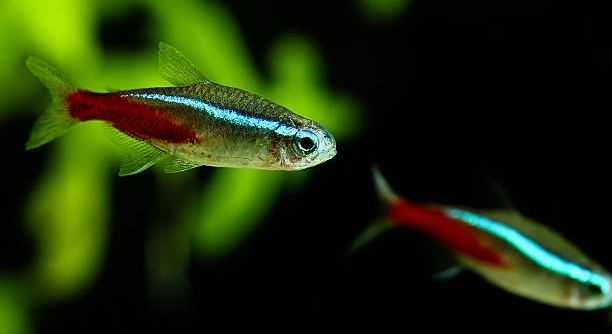
Neon Tetras are beautiful, active fish, but sometimes they can become stressed. Stress in fish can be hard to spot, but it’s important to recognize the early signs to keep them healthy and happy.
Neon Tetra stress can manifest in several ways, including changes in behavior, appearance, or health. Early signs include faded colors, erratic swimming, loss of appetite, or hiding. Identifying these clues early can prevent more serious health issues.
Paying attention to these signs will help you take care of your fish. You can improve their living conditions and ensure they stay healthy.
1. Faded Colors: A Key Indicator
When your Neon Tetra starts losing its vibrant color, it’s often a sign of stress. Healthy fish should have bright, distinct colors, especially in the neon stripe across their bodies. A lack of this brightness could indicate something’s wrong with their environment or health.
Stress can be caused by poor water conditions, sudden temperature changes, or inappropriate tank mates. If your Neon Tetra’s colors begin to fade, check the water parameters like temperature, pH, and ammonia levels. A sudden shift in any of these factors can easily cause stress.
Make sure to keep the water conditions stable, and if necessary, do a water change. If the problem persists, you may want to consider separating them from other fish or adjusting the tank’s setup to provide a less stressful environment. Monitoring these factors regularly can prevent long-term damage and help bring back your fish’s natural colors.
2. Erratic Swimming Patterns
One of the first signs of stress is erratic swimming. Normally, Neon Tetras are calm and tend to swim in schools. If you notice them darting around or swimming aimlessly, they may be feeling uneasy.
Fish that are stressed might swim in circles, jump more than usual, or even stay in one spot. This abnormal behavior could signal that something in the tank is upsetting them, like a change in water conditions, a predator nearby, or overcrowding.
Neon Tetras need space to swim, and if the tank is too small or overcrowded, they can start to act out of character. Also, aggressive tank mates can trigger stress, so it’s vital to ensure your fish are in a peaceful environment. Addressing any issues with the tank setup can help calm them down. Regularly check water quality and the behavior of other fish to maintain a stress-free environment.
3. Hiding More Than Usual
Neon Tetras are social fish and generally like to swim with their school. If you notice one hiding more often, something may be causing them stress. It could be that the tank is too bright, noisy, or the fish are feeling threatened by others in the tank.
A stressed Neon Tetra may retreat into hiding places or stay in the corners of the tank. While occasional hiding is normal, consistent avoidance of the rest of the group is not. This behavior is usually a sign of distress.
You can help by adjusting the tank lighting to avoid overly bright spots, or adding plants and hiding spots to make the fish feel more secure. Reducing noise and movement around the tank will also help. If hiding continues, it’s worth assessing whether the other fish are being too aggressive or if the tank environment is too chaotic for your Neon Tetra.
4. Loss of Appetite and Skinniness
A stressed Neon Tetra often loses interest in food. When your fish starts refusing food or eating less than usual, it’s a warning sign. Appetite loss can quickly lead to weight loss, which makes the fish more vulnerable to disease and further stress.
Loss of appetite in Neon Tetras can be caused by several factors, including poor water quality, improper tank temperature, or stress from other tank mates. Sometimes, the stress may come from too frequent water changes or a change in the environment.
If your Neon Tetra isn’t eating, it’s important to test the water and see if anything is out of balance. If your fish is still not eating after water conditions are addressed, consider isolating the stressed fish from aggressive tank mates. Offering a variety of food can also help, as sometimes they may just be bored with the same meals. Don’t ignore this sign, as it can lead to bigger health problems down the line.
5. Unusual Behavior or Hesitation
Another sign that your Neon Tetra is stressed is unusual behavior. Healthy fish swim actively and interact with the tank environment. If they begin to swim listlessly, avoid interacting with other fish, or show signs of hesitation, it’s important to investigate.
When a fish seems hesitant or withdrawn, it might be due to fear, illness, or discomfort. Stressed Neon Tetras may also seem unusually shy, staying away from the group or avoiding food. This behavior is often linked to poor tank conditions or aggression from other fish.
Pay close attention to the interactions in the tank and consider whether there are any sources of stress like sudden changes in the water or tankmates that might be bullying the fish. Fixing the water parameters and giving the stressed fish space can help restore normal behavior.
6. Clamped Fins
Clamped fins occur when a fish keeps its fins close to its body instead of spreading them out. This is often a sign of stress or illness. Neon Tetras will do this when they are feeling threatened, uncomfortable, or unwell.
When a Neon Tetra’s fins are clamped, it usually means something is wrong with the water quality, temperature, or tank environment. Stress from overcrowding or aggression from other fish can also cause this. You’ll want to check for any signs of disease or poor conditions that might be making your fish anxious.
To fix this, ensure the tank’s water quality is optimal, as poor water conditions are a leading cause of clamped fins. Consider adding more hiding spots or adjusting tank mates to reduce aggression. A peaceful and clean tank can help your fish feel safe again.
7. Rapid Breathing
Rapid breathing can indicate stress in Neon Tetras. If your fish is breathing faster than usual, it could be struggling to get enough oxygen, possibly due to poor water conditions. It’s a serious sign that demands attention.
High ammonia levels, low oxygen, or high water temperatures can cause Neon Tetras to breathe quickly. Ensure the water is well-oxygenated by using a filter or air pump. Temperature fluctuations can also stress them out, so maintain a stable tank environment.
Additionally, overfeeding can lead to poor water quality, so avoid excessive food. Testing the water regularly for ammonia, nitrites, and nitrates helps keep the levels in check. Rapid breathing should be addressed quickly to prevent further harm to the fish. Proper care and attention will help ease their stress.
8. White Spots or Patches on the Body
White spots or patches on a Neon Tetra’s body often point to external parasites like Ich. This condition can cause significant stress and discomfort for the fish.
These white marks can appear as tiny dots or larger patches on the body and fins. It’s important to act quickly, as this parasite can spread.
Treat the water with a specialized parasite treatment if you notice these spots. You may need to isolate the infected fish to prevent it from spreading. Keeping the water temperature at an optimal level for your fish is also important to help them fight off the infection.
9. Unexplained Weight Loss
Unexplained weight loss in Neon Tetras often results from stress, disease, or poor nutrition. If you notice your fish becoming thinner, it’s crucial to identify the cause.
Stress, especially from water quality issues, can make it hard for the fish to digest food properly. It’s also possible that illness is causing the weight loss.
In this case, check the tank’s environment for any factors that could be affecting the fish. Make sure they are eating, and offer a balanced diet. Treat any underlying health conditions promptly to help your Neon Tetra regain its strength and size.
10. Excessive Hiding or Lethargy
If your Neon Tetra becomes lethargic or hides more than usual, this could be a sign of stress or illness. Fish typically seek refuge when they’re feeling unwell or threatened.
Lethargy often accompanies other symptoms of stress like fading color or abnormal swimming. Hiding is a clear sign that the fish is uncomfortable or trying to escape from something.
To help the fish, make sure the tank environment is peaceful and free from sudden changes. Keep the water clean and check for any aggressive tank mates. If necessary, isolate the fish until the issue is resolved.
FAQ
How do I prevent stress in my Neon Tetra?
To prevent stress in your Neon Tetra, ensure the water quality is stable. Regularly test the pH, ammonia, nitrate, and nitrite levels to keep them within safe ranges. Make sure the temperature is appropriate, and avoid sudden changes. Provide plenty of hiding spots and space to swim, as overcrowding can lead to stress. Additionally, avoid aggressive tank mates, and feed them a balanced diet. A peaceful and well-maintained tank will reduce the risk of stress.
What causes Neon Tetras to lose their color?
Neon Tetras may lose their color due to stress, illness, or poor water conditions. Stress factors, such as sudden temperature fluctuations or aggressive tank mates, can cause their colors to fade. Illnesses like internal parasites or fungal infections can also affect their vibrant stripes. To prevent color loss, maintain a stable and clean tank environment and regularly check water parameters. If illness is suspected, treat with appropriate medications and provide proper care.
Can Neon Tetras recover from stress?
Yes, Neon Tetras can recover from stress if the cause is identified and addressed quickly. Reducing stress factors, like improving water quality, adjusting temperature, and providing a more peaceful tank environment, can help them return to normal behavior. It’s important to monitor their condition and be patient, as recovery can take time. Offering a variety of foods and keeping their environment stable will encourage healing. If stress continues, consider separating the fish from the source of stress or seeking professional advice.
How do I know if my Neon Tetra is sick?
Sick Neon Tetras may exhibit several signs, including changes in swimming behavior, loss of appetite, clamped fins, white spots or patches on their bodies, or unusual lethargy. If you notice any of these symptoms, it’s important to isolate the affected fish to prevent the illness from spreading. Check water quality, temperature, and tank conditions to rule out environmental causes. If symptoms persist, consult a veterinarian or use appropriate treatments for the suspected condition.
Is it normal for Neon Tetras to hide?
While Neon Tetras are social and active, they may occasionally hide when stressed, frightened, or ill. If your fish is hiding more than usual, it could indicate discomfort or fear. Providing hiding spots in the tank, such as plants, caves, or decorations, can help them feel more secure. However, if hiding becomes constant, it’s important to check for underlying issues like poor water conditions, aggressive tank mates, or disease. Ensuring a stress-free environment will encourage your fish to interact with the group and swim more freely.
Can poor water quality cause Neon Tetra stress?
Yes, poor water quality is one of the most common causes of stress in Neon Tetras. Elevated levels of ammonia, nitrates, and nitrites, as well as fluctuations in pH or temperature, can all cause stress and lead to health issues. It’s essential to regularly test the water and perform routine water changes to maintain a healthy environment. Using a quality filtration system will help keep the water clean, and adding live plants can improve water quality naturally. Healthy water is key to keeping your Neon Tetra happy and stress-free.
How often should I feed my Neon Tetra?
Feed your Neon Tetra once or twice a day, offering only as much food as they can eat in a few minutes. Overfeeding can lead to poor water quality, which increases stress. A varied diet of high-quality flake food, frozen or live foods, and occasional treats will ensure they receive all the necessary nutrients. It’s important not to leave leftover food in the tank as it can quickly deteriorate water conditions. Stick to a feeding schedule to keep your fish healthy and avoid stress caused by hunger or overeating.
Can Neon Tetras live with other fish?
Yes, Neon Tetras are peaceful fish and can live with a variety of other small, non-aggressive species. However, they do best in schools of six or more to feel secure and reduce stress. Avoid housing them with aggressive or larger fish that may see them as prey. Ideal tank mates include other peaceful community fish like Corydoras, small livebearers, or other tetras. Always ensure that the tank environment is compatible for all species and monitor interactions to prevent stress or aggression.
How can I tell if my Neon Tetra is stressed?
Signs of stress in Neon Tetras include faded colors, erratic swimming, loss of appetite, clamped fins, and excessive hiding. They may also become more lethargic or display abnormal behaviors, such as swimming in circles or darting frantically. If you notice these signs, it’s crucial to assess the tank’s water quality, temperature, and tank mates. Addressing these stressors quickly can help your fish recover. Make sure to also check for any signs of illness that may be contributing to the stress. A healthy tank environment is essential for reducing stress.
How do I treat Ich in Neon Tetras?
Ich is a common parasitic infection that causes white spots on the body and fins of Neon Tetras. To treat Ich, raise the water temperature gradually to around 80°F (27°C) and add a specialized anti-parasitic treatment to the water. Isolate any infected fish to prevent spreading the parasite to others in the tank. Remove any uneaten food and perform a water change to maintain a clean environment. Continue treatment for a few days to ensure the parasite is fully eradicated. Regularly monitor the fish to ensure recovery.
Final Thoughts
Understanding the early signs of Neon Tetra stress is essential for keeping your fish healthy and happy. These small, vibrant fish are sensitive to changes in their environment, and stress can affect their health if not addressed quickly. By recognizing the symptoms early, such as faded colors, erratic swimming, or loss of appetite, you can take the necessary steps to prevent more serious health issues. Maintaining stable water conditions, offering a balanced diet, and providing a peaceful tank environment are key factors in reducing stress for your Neon Tetra.
Stress can also lead to illnesses like Ich or other external parasites, which can be challenging to treat if not caught early. That’s why it’s important to stay attentive to your fish’s behavior and look for any signs of distress. Providing a proper habitat with plenty of hiding spots and a well-maintained tank will help your Neon Tetras feel safe and secure. If you do notice signs of stress or illness, addressing the issue immediately is crucial for their recovery. Don’t hesitate to separate stressed or sick fish from others to prevent the spread of disease.
In the end, the well-being of your Neon Tetras depends on consistent care and observation. Regular water testing, proper feeding schedules, and understanding their social needs will go a long way in ensuring their health. By creating an environment where they can thrive, you can enjoy watching your Neon Tetras grow, interact with one another, and display their stunning colors. It’s all about being proactive and attentive to their needs, ensuring they live a long, stress-free life.

Hello,
If you enjoy the content that we create, please consider saying a "Thank You!" by leaving a tip.
Every little bit helps us continue crafting quality advice that supports the health, happiness, and well-being of pets around the world, for pets of all shapes, sizes, and species.
We really appreciate the kindness and support that you show us!