
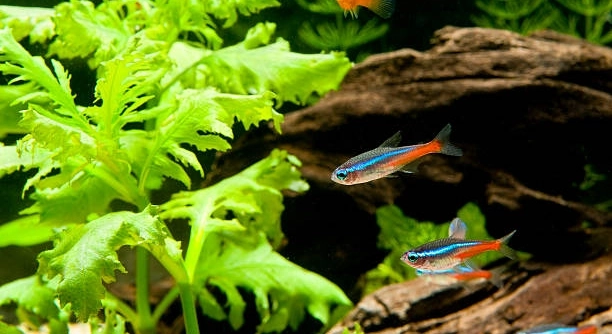
Are your neon tetras looking stressed or falling ill despite your best efforts to care for them? You’re not alone. Many aquarists face similar struggles when trying to maintain a healthy tank for these delicate fish.
The best way to avoid common neon tetra tank issues is by managing water quality, temperature, tank mates, lighting, feeding, tank size, and cycling. Each of these factors plays a key role in their overall health and behavior.
Learning how to manage these seven areas can help you build a peaceful and stable environment your neon tetras can thrive in.
Poor Water Quality
Clean water is one of the most important parts of keeping neon tetras healthy. These fish are sensitive to changes in water conditions. Dirty tanks, leftover food, and waste can quickly cause problems. Ammonia and nitrite levels should always be at zero, and nitrates should be kept low. Regular water changes—at least 25% weekly—help keep things stable. A good filter supports the cycle and removes harmful toxins. Always treat tap water with a water conditioner before adding it to the tank. Test your water weekly using a reliable kit to make sure the levels are safe for your fish.
Skipping water changes or overfeeding can cause toxins to build up quickly. When this happens, your fish might look pale, lose their appetite, or act sluggish.
To avoid problems, use a filter that matches your tank size. Rinse filter media in tank water monthly to avoid killing beneficial bacteria. Also, avoid overstocking the tank. More fish mean more waste, and that can strain your system. Remove uneaten food after five minutes, and check the gravel for buildup during cleanings. Even a small shift in ammonia or nitrite levels can be harmful to neon tetras. Keeping the water clean is the simplest way to help them live longer, healthier lives.
Unstable Water Temperature
Neon tetras need a steady temperature to stay healthy. They do best between 72°F and 78°F, with very little fluctuation.
Fluctuating temperatures are stressful and can weaken their immune system. This often leads to sickness or death. Room temperatures can shift often, especially in homes with poor insulation or air conditioning. Heaters help, but not all heaters are reliable. It’s a good idea to get a thermometer and check the water daily. Avoid placing your tank near windows, heaters, or vents that might affect the temperature. Also, make sure the heater wattage fits the size of your tank. A small heater in a big tank may not work well. Stable water temperature helps tetras stay active, colorful, and stress-free. It also supports their overall health and improves their response to feeding and tank mates. Taking a few small steps to maintain warmth can make a big difference in their quality of life.
Incompatible Tank Mates
Neon tetras are peaceful and do not do well with aggressive or much larger fish. Housing them with the wrong tank mates can lead to stress, injuries, and even death. Choose fish that are calm, small, and thrive in similar water conditions.
Fin-nippers, territorial species, or overly active fish can disturb the quiet nature of neon tetras. This constant stress affects their behavior, weakens their immune system, and can cause them to hide or stop eating. Good tank mates include other peaceful schooling fish like rasboras, small corydoras, and some types of dwarf shrimp. Avoid mixing them with bettas, barbs, or cichlids. Always research new additions before placing them in the same tank. Also, provide hiding spots using plants or decor to help reduce tension. The calmer the environment, the more your neon tetras will thrive and display their natural colors and patterns.
Overcrowding also creates issues, even with peaceful species. Too many fish in a small space leads to poor water quality and competition for food. Neon tetras need space to swim in groups and feel safe. A 10-gallon tank should hold no more than 6–8 neon tetras, depending on other tank mates. Giving them enough room and choosing tank mates wisely keeps them safe and healthy.
Incorrect Feeding Habits
Overfeeding is one of the most common feeding mistakes. Uneaten food sinks to the bottom, breaks down, and impacts water quality. This can lead to stress and illness. Feed them once or twice a day with only what they can eat in two minutes.
Neon tetras have small mouths and stomachs. They do well with crushed flakes, micro pellets, or finely chopped frozen foods. Variety is also important—include occasional treats like daphnia or brine shrimp. This helps with nutrition and encourages natural feeding behavior. Avoid feeding too many fatty or high-protein foods daily, as these can cause bloating or digestive issues. Watch how much they eat and remove any leftovers. Stick to a consistent feeding schedule and avoid feeding them just because they come to the front of the tank. They often beg out of habit, not hunger. Balanced feeding keeps their colors bright and supports their long-term health.
Small or Overcrowded Tank
Neon tetras need room to swim in groups. Keeping them in a tank that’s too small can stress them out. Aim for at least 10 gallons for a small school. Bigger tanks provide better stability and space.
Too many fish in one tank causes poor water quality fast. Ammonia builds up quicker, and oxygen levels drop. Overcrowding also leads to more aggression and competition for food, even in peaceful fish like neon tetras.
Incomplete Tank Cycling
New tanks must go through a nitrogen cycle before adding fish. This process builds up beneficial bacteria that break down waste. Skipping this step causes ammonia and nitrite spikes, which are deadly to neon tetras. The cycling process usually takes 4–6 weeks and should be monitored with a test kit. Use a source of ammonia, like fish food or bottled ammonia, to feed the bacteria during cycling. When both ammonia and nitrite reach zero and nitrates are present, the tank is ready. Adding fish too soon leads to illness, stress, and high death rates. Always cycle first to create a safe, stable home.
Incorrect Lighting
Too much light can cause stress or excessive algae. Neon tetras prefer dim or moderate lighting. Use floating plants or soft LEDs to create a calm space. Avoid direct sunlight and long light periods.
FAQ
How many neon tetras should be kept together?
Neon tetras are schooling fish, meaning they feel safest when in groups. Ideally, keep at least 6–8 neon tetras together. A small school helps reduce stress and allows them to engage in natural behaviors. Keeping them alone or in pairs can lead to isolation and poor health. A larger school in a bigger tank will also help them feel secure and show off their best colors.
Can neon tetras live with other fish?
Yes, neon tetras can live with many other species, but it’s important to choose peaceful tank mates. Avoid aggressive fish, such as bettas or larger cichlids, as they might chase or even eat neon tetras. Other peaceful species like guppies, rasboras, and dwarf corydoras make great companions. Just ensure that all fish in the tank share similar water temperature and pH requirements.
What should I feed neon tetras?
Neon tetras are omnivores and should be fed a variety of foods. High-quality flake food or micro pellets are ideal. They also enjoy occasional treats like brine shrimp or daphnia. Be careful not to overfeed them, as uneaten food can pollute the tank. Feed them only what they can consume within 2–3 minutes.
How do I keep neon tetras healthy?
To keep neon tetras healthy, maintain stable water conditions, keep the tank clean, and provide a proper diet. Regular water changes (about 25% weekly) help remove toxins and ensure good water quality. Keep the tank well-filtered and monitor water temperature closely, ideally between 72°F and 78°F. Avoid overcrowding, as it can cause stress and poor water quality.
Can neon tetras live in cold water?
No, neon tetras are tropical fish and need warm water. They do best at temperatures between 72°F and 78°F. Cold water can weaken their immune system, making them more prone to illness. A reliable heater is essential to maintain the right temperature, especially in colder environments.
How often should I change the water in my neon tetra tank?
Perform a water change of 25% every week. This helps remove toxins, waste, and excess nutrients that can build up and harm your fish. Always use a water conditioner when adding tap water to neutralize chlorine or chloramine. You can also test water parameters to ensure they remain safe for your tetras.
What size tank do neon tetras need?
The minimum tank size for neon tetras is 10 gallons. A larger tank offers better water stability and more space for your fish to swim. If you plan to keep multiple fish or a larger school, a 20-gallon tank or more would be ideal. Avoid keeping too many fish in a small tank, as it can lead to poor water quality and stress.
Are neon tetras prone to diseases?
Like all fish, neon tetras can be affected by diseases, especially when stressed or kept in poor water conditions. Common diseases include ich (white spot disease), fin rot, and fungal infections. Keeping the water clean, avoiding overcrowding, and ensuring stable tank conditions will reduce the risk of illness. If your neon tetras are acting abnormally, check the water parameters and consult a fish veterinarian if needed.
Why are my neon tetras not eating?
There could be a few reasons why your neon tetras aren’t eating. One common cause is poor water quality, which can cause stress and loss of appetite. Check your water parameters, especially ammonia, nitrite, and nitrate levels. If the water is fine, they may be stressed by other factors like tank mates, lighting, or temperature changes. It could also be a sign of illness.
Can neon tetras live with shrimp?
Yes, neon tetras generally get along well with shrimp. They are peaceful and unlikely to bother small shrimp species, like cherry shrimp or ghost shrimp. However, be cautious with larger or more aggressive shrimp species that might harm the tetras. Providing hiding spots and plants in the tank helps both shrimp and neon tetras feel secure.
What can I do if my neon tetra’s colors are fading?
Fading colors in neon tetras often indicate stress or poor water quality. Check the water parameters, and make sure the temperature is stable. Ensure they are being fed a balanced diet and aren’t being bullied by tank mates. Stress, overcrowding, and improper lighting can all affect their color. Providing them with a stable, peaceful environment should help restore their vibrant hues.
Can I keep neon tetras with bettas?
Neon tetras and bettas don’t always make good tank mates. While neon tetras are peaceful, bettas can be aggressive, especially toward small fish with colorful fins. A betta may see neon tetras as rivals and chase or attack them. If you plan to house them together, a larger tank with plenty of hiding spots and plants can help reduce aggression.
Do neon tetras need a filter?
Yes, neon tetras need a filter to maintain clean water. A filter helps remove waste and toxins from the tank, ensuring that the water stays safe. It also helps to maintain oxygen levels. Just make sure the filter’s flow is not too strong, as neon tetras prefer calm waters.
Taking care of neon tetras requires attention to detail and consistency. These small, vibrant fish thrive when their environment is stable and well-maintained. Ensuring clean water, proper temperature, and suitable tank mates are all important factors that contribute to their health and happiness. As with any aquarium fish, it’s essential to provide the right conditions and make adjustments when needed. If you notice any issues, such as fading colors or lethargy, it’s important to address them quickly to prevent further stress or illness.
Neon tetras are generally hardy and adaptable, but they can be sensitive to changes in their environment. Regular water changes, proper feeding habits, and careful selection of tank mates can go a long way in keeping them healthy. Keeping your tank well-filtered and avoiding overcrowding are crucial to maintaining good water quality. It’s also essential to avoid sudden temperature fluctuations, which can cause stress and weaken their immune system. By paying attention to these basic needs, you’ll provide your neon tetras with a thriving home.
Overall, neon tetras can make a beautiful addition to your aquarium when cared for properly. Their small size and peaceful nature make them perfect for community tanks, and their striking colors are a pleasure to watch. However, they do require a bit of extra care to ensure they stay healthy and active. With the right setup and routine, your neon tetras will live long, happy lives, adding a vibrant touch to your aquarium.

Hello,
If you enjoy the content that we create, please consider saying a "Thank You!" by leaving a tip.
Every little bit helps us continue crafting quality advice that supports the health, happiness, and well-being of pets around the world, for pets of all shapes, sizes, and species.
We really appreciate the kindness and support that you show us!