
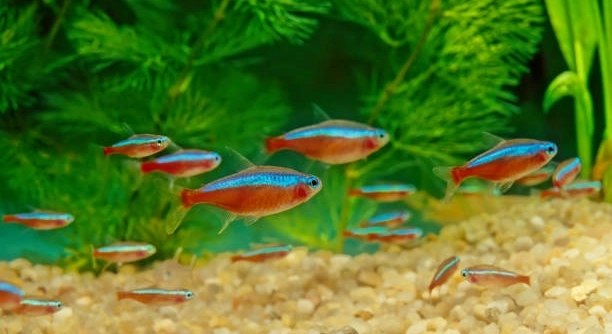
Are your neon tetras looking a little dull or not as active as they used to be? Creating a better environment might be the key. Sometimes, even small changes can make a big difference in their health and color.
Adding a bioactive substrate for neon tetras supports a stable ecosystem by encouraging beneficial bacteria growth, waste breakdown, and plant health. These improvements promote cleaner water, reduce stress, and enhance overall fish well-being.
A few thoughtful adjustments to your tank can lead to healthier, more vibrant neon tetras that thrive in their environment.
Boosts Water Quality Naturally
A bioactive substrate helps maintain water quality by supporting beneficial bacteria. These bacteria live in the substrate and help break down fish waste and leftover food. This process reduces harmful toxins like ammonia and nitrites, which can stress or harm neon tetras. By encouraging a balance between good bacteria and waste, the tank stays cleaner with less effort. Over time, you’ll notice fewer water changes are needed, and your fish will be more comfortable in their habitat. A bioactive setup can also lead to more stable water parameters, which are especially important for small, sensitive fish like neon tetras.
A cleaner tank means less stress and fewer health issues for your neon tetras.
If your tank struggles with cloudy water or ammonia spikes, switching to a bioactive substrate can make a noticeable difference. It creates a mini ecosystem that supports itself and lowers the risk of sudden changes in water chemistry, keeping things stable long term.
Encourages Plant Growth
Healthy plant growth helps balance the tank and benefits your fish at the same time.
Bioactive substrates are rich in nutrients that help aquatic plants grow strong and steady. Good plant growth reduces waste in the tank and absorbs excess nutrients that could otherwise feed algae. It also gives your neon tetras a natural environment to swim through and feel safe in. Plants help block light, which lowers stress levels, and provide places for the fish to rest or hide. Over time, this encourages better behavior and stronger colors. A planted tank feels more alive and active. With a bioactive substrate, you’ll see plants root deeper and grow faster without needing extra fertilizers.
Supports Natural Behavior
Neon tetras feel more at home when their tank mimics their natural environment. A bioactive substrate helps create that comfort by offering textures and areas to explore, just like in the wild.
When the substrate is full of organic matter, it allows microfauna like springtails and worms to thrive. These tiny organisms may go unnoticed, but they play a role in keeping the tank clean and giving your fish interesting surroundings to explore. Neon tetras may peck at the substrate, sift through it lightly, or hover around live plants growing from it. This added stimulation keeps them active and engaged. In tanks without stimulation, fish can become more reclusive or display stress behaviors. A natural layout encourages them to swim together more confidently and act as they would in their native rivers.
A more realistic habitat also encourages your neon tetras to school better. This social behavior makes them feel safer and improves their movement in the tank. When the fish are relaxed and stimulated, you’re more likely to see their natural patterns and full range of color. This not only benefits the tetras but also makes your aquarium more visually appealing and easier to care for in the long run.
Reduces Algae Growth
When plants grow well and nutrients stay balanced, algae has less room to take over your tank. A bioactive setup helps maintain this balance without extra chemicals or treatments.
Bioactive substrates feed plants directly through their roots, leading to stronger growth and faster nutrient uptake. When plants absorb those nutrients efficiently, there’s less left over for algae to use. At the same time, microfauna living in the substrate help break down debris before it can fuel algae blooms. Unlike chemical solutions that treat symptoms, this method works by removing what algae feeds on. The overall tank becomes less prone to cloudy water and green buildup on the glass or decorations. You won’t have to scrub the tank as often, and your water will stay clearer over time. This approach is simple and steady, giving both your plants and fish a better chance to thrive without constant correction.
Lowers Maintenance Over Time
A bioactive substrate keeps the tank cleaner by supporting natural waste breakdown. With less buildup, there’s no need to vacuum the gravel as often or do frequent deep cleanings. This helps save time while keeping your neon tetras comfortable.
As the tank balances itself, water stays stable longer. That means fewer water changes and less adjusting of pH or ammonia levels. Once the system is established, routine care becomes much easier, especially if you’ve struggled with maintenance before.
Enhances Tank Aesthetics
Bioactive substrates come in earthy tones that look more natural than basic gravel. They pair well with live plants and decorations, helping the tank feel more like a real underwater scene. Combined with healthy fish and strong plants, it creates a clean and calming visual effect.
Supports Microfauna Growth
A bioactive setup gives microfauna a place to thrive. These tiny organisms help clean up leftover food and organic waste. They also support a healthier ecosystem by keeping everything balanced from the bottom up.
FAQ
Can I switch to a bioactive substrate in an existing tank?
Yes, you can. It’s best to do it gradually to avoid stressing your fish or upsetting the balance. Start by removing a portion of your old substrate and replacing it with the new one over time. Doing this in stages helps keep the beneficial bacteria from being disturbed too much. You may notice a temporary change in water clarity, but this usually settles within a few days. Monitor your water parameters during the process and avoid cleaning the filter during this time, as it also houses important bacteria.
Do I still need a filter with a bioactive substrate?
Yes, you do. While a bioactive substrate helps with waste breakdown and water balance, it doesn’t replace a filter. The filter plays a key role in moving water, providing oxygen, and housing even more beneficial bacteria. A well-functioning filter works together with the substrate to keep your tank clean and healthy. You may notice less waste buildup, but regular filter maintenance is still important. Use a gentle sponge or canister filter to avoid disturbing the natural processes that are happening in the substrate layer.
Is it safe for neon tetras?
Yes, bioactive substrates are safe for neon tetras. In fact, they can improve the fish’s overall well-being. These fish come from soft, plant-rich waters with leaf litter and fine soil, and a bioactive setup comes closer to mimicking that environment. Just make sure to avoid sharp or coarse materials that could damage their fins. Stick with fine-grain or clay-based substrates, which are soft and easy for the fish to swim over and interact with. A bioactive tank feels more natural and secure for them, especially when combined with plants and hiding spots.
How long does it take for a bioactive system to establish?
It usually takes a few weeks to a couple of months for a bioactive system to fully settle. You may start seeing some benefits right away, like plant growth or clearer water, but the full effect takes time. Beneficial bacteria, microfauna, and plant roots all need time to build up and find balance. Be patient and avoid over-cleaning or overfeeding during this phase. Regular water testing helps track progress and ensures everything is stabilizing. Once it’s established, the system becomes easier to care for and more consistent in the long run.
Do I need to use fertilizers with a bioactive substrate?
Not always. Many bioactive substrates come pre-loaded with nutrients that help plants grow. For low to medium light plants, this may be enough on its own. Over time, as nutrients are used up, you might need to add root tabs or gentle liquid fertilizers. This depends on the plants you keep and how heavily planted the tank is. Watch for signs like yellowing leaves or slow growth—these may suggest it’s time to supplement. Still, the substrate does most of the work early on, especially when paired with good lighting.
Can I use a bioactive substrate in a small tank?
Yes, smaller tanks can benefit just as much from a bioactive substrate. In fact, it may help stabilize water quality in setups that are more prone to quick changes. Just make sure not to overcrowd the tank, and keep up with basic care like water changes and filter checks. Even in a nano tank, the added bacteria and microfauna make a big difference. A shallow layer of substrate is often enough to support plants and beneficial organisms without taking up too much space.
Do I need to stir or clean the substrate?
Not really. Unlike traditional gravel, bioactive substrates are best left undisturbed. Stirring can damage plant roots or disrupt the microbial activity happening below the surface. If you see debris on top, you can gently siphon it off without digging deep. Snails and microfauna will help take care of much of the mess naturally. In some cases, you might gently loosen compacted areas if water flow seems restricted, but this should be done carefully and only when needed. The goal is to let the substrate maintain its natural balance on its own.
Final Thoughts
Adding a bioactive substrate to your neon tetra tank can bring many quiet but meaningful benefits. It helps support a more stable and natural environment, making things easier for both the fish and the person caring for them. Over time, you may notice that your neon tetras look brighter, swim with more confidence, and interact with their surroundings in healthier ways. These changes are often slow but steady, and they tend to last longer than quick fixes or artificial setups. Even though it might take some time to fully settle, the results are worth the wait.
One of the biggest advantages of a bioactive setup is how it helps the tank care for itself. With beneficial bacteria, microfauna, and strong plant growth all working together, you don’t have to rely as much on chemicals or constant cleaning. This reduces stress on the fish and creates a calmer, more balanced space. It’s also a more gentle way to care for your tank. Everything works together: the fish, the plants, the substrate, and even the tiny creatures in the soil. These small details often go unnoticed, but they make a real difference in how the tank looks and feels.
If you’re looking to create a more natural home for your neon tetras, a bioactive substrate is a good place to start. It supports better water quality, lowers stress, and gives your fish a space that closely matches where they would live in the wild. It’s a change that doesn’t just look better—it feels better too, both for the fish and for you. While it may take a little planning, the long-term benefits are simple: healthier fish, stronger plants, and less daily maintenance. It’s a small shift that can lead to a more stable and peaceful aquarium.

Hello,
If you enjoy the content that we create, please consider saying a "Thank You!" by leaving a tip.
Every little bit helps us continue crafting quality advice that supports the health, happiness, and well-being of pets around the world, for pets of all shapes, sizes, and species.
We really appreciate the kindness and support that you show us!