
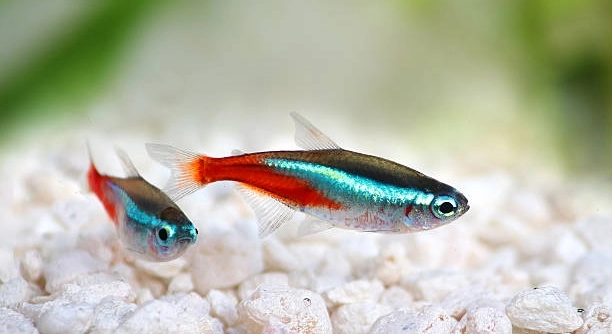
Low-light environments can be challenging for plant growth, but there are several plants that thrive even in these conditions. Neon Tetras, known for their vibrant colors, benefit from a balanced, serene aquarium with appropriate plants. Choosing the right plants for such an environment enhances their well-being and the tank’s appearance.
The best low-light plants for a Neon Tetra aquarium are species that require minimal sunlight and can adapt to moderate water conditions. Plants like Java Fern, Anubias, and Cryptocoryne are perfect for low-light settings and complement the Neon Tetras’ natural habitat.
Choosing the right plants not only benefits the aesthetic of the aquarium but also provides a healthier environment for your fish.
Java Fern (Microsorum pteropus)
Java Fern is an ideal low-light plant for a Neon Tetra aquarium. This hardy plant thrives in low-light conditions and can tolerate a wide range of water parameters. Its long, green fronds provide a natural hiding spot for the fish, mimicking their native habitat. Java Fern is also easy to care for and doesn’t require much attention, making it perfect for those looking to keep their aquarium low-maintenance. This plant attaches to rocks or driftwood, making it an excellent option for aquascaping. As it grows, it can be trimmed to maintain its shape and prevent overgrowth.
Java Fern is a slow grower, so it won’t quickly take over your aquarium. Its adaptability to different water conditions makes it an excellent choice for both beginners and experienced aquarium owners. It also helps maintain a balanced ecosystem by filtering the water and providing a habitat for beneficial microorganisms.
This plant is particularly useful for Neon Tetras since it gives them both coverage and additional areas to swim around. Its low-maintenance nature allows you to focus on the fish while keeping the tank lush and vibrant.
Anubias (Anubias barteri)
Anubias is another great option for low-light aquariums. It requires minimal care and thrives in shaded areas, making it an excellent plant for a Neon Tetra tank. The leaves are tough and resistant to algae growth, making maintenance easier.
Anubias is slow-growing but very resilient. It can be tied to decorations, rocks, or driftwood and will continue to grow over time. It also adds a dark green contrast to the tank, enhancing the overall appearance. With its sturdy nature, Anubias can withstand fluctuating water conditions, ensuring it survives even in less-than-ideal environments.
For Neon Tetras, Anubias creates a perfect balance of beauty and function. Its large, rounded leaves provide fish with spots to rest and hide. By planting this species, you add a sense of tranquility to your aquarium, which benefits both the fish and the overall aesthetic.
Cryptocoryne (Cryptocoryne wendtii)
Cryptocoryne is a hardy, low-maintenance plant that thrives in low-light environments. It’s ideal for Neon Tetra aquariums due to its ability to adapt to various water conditions and its moderate growth rate. The plant features attractive, broad leaves that come in different shades of green, adding visual appeal.
It’s a versatile plant that can be planted in substrate or placed on decorations. Cryptocoryne benefits from occasional trimming to maintain its shape, but otherwise, it requires little attention. Its ability to filter water also supports the health of the aquarium, creating a more balanced ecosystem.
Cryptocoryne’s slow growth is an advantage in maintaining the right plant-to-fish ratio, especially in a small tank. It doesn’t crowd the space, giving your Neon Tetras room to swim freely. Its low-maintenance nature makes it a perfect choice for beginners and those who prefer a simpler setup without compromising on aesthetics.
Amazon Sword (Echinodorus bleheri)
Amazon Sword is another low-light option that can thrive in moderate light conditions. It’s known for its broad, lush leaves, which provide ample hiding spaces for Neon Tetras. The plant is low-maintenance and easy to care for, making it a popular choice among aquarists.
This plant’s large size and long, green leaves create a beautiful backdrop in the aquarium. While it’s adaptable to low-light settings, Amazon Sword does best with occasional nutrient supplementation. It’s also known to grow faster when provided with extra care, offering a more vibrant display in the tank.
However, since it can grow quite large, regular pruning may be necessary to prevent it from taking up too much space. Despite its size, Amazon Sword adds a natural, wild look to the tank, helping mimic the Tetras’ native environment. It’s perfect for creating a more dynamic, beautiful aquarium setup.
Java Moss (Taxiphyllum barbieri)
Java Moss is perfect for a low-light aquarium. Its soft, vibrant green texture mimics the natural environment of Neon Tetras. The moss can attach itself to rocks, wood, or decorations, offering a natural look while providing hiding spots for fish.
This moss grows quickly in shaded areas and is ideal for filling empty spaces in your aquarium. It’s also excellent for creating a more natural aesthetic and providing additional surface area for beneficial bacteria to grow. Java Moss doesn’t need special care and thrives in various water conditions.
Hornwort (Ceratophyllum demersum)
Hornwort is an easy-to-grow, low-light plant known for its ability to oxygenate water. It can float freely or be planted in the substrate, depending on your aquarium setup. The plant has thin, feathery leaves that provide a striking contrast to other plants and create a rich, lush look in your tank.
This plant grows quickly, which helps to control excess nutrients and prevents algae build-up. It’s a great option for creating hiding spots for Neon Tetras, allowing them to feel secure while swimming through the tank. Hornwort doesn’t require much care and can adapt to various water temperatures.
Water Wisteria (Hygrophila difformis)
Water Wisteria is a popular choice for low-light aquariums. It’s easy to grow and provides both aesthetic value and functional benefits. The plant has finely divided leaves that sway in the water, creating a graceful and calming effect. It also offers good coverage for Neon Tetras.
FAQ
What are the best low-light plants for a Neon Tetra aquarium?
The best low-light plants for a Neon Tetra aquarium include Java Fern, Anubias, Cryptocoryne, Amazon Sword, Java Moss, Hornwort, and Water Wisteria. These plants thrive with minimal light and create a natural, calming environment for your fish. They are also low-maintenance, making them ideal for beginner aquarists.
Do low-light plants require special care?
Low-light plants generally do not require special care, but they do benefit from basic aquarium maintenance. Regular water changes, proper filtration, and occasional trimming are essential to maintaining plant health. While low-light plants are hardier than high-light plants, providing nutrients when needed can help them grow more vibrantly.
How do I know if a plant is low-light?
Low-light plants are typically labeled as “low-light” or “low-maintenance” by sellers. These plants are adaptable to moderate or low-light conditions and do not require intense lighting to thrive. If a plant grows well in shaded areas of your tank without special lighting, it is likely suited for low-light environments.
Can low-light plants grow without a tank light?
While low-light plants can survive with very minimal lighting, they still need some light to photosynthesize and grow. If your aquarium does not have any lighting, it’s not ideal for plant growth, even for low-light varieties. A soft, low-wattage aquarium light is usually sufficient for these plants.
How do low-light plants help my Neon Tetras?
Low-light plants offer several benefits to Neon Tetras. They provide hiding spots, reduce stress, and mimic the fish’s natural habitat. Plants also improve water quality by absorbing excess nutrients and providing oxygen. Healthy plants contribute to the overall ecosystem, ensuring your Neon Tetras remain active and healthy.
Do low-light plants grow slower than high-light plants?
Yes, low-light plants generally grow slower than high-light plants. This slower growth is often beneficial because it prevents the plants from overcrowding your aquarium. With less frequent trimming and maintenance needed, this makes low-light plants easier to care for. However, slower growth doesn’t affect the plants’ health as long as they receive appropriate care.
Can I plant low-light plants in any type of substrate?
Low-light plants can grow in various types of substrate, depending on the species. Some plants, like Java Fern and Anubias, can be attached to rocks or driftwood and don’t require planting in substrate. Others, like Cryptocoryne and Amazon Sword, do best in a nutrient-rich substrate to support root growth.
How often should I fertilize low-light plants?
Fertilization for low-light plants is typically needed less frequently than for high-light plants. Using a liquid or substrate fertilizer once a month is usually enough. Over-fertilizing can lead to algae growth, so it’s important to only use fertilizers as needed and monitor plant health to adjust accordingly.
What temperature range is best for low-light plants?
Most low-light plants thrive in water temperatures between 68°F and 78°F (20°C to 26°C). Some plants, like Java Fern and Anubias, can tolerate a wider range of temperatures, while others, such as Cryptocoryne, prefer stable temperatures within this range. Always check the specific needs of each plant before adding them to your aquarium.
Can low-light plants help with algae growth?
Yes, low-light plants can help prevent excessive algae growth. Plants absorb excess nutrients like nitrates and phosphates from the water, which are the primary food sources for algae. By establishing a healthy balance of plants in the tank, you can keep algae growth under control without the need for harsh chemicals.
How do I prevent algae on my low-light plants?
To prevent algae on low-light plants, ensure your aquarium isn’t receiving too much light. Overexposure to light encourages algae growth. Keep the aquarium clean by performing regular water changes, removing decaying plant matter, and cleaning the tank’s walls. Maintaining a balanced nutrient level will also help prevent algae buildup.
Are there any common problems with low-light plants?
Common problems with low-light plants include slow growth, yellowing leaves, and algae buildup. Slow growth can be a result of insufficient nutrients or light. Yellowing leaves often indicate nutrient deficiencies or poor water quality. Algae can develop if the tank is exposed to too much light or if excess nutrients are present.
Can I use low-light plants in a tank with other fish?
Yes, low-light plants can be used in tanks with various fish species, as long as the water conditions and temperature are suitable for both the plants and the fish. Many community fish, including bettas, guppies, and peaceful species, coexist well with low-light plants, benefiting from the natural environment they provide.
How do I trim low-light plants?
Trimming low-light plants is a simple process. Use sharp scissors to cut away any dead or overgrown parts of the plant. For plants like Java Fern, remove only the older leaves, as the newer leaves are typically healthier. Regular trimming helps prevent overcrowding and maintains a clean, balanced tank environment.
Can low-light plants survive in a planted tank with high light?
Low-light plants can survive in a tank with high lighting, but they may become stressed if exposed to too much light. In high-light tanks, low-light plants may require additional care, such as shading or adjusting the light intensity, to ensure they don’t burn or grow too quickly.
What type of aquarium lighting is best for low-light plants?
For low-light plants, aquarium lighting should be soft and moderate. A low-wattage LED light or a T5 fluorescent bulb is typically sufficient. Aim for lighting that provides around 0.5 to 1 watt per gallon to support plant growth without promoting algae. Consistent lighting schedules (8-10 hours per day) also help maintain plant health.
Can low-light plants grow in a betta tank?
Yes, many low-light plants are perfect for betta tanks. They provide hiding spots and natural cover for bettas, reducing stress. Plants like Java Fern, Anubias, and Cryptocoryne work well in these environments, as they do not require intense lighting. Betta tanks often benefit from low-maintenance, hardy plants.
Should I remove dead or dying leaves from low-light plants?
Yes, it’s important to remove dead or dying leaves from low-light plants to keep the tank clean and prevent rotting material from affecting water quality. Trim leaves that are beyond repair to maintain healthy plant growth and avoid any negative impact on other plants or fish in the aquarium.
Final Thoughts
Low-light plants are a great option for any aquarium, especially if you want to create a natural and peaceful environment for your Neon Tetras. These plants are easy to care for and don’t require a lot of attention. With the right selection of plants, you can maintain a low-maintenance tank that still offers plenty of benefits. From providing hiding spaces for your fish to improving water quality, low-light plants play a significant role in keeping your aquarium healthy and attractive.
Choosing the right plants is important for the success of your aquarium. While low-light plants are resilient, they still require proper care to thrive. Even though they don’t need intense lighting, they do benefit from occasional trimming, cleaning, and nutrient supplementation. Understanding the specific needs of each plant will help you create the best environment for both your plants and fish. It’s also important to balance your lighting and avoid overfeeding, as these factors can affect plant growth and water quality.
By incorporating a variety of low-light plants, you can also create a more dynamic and visually appealing tank. Plants like Java Moss, Anubias, and Hornwort each add a unique element to your aquarium. Whether you’re a beginner or an experienced aquarium owner, these plants are a good choice for ensuring a healthy, well-balanced tank. Their ability to grow well in low-light conditions makes them an ideal option for most setups, allowing you to enjoy the beauty of a thriving aquatic garden with minimal effort.

Hello,
If you enjoy the content that we create, please consider saying a "Thank You!" by leaving a tip.
Every little bit helps us continue crafting quality advice that supports the health, happiness, and well-being of pets around the world, for pets of all shapes, sizes, and species.
We really appreciate the kindness and support that you show us!