
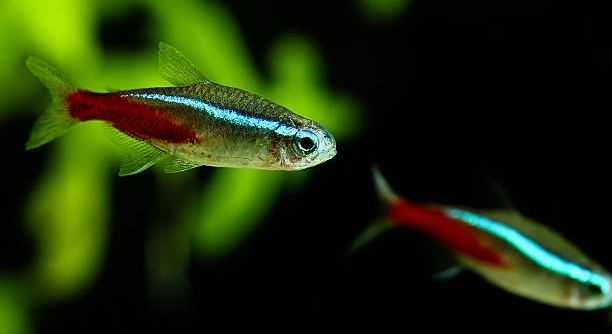
Neon Tetras are popular aquarium fish, known for their vibrant colors. Unfortunately, they are susceptible to a variety of health issues, including dropsy. Recognizing and addressing this condition early is key to ensuring their well-being.
Neon Tetra dropsy is a serious condition characterized by swelling of the abdomen and scales that appear raised. This could be due to infections, organ failure, or poor water quality. Immediate action is needed to treat the fish and improve its environment.
By following these seven essential steps, you can help your Neon Tetra recover and prevent further complications. These actions will also improve the overall health of your aquarium.
What Causes Neon Tetra Dropsy?
Neon Tetra dropsy often occurs due to a few different factors. The most common reasons are poor water conditions, bacterial infections, and stress. When water quality isn’t maintained properly, harmful bacteria can thrive, leading to illness in your fish. Dropsy is usually a sign that something is wrong inside the fish’s body. It’s crucial to regularly check your tank’s water parameters, such as pH, ammonia, nitrite, and nitrate levels. Stress can also be a factor, especially if the fish are overcrowded or exposed to sudden changes in the environment. Maintaining a stable tank setup can prevent these issues.
The key to preventing dropsy lies in good tank care. Keeping the water clean, maintaining the right temperature, and ensuring proper filtration are all essential steps. Additionally, fish that are stressed or weakened are more likely to fall ill, so it’s important to keep the environment as calm and stable as possible.
If you notice any signs of distress in your fish, immediately check the tank’s conditions. Early intervention can often prevent severe issues from developing.
Early Symptoms of Dropsy
Recognizing the early signs of dropsy can help prevent further damage. Watch for bloating, raised scales, or behavioral changes like lethargy.
Once you notice these symptoms, it’s important to act quickly. Isolating the affected fish in a quarantine tank can help prevent the spread of potential infections. Keep the water in the quarantine tank pristine by performing regular water changes. Dropsy causes swelling due to fluid retention, which is often the result of organ failure or bacterial infection. The fish may stop eating or seem less active. If untreated, it can lead to the fish’s death.
Immediate isolation helps to reduce stress and makes treatment easier. It’s also important to monitor the other fish closely for any signs of illness, as dropsy can be contagious. If other fish start showing symptoms, be ready to treat them promptly. This proactive approach can save the health of the entire tank.
How to Diagnose Neon Tetra Dropsy
To properly diagnose dropsy in Neon Tetras, observe your fish for signs of swelling and raised scales. It is often accompanied by lethargy, loss of appetite, and unusual swimming behavior. The belly may appear noticeably bloated. A proper diagnosis should also include a close inspection of water parameters and the tank’s environment.
A water test should be done to check for imbalances in ammonia, nitrate, and nitrite levels, as poor water quality often triggers dropsy. If the fish shows signs of infection, such as lesions or discoloration, it may point to bacterial involvement. A veterinarian or fish expert may be needed for more accurate diagnosis, especially if symptoms are severe or persistent. Early detection is crucial for effective treatment.
Be sure to monitor all your fish closely. Dropsy is sometimes contagious, so looking for signs of distress in other tank members will help identify the extent of the issue. If left unchecked, untreated dropsy can lead to further complications or spread throughout your tank.
How to Treat Neon Tetra Dropsy
The treatment of dropsy requires quick and careful action. Start by isolating the affected fish in a quarantine tank. This keeps the disease from spreading to other fish and makes it easier to monitor. Maintain pristine water conditions by performing regular water changes and checking the water’s pH and ammonia levels.
Use an antibacterial treatment if you suspect a bacterial infection. Dropsy often results from infections that need targeted antibiotics to heal. However, not all cases are bacterial; sometimes, dropsy is related to internal organ failure. In these cases, the prognosis is poor, and supportive care may help the fish fight the condition. Try using aquarium salt to help reduce swelling and promote better kidney function.
If the fish is not eating, consider offering medicated food or a special diet that encourages them to regain strength. Ensure that the water temperature is optimal, typically between 72-78°F (22-26°C), to help the fish recover.
Importance of Water Quality
Maintaining high water quality is key to preventing dropsy in Neon Tetras. Regular water changes and proper filtration will help keep harmful substances at bay. Test the water regularly to ensure the pH, ammonia, nitrate, and nitrite levels are within the recommended ranges for Neon Tetras.
High ammonia or nitrite levels can quickly lead to stress and weaken the fish, making them more susceptible to disease. A stable, clean environment helps boost your fish’s immune system, reducing the likelihood of dropsy and other infections. Make sure the water temperature remains consistent and within the ideal range to keep your fish healthy.
Keeping a healthy tank will not only prevent dropsy but also improve the overall well-being of your aquarium’s inhabitants. Pay attention to any water imbalances and act immediately to fix them.
When to Use Salt
Aquarium salt can help reduce swelling and improve kidney function in fish affected by dropsy. However, not all fish can tolerate salt, so it’s important to use it cautiously. Always follow instructions when adding salt to the water.
Adding salt to a quarantine tank can help alleviate the swelling caused by dropsy. It also promotes better electrolyte balance in the affected fish. Make sure the salt dissolves properly to avoid harming the fish or other tank inhabitants. Keep the water parameters stable to avoid any additional stress.
Quarantine Tank Setup
A quarantine tank should be set up with clean, dechlorinated water and proper filtration. Add an air pump or sponge filter for oxygenation. Make sure the water temperature matches that of the main tank to prevent temperature shock.
FAQ
What is Neon Tetra dropsy?
Neon Tetra dropsy is a condition that causes swelling in the fish’s body, making it look bloated. The scales may also appear raised, making the fish look like a pinecone. This condition can be caused by bacterial infections, poor water quality, or internal organ failure. It’s important to address dropsy early to improve the chances of recovery.
How can I prevent Neon Tetra dropsy?
Preventing dropsy starts with maintaining good water quality. Regular water changes, checking water parameters like ammonia, nitrite, and nitrate, and ensuring the temperature is stable can reduce the risk of dropsy. Avoid overcrowding the tank, and keep the environment calm to minimize stress on your fish. Healthy, well-maintained tanks go a long way in preventing illness.
Can dropsy be treated?
Yes, dropsy can be treated if detected early. The first step is to isolate the affected fish in a quarantine tank. Treatment may include using antibiotics if a bacterial infection is suspected or adding aquarium salt to reduce swelling. Ensuring the water quality is optimal and maintaining a stress-free environment also aid in the healing process. In severe cases, internal organ failure can make recovery difficult, but supportive care may still help.
How do I spot dropsy in my Neon Tetra?
Look for signs such as bloating, raised scales, and lethargy. Your Neon Tetra may swim unusually, or it may not eat at all. The belly will likely appear swollen, and the fish may have difficulty swimming properly. If you notice these symptoms, it’s important to act fast and separate the affected fish to prevent spreading the illness.
Can other fish in the tank catch dropsy?
Yes, dropsy can spread if it’s caused by a bacterial infection. If you notice one fish showing signs of dropsy, observe the rest of your tank for similar symptoms. Isolate the sick fish right away to prevent further infection. A good practice is to monitor the water quality, as poor water conditions can stress other fish and make them more susceptible to illness.
Is dropsy always caused by bacterial infection?
No, dropsy can have several causes. Bacterial infections are a common cause, but dropsy can also result from internal organ failure, parasites, or environmental factors like poor water quality. It’s crucial to observe all the symptoms carefully, as different causes will require different treatments.
Can I use aquarium salt to treat dropsy?
Yes, aquarium salt can help reduce swelling and support the fish’s kidneys during recovery. However, it should be used cautiously, as not all fish tolerate salt well. Use the recommended amount, and make sure the salt dissolves fully in the water. If you’re unsure, test on a smaller quantity of water before using it on the whole tank.
How often should I perform water changes to prevent dropsy?
Performing water changes regularly is important to maintain a healthy tank. At least a 25-30% water change once a week is recommended for most tanks. However, if you detect poor water quality or any signs of illness, you may need to increase water changes. Always monitor ammonia, nitrate, and nitrite levels to ensure your water quality is optimal.
What is the role of a quarantine tank in treating dropsy?
A quarantine tank allows you to isolate the affected fish from the rest of the aquarium, reducing stress and preventing the spread of disease. It’s easier to manage water quality and medication in a smaller tank. You can also monitor the fish’s recovery more closely without disturbing the main tank.
When should I consult a vet for my Neon Tetra?
If the fish shows severe symptoms or if the condition doesn’t improve after a few days of treatment, it’s a good idea to consult a vet. A professional can help identify the exact cause of the problem, whether it’s a bacterial infection, organ failure, or something else, and provide more precise treatment.
Can stress cause dropsy in Neon Tetras?
Yes, stress can weaken a fish’s immune system, making it more susceptible to dropsy and other illnesses. Stress may result from poor tank conditions, overcrowding, sudden temperature changes, or aggressive tank mates. Maintaining a peaceful and stable environment is key to preventing stress-related health issues in your Neon Tetras.
Is dropsy curable in Neon Tetras?
Dropsy is treatable if caught early, but the chances of recovery depend on the underlying cause. If bacterial infection is the culprit, antibiotics can help, but if internal organ failure is the cause, recovery can be difficult. Supporting the fish with proper water quality, diet, and medications can improve the odds, but dropsy’s prognosis varies depending on severity and cause.
How long does it take for a fish to recover from dropsy?
Recovery time can vary, but it typically takes a few weeks for a fish to show signs of improvement if treated early. Monitoring water quality and maintaining a stress-free environment will help speed up recovery. However, if the fish doesn’t improve within 1-2 weeks, it may not recover fully. Always be prepared for a longer recovery period depending on the severity.
Can dropsy affect other species of fish?
Yes, dropsy can affect other species of fish, not just Neon Tetras. The causes, symptoms, and treatments are similar across different species. However, different species may have varying tolerances for salt, medication, and environmental changes. Always research the specific needs of each species in your tank when treating any illness.
Final Thoughts
Neon Tetra dropsy can be a serious condition, but with early detection and proper treatment, it’s possible to help your fish recover. The key is to watch for signs like bloating and raised scales, and act quickly by isolating the affected fish in a quarantine tank. Keep the water quality in check and use appropriate treatments like antibiotics or aquarium salt to reduce swelling. Regular water changes and maintaining a stable environment are crucial for preventing dropsy from happening in the first place.
Prevention is always better than cure, so maintaining a clean, stable tank with healthy water parameters will greatly reduce the chances of dropsy and other illnesses. Stress is another factor that can make fish more vulnerable to disease, so it’s important to ensure the tank isn’t overcrowded, and that all fish are compatible with each other. Monitoring your fish regularly and ensuring they are eating well and behaving normally will help you spot potential problems early, making it easier to prevent serious health issues.
While dropsy can be difficult to treat in severe cases, it’s not always a death sentence for your Neon Tetras. With the right care, the affected fish may recover, but it’s important to stay patient and persistent. If the condition doesn’t improve, don’t hesitate to consult with a vet for further guidance. Dropsy can affect all kinds of fish, so understanding the signs and having a treatment plan in place will keep your aquarium thriving and help your fish live a healthy, happy life.

Hello,
If you enjoy the content that we create, please consider saying a "Thank You!" by leaving a tip.
Every little bit helps us continue crafting quality advice that supports the health, happiness, and well-being of pets around the world, for pets of all shapes, sizes, and species.
We really appreciate the kindness and support that you show us!