
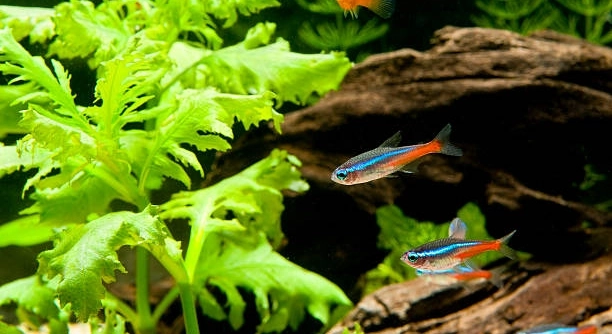
Neon tetras are popular and vibrant aquarium fish, but maintaining the right balance in their environment is crucial for their well-being. Overcrowding can lead to stress and health problems for your fish, making observation essential.
When neon tetras are overcrowded, they display signs of stress, such as increased aggression, hiding, and reduced activity. These behavioral changes can also be accompanied by poor water quality and health issues, which require immediate attention to ensure their well-being.
Recognizing these warning signs early will help keep your neon tetras happy and healthy in their aquatic home.
Warning Sign 1: Increased Aggression Among Neon Tetras
When your neon tetras are overcrowded, they may start to become more aggressive. Fish that are forced to compete for limited space or food often act out, nipping at each other or displaying territorial behavior. This aggression can disrupt the balance in your tank, leading to injury or stress among your fish. Keep an eye out for sudden bursts of hostility, especially during feeding times or when they are near certain spots in the aquarium.
Aggression can be a clear indication that the tank is too small or that there are simply too many fish. The constant stress from overcrowding can weaken your fish’s immune system, leaving them more vulnerable to diseases.
It’s important to monitor your fish’s behavior regularly, making adjustments to the tank’s environment as needed. If aggression increases, it may be time to consider rehoming some tetras or upgrading your tank size to ensure a peaceful environment for all your fish.
Warning Sign 2: Decreased Activity Levels
A decrease in activity levels is another warning sign that your neon tetras are overcrowded. When the tank is too small, the fish often have nowhere to swim freely, causing them to become more sedentary.
This lack of movement can lead to health problems like poor circulation and stress. As neon tetras are naturally active and enjoy exploring their environment, their decreased activity indicates that the tank environment is not suitable for their needs. A proper-sized tank with ample space allows them to swim freely and thrive.
If you notice your neon tetras hanging around one area of the tank or remaining near the bottom more often, it’s time to take action. Overcrowding is limiting their natural behaviors and could lead to more serious health issues.
Warning Sign 3: Hiding More Than Usual
Neon tetras tend to hide when they feel stressed. Overcrowding creates a chaotic environment, leaving the fish with fewer safe spaces to retreat. You might notice your tetras hiding behind plants, rocks, or other objects in the tank. They’re likely trying to escape the stress of their surroundings.
Fish that hide excessively may be showing signs of stress. In nature, neon tetras are accustomed to having open space and places to seek shelter when needed. An overcrowded tank limits this natural behavior, leaving them anxious. When hiding becomes constant, it’s a strong indicator that something in their environment isn’t right.
If you observe your neon tetras hiding for long periods, consider evaluating their living conditions. It’s crucial to address overcrowding quickly to prevent further stress. A larger tank or fewer fish could be the solution to reducing this behavior, allowing your tetras to feel secure again.
Warning Sign 4: Poor Water Quality
Overcrowded tanks often lead to poor water quality. When there are too many fish, waste accumulates faster than the filtration system can handle, causing the water to become dirty. This poor water quality can cause various health issues for your neon tetras, such as skin irritations or diseases.
Dirty water also causes stress, which can weaken the immune system of your fish. Neon tetras are particularly sensitive to changes in their environment, so a sudden drop in water quality can lead to more serious complications. Monitoring water parameters regularly—like ammonia, nitrite, and nitrate levels—is essential in keeping your fish healthy.
If you notice your neon tetras acting sluggish, scratching their bodies, or showing signs of illness, check the water immediately. Water changes and better filtration can help, but adjusting the fish population is the key to long-term improvement. Reducing overcrowding will help maintain cleaner water and improve the health of your fish.
Warning Sign 5: Loss of Color
When neon tetras are overcrowded, their vibrant colors may begin to fade. Stress from limited space and increased competition for resources can lead to a decrease in pigmentation. A healthy neon tetra displays bright, vivid colors. Fading is a sign that something in their environment is affecting their well-being.
The loss of color is a visual cue that your fish are not thriving. Neon tetras are naturally colorful, and any change in their appearance should be taken seriously. Faded or dull colors indicate stress, which can weaken the immune system and make the fish more susceptible to diseases.
Addressing overcrowding by reducing the number of fish or increasing tank size can help restore the vibrancy of your tetras. Once their environment is stabilized, their colors should gradually return to normal.
Warning Sign 6: Reduced Appetite
An overcrowded tank can lead to a decrease in the appetite of neon tetras. With limited space and constant stress, they may not feel comfortable eating. This behavior can cause your fish to lose weight and become malnourished over time.
If you notice that your tetras are refusing food, overcrowding could be the underlying cause. The stress from an overly populated tank may make your fish reluctant to approach the food, as they feel threatened or overwhelmed by the presence of other fish. It’s crucial to ensure that they have a peaceful environment to feed properly.
Ensuring adequate space and reducing the number of fish in the tank can encourage your tetras to eat regularly again. A proper balance will help your fish regain a healthy appetite and prevent malnutrition.
Warning Sign 7: Visible Signs of Injury
Overcrowding can lead to physical injuries among neon tetras. With so many fish in a small space, they may be more prone to bumping into objects or fighting with one another. This can result in scratches, fins being torn, or other injuries.
If your neon tetras are showing visible signs of injury, such as ripped fins or abrasions on their bodies, overcrowding could be a major factor. These injuries can become infected or cause stress, making it harder for the fish to recover. It’s essential to remove the root cause of overcrowding to prevent further harm.
FAQ
How many neon tetras can live in a 10-gallon tank?
In a 10-gallon tank, you can typically house around 6 to 8 neon tetras comfortably. This gives each fish enough space to swim freely and reduces the risk of overcrowding. However, this number can vary depending on the tank setup and filtration. Always ensure that the tank is properly filtered and has enough space for your fish to thrive.
Neon tetras are small fish, but they still require space to maintain their health and well-being. A crowded tank can increase stress levels, leading to various health problems. To avoid overcrowding, always monitor the tank’s population and the water’s quality regularly.
Can neon tetras live with other fish?
Yes, neon tetras can live with many other species of fish. They are peaceful and tend to get along well with other small, non-aggressive fish. It’s best to avoid keeping them with larger, more aggressive fish that might view them as food.
When selecting tankmates for your neon tetras, consider their temperament and size. Fish like guppies, corydoras catfish, and mollies make good companions for neon tetras. Keep in mind that overly aggressive or territorial fish can stress out your neon tetras, leading to health problems.
How often should I feed my neon tetras?
Neon tetras should be fed small amounts of food 2 to 3 times a day. It’s essential to avoid overfeeding, as uneaten food can degrade water quality. Overfeeding can lead to waste buildup, which may contribute to poor water conditions, stressing your tetras and other fish.
Feed your neon tetras only what they can consume in a few minutes to ensure that the food doesn’t sink and cause problems with the tank’s cleanliness. This helps maintain a balanced diet and a healthy environment for your fish.
What is the ideal water temperature for neon tetras?
Neon tetras thrive in water temperatures between 70°F and 81°F (21°C – 27°C). It’s important to keep the water temperature stable within this range to ensure that your tetras are comfortable and healthy. Sudden temperature changes can cause stress, affecting their immune system and overall health.
A consistent water temperature is critical for neon tetras. Using a reliable aquarium heater will help you maintain the ideal temperature, ensuring your fish are not exposed to temperature fluctuations that could stress them out.
How can I tell if my neon tetras are healthy?
Healthy neon tetras are active, swim in schools, and have bright, vivid colors. They should be feeding regularly and not hiding excessively. Their fins should be intact, and they should show no signs of injury or disease. Regular observation is key to spotting health issues early.
Neon tetras are known for their vibrant blue and red coloring, which should remain bright and consistent. A loss of color or visible signs of illness, such as lethargy or torn fins, may indicate health problems or poor water quality.
Why are my neon tetras swimming at the surface?
Neon tetras that swim at the surface may be struggling to breathe due to poor water quality or low oxygen levels. If your tank is overcrowded, there may not be enough oxygen for all the fish. Make sure your filtration system is working properly, and consider adding an air stone or surface agitation to improve oxygenation.
Consistently swimming at the surface could also be a sign of stress. If your neon tetras are acting unusually, check water parameters, including oxygen levels and ammonia, to make sure the environment is suitable for them.
Do neon tetras need a filter?
Yes, neon tetras need a filter to maintain clean water. A filter helps remove waste, toxins, and uneaten food, keeping the water quality in check. Poor water quality can lead to health problems, so it’s important to choose a filter that’s suitable for your tank size and the number of fish you have.
A filter helps to create a stable and healthy environment for your neon tetras. It’s essential to clean and maintain the filter regularly to ensure that it is working efficiently and keeping the tank’s water clean.
How can I prevent neon tetra diseases?
To prevent neon tetra diseases, maintaining excellent water quality is crucial. Keep the tank clean, perform regular water changes, and ensure the filtration system is working properly. Avoid overcrowding, as stress can make your tetras more susceptible to diseases.
Regularly observe your tetras for any changes in behavior or appearance. If you notice signs of illness, such as faded colors or unusual swimming patterns, take immediate action by testing the water and considering isolation or treatment for the affected fish.
Can neon tetras live without a heater?
While neon tetras can survive in cooler water, they prefer warm water temperatures between 70°F and 81°F. Without a heater, it may be challenging to maintain the ideal water temperature, especially in colder climates. A heater ensures that your tetras remain in a stable, comfortable environment.
If your tank is in a warm room, a heater may not be necessary, but it’s important to monitor the temperature regularly. Consistent temperature is vital to the health of your neon tetras, and a heater will help maintain this stability.
How can I stop my neon tetras from jumping out of the tank?
Neon tetras are not known for jumping, but if they feel stressed, they may attempt to escape. To prevent this, make sure the tank has a lid or cover to keep them from leaping out. Maintaining a calm, secure environment reduces stress and minimizes the likelihood of jumping.
Ensure that the water conditions are optimal and the tank is not overcrowded. A secure, well-maintained tank environment will reduce the chances of your neon tetras attempting to jump out.
Final Thoughts
Overcrowding in a tank can significantly affect the health and well-being of your neon tetras. These small fish thrive in a peaceful and spacious environment, where they can swim freely and interact naturally with other fish. When there are too many fish in the tank, it creates stress, which can lead to a number of health problems such as faded colors, reduced appetite, and even injuries. It’s important to regularly monitor the size of your fish population and ensure your tank has enough space to support them.
If you notice any of the warning signs of overcrowding, such as behavioral changes or physical symptoms, it’s crucial to take action right away. Reducing the number of fish in the tank or increasing the tank size can help restore a healthier environment for your neon tetras. Providing adequate filtration, maintaining proper water quality, and keeping a steady water temperature also play key roles in reducing stress and preventing overcrowding-related issues.
Taking the time to care for your neon tetras by ensuring they have enough space and proper living conditions will help them thrive. A well-maintained tank will not only enhance their vibrant colors but also keep them active and healthy for a long time. By being aware of the signs of overcrowding and acting quickly, you can create a better environment for your fish and enjoy their beauty and lively nature. Keeping an eye on their health and tank conditions will ensure your neon tetras live a happy, healthy life.

Hello,
If you enjoy the content that we create, please consider saying a "Thank You!" by leaving a tip.
Every little bit helps us continue crafting quality advice that supports the health, happiness, and well-being of pets around the world, for pets of all shapes, sizes, and species.
We really appreciate the kindness and support that you show us!