
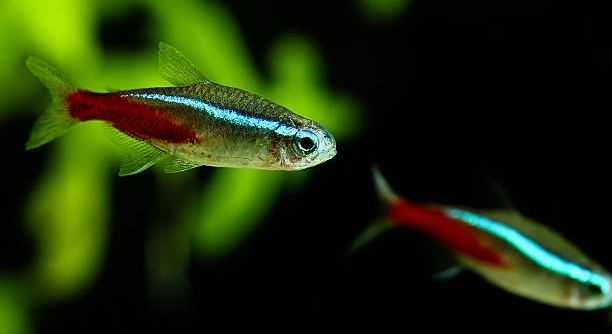
Neon Tetras are popular aquarium fish that are easy to care for, but it’s important to make sure their tank isn’t overcrowded. Overcrowding can stress the fish and lead to health issues.
A crowded tank can cause poor water quality, stress, and illness in Neon Tetras. Signs of overcrowding include increased aggression, reduced swimming space, and frequent illnesses. Keeping an eye on these factors ensures your fish remain healthy and happy.
Knowing the signs of overcrowding early can help you keep your Neon Tetras safe and comfortable. With a little attention, your fish can thrive in a well-maintained tank.
Reduced Swimming Space
When a tank becomes too crowded, Neon Tetras struggle to find enough space to swim freely. These fish are naturally active and love to explore their environment. In a cramped tank, they may start swimming in tight circles or staying in one area for long periods. This can lead to stress and a decrease in their overall well-being. As a general rule, you should aim for about one inch of fish per gallon of water. Overcrowding will reduce the water’s oxygen level, making it harder for your Tetras to breathe. Without proper space, they may also have difficulty avoiding other fish, leading to constant competition and tension.
Tank size is crucial for keeping Neon Tetras happy and healthy. Be mindful of the number of fish you add and their adult size.
To prevent overcrowding, regularly monitor the number of fish in your tank and adjust accordingly. If you notice that the fish seem stressed or have limited space to move, it’s a sign to either reduce the number of fish or upgrade to a larger tank.
Aggression and Stress
A crowded tank can cause aggression among Neon Tetras. They may become territorial or chase each other more often. The lack of space can result in fish fighting for dominance or food. This constant stress can affect their immune systems, making them more susceptible to illnesses. Fish that are stressed are less likely to thrive and can show signs like faded colors, erratic swimming, and reduced appetite.
Neon Tetras are peaceful fish by nature, but overcrowding can alter their behavior. When they are forced into close proximity, they may not be able to avoid confrontation.
If you’re seeing more fighting or changes in behavior, it’s a good idea to check the tank’s capacity. Stress leads to weakened immune systems, which could make your Neon Tetras more prone to sickness. Ensuring enough space, hiding spots, and food for each fish will help minimize stress. Keep an eye on their interactions, and consider removing any aggressive fish if necessary.
Poor Water Quality
Overcrowding in a Neon Tetra tank leads to poor water quality. More fish produce more waste, which can overwhelm the filtration system. This can cause high ammonia, nitrites, and nitrates, which are harmful to the fish. Poor water quality is often the first sign that a tank is overcrowded. The fish may show signs of distress like gasping at the surface or abnormal swimming patterns.
Regular water changes and proper filtration are key to maintaining water quality. If your tank is overcrowded, it becomes much harder to maintain clean water, even with frequent maintenance. High levels of toxins in the water can quickly lead to illness.
When the water quality drops, your Neon Tetras may become sluggish, their colors may fade, or they might start showing signs of disease. To prevent these issues, ensure that you have a reliable filtration system that matches your tank size. It’s also important to test the water regularly to catch imbalances early. Overcrowding worsens the situation, so reducing the number of fish can help keep the water quality stable.
Frequent Illnesses
A crowded tank increases the risk of frequent illnesses among Neon Tetras. With limited space and poor water quality, fish are more likely to contract diseases like ich or fungal infections. Overcrowding can weaken their immune system, making it harder for them to fight off illnesses. It’s important to monitor your fish closely for any signs of disease, like white spots or abnormal swimming.
The close quarters in an overcrowded tank facilitate the spread of diseases. When fish are stressed and immune systems are compromised, infections can spread faster, affecting the entire tank. Regular observation helps you catch early signs of illness.
Treating diseases in a crowded tank is much harder because multiple fish may be affected at once. This could lead to an increase in the use of medications, which could affect the water quality further. Managing the tank’s capacity will help reduce the risk of illness, allowing for healthier fish. Regular quarantine procedures can also help to prevent introducing new diseases to your tank.
Reduced Growth
Overcrowding can stunt the growth of your Neon Tetras. With limited space and resources, these fish struggle to grow to their full potential. They may remain smaller than usual and not reach their adult size. This is a clear sign that the tank is too crowded.
When space is limited, fish compete for food and oxygen, which can affect their overall growth. Overcrowded tanks also lead to increased stress, which further stunts growth. Proper nutrition and a stress-free environment are essential for healthy fish development.
Lack of Hiding Spots
In a crowded tank, Neon Tetras may not have enough hiding spots. These fish enjoy places to retreat to when they feel threatened or stressed. Without sufficient hiding spots, they may become even more stressed or aggressive. Having places to hide is important for their mental well-being.
When there aren’t enough hiding spaces, Neon Tetras can become more vulnerable to aggression from other fish. Offering caves, plants, or other decorations will help reduce stress. It gives them a safe space to rest, which is necessary for their health and happiness.
FAQ
What is the ideal tank size for Neon Tetras?
The ideal tank size for Neon Tetras is at least 10 gallons for a small school of 6-8 fish. This provides enough swimming space and helps maintain water quality. If you have more fish, you should increase the tank size accordingly. A general rule is to allow one inch of fish per gallon of water. It’s important to remember that Tetras are active swimmers and require adequate space to thrive. A larger tank helps in maintaining better water conditions, reducing the risk of overcrowding. The bigger the tank, the easier it is to manage water parameters and fish behavior.
How many Neon Tetras can I keep in a 20-gallon tank?
In a 20-gallon tank, you can comfortably keep around 12-15 Neon Tetras. This allows for enough space for the fish to swim and minimizes the risk of overcrowding. Tetras are schooling fish, and they do best when kept in groups. However, it’s essential to remember that the more fish you add, the more waste will be produced. This can lead to poor water quality if not managed properly. A good filtration system and regular water changes are crucial when you have a higher number of fish. Keep the tank clean to ensure the health of your Neon Tetras.
Can I keep other fish with Neon Tetras?
Yes, Neon Tetras are peaceful fish and generally get along well with other non-aggressive species. Some good tank mates include other small, peaceful fish like Corydoras catfish, guppies, or even small shrimp. It’s essential to avoid aggressive fish that might stress out your Tetras or outcompete them for food. Larger fish can also pose a threat, as they might view the Tetras as food. When selecting tank mates, ensure that they have similar water temperature and pH requirements to avoid stress and health issues. It’s always a good idea to do research on each species to ensure compatibility.
How can I tell if my Neon Tetras are stressed?
Stressed Neon Tetras may display several signs, such as erratic swimming, fading colors, or hiding more often than usual. They might also lose their appetite or swim in circles. Stress can also lead to health problems, including a weakened immune system, making them more prone to disease. Factors like poor water quality, overcrowding, and aggression from other fish can cause stress. If you notice any of these symptoms, it’s important to check the tank conditions and make necessary adjustments. A stressed fish can quickly become ill, so addressing the issue early is key.
Do Neon Tetras need a filter?
Yes, Neon Tetras do need a filter in their tank. A good filtration system helps maintain water quality by removing waste, toxins, and excess food. This is especially important when there are multiple fish in a tank, as the waste buildup can lead to harmful ammonia spikes. Neon Tetras are sensitive to poor water conditions, and a filter helps keep the environment stable for them. It’s also important to clean the filter regularly to ensure it’s functioning properly. A filter also helps maintain the oxygen levels in the tank, which is essential for your fish’s health.
How often should I change the water in my Neon Tetra tank?
Water changes should be done regularly to maintain the health of your Neon Tetras. A 25-30% water change every week is recommended. This helps keep toxins like ammonia and nitrites at safe levels. If you have a heavily stocked tank or if you notice poor water quality, you may need to do more frequent changes. It’s also important to monitor the water parameters, such as pH, temperature, and hardness, to make sure they stay within the suitable range for Neon Tetras. Consistent water changes are essential for preventing disease and keeping the fish healthy.
Why are my Neon Tetras’ colors fading?
Faded colors in Neon Tetras are often a sign of stress or poor water quality. If your tank is overcrowded, or if the water is polluted, the fish may become stressed, causing their vibrant colors to dull. Stress can also result from aggression from other fish or lack of proper food. Poor diet and a lack of proper nutrition can also lead to faded colors. If you notice your Tetras losing their color, check the water parameters and make sure they are within the ideal range. Improving their environment and diet should help restore their colors over time.
Can Neon Tetras live without a heater?
Neon Tetras are tropical fish that thrive in water temperatures between 72°F and 78°F (22°C-26°C). Without a heater, it can be difficult to maintain a stable temperature in the tank, especially in colder climates. If the water temperature drops too low, it can stress the fish and lower their immune response, making them more susceptible to illness. A heater ensures that the tank stays within the ideal temperature range, which is crucial for the health and well-being of your Neon Tetras. If you live in a place with fluctuating temperatures, a heater is a must.
What type of substrate is best for a Neon Tetra tank?
Neon Tetras don’t have specific substrate requirements, but they do prefer soft, fine gravel or sand. A fine substrate helps keep the water cleaner and doesn’t damage their delicate fins. Avoid sharp gravel that can harm their bodies or fins. You can also add plants, as they enjoy swimming around them, but make sure the substrate is easy to clean to avoid waste buildup. When setting up a tank for Neon Tetras, consider using live plants to offer more hiding spots and a natural environment, which will reduce stress and provide them with a more comfortable habitat.
How do I breed Neon Tetras in my tank?
Breeding Neon Tetras can be a bit tricky, but it’s possible with the right conditions. First, you’ll need a separate breeding tank with slightly acidic water (pH 5.5-6.5) and a temperature around 75°F (24°C). Make sure to include fine-leaved plants or a spawning mat where the eggs can fall and not be eaten. To encourage breeding, introduce a group of healthy Neon Tetras, and they will likely start spawning during early morning hours. After spawning, remove the adults, as they will eat the eggs. The eggs typically hatch within 24-36 hours, and the fry will need fine foods like infusoria or baby brine shrimp.
Final Thoughts
Overcrowding in a Neon Tetra tank can lead to a number of issues that affect the health and well-being of your fish. Neon Tetras are small, peaceful fish that require adequate space to thrive. When their tank becomes too crowded, it puts extra strain on the water quality, which can lead to harmful conditions like high ammonia levels. Stress from limited space and competition for food can cause your fish to become more aggressive, which is not ideal for their peaceful nature. In the worst cases, overcrowding can shorten the lifespan of your fish and lead to frequent illnesses. Therefore, it’s essential to pay attention to the number of fish you have and the size of your tank to prevent these problems from arising.
Maintaining a balanced environment for your Neon Tetras involves regular monitoring of water parameters and providing a suitable habitat. A tank that’s too small or has too many fish can make it difficult to maintain clean water, which can then affect the fish’s health. With proper care, regular water changes, and a suitable filtration system, you can prevent overcrowding issues and help your fish stay healthy. Choosing the right tank size and adding fish gradually can also ensure that your aquarium remains stable and safe for your Neon Tetras. The general guideline is to allow one inch of fish per gallon of water, but keep in mind that some fish may need more space as they grow.
By being mindful of these factors, you can create a peaceful and thriving environment for your Neon Tetras. Overcrowding is easily avoidable with careful planning and regular maintenance. The health of your fish should always be a priority, and ensuring they have enough space to swim, feed, and thrive will keep them happy and vibrant. Remember that Neon Tetras are social fish, but they also need their own space to feel secure. A well-balanced tank not only promotes the well-being of your fish but also makes for a more enjoyable aquarium experience overall.

Hello,
If you enjoy the content that we create, please consider saying a "Thank You!" by leaving a tip.
Every little bit helps us continue crafting quality advice that supports the health, happiness, and well-being of pets around the world, for pets of all shapes, sizes, and species.
We really appreciate the kindness and support that you show us!