
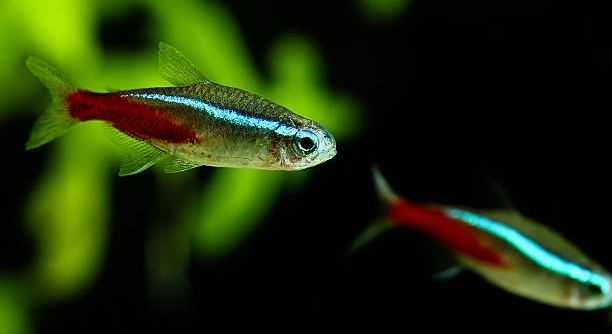
Neon Tetras are popular aquarium fish known for their bright colors. However, if they start swimming upside down, it can be concerning. Understanding the potential causes can help you restore their health and happiness in your aquarium.
Several factors can cause Neon Tetras to swim upside down, including poor water quality, disease, or stress. Inadequate tank conditions such as improper temperature or oxygen levels can also contribute to this abnormal behavior.
Identifying the root cause is essential to ensuring your Neon Tetra thrives. This article will guide you through the possible explanations and solutions for this issue.
Poor Water Quality
One of the most common reasons your Neon Tetra might swim upside down is poor water quality. Neon Tetras are particularly sensitive to their environment, and a sudden change in water conditions can cause them to behave abnormally. High levels of ammonia, nitrites, or nitrates, often a result of poor filtration or overfeeding, can stress your fish. Additionally, fluctuations in pH or temperature can disrupt their natural behavior. Ensuring your tank is properly maintained with regular water changes and monitoring water parameters can help prevent this issue.
Water quality directly impacts the health of your fish. Neon Tetras require clean, stable water to thrive. Regular water testing is key to identifying any imbalances early on.
If your Neon Tetra is swimming upside down due to water quality issues, immediately address the problem. Use a water conditioner, adjust the tank’s filtration, and check that the temperature stays between 70-81°F. This should help return your fish to normal behavior.
Stress from Tank Mates
Stress from other tank mates can also lead to your Neon Tetra swimming upside down. Neon Tetras are peaceful fish and can become overwhelmed by aggressive or larger species. Territorial disputes or sudden movements can cause them stress. If they are constantly harassed or chased, their behavior may shift, leading them to swim erratically or upside down.
When choosing tank mates, make sure they are compatible. Consider adding other peaceful fish and avoid overly aggressive species.
Provide hiding places and plenty of plants for your Neon Tetra to feel safe. Reducing stress in the tank by keeping the environment calm can help restore their normal swimming behavior.
Improper Tank Temperature
Neon Tetras require stable water temperatures between 70-81°F. If the water is too cold or too hot, it can stress your fish and cause them to swim upside down. Temperatures outside of this range can cause discomfort and disrupt their normal swimming patterns.
Using a reliable aquarium heater helps maintain the temperature within the ideal range. Make sure the heater is properly calibrated, and check it regularly. If your tank is located in a drafty area or near a heater vent, consider moving it to a more stable location.
Neon Tetras are sensitive to rapid temperature changes. If the tank is too warm or cold, adjust the heater gradually, allowing the fish to acclimate. Sudden shifts in temperature can be harmful to their overall health.
Swim Bladder Issues
Swim bladder disease is another possible reason your Neon Tetra is swimming upside down. This condition affects the fish’s buoyancy control, making it difficult for them to maintain a normal swimming position. It can be caused by overfeeding, poor water quality, or injury.
To help treat swim bladder issues, first check your tank’s water quality and ensure it is within the appropriate range. If overfeeding is the cause, reduce the amount of food you give your fish. Feeding small portions multiple times a day is recommended to prevent digestion problems.
In some cases, a salt bath or fasting your Neon Tetra for a couple of days may help. If the condition persists, consult an aquarium specialist for additional treatment options.
Overfeeding
Overfeeding your Neon Tetra can lead to digestive issues, causing it to swim upside down. Excess food in the tank can decompose, affecting water quality, and lead to bloating or constipation in the fish.
To avoid this, feed your fish small amounts of food once or twice a day. Only offer as much as they can eat in a few minutes. Excess food should be removed after feeding.
Poor Tank Maintenance
Inadequate tank maintenance, including insufficient filtration and dirty substrate, can lead to poor water conditions. When water quality is compromised, it can cause stress and lead to abnormal swimming behaviors, like upside-down swimming.
Ensure regular cleaning of your tank. This includes vacuuming the substrate, changing 20-30% of the water weekly, and cleaning the filter. Keeping your tank clean helps maintain a healthy environment for your Neon Tetra.
Injuries or Infections
Physical injury or infection can also cause your Neon Tetra to swim upside down. If your fish has been hurt by aggressive tank mates or is suffering from a bacterial or fungal infection, it may exhibit abnormal swimming patterns.
Check your fish for any visible signs of injury or infection, such as lesions, red spots, or swelling. If you notice any of these, treat the affected fish with appropriate medication or quarantine it until fully healed.
FAQ
Why is my Neon Tetra swimming upside down?
There are several potential reasons why your Neon Tetra might be swimming upside down. Poor water quality, incorrect temperature, swim bladder issues, overfeeding, and even stress from other tank mates can cause this behavior. It’s essential to check the tank conditions and fish health to determine the underlying cause.
How do I fix poor water quality in my tank?
To improve water quality, test the water regularly for ammonia, nitrites, and nitrates. Perform weekly water changes of 20-30% to maintain a clean environment. Clean the tank’s filter, remove any debris from the substrate, and avoid overfeeding to prevent waste buildup.
What is swim bladder disease and how can I treat it?
Swim bladder disease affects a fish’s buoyancy, causing it to swim upside down or struggle with movement. It can be caused by overfeeding, poor water conditions, or injury. To treat it, ensure proper water quality, stop feeding for a few days, and consider adding aquarium salt to help with the condition.
Can my Neon Tetra recover from swimming upside down?
Yes, your Neon Tetra can recover if the underlying cause is addressed. If it’s related to poor water quality, water changes and proper filtration can help. For swim bladder disease, adjusting the diet and adding salt may help. Proper care and treatment will improve your fish’s chances of recovery.
How can I prevent my Neon Tetra from getting stressed?
Stress in Neon Tetras can be reduced by maintaining proper tank conditions and ensuring compatible tank mates. Avoid adding aggressive fish and provide plenty of hiding spots. Consistent water quality, appropriate tank temperature, and proper feeding can all contribute to reducing stress levels.
Why is my Neon Tetra not eating?
Loss of appetite can be caused by poor water quality, stress, or illness. Ensure that the water parameters are stable and that your fish is not being bullied by other tank mates. Offering high-quality food and maintaining a clean tank may encourage your fish to eat.
How often should I feed my Neon Tetra?
Feed your Neon Tetra once or twice a day, offering only as much as they can eat in a few minutes. Overfeeding can lead to water quality issues, so always remove any uneaten food after feeding. Small, frequent feedings help maintain a healthy diet for your fish.
Can poor tank mates cause my Neon Tetra to swim upside down?
Yes, aggressive tank mates can stress out your Neon Tetra and cause it to swim erratically. Avoid keeping Neon Tetras with larger or more aggressive fish, as they can intimidate and bully smaller species. Choose peaceful and small fish that won’t harm or chase your Tetras.
Is it safe to treat Neon Tetra for swim bladder disease with salt?
Yes, aquarium salt can be used to help with swim bladder disease. It can improve electrolyte balance and help reduce stress. However, it should be used in moderation, and the fish should be monitored closely. If symptoms persist, seek further treatment advice from an aquarium professional.
How can I check if my Neon Tetra has swim bladder disease?
Signs of swim bladder disease include difficulty swimming, floating upside down, or remaining at the surface or bottom of the tank. If you notice these symptoms, inspect the fish for other signs such as bloating or external injuries. Improving water quality and adjusting the diet may help.
What is the ideal tank temperature for Neon Tetras?
Neon Tetras thrive in temperatures between 70-81°F (21-27°C). Keeping the water temperature stable is crucial, as fluctuations can stress your fish. Use a reliable aquarium heater and a thermometer to ensure the tank stays within the ideal range for your Tetras.
Can I prevent my Neon Tetra from getting swim bladder disease?
Preventing swim bladder disease involves maintaining optimal water conditions, feeding the right amount of food, and avoiding overfeeding. Ensure your fish are not exposed to drastic changes in water temperature or poor tank conditions. A balanced diet with occasional fasting can also help maintain digestive health.
How can I improve the tank conditions for my Neon Tetra?
To improve tank conditions, ensure proper filtration, regular water changes, and monitor temperature and pH levels. Clean the substrate and remove any waste regularly. Keep the water temperature stable between 70-81°F and make sure there is enough oxygen in the water for your fish.
Can I treat my Neon Tetra’s upside-down swimming behavior naturally?
Yes, natural remedies include improving water quality, ensuring a balanced diet, and reducing stress factors in the tank. Providing hiding spots and stable environmental conditions can help your fish recover. Avoid using harsh chemicals unless necessary, as they can harm your fish in the long run.
What should I do if my Neon Tetra’s behavior doesn’t improve?
If your Neon Tetra’s behavior doesn’t improve despite changes in water conditions and diet, it may be worth consulting with an aquarium specialist. They can provide additional advice or treatment for swim bladder issues or other health problems that may be affecting your fish.
Final Thoughts
Understanding why your Neon Tetra may be swimming upside down is important for maintaining its health and well-being. Various factors can contribute to this behavior, such as poor water quality, swim bladder disease, overfeeding, and tank temperature issues. Ensuring the tank environment is stable and clean can help prevent many of these problems. It is also crucial to monitor the fish’s health regularly to catch any issues early before they worsen.
While some of these causes are easy to address, others might require a more careful approach. For example, swim bladder disease can be treated by adjusting feeding habits or adding aquarium salt, but in more severe cases, additional treatments may be necessary. If your fish shows signs of injury or infection, addressing it promptly will improve its chances of recovery. Taking proactive steps to maintain your tank and provide the right care can reduce stress and prevent your Neon Tetra from swimming upside down in the future.
Keeping your Neon Tetra in a healthy and stable environment requires ongoing attention and care. Regular water testing, maintaining appropriate temperature ranges, and providing a balanced diet will go a long way in keeping your fish happy. If you notice any unusual swimming behaviors or signs of illness, it’s important to investigate further and make adjustments as needed. By ensuring proper care and monitoring their health, you can enjoy the vibrant colors and peaceful presence of your Neon Tetra for a long time.

Hello,
If you enjoy the content that we create, please consider saying a "Thank You!" by leaving a tip.
Every little bit helps us continue crafting quality advice that supports the health, happiness, and well-being of pets around the world, for pets of all shapes, sizes, and species.
We really appreciate the kindness and support that you show us!