
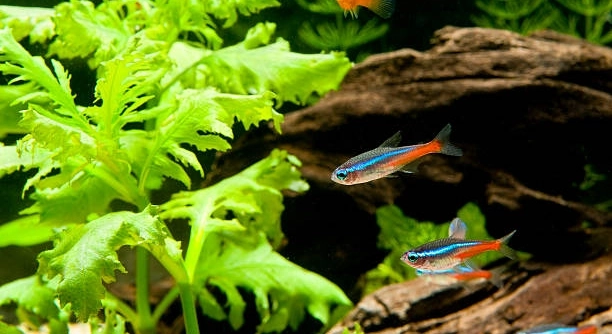
Neon tetras are vibrant and popular aquarium fish, but when they start hiding frequently, it can be worrying for their owners. Understanding why they may behave this way is key to addressing their needs effectively.
Neon tetras hide most often due to stress factors such as poor water conditions, aggressive tank mates, or improper lighting. Ensuring a peaceful, suitable environment can help reduce their hiding behavior and allow them to thrive.
There are several reasons your neon tetras may be hiding, but with a few adjustments, you can help create a healthier and more comfortable environment for them to enjoy.
Stress from Aggressive Tank Mates
Neon tetras are peaceful fish and can easily become stressed if housed with aggressive tank mates. Larger fish, particularly those that are more territorial, might chase or nip at the tetras. This leads them to seek shelter, often hiding in plants or corners of the tank. Over time, constant stress can affect their health.
When setting up a tank for neon tetras, it’s important to choose compatible fish. Species like guppies, Corydoras catfish, or other small, peaceful fish tend to be good tank mates. Ensuring there is enough space for all the fish to swim freely helps prevent territorial issues and keeps your tetras calm.
Adding hiding places like plants, caves, or driftwood can also reduce stress for neon tetras. These structures give them a safe space to retreat when they feel threatened. By carefully selecting peaceful tank mates and creating a balanced environment, you’ll encourage your tetras to feel more at ease and less likely to hide.
Water Quality and Temperature
Water conditions play a huge role in how neon tetras behave. They thrive in clean, slightly acidic water.
Neon tetras are sensitive to fluctuations in water quality. Maintaining a stable temperature, clean water, and the right pH level will help keep them comfortable and reduce hiding. Poor water quality can stress them out quickly, causing them to seek cover.
Inadequate Tank Size
Neon tetras need enough space to swim and explore. If your tank is too small, they may feel cramped and stressed, leading them to hide. A tank that is at least 10 gallons can accommodate a small group of tetras, allowing them to move around more freely.
A small tank often results in poor water circulation and filtration, which can also contribute to stress. This can cause your neon tetras to retreat and stay hidden more often. Adding more space not only helps improve water quality but also creates a more comfortable environment for them to thrive.
To prevent this, always make sure your tank is spacious enough for your fish. A larger tank gives tetras the room they need to swim in groups, reducing their hiding behavior. Adding more decorations, plants, or hiding spots also encourages natural behaviors and reduces stress.
Lighting Issues
Improper lighting can affect neon tetras’ comfort in the tank. Too bright or too dim lighting may make them feel exposed or uncomfortable, encouraging them to hide. It’s essential to find a balance.
Neon tetras are sensitive to light levels. If the tank is too bright, it can cause them to feel unsafe and retreat to darker areas. On the other hand, too little light may make them sluggish or disoriented. A good option is to use soft, natural-looking lighting that mimics the conditions of their natural habitat.
Make sure to adjust the lighting according to the time of day to create a natural day-night cycle. This will help keep your tetras comfortable and reduce hiding behavior. Consider using a timer for consistent lighting patterns, which is less stressful for them in the long run.
Poor Diet
Neon tetras may hide if they’re not getting the proper nutrition. A lack of variety in their diet can lead to health issues and stress. A well-balanced diet with high-quality flakes, pellets, and occasional live food helps keep them healthy and active.
Offering food that mimics their natural diet, like tiny shrimp or daphnia, will encourage natural hunting and exploration behavior. A proper feeding schedule is also important to ensure they’re eating enough. Overfeeding can cause water quality issues, which might further stress your fish and lead to hiding.
Tank Maintenance
Regular tank maintenance is essential for the health of your neon tetras. Cleaning the tank and changing the water regularly will help maintain proper water conditions and prevent stress.
A well-maintained tank ensures the water stays clean, and your tetras feel safe in their environment. Dirty water can cause a build-up of toxins, leading to poor health and increased hiding behavior.
Illness or Injury
When neon tetras are sick or injured, they often retreat to hidden spots. This behavior is a natural way for them to protect themselves from potential predators. Signs of illness include faded colors, unusual swimming patterns, or lack of appetite.
If you notice any of these symptoms, check water parameters and ensure that there is no visible injury. In some cases, the introduction of new, sick fish could be the cause. Treating the illness quickly will help your tetras recover and feel comfortable enough to come out of hiding.
FAQ
Why are my neon tetras always hiding?
Neon tetras may hide for several reasons, including stress from poor water conditions, incompatible tank mates, or unsuitable lighting. These small fish can also become anxious if there isn’t enough space in the tank or if the environment feels unsafe. Ensuring stable water quality, appropriate lighting, and peaceful tank mates will help your neon tetras feel more comfortable and reduce hiding behavior.
Can neon tetras recover from hiding for long periods?
Yes, neon tetras can recover from hiding as long as the underlying issues are addressed. If they’re hiding due to stress, illness, or poor water quality, improving these conditions will help them return to normal behavior. Be patient and monitor their health regularly to ensure they don’t remain in hiding for too long.
What tank size is best for neon tetras?
A minimum of a 10-gallon tank is ideal for neon tetras. This gives them enough space to swim and feel secure. A larger tank will also help improve water circulation and reduce stress, ensuring your fish have a more comfortable environment. For a group of neon tetras, the bigger the tank, the better.
How often should I change the water in my neon tetra tank?
Water changes are crucial for maintaining good water quality. You should change 20-30% of the water every 1-2 weeks. If you have more fish or a smaller tank, you might need to change the water more frequently. Regular water changes prevent the build-up of toxins, which could be causing your tetras to hide.
Do neon tetras like plants in their tank?
Yes, neon tetras love plants in their tank. Plants provide hiding spots, making your fish feel secure and comfortable. They also mimic the tetras’ natural habitat, where they typically live in well-planted, slower-moving waters. Be sure to include both floating and rooted plants to give them more places to explore and hide.
Can I put neon tetras with other fish?
Neon tetras are peaceful and do well with other calm, non-aggressive fish. They can live with species like guppies, Corydoras catfish, and small rasboras. Avoid housing them with larger, more aggressive fish that may intimidate or bully them. Keeping a peaceful community will reduce stress and prevent hiding.
What should I feed my neon tetras?
Neon tetras are omnivores and require a balanced diet to thrive. A mix of high-quality flakes or pellets designed for small fish is suitable. You can supplement their diet with live or frozen foods like daphnia, brine shrimp, or bloodworms. Feed them small amounts 1-2 times a day to prevent overfeeding.
How do I know if my neon tetras are stressed?
Stressed neon tetras may show signs like hiding, faded colors, erratic swimming, or a lack of appetite. Stress can also cause them to stay near the tank bottom or in corners. Monitoring their behavior and adjusting the tank environment, such as improving water quality or adding hiding spots, can help reduce stress.
Can water temperature affect neon tetras’ behavior?
Yes, water temperature can significantly impact neon tetras. They prefer a temperature range between 72°F and 78°F (22°C-26°C). If the water is too cold or too hot, your tetras may become stressed, lethargic, or more likely to hide. It’s important to keep the temperature stable to prevent health issues and keep them active.
Why do my neon tetras swim in one corner of the tank?
If your neon tetras are swimming in one corner, it could indicate stress, discomfort, or poor water quality. Check the water parameters to ensure they are within the right range. You may also want to add more hiding spots or rearrange decorations to make them feel more secure. Overcrowding or aggressive tank mates can also lead to this behavior.
What is the lifespan of a neon tetra?
Neon tetras typically live for about 5 to 10 years in a well-maintained tank. The lifespan can vary depending on the quality of water, tank conditions, and diet. Providing stable water conditions and a nutritious diet will help your neon tetras live a longer, healthier life.
Can neon tetras be kept in a tank with a filter?
Yes, neon tetras can be kept in tanks with filters, but the filter should not create strong currents. They prefer calm waters, so a filter with adjustable flow or a sponge filter is ideal. Make sure to clean the filter regularly to maintain water quality without disturbing your tetras.
Are neon tetras good for beginners?
Neon tetras are generally a good choice for beginners because they are small, peaceful, and relatively easy to care for. However, it’s important to keep the water conditions stable and provide a suitable environment. If you’re new to fishkeeping, you should research proper tank setup and care to ensure your tetras thrive.
Why do my neon tetras lose their color?
Loss of color in neon tetras is often a sign of stress, poor water conditions, or illness. Changes in the tank, like aggressive tank mates or improper lighting, can also cause this. To restore their color, improve their environment, ensure a balanced diet, and check for any signs of disease.
Can neon tetras tolerate low light conditions?
While neon tetras can tolerate low light conditions, they thrive in moderate lighting that mimics their natural habitat. Too much light can stress them, while too little can cause them to become sluggish. Aim for soft, natural lighting to make your tetras feel comfortable and reduce hiding behavior.
Final Thoughts
Neon tetras are beautiful and peaceful fish that can make a great addition to your aquarium. However, if you notice them hiding more often, it’s important to consider various factors that could be causing stress or discomfort. These small fish are sensitive to changes in their environment, including water quality, lighting, tank mates, and overall tank size. By identifying the root causes of their behavior, you can make the necessary adjustments to help them feel more comfortable and reduce their tendency to hide.
Maintaining good water quality is one of the most crucial aspects of keeping neon tetras healthy and active. Regular water changes, keeping the temperature stable, and monitoring the pH levels will ensure that your tetras thrive. It’s also important to provide enough space for them to swim freely. A small or overcrowded tank can make them feel confined, which may result in more hiding. Along with a suitable tank size, make sure to offer hiding spots and plants where they can retreat if needed. This will give them a sense of security and help them feel less stressed.
In addition to proper tank conditions, choosing compatible tank mates is key to minimizing stress. Neon tetras are gentle and can easily become intimidated by more aggressive fish. Keeping them with peaceful species will allow them to feel safe and reduce the need to hide. Offering a varied diet is also important, as it helps keep them healthy and active. By addressing these factors, you can create an environment where your neon tetras will be more comfortable and less likely to hide. With time and care, you’ll be able to enjoy these vibrant fish as they swim confidently in their tank.

Hello,
If you enjoy the content that we create, please consider saying a "Thank You!" by leaving a tip.
Every little bit helps us continue crafting quality advice that supports the health, happiness, and well-being of pets around the world, for pets of all shapes, sizes, and species.
We really appreciate the kindness and support that you show us!