
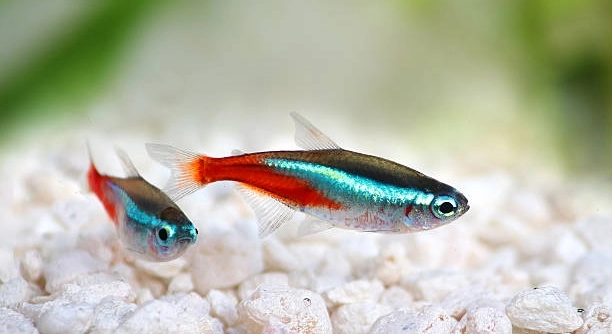
Neon tetras are a popular choice for many aquarium enthusiasts. Their vibrant colors and calm nature make them fascinating to watch. However, their behavior may change when the aquarium lights are altered, which can be puzzling to their owners.
Neon tetras are sensitive to changes in light intensity and duration. Sudden shifts in lighting can disrupt their natural rhythms, leading to stress or altered behaviors. Proper lighting should mimic natural conditions to maintain their health and activity levels.
Learning how to adjust the lighting can improve your tetras’ well-being. Exploring the best lighting practices ensures a peaceful aquarium environment for your fish.
Understanding Neon Tetras and Light Sensitivity
Neon tetras are small, colorful fish that thrive in aquariums with stable conditions. Their sensitive nature makes them particularly vulnerable to changes in their environment. One of the most significant changes that can affect them is the lighting. Tetras are naturally accustomed to soft, consistent light that mimics their habitats in the wild. Fluctuations in light intensity or duration can cause them to feel stressed, leading to changes in their behavior. They may become more reclusive, swim erratically, or even lose their vibrant color. These shifts in behavior are often noticeable when the aquarium lighting is altered suddenly, either by increasing or decreasing the light levels.
The lighting in your aquarium should match the natural cycles of day and night. Try to keep the light on for about 8 to 12 hours per day, with gradual transitions at the start and end of each cycle. This approach can help reduce stress for your tetras.
To provide a comfortable and healthy environment for your neon tetras, consider using lighting that mimics their natural surroundings. Dim, subdued lighting promotes a sense of calm. Excessively bright lights can lead to stress, making them less active or even more prone to illness. A lighting system with adjustable intensity may be helpful in creating a gradual change throughout the day.
Adjusting Light for Healthy Behavior
Changing the light setup can impact the tetras’ natural behavior. It’s important to maintain a light schedule that mimics their natural habitat, ensuring they stay active and healthy. Regular lighting adjustments can help maintain their well-being.
One way to avoid negative impacts is to use a timer for your lights. This ensures consistent light and dark periods, preventing sudden changes that can cause stress. Keeping the lighting cycle predictable helps your fish feel safe and relaxed.
Light Intensity and Neon Tetra Behavior
Bright lights can overwhelm neon tetras, especially if they are used to softer lighting. Excessive brightness may cause them to hide or swim in a more erratic manner. These fish prefer subdued lighting that mimics the soft light filtering through plants and water in their natural environment.
If your neon tetras are behaving oddly, try dimming the lights or providing shaded areas with plants. This will create a more comfortable environment, reducing their stress. Consider using LED lights with adjustable brightness to control the light levels based on your fish’s needs.
Maintaining proper light intensity can also improve the overall health of your tetras. A calm, stable lighting environment encourages normal feeding and social behaviors. It’s best to keep the light intensity low during the night and gradually increase it during the day to match the natural progression of daylight. Avoid abrupt changes in light intensity, as they can stress your fish and cause behavioral changes.
Light Duration and Neon Tetra Health
Changing the duration of light exposure can affect the tetras’ biological clock. Too much light can disrupt their resting patterns, while too little light can lead to poor health and a lack of activity. It’s important to keep the light cycle balanced to maintain their natural rhythms.
Neon tetras thrive when the lighting duration reflects the natural day-night cycle. Aim for about 8 to 12 hours of light each day. This mimics the natural environment where they receive consistent daylight. Adjusting the light timing can help stabilize their behavior, keeping them active during daylight hours and allowing them to rest at night.
Types of Aquarium Lights for Neon Tetras
LED lights are a popular choice for neon tetras. They provide adjustable light levels and are energy-efficient. These lights can simulate natural light conditions, which helps reduce stress. They are easy to set up and maintain, making them ideal for most aquariums.
Fluorescent lighting can also work well for neon tetras. They are softer than LEDs and can be used to mimic the gentle light of dawn and dusk. While they may not be as energy-efficient as LEDs, they still provide the necessary conditions for a healthy tank. You can find fluorescent lights designed specifically for aquariums, ensuring that your tetras receive the best lighting.
Aquarium Decorations to Help with Light Diffusion
Adding plants, driftwood, or rocks to the aquarium can help diffuse light. This creates shaded areas where neon tetras can retreat if they find the lighting too intense. By giving them hiding spots, you help them feel safe and secure, reducing stress.
These decorations not only improve lighting conditions but also add a natural touch to your aquarium. Live plants like Java moss or Anubias work well for light diffusion while enhancing the tank’s aesthetic. Providing a mix of plant types and decorations can encourage natural behavior, such as schooling and foraging.
Lighting Schedules for Neon Tetras
Set a consistent lighting schedule for your tetras. Use a timer to control the light cycle and avoid abrupt changes. This will keep the fish on a regular rhythm, mimicking the natural day-night cycle and reducing stress on their internal clock.
FAQ
Why do my neon tetras hide when I change the lights?
Neon tetras are sensitive to light changes. When you alter the lighting, they may feel threatened or stressed, causing them to hide. They are accustomed to consistent lighting that mimics their natural habitat. Sudden changes disrupt their comfort and can make them seek shelter. To prevent this, try to make lighting adjustments gradually, allowing your tetras time to adapt.
Can neon tetras get stressed from bright lights?
Yes, neon tetras can become stressed by bright lights. They are naturally accustomed to soft, dim lighting, which helps them feel safe and secure. Intense, direct light can cause them to become anxious, swim erratically, or hide. To avoid this, use lighting that replicates the natural conditions they are used to, keeping it low to moderate in intensity.
How long should I keep the lights on for neon tetras?
Neon tetras need a light cycle that reflects their natural environment. Aim for about 8 to 12 hours of light per day. This range mimics daylight hours, allowing your tetras to have time to rest during the night. Using a timer to regulate light timing ensures consistency and prevents abrupt changes that could stress your fish.
Do neon tetras need darkness at night?
Yes, neon tetras need complete darkness during the night. Darkness is essential for their rest and natural rhythms. Without it, their biological clock can be disrupted, leading to stress and poor health. Make sure to turn off the aquarium lights during the night to allow your fish to rest.
What kind of lighting is best for neon tetras?
LED lighting is the best option for neon tetras. It offers adjustable light intensity, energy efficiency, and long-lasting performance. You can control the brightness to suit your fish’s needs, and many LED systems mimic the natural light conditions of their environment. Fluorescent lighting is another option, providing softer light, but LED lights are more efficient overall.
Can I use a light timer for my aquarium?
Using a light timer is a great idea for keeping your neon tetras’ lighting schedule consistent. Timers help regulate the on-and-off periods for your aquarium light, ensuring your tetras get a steady light cycle. This removes the guesswork and prevents accidental long periods of light exposure that can stress your fish.
How do I know if the light is too bright for my neon tetras?
If the light is too bright, your neon tetras may display signs of stress, such as hiding, erratic swimming, or losing their vibrant color. They may avoid swimming in well-lit areas or stay at the bottom of the tank. If you notice these behaviors, try reducing the light intensity or using a timer to keep the light on for a shorter period.
Can changes in lighting affect neon tetras’ health?
Yes, changes in lighting can impact the health of neon tetras. Sudden shifts in light intensity or duration can cause stress, leading to reduced activity, poor feeding habits, or even illness. Consistent, gentle lighting helps maintain their health. It’s important to gradually adjust the lighting to avoid disruptions to their natural rhythms.
Should I use aquarium plants to help with lighting?
Aquarium plants can help diffuse light, creating shaded areas where your neon tetras can rest if they find the lighting too intense. Live plants, such as Java moss or Anubias, help soften the light and provide natural hiding spots for your fish. Plants also enhance the overall environment, making it more comfortable for your tetras.
Do neon tetras need specific types of light for color enhancement?
Neon tetras’ colors are influenced by the quality and intensity of light. A well-balanced light that mimics natural conditions can help maintain their bright, vibrant colors. However, overly bright or harsh light may cause them to lose their vibrant hues. Providing moderate lighting with the right color temperature can help enhance their natural beauty.
Is it okay to use colored lights for neon tetras?
Colored lights, such as blue or red, can enhance the appearance of neon tetras, but they may also disrupt their natural behavior if used excessively. It’s best to use colored lighting sparingly and ensure that it doesn’t cause stress. Make sure to provide periods of normal lighting so your tetras can rest properly.
Can I use a dimmer to adjust the light for my neon tetras?
A dimmer can be a useful tool to adjust the light intensity in your aquarium. Neon tetras prefer low to moderate light levels, so using a dimmer allows you to control the brightness to suit their needs. A gradual change in light intensity can help prevent stress and keep your tetras comfortable.
How can I make my neon tetras more comfortable with lighting changes?
To make neon tetras more comfortable with lighting changes, avoid abrupt adjustments. Gradually increase or decrease the light intensity over several days to allow your tetras to acclimate. Providing hiding spots with plants or decorations can also help your fish feel more secure when changes occur.
Can neon tetras adapt to aquarium lighting over time?
Yes, neon tetras can adapt to aquarium lighting over time. If you establish a consistent lighting schedule and use moderate lighting, they will become accustomed to their environment. The key is to avoid sudden or extreme lighting changes, which can cause stress and disrupt their natural behaviors.
What happens if I leave the aquarium lights on too long?
Leaving the aquarium lights on too long can cause stress and disrupt the natural sleep cycle of your neon tetras. They may become agitated, swim aimlessly, or hide more frequently. Overexposure to light can also contribute to algae growth in the tank. It’s important to limit the light to about 8 to 12 hours a day.
Are there specific light colors that neon tetras prefer?
Neon tetras prefer lighting that mimics natural sunlight. A full-spectrum light that provides both blue and white light is ideal. This type of light helps highlight their vibrant colors while providing the appropriate intensity. Avoid using overly intense or colored lights that might cause stress.
Can I adjust the lighting to help neon tetras breed?
Yes, adjusting the lighting can help create an environment conducive to breeding. A consistent light cycle, with around 8 to 12 hours of light per day, mimics the natural day-night rhythm that neon tetras prefer. Providing dim, soft lighting in the breeding area can encourage natural behavior and increase the chances of successful breeding.
Final Thoughts
Lighting plays a crucial role in the well-being of neon tetras. These small, vibrant fish are sensitive to changes in light, and improper lighting can cause them stress, which may lead to a decrease in their overall health. It is essential to provide a consistent lighting schedule that mimics the natural day and night cycle. Using energy-efficient LED lights or soft fluorescent lighting can help maintain the correct light intensity. By paying attention to the quality and duration of the light, you ensure that your neon tetras feel secure and comfortable in their environment.
A well-lit aquarium not only benefits your fish but also enhances the overall appearance of the tank. Proper lighting brings out the bright colors of the tetras and creates a more natural and pleasant viewing experience. However, too much light can lead to algae growth and cause your tetras to become stressed. It is important to find a balance that supports both the fish’s needs and the health of the aquarium. Providing areas of shade with plants or decorations allows your tetras to seek refuge when needed, which can further reduce stress.
By carefully monitoring your neon tetras’ response to light and adjusting their environment accordingly, you can help them thrive. Remember that every aquarium is unique, and the needs of your fish may vary. It is essential to stay observant and make adjustments as necessary. With the right lighting setup, your neon tetras will be able to live in a comfortable and healthy environment, displaying their beautiful colors and engaging in their natural behaviors.

Hello,
If you enjoy the content that we create, please consider saying a "Thank You!" by leaving a tip.
Every little bit helps us continue crafting quality advice that supports the health, happiness, and well-being of pets around the world, for pets of all shapes, sizes, and species.
We really appreciate the kindness and support that you show us!