
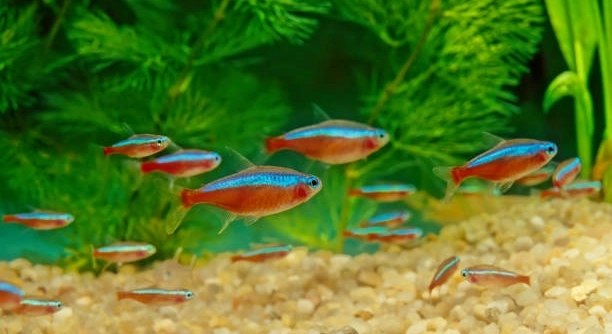
Are your neon tetra swimming strangely or hiding more than usual after adding new fish to their tank? Changes like this can be confusing, especially when everything seemed fine before introducing new tankmates.
Neon tetra often act differently after new fish are added due to stress, territorial disruption, illness transmission, or changes in water conditions. These shifts can impact their behavior, making them more reclusive, aggressive, or less active than usual.
Understanding these causes will help you create a safer, more stable tank where your neon tetra feel calm and comfortable.
Stress from Sudden Changes in Environment
When new fish are added to a tank, it often causes sudden shifts in the environment. Neon tetra are sensitive to these changes. They might respond with strange behavior like erratic swimming, hiding, or even chasing others. Even small changes in temperature, lighting, or territory can lead to noticeable stress. Their comfort zone is specific, and when that gets disrupted, it affects their reactions. Adding new fish means more activity, different swimming patterns, and potential competition. This is enough to make neon tetra feel uneasy. They may become less social or retreat to the corners of the tank. These changes are their way of coping with a situation they find unpredictable or overwhelming.
This reaction is common and usually temporary. Most tetra return to normal after a few days.
Keeping the lights dim and avoiding unnecessary tank rearrangements can help them feel secure again. Give them a little time and space.
Aggression or Territorial Behavior from New Fish
Some fish are naturally more dominant or territorial, and their behavior can intimidate smaller, peaceful fish like neon tetra.
Aggressive tankmates can create tension in the tank. Neon tetra may start avoiding certain areas or hiding more often. You might notice them darting away or sticking close to each other near plants or corners. In some cases, the new fish may be nipping at them, especially if they are active swimmers or naturally inquisitive. The stress caused by this constant pressure can lead to weakened immune systems and changes in appetite or activity. Even fish that aren’t traditionally aggressive can cause discomfort if they swim quickly or claim large areas of the tank as their own. If the tetra feel they have no safe space, they will remain anxious. To help, rearrange decorations to break line of sight and create more hiding spots. This can give your neon tetra a sense of control and reduce their need to retreat all the time.
Illness Introduced by New Tankmates
New fish can carry bacteria or parasites that don’t always show symptoms right away. If your neon tetra start acting strangely, illness could be spreading in the tank. Early signs include clamped fins, loss of color, or lethargy.
Quarantining new fish before adding them to the main tank is important, but sometimes even careful owners skip this step. Once introduced, unseen illnesses can stress your neon tetra and cause sudden behavioral changes. They may swim differently, eat less, or isolate themselves. Illness also lowers their immune defenses, making them more vulnerable to other conditions. Watch for cloudy eyes, bloating, or white spots—these can signal infections like ich or fin rot. If symptoms appear, it’s best to isolate affected fish and treat the tank quickly with the appropriate medication. Keep the water clean and avoid overfeeding during treatment, as this can worsen the situation and delay recovery.
It’s also possible that your new fish introduced something mild that doesn’t affect them but impacts your tetra more severely. Neon tetra are delicate and react more strongly to infections than heartier species. Even stress from illness in the tank can make them act off. When this happens, your tetra might seem shy, restless, or less coordinated in their swimming. This behavior should not be ignored. If left untreated, these problems can spread or become worse. Regular observation, gentle care, and a clean tank environment can help them recover and return to their usual habits. Testing water and tracking symptoms can also make a difference in quick identification and action.
Change in Water Parameters
Adding new fish can slightly shift water parameters, even if everything looks fine at first. More fish mean more waste, which can quickly raise ammonia or nitrate levels. Neon tetra are sensitive and may react right away to these changes.
Test the water if your tetra start acting off. Ammonia spikes, pH shifts, or changes in hardness can all cause stress. Keep up with water changes and don’t overfeed, especially after adding new fish. A reliable filter and routine testing can prevent bigger issues down the line.
Disruption of Established Social Order
Neon tetra are schooling fish with a clear pecking order. Introducing new fish can disturb this balance, especially if the tank is already at capacity or the new arrivals are active swimmers. This disruption may cause the tetra to regroup, behave erratically, or become less active overall. It’s not just about territory—it’s also about their natural rhythm and comfort. A change in social structure may seem subtle, but it’s enough to stress them out. Providing enough space and keeping their group size stable helps keep them calm and prevents social stress from becoming a long-term issue.
Lack of Hiding Spaces
Too many new fish can reduce hiding spots, leaving neon tetra exposed. They may become jumpy or withdrawn if they can’t find shelter. Adding plants, caves, or decorations can quickly improve their comfort and help them feel safe again.
FAQ
Why are my neon tetra hiding after adding new fish?
Neon tetra are small and relatively shy fish. When new tankmates are introduced, the changes in activity, size, or even water conditions can stress them out. They may feel the need to hide as a defense mechanism until they adjust to the new environment. It’s not uncommon for them to stay out of sight for a few days or even weeks, depending on how disruptive the introduction of new fish was.
Should I remove new fish if my neon tetra are acting weird?
Not necessarily. If your neon tetra are acting off but not showing signs of illness, you might just need to give them time to adjust. However, if you notice visible signs of illness in either the neon tetra or the new fish, separating the affected ones into quarantine tanks might help stop the problem from spreading. Always monitor the water conditions and behavior closely.
Can neon tetra get along with other fish?
Neon tetra generally do well with peaceful, small fish. They are community-oriented and prefer to school with others of their kind. Avoid adding large or aggressive fish that may intimidate them. Fish that are too aggressive or territorial can cause stress, disrupting their behavior. It’s important to ensure the new fish are also calm and won’t compete for the same resources, like space or food.
How long does it take for neon tetra to adjust to new tankmates?
The adjustment period for neon tetra can vary. It usually takes a few days to a week, but it can take longer, depending on the individual fish and how stressful the change is. If your tetra are still stressed after several weeks, you may need to look into other factors like water quality or tank setup.
Do neon tetra need to be in groups?
Yes, neon tetra are schooling fish and prefer to be in groups of at least six. A larger school helps them feel secure and reduces stress. Without a school, they can become anxious and may exhibit unusual behavior like hiding or aggression. If your tetra are acting oddly, consider adding more to the group if possible.
Can changes in tank lighting affect neon tetra behavior?
Yes, lighting plays a significant role in the behavior of neon tetra. These fish prefer subdued lighting and may become stressed under bright or harsh lights. Adding dimmer lighting or providing hiding spots where they can escape the light can help them feel more secure. Sudden changes in light can also stress them, so it’s best to avoid abrupt changes in lighting intensity or duration.
What should I do if my neon tetra stop eating after adding new fish?
If your neon tetra stop eating, stress is likely the cause. This could be from changes in their environment, such as the introduction of new fish, water parameters shifting, or competition for food. Check the water quality to ensure it’s safe, and avoid overfeeding the tank. You might also want to separate the fish during feeding times to reduce competition. If the behavior persists, it could be an indication of illness.
Can neon tetra become aggressive towards other fish?
Neon tetra are usually peaceful, but they can become more defensive if they feel threatened. This can happen when larger or more aggressive fish are added to the tank, disrupting their sense of security. They may nip at other fish or become skittish, hiding more often. If this happens, ensure the tank has plenty of hiding spots and rearrange decorations to break line of sight.
How can I reduce stress in my neon tetra?
To reduce stress, maintain stable water conditions, ensure they have plenty of hiding spaces, and avoid overcrowding. Provide gentle water flow, as neon tetra prefer calm waters. Keep the tank well-maintained with regular water changes and avoid making sudden changes in the environment, such as introducing too many fish at once or altering the lighting drastically.
What are the signs that my neon tetra are stressed?
Signs of stress in neon tetra include hiding more than usual, erratic swimming, reduced appetite, and fading color. They may also appear more reclusive or lethargic. Stress can also cause fin clamping, where the fins stay close to the body instead of being spread out. If you notice these signs, take action by checking the water quality and making sure the environment is comfortable.
Can new fish affect water parameters and cause issues for neon tetra?
Yes, adding new fish can disrupt water parameters. Fish waste, uneaten food, and changes in bio-load can increase ammonia, nitrite, or nitrate levels. Neon tetra are sensitive to these changes and may react with unusual behavior, stress, or illness. It’s important to monitor water quality regularly, especially after introducing new tankmates, and perform water changes as necessary.
Final Thoughts
Introducing new fish to an established tank can be a bit of a balancing act, especially when it comes to species like neon tetra. These small, delicate fish are sensitive to changes in their environment, and even small adjustments, such as adding new tankmates, can cause them to act differently. It’s important to consider all factors, from water quality to the social structure in the tank, to ensure a smooth transition for both the new and existing fish. Understanding what could cause your neon tetra to behave differently helps in addressing the issue promptly and effectively.
If you notice your neon tetra acting strange after adding new fish, it’s crucial to investigate several possible causes. Illness, stress from social disruptions, and changes in water parameters are some of the most common reasons. These stressors can cause neon tetra to hide more, eat less, or swim erratically. Keeping an eye on water quality, ensuring the tank is not overcrowded, and offering hiding spots can help minimize stress. Additionally, quarantining new fish before introducing them to the main tank can prevent the spread of diseases, protecting both the new and existing fish.
Patience is key when it comes to restoring balance in your tank. Neon tetra may take some time to adjust, especially if they are shy or easily stressed. In many cases, the behavior may settle on its own as the fish acclimate to their new environment. However, if symptoms persist, it’s important to take action. Whether it’s testing the water, adjusting the tank setup, or providing extra care, staying attentive to their needs will help keep your neon tetra healthy and happy in the long run.

Hello,
If you enjoy the content that we create, please consider saying a "Thank You!" by leaving a tip.
Every little bit helps us continue crafting quality advice that supports the health, happiness, and well-being of pets around the world, for pets of all shapes, sizes, and species.
We really appreciate the kindness and support that you show us!