
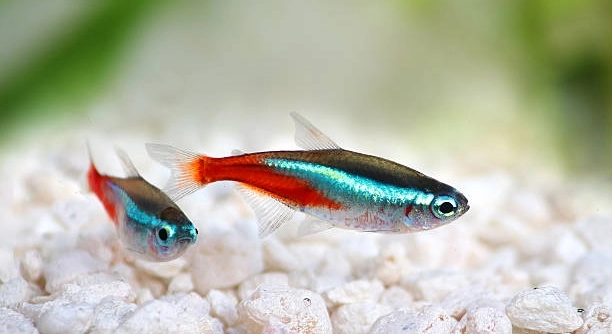
Are your neon tetras not looking as lively and colorful as they used to? You might be missing a few simple care steps.
The most effective ways to improve a neon tetra’s immune system include providing a clean tank, maintaining stable water parameters, offering a varied and nutritious diet, reducing stress, and ensuring proper tank mates and habitat.
Understanding these key elements can help you create a healthier home for your neon tetras and support their long-term well-being.
Keep the Water Clean and Stable
Maintaining clean and stable water is one of the most important parts of keeping neon tetras healthy. Dirty or unbalanced water can stress their immune system and make them more prone to illness. Use a good quality filter, test the water weekly, and do partial water changes regularly. Ammonia and nitrite levels should always be at zero, and nitrate should be kept low. The pH should remain between 6.0 and 7.0. Sudden changes in water temperature or chemistry can weaken a tetra’s immune system quickly. Try to keep the tank temperature steady between 72°F and 78°F. A consistent environment helps their bodies stay strong and adjust easily. Cleaning the tank and changing about 25% of the water each week can make a big difference. The healthier the water, the less stress your tetras will feel, and the stronger their immune system will become over time.
Good water quality can prevent common illnesses like fin rot and ich, which often develop in poor conditions.
Creating a regular routine for water testing and cleaning can give your neon tetras a better chance at long-term health. Even small improvements in water quality can reduce stress and support a stronger immune system in these small, sensitive fish.
Offer a Balanced and Varied Diet
Feeding your neon tetras the same food every day may not give them all the nutrients they need to stay healthy.
A good diet plays a major role in boosting a neon tetra’s immune system. Start with a high-quality flake or micro pellet made specifically for small tropical fish. These contain basic nutrients they need daily. To improve their health further, add variety a few times a week. This can include freeze-dried bloodworms, daphnia, or brine shrimp. These treats provide proteins and nutrients that may not be found in their regular food. Live or frozen options are also great and stimulate their natural feeding behavior. A mix of plant- and animal-based foods supports their digestion and keeps their system balanced. Avoid overfeeding. Feed only what they can finish in about two minutes. Uneaten food quickly pollutes the water, which can lead to stress and illness. Feed small portions twice a day and watch how they respond. A balanced diet not only supports immunity but also enhances their colors and energy levels.
Reduce Stress in Their Environment
Neon tetras are sensitive to changes in their surroundings. Too much noise, sudden movements, or frequent tank disruptions can cause stress. Stress weakens their immune system and makes them more vulnerable to disease, even when water and food conditions are good.
Tank mates play a big role in their comfort. Avoid pairing neon tetras with aggressive or fast-swimming fish that may chase or nip at them. Keep them in groups of at least six to help reduce anxiety, as they are schooling fish by nature. Avoid tapping on the glass or rearranging their tank too often. Keep lighting consistent and not too harsh. Hiding places like plants, caves, or decorations also help them feel secure. If they’re constantly startled or forced to hide, their stress levels go up and their immune system suffers. A calm, stable tank gives them the peace they need to stay strong and active.
Tank maintenance should be predictable and gentle. Use slow movements when cleaning, and avoid drastic changes during water changes. Even small environmental stressors can build up over time, leading to issues like fin damage, dull color, or lack of appetite. A peaceful environment is key to keeping their immune systems supported.
Maintain Proper Tank Size and Setup
A cramped or poorly set-up tank can increase stress and lower your neon tetras’ immunity. These fish need space to swim and areas to hide. A tank that’s too small limits their movement and creates unstable water conditions.
The ideal tank size for a small school of neon tetras (six or more) is at least 10 gallons. This gives them enough room to swim comfortably and allows for better water quality control. Decorations like live or silk plants, caves, or driftwood help mimic their natural environment and provide hiding spots. Avoid sharp objects that could tear their fins. Keep the tank in a quiet location with minimal foot traffic. Use a gentle filter that won’t create strong currents, as neon tetras prefer calm water. A well-thought-out tank setup supports their physical and mental health, keeping their immune system strong. It also encourages more natural behavior and brighter coloring.
Quarantine New Fish Before Adding Them
New fish can carry bacteria or parasites that spread quickly in a tank. Quarantining them in a separate tank for at least two weeks can prevent illness and protect the health of your neon tetras.
Watch the new fish closely during this time. Look for signs like white spots, torn fins, or odd behavior. Treat any issues before moving them to the main tank.
Keep a Consistent Lighting Schedule
Lighting affects neon tetras’ stress levels and overall rhythm. Use a timer to give them about 10–12 hours of light each day, followed by darkness. Inconsistent lighting can confuse their internal clock and lower their immune response. Avoid placing the tank near windows where sunlight changes throughout the day.
Avoid Overcrowding the Tank
Too many fish in one tank causes poor water quality and increases competition for food. This creates stress and weakens immune systems. Stick to the recommended number of fish per gallon and avoid impulse additions. A balanced tank gives each fish enough space to swim and thrive.
FAQ
What are the best water parameters for neon tetras?
Neon tetras thrive in water with a pH between 6.0 and 7.0. The temperature should stay between 72°F and 78°F, and the hardness should be between 1–10 dGH. Ammonia and nitrite levels must always be at zero, and nitrate should be kept below 20 ppm. Regular water testing is key to maintaining a healthy environment for your fish.
How often should I feed neon tetras?
Feed neon tetras twice a day, offering only what they can consume in about two minutes. Overfeeding can lead to poor water quality, so be sure to remove any leftover food. Providing a variety of foods, such as flakes, pellets, and occasional live or frozen treats, can help keep their immune system strong.
Can neon tetras live with other fish?
Yes, neon tetras are peaceful and social fish, making them good tank mates for other calm species. Avoid aggressive or large fish that may harass them. Ideal tank mates include other small, peaceful species like guppies, mollies, or Corydoras catfish. Always ensure the tank is big enough for all the fish to live comfortably.
Do neon tetras need a school?
Yes, neon tetras are schooling fish and do best when kept in groups of at least six. Keeping them in a school helps reduce stress, as they feel safer when surrounded by others. A school also brings out their natural behaviors and enhances their color.
What is the best way to reduce stress in neon tetras?
Reducing stress involves maintaining a stable environment. Keep the water clean, ensure the temperature is stable, and avoid sudden changes. Use gentle filtration, and avoid overcrowding the tank. Providing hiding spots with plants or decorations can also help. Avoid aggressive tank mates, as these can increase stress levels in neon tetras.
Can neon tetras get sick easily?
Neon tetras are more prone to illness than other fish due to their small size and sensitivity to water conditions. Poor water quality, sudden temperature changes, and stress can weaken their immune system, making them more susceptible to diseases like Ich or fin rot. Regular water changes and keeping the tank clean can help prevent these issues.
How can I tell if my neon tetra is sick?
Signs of illness in neon tetras include a loss of color, abnormal swimming behavior, fin damage, or the presence of white spots on their body. They may also stop eating or appear lethargic. If you notice any of these symptoms, isolate the sick fish and treat the tank immediately. Regular observation and early detection can prevent the spread of disease.
What should I do if my neon tetra is injured?
If a neon tetra gets injured, such as from bullying or an accident, separate it from the main tank to give it time to heal. Provide clean water, maintain stable temperatures, and minimize stress. Adding aquarium salt in the water can sometimes help with healing, but make sure to research the correct dosage for your tank.
Can I add salt to the tank for neon tetras?
While aquarium salt can be beneficial for treating certain conditions, it’s not generally recommended for neon tetras as they come from soft, freshwater environments. Salt can irritate their delicate systems. Use salt only if your fish are suffering from a specific illness and after researching the proper amount to avoid harm.
Why are my neon tetras losing color?
Neon tetras can lose color due to stress, poor water conditions, or an inadequate diet. If your tetras aren’t eating properly or the water quality is poor, it can cause them to lose their vibrant blue and red hues. Ensuring good water parameters, a varied diet, and a stable environment should help restore their color.
Can I use chemical treatments to improve neon tetra health?
Chemical treatments should only be used when necessary and with caution. For instance, medicated food or water treatments can help with specific diseases like parasites or bacterial infections, but overuse can harm the fish or the environment. Always follow the manufacturer’s instructions and only treat the tank if you’ve identified the specific issue.
How do I prevent neon tetra diseases?
The best way to prevent diseases in neon tetras is by maintaining excellent water quality and avoiding stress. Quarantine new fish before introducing them to the tank, provide a varied and balanced diet, and ensure the tank is not overcrowded. Regularly check for signs of illness and remove sick fish quickly to prevent the spread of disease.
Can neon tetras live in a tank with live plants?
Yes, neon tetras thrive in tanks with live plants. In fact, live plants provide hiding spots, reduce stress, and improve water quality by absorbing nitrates. Plants like Java moss, Amazon swords, and Anubias are perfect for a neon tetra tank, as they are easy to care for and offer shelter for the fish.
What is the lifespan of a neon tetra?
On average, neon tetras live for 5 to 10 years when provided with proper care. Factors such as water quality, diet, tank size, and stress levels can all influence their lifespan. Keeping your tetras in a stable environment and monitoring their health regularly will give them the best chance for a long life.
Should I use a filter in a neon tetra tank?
Yes, a filter is essential for maintaining clean water in a neon tetra tank. A filter removes debris, excess food, and waste, which helps prevent harmful toxins from building up. Be sure to choose a filter that provides gentle water flow, as neon tetras prefer calmer water. Regular maintenance of the filter is also important to keep the water quality optimal.
How do I encourage neon tetras to breed?
Neon tetras can breed in well-maintained tanks with optimal water conditions. To encourage breeding, keep the water slightly cooler (around 72°F) and provide plenty of plants or other hiding spaces. They may spawn early in the morning, so having a separate breeding tank can help protect the eggs from being eaten by other fish. Keep the tank clean and monitor the water parameters closely for best results.
Final Thoughts
Caring for neon tetras involves more than just feeding them and keeping the tank clean. To improve their immune system and overall health, it’s important to pay attention to several key factors. Clean, stable water conditions are vital to their well-being, as poor water quality can weaken their immune system and make them more susceptible to diseases. Regular water changes, proper filtration, and monitoring water parameters such as pH, ammonia, and nitrate levels are essential. Maintaining the right temperature and ensuring there are no sudden changes in the environment will help keep your tetras healthy for longer.
Another major factor in promoting a healthy immune system for neon tetras is reducing stress. These fish are naturally sensitive and can easily become stressed by environmental changes, aggressive tank mates, or overcrowding. Creating a peaceful and stable tank environment is crucial. This includes choosing the right tank mates, providing plenty of hiding spaces, and avoiding abrupt movements around the tank. A consistent lighting schedule and a quiet location for the tank can also help minimize stress, leading to a stronger immune system and happier fish.
Finally, a varied and nutritious diet plays a key role in keeping neon tetras strong and healthy. While high-quality flakes or pellets can meet their basic nutritional needs, offering a range of foods like live or frozen brine shrimp, bloodworms, and daphnia will help boost their immune system and bring out their vibrant colors. Overfeeding should be avoided, as leftover food can pollute the water, leading to poor water quality and added stress. A balanced diet combined with proper care can ensure that your neon tetras thrive, live longer, and stay healthy. By following these basic guidelines, you can provide a safe and nurturing environment for your fish.

Hello,
If you enjoy the content that we create, please consider saying a "Thank You!" by leaving a tip.
Every little bit helps us continue crafting quality advice that supports the health, happiness, and well-being of pets around the world, for pets of all shapes, sizes, and species.
We really appreciate the kindness and support that you show us!