
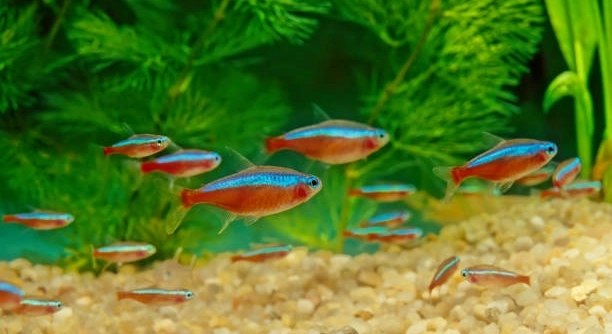
Is your neon tetra tank constantly fogging up, making it hard to enjoy the view and monitor your fish’s health?
The most common reason a neon tetra tank fogs up is due to poor water quality, temperature fluctuations, or insufficient ventilation. Addressing these issues with proper filtration, regular maintenance, and consistent conditions helps prevent the problem effectively.
Understanding what causes tank fogging is important, especially if you want a healthy setup that stays clean and clear for your neon tetras.
Common Reasons Your Tank Keeps Fogging Up
Tank fogging can happen for a few different reasons, and it’s usually tied to water quality or changes in the tank environment. One of the biggest issues is bacteria blooming, which can make the water appear cloudy. This often happens in new tanks or when filters aren’t working properly. Uneaten food or waste buildup can also throw off the balance, leading to cloudy conditions. Another cause is temperature changes—if your tank is warmer than the room, condensation can form on the glass. Lack of proper airflow in a closed hood setup may make this worse. Lighting also plays a small part, especially if the light is too warm or kept on too long. These little factors add up, and when not managed, they make your tank fog up quickly.
Keep in mind that new tanks are more likely to fog up during the first few days as the ecosystem settles.
Daily tank checks, along with stable feeding and cleaning routines, can really help avoid fogging. It might seem like a small thing, but cloudy water can stress your neon tetras. They prefer a clean and stable tank. Simple adjustments like managing water temperature and improving airflow can make a noticeable difference in how clear your tank stays.
7 Quick Fixes to Stop the Fog
Add an air stone or increase surface agitation to boost oxygen and reduce fog caused by poor gas exchange.
Cleaning your tank regularly is one of the easiest ways to reduce fog. Start by removing any leftover food and vacuuming the substrate weekly. Replace about 20–30% of the water every week with treated, temperature-matched water. Use a proper filter suited for the tank’s size, and make sure it’s not clogged. Check the filter pads monthly and replace them as needed. If your room is cooler than your tank, consider adjusting the tank’s hood or adding a small fan nearby to improve ventilation. Avoid overfeeding—give your neon tetras just enough food that they can finish within two minutes. Use a reliable thermometer to monitor water temperature and avoid fluctuations. Also, make sure your tank is fully cycled before adding fish, as uncycled tanks often lead to bacteria blooms. A water testing kit can help you stay ahead by checking ammonia, nitrite, and nitrate levels regularly.
How to Maintain Water Quality Long-Term
Keeping your water clean is the best way to stop your tank from fogging up again. Focus on consistency—regular cleaning, testing, and not overfeeding go a long way in keeping things stable.
Use a water testing kit once a week to check ammonia, nitrite, and nitrate levels. These can quickly rise without warning and lead to water cloudiness. Stick to a weekly partial water change of around 25% to keep levels under control. Always condition tap water to remove chlorine and other chemicals before adding it to your tank. Avoid cleaning everything at once—this can disturb beneficial bacteria. Instead, rinse filter media in old tank water during a change. Vacuum the gravel gently to remove debris without upsetting your fish. Over time, keeping this routine helps your tank stay clear, and your neon tetras will be much more comfortable and active in a cleaner space.
Choose tank-safe decorations and rinse them before use. Avoid anything that may leak dyes or strange residues into the water. Live plants can also help maintain water quality by absorbing excess nutrients that may otherwise fuel algae or bacteria. Limit the light exposure to 8–10 hours a day to prevent excess growth. A timer can make this easier to manage. Also, always quarantine new fish before adding them into your tank to prevent bacteria imbalances. Watch how your fish behave—sluggish movement or unusual hiding can be signs of poor water conditions. The more you pay attention to small changes, the easier it becomes to manage your tank without surprises. Your goal is a steady, balanced tank that needs only light weekly care.
Temperature and Humidity Adjustments
Temperature swings can lead to condensation and cloudy glass. A tank that’s warmer than the room can cause fog on the outside. Keeping both the tank and room temperature consistent will help reduce this.
Use a reliable heater to maintain your tank’s temperature between 72–78°F. Check the temperature daily with a thermometer placed on the opposite side of the heater. Avoid placing the tank near windows or air vents—outside airflow can cause temperature drops and condensation. If your house tends to be cooler, consider using an aquarium hood with vents or propping the lid slightly open to improve air circulation. A small desk fan pointed near the tank (not directly at it) can also help balance humidity and airflow. Be careful not to let the tank get too cold from the fan. Making a few small adjustments can prevent moisture from building up on the tank’s walls and keep things looking clear and clean.
Proper Feeding Habits Matter
Overfeeding is a quick way to mess up water quality and make your tank foggy. Neon tetras only need a small pinch of food once or twice a day. Anything uneaten should be removed quickly.
Use a feeding schedule and stick to it. Watch how much your tetras eat in two minutes and adjust from there. Too much food will rot and cloud the water.
Importance of Cycling the Tank First
Cycling your tank before adding neon tetras is important for long-term stability. This process allows beneficial bacteria to grow, which helps break down waste and keeps the water safe. Without cycling, ammonia can build up fast and cause cloudiness, stress, and illness in your fish. It usually takes a few weeks, depending on the method used. During this time, monitor water parameters closely and avoid adding too many fish at once. Use a water conditioner and test kit to guide you. Once ammonia and nitrite levels hit zero and nitrates appear, your tank is ready. This simple step helps prevent future fogging and keeps your tank healthy.
Cleaning the Glass the Right Way
Use an algae scraper or soft sponge made for aquariums to wipe the inside glass weekly. Avoid harsh cleaners—just tank water works best.
FAQ
Why does my neon tetra tank keep fogging up even after cleaning?
If your tank still fogs up after cleaning, the water quality might still be unstable. Cloudiness can return if the filter isn’t working well, the tank isn’t fully cycled, or if you’re overfeeding. Cleaning helps, but if the underlying cause—like bacteria bloom or excess nutrients—isn’t fixed, the fog will keep coming back. Make sure you’re doing regular water changes, not disturbing the filter bacteria too much, and testing your water for ammonia, nitrites, and nitrates. Stable water chemistry is key to keeping things clear long-term.
Can I use bottled water to stop tank fogging?
Bottled water isn’t always the best choice. Some types lack the minerals fish need, and others might have additives that aren’t safe for tanks. It’s better to use treated tap water with a water conditioner. This removes chlorine and makes it safe for neon tetras. If your tap water is very poor quality, you can mix it with distilled or RO water, but always re-mineralize it. Fogging usually isn’t caused by the water source itself—it’s more about what happens in the tank after setup.
How often should I clean the tank glass?
Wipe the inside glass once a week using a tank-safe algae pad or scraper. This helps remove buildup that can add to the foggy look. For the outside glass, just use a clean, damp cloth—avoid glass cleaners, as they can leave behind harmful residues. Regular glass cleaning keeps the view clear and helps you spot any early signs of algae or film developing. If you notice more frequent fogging, check your humidity, temperature, and airflow conditions around the tank as well.
Do certain decorations or substrates cause fogging?
Yes, some substrates and decorations can make the water look cloudy if not rinsed well before being placed in the tank. Gravel, sand, or ornaments with residue or dust can cloud the water right after setup. Always rinse everything with clean, dechlorinated water until the runoff is clear. Also, avoid cheap painted items that may break down or leak materials into the water. Stick to aquarium-safe décor and natural gravel or sand meant for freshwater tanks.
How long does new tank fog last?
In a new setup, cloudy water is common and usually harmless. It’s often due to bacteria bloom and should clear up in a few days to a week. Don’t rush to replace water or scrub the tank—this can actually slow down the process. Instead, monitor your water parameters and let the tank cycle properly. Add fish only after ammonia and nitrite levels are at zero. This stage is normal and part of building a healthy tank environment for your neon tetras.
Can overstocking cause foggy water?
Yes, too many fish in a small tank can overwhelm your filter system and cause water to cloud up quickly. Neon tetras are small but still need space. A general rule is one inch of fish per gallon of water. Overstocking leads to excess waste, more frequent feeding, and poor oxygen levels—all of which contribute to foggy water. Keep your fish count reasonable and make sure your filter is rated for your tank size.
Is foggy water harmful to neon tetras?
It can be. Foggy water often means there’s a buildup of bacteria or waste, which can lead to stress and disease. Neon tetras are sensitive fish that need clean, stable water. Prolonged exposure to poor conditions can weaken their immune systems. If your tank looks cloudy for more than a few days, it’s a sign that something is off and needs fixing—either through better filtration, feeding habits, or water changes.
Will adding plants help with tank fogging?
Yes, live plants can help improve water quality by using up nutrients that would otherwise feed bacteria or algae. They also release oxygen, which benefits your fish. While plants won’t instantly clear up a cloudy tank, they help prevent future fogging when used as part of a balanced setup. Choose hardy freshwater plants like java fern or anubias. Make sure they’re properly cleaned before adding to avoid introducing unwanted pests or debris.

Hello,
If you enjoy the content that we create, please consider saying a "Thank You!" by leaving a tip.
Every little bit helps us continue crafting quality advice that supports the health, happiness, and well-being of pets around the world, for pets of all shapes, sizes, and species.
We really appreciate the kindness and support that you show us!