
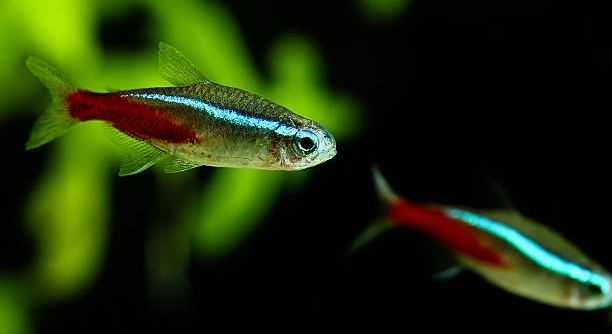
Neon Tetras are popular fish in home aquariums due to their bright colors and active behavior. However, sometimes their schools can break apart, causing concern for owners. Understanding the reasons behind this can help restore harmony in your tank.
The primary cause of a broken Neon Tetra school is stress, which can stem from poor water conditions, overcrowding, or lack of adequate food. These stressors can disrupt their social structure and lead to separation among the fish.
Several factors influence the stability of your Neon Tetra school. By identifying and addressing the issues that cause stress, you can help your fish stay together and maintain a peaceful, active school.
Poor Water Quality
Water quality is one of the most common reasons your Neon Tetra school might break apart. Neon Tetras are very sensitive to changes in water conditions. High levels of ammonia, nitrites, or nitrates can cause stress and make the fish separate. This can also happen if the water temperature fluctuates too much. Additionally, poor filtration can lead to buildup of harmful substances. If these factors aren’t addressed, your fish may no longer feel comfortable in their environment, causing them to scatter and isolate from the school.
If you haven’t already, check the levels of ammonia, nitrites, and nitrates in your aquarium. Regular water changes and proper filtration are key to keeping your fish healthy and stress-free.
A good way to maintain water quality is to invest in a high-quality filter and perform regular water changes. The ideal water temperature for Neon Tetras is between 72 and 78°F (22 to 26°C). By keeping the tank’s conditions stable, you can reduce the stress that leads to their separation. Regularly test the water with a reliable test kit to ensure your tank is suitable for your fish. Stable and clean water will help your Tetras thrive and stay together as a cohesive school.
Overcrowding in the Tank
Neon Tetras need space to swim freely and interact with each other. When tanks are overcrowded, fish can become stressed, which may lead to them breaking apart from the school. It’s important to make sure your aquarium is not too crowded for the number of fish you have. Overcrowding can lead to territorial disputes, competition for food, and a decrease in overall water quality. This increases the chances of your Neon Tetras separating and hiding.
One way to prevent overcrowding is to calculate how many fish your tank can support. A general rule is 1 inch of fish per gallon of water, but consider other factors such as filtration and decoration.
Make sure you are providing enough space for each Neon Tetra to feel comfortable. If your tank is on the smaller side, try to keep the fish numbers low to avoid stress. Adding plants, decorations, and hiding spots can help reduce tension between the fish. Also, consider upgrading to a larger tank if the school continues to grow, as this will give your Tetras more room to swim freely and stay together.
Inconsistent Feeding
Neon Tetras are small and delicate fish, and their feeding schedule needs to be consistent. If they’re not getting enough food, or if there are long gaps between meals, it can lead to stress. A lack of food or irregular feeding times can disrupt their social behavior, causing the school to break apart.
When feeding, make sure to provide small portions of high-quality food twice a day. Overfeeding can also lead to poor water quality, so always feed them what they can consume in about two minutes. Regular, balanced meals help keep your Tetras active and more likely to stay together.
Avoid varying the types of food too much, as this can also cause stress. Stick to a high-quality flake or pellet food that meets their nutritional needs. Introducing live or frozen foods like brine shrimp occasionally is a great treat, but it shouldn’t replace their regular meals. Maintaining a steady feeding schedule will help keep your Tetras healthy and less prone to scattering.
Aggression from Other Tankmates
Some fish in your aquarium may be overly aggressive or territorial, causing Neon Tetras to feel threatened. This aggression often leads to isolation, where the Tetras start separating from the rest of the school. Fish like bettas or larger species can intimidate smaller fish, creating an environment where your Tetras don’t feel safe.
If you notice signs of aggression, it’s essential to monitor interactions closely. Consider moving aggressive species to a different tank or rearranging decorations to break up territories. It’s also important to keep Neon Tetras with peaceful tankmates to prevent stress.
A calm environment allows your Tetras to feel more secure and stay together in a school. The key is to keep tankmates that are compatible in terms of size and behavior. Adding hiding places, plants, and decorations will also give your Tetras a chance to retreat if they feel threatened, reducing stress and encouraging social behavior within the group.
Poor Water Movement
Neon Tetras are accustomed to gentle water movement, but too much or too little can cause issues. If the water flow is too strong, the fish may feel stressed and scatter. Similarly, stagnant water may lack oxygen, affecting their behavior and social structure. Finding the right balance is essential.
Use a filter that offers adjustable flow rates to maintain gentle movement in the tank. Neon Tetras thrive in environments with low to moderate water movement. Adding plants and decorations can help create natural breaks in the flow, providing refuge and making the fish feel more comfortable.
Improper Lighting
Neon Tetras prefer dim lighting that mimics their natural environment. Bright lights can stress them out, causing them to separate from the school. Ensure your aquarium has soft, diffused lighting to help your Tetras feel secure. Avoid sudden changes in light intensity, which may cause confusion and isolation.
Bright lights disturb their natural behavior. Stick to low to moderate light, and consider using a timer to keep the lighting consistent.
FAQ
Why do my Neon Tetras stop schooling?
Neon Tetras naturally form schools for protection and social interaction. If they stop schooling, it’s usually due to stress caused by factors like poor water quality, overcrowding, or aggression from tankmates. Stress can also occur if their diet is inconsistent or if they feel threatened. Identifying the cause and addressing it can help restore their natural behavior.
Can I add more Neon Tetras to my tank if my school is breaking apart?
Adding more Neon Tetras to a tank with a broken school can help, but only if the stressors are addressed first. If there is overcrowding, poor water quality, or aggression, adding more fish may worsen the issue. Ensure your tank conditions are stable and the current Tetras are healthy before introducing more.
How can I reduce aggression in my tank?
Reducing aggression involves carefully selecting peaceful tankmates and ensuring adequate space. Avoid housing Neon Tetras with larger, more aggressive fish. Provide plenty of hiding spots, plants, and decorations to allow the Tetras to retreat when they feel threatened. Regularly monitor tank interactions to ensure peaceful coexistence.
How often should I feed my Neon Tetras?
Neon Tetras should be fed small amounts twice a day. Overfeeding can lead to water quality issues, while underfeeding can cause stress and disrupt the school. Ensure the food is consumed within a few minutes to prevent waste. Providing a variety of food types, like flakes, pellets, and occasional live or frozen foods, can keep them healthy.
What water conditions do Neon Tetras need to stay together?
Neon Tetras prefer soft, slightly acidic water with a pH range of 6.0 to 7.0. The temperature should be between 72°F and 78°F (22°C to 26°C), with stable conditions. Regular water changes and a good filtration system are key to maintaining water quality and preventing stress, which could cause the school to break apart.
Can poor lighting cause my Neon Tetras to separate?
Yes, bright or harsh lighting can stress your Neon Tetras and make them less likely to school. They thrive in soft, diffused light, mimicking their natural habitat. Using a timer to regulate the lighting can help maintain consistent conditions. Avoid sudden changes in lighting intensity to keep the fish calm.
Is my Neon Tetra school breaking apart due to disease?
Disease can contribute to the separation of a school, as sick fish may isolate themselves. Look for signs of illness like unusual behavior, spots, or lethargy. If one or more Tetras seem sick, it’s important to quarantine the affected fish and treat them accordingly. Check the water conditions to ensure they are not contributing to the problem.
How can I improve water movement for my Neon Tetras?
Neon Tetras prefer gentle water movement. If the current is too strong, it can stress them and break apart the school. Use a filter with adjustable flow settings to maintain a calm environment. Adding plants or decorations can also help break the flow, providing areas for the Tetras to swim more comfortably.
Should I use a water conditioner for my Neon Tetras?
Yes, using a water conditioner is recommended to remove chlorine and chloramine from tap water. This is essential for keeping your Tetras healthy. A water conditioner can also help detoxify ammonia, nitrites, and nitrates, ensuring the water is safe. Always follow the instructions on the conditioner to avoid overdosing.
How do I know if my Neon Tetras are stressed?
Stressed Neon Tetras may stop schooling, hide more often, or exhibit erratic swimming patterns. They might also lose their vibrant color and appear dull. In some cases, stressed Tetras will show signs of injury or fin damage. Monitoring water quality, tankmates, and feeding habits can help prevent stress.
Can Neon Tetras live with other fish?
Neon Tetras are peaceful and do well with other small, non-aggressive fish. Suitable tankmates include guppies, corydoras, and other small tetras. Avoid housing them with larger, territorial fish like bettas or aggressive species, which may stress the Tetras and cause the school to break apart.
What type of filter is best for my Neon Tetras?
A gentle filter with adjustable flow is ideal for Neon Tetras. A sponge filter is a good choice, as it provides gentle filtration without creating strong currents. Ensure the filter maintains water quality without disrupting the peaceful environment. Regularly clean the filter to keep it functioning properly.
How many Neon Tetras should I have in a school?
Neon Tetras are happiest in groups of six or more. A larger school helps them feel secure and reduces stress. A group of at least 10 to 12 Tetras is often recommended for better social interaction and natural behavior. Avoid overcrowding the tank, as this can lead to stress and separation within the school.
Why is my Neon Tetra hiding all the time?
Constant hiding could be a sign of stress, illness, or aggression from other fish. It may also be caused by poor water quality or strong currents. Check the tank’s water conditions, ensure the lighting is not too harsh, and make sure there are peaceful tankmates. If the behavior persists, consider quarantining the fish to check for illness.
Can my Neon Tetras school if the tank is too small?
A small tank can contribute to stress and prevent your Neon Tetras from schooling. Neon Tetras require space to swim and explore. A tank of at least 10 gallons is recommended for a small school of 6-8 fish. Larger tanks allow for better filtration and water quality management, helping maintain the Tetras’ natural behavior.
Final Thoughts
Neon Tetras are beautiful, peaceful fish that thrive in schools. However, when their school starts to break apart, it’s a sign that something in their environment isn’t right. Stress, caused by factors like poor water quality, overcrowding, or aggression from tankmates, is often the main reason for this change in behavior. Understanding the causes of stress in your tank is key to restoring harmony in your aquarium. By addressing these issues, you can help your Tetras feel more secure and encourage them to return to their natural school behavior.
Maintaining a stable environment for your Neon Tetras is crucial. Regular water changes, proper filtration, and monitoring water parameters such as temperature, pH, and nitrate levels will keep your fish healthy. Additionally, making sure the tank isn’t overcrowded and selecting peaceful tankmates can help prevent stress. It’s also important to feed your fish consistently and ensure they’re getting a balanced diet. Overfeeding or underfeeding can also lead to stress, so it’s essential to keep track of their feeding schedule and provide small portions of food twice a day.
By providing a suitable environment and paying attention to their needs, your Neon Tetras can thrive in your aquarium. Small adjustments, such as controlling water movement and ensuring proper lighting, can make a big difference in the way they behave. If your school is already breaking apart, don’t panic—take the time to identify the root cause of the issue and address it. With the right care, your Tetras will return to schooling, and your aquarium will once again be a peaceful and vibrant space.

Hello,
If you enjoy the content that we create, please consider saying a "Thank You!" by leaving a tip.
Every little bit helps us continue crafting quality advice that supports the health, happiness, and well-being of pets around the world, for pets of all shapes, sizes, and species.
We really appreciate the kindness and support that you show us!