
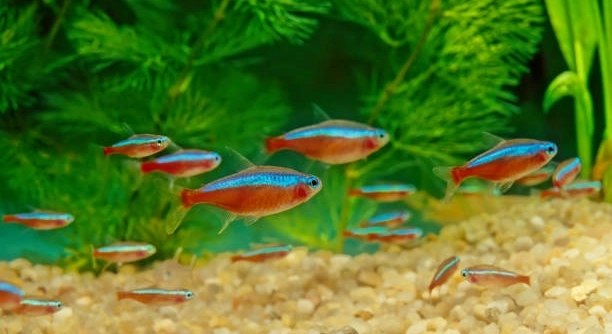
Neon Tetras are beautiful, small fish often kept in schools. Ensuring your school is large enough for them is essential for their well-being. A healthy, happy school of Neon Tetras can thrive with the right environment and space.
A school of Neon Tetras should ideally consist of at least six to eight fish. Smaller groups can cause stress and behavioral problems, such as increased aggression or shyness. Maintaining the proper group size ensures they feel secure and can exhibit natural behaviors.
Properly assessing your Neon Tetras’ group size will allow for better care and a more harmonious tank. You will learn what signs indicate your school may be too small and how to address these issues effectively.
1. Stress and Anxiety in Smaller Schools
When a Neon Tetra school is too small, these fish can feel stressed. Smaller groups don’t provide the security they need. Neon Tetras are naturally social fish that thrive in numbers, so when they don’t have enough companions, they may exhibit signs of anxiety. This stress can lead to physical problems like weakened immune systems, making them more vulnerable to diseases. A small group might also lead to poor feeding behaviors or increased aggression. These signs are not only detrimental to their health but also to the overall balance of your aquarium. It’s important to recognize the early signs of stress in your Tetras to avoid any long-term health issues.
If your Neon Tetras are displaying signs of stress, increasing the group size could help calm them down.
Larger schools encourage positive social interactions and reduce tension. Fish in groups feel more secure and are less likely to exhibit aggressive behavior. For instance, a school of six to eight will display more natural behaviors and swim confidently throughout the tank. Additionally, the larger the group, the more likely the Tetras are to establish a peaceful hierarchy, avoiding constant disputes. Fish that feel safe in their environment will eat better, grow faster, and show vibrant colors. Ultimately, a slightly larger school can significantly improve your Neon Tetras’ health and behavior.
2. Shyness and Hiding Behavior
Smaller groups of Neon Tetras tend to be shyer and spend a lot of time hiding.
With fewer companions, your Tetras may retreat to the tank’s corners, hiding behind decorations or plants. This behavior is common in fish that feel insecure in their environment. A larger group offers comfort, as the fish can blend into the school and feel less exposed. When a Neon Tetra is alone or in a very small group, it often feels more vulnerable to potential threats. This shyness can affect their feeding habits and overall quality of life. Increasing the school size creates a safer, more comfortable environment for the fish, allowing them to be more active and engaged in their surroundings.
3. Aggression and Territorial Behavior
When your Neon Tetra school is too small, you might notice aggression, particularly among males.
In small groups, Tetras can become territorial and fight over space. This aggression can escalate quickly, leading to injuries or even death. Larger schools help distribute any aggression and ensure that no single fish feels the need to constantly defend its space. In a bigger school, Tetras feel safer, as they are less likely to encounter territorial disputes. They will also engage in more social behaviors, reducing stress levels. Larger groups promote cooperation instead of conflict, benefiting everyone in the tank.
A balanced group of Tetras reduces territorial disputes by ensuring that no fish feels constantly threatened. Fish in larger schools also engage in less aggression and have time to interact with others, rather than just competing for space. This creates a more peaceful and thriving environment for the entire group.
4. Inactive or Unhealthy Tetras
Smaller schools can make Neon Tetras more lethargic, leading to poor health.
In a small group, they often feel insecure, which results in hiding or staying still. Tetras are active swimmers, and when they don’t have the opportunity to interact and swim freely, their health can decline. This inactivity also affects their feeding patterns. A larger school allows the Tetras to swim more naturally, offering them both physical and mental stimulation. With more space to move and socialize, they’ll remain active and healthy. If you notice your Tetras are sluggish, it might be time to increase the size of the school.
5. Poor Breeding Behavior
In smaller schools, Neon Tetras may struggle to breed.
Without enough individuals, Tetras may lack the social interactions required for successful breeding. When kept in groups that are too small, they can feel stressed or insecure, which inhibits reproductive behavior. Larger schools promote better mating opportunities, allowing the Tetras to exhibit natural courtship behaviors.
Increased group size can help create a more natural environment where Tetras feel safe to breed. With more fish, the chances of finding a mate increase, and they are more likely to engage in mating rituals. Ensuring a larger school also provides better conditions for the growth and survival of fry.
6. Increased Risk of Disease
A small group of Neon Tetras makes it easier for diseases to spread.
When fish are kept in smaller schools, the stress from close confinement weakens their immune systems, leaving them more susceptible to illness. In a larger group, fish are less stressed, and their immune systems can function better. Maintaining a bigger school helps reduce the chance of outbreaks.
FAQ
How many Neon Tetras should be in a school?
The ideal number of Neon Tetras in a school is at least six to eight fish. This size allows for social interactions, reducing stress and aggression. A smaller school can cause anxiety and behavioral issues, as Tetras are naturally social and prefer to be in groups. Larger schools promote natural behaviors and provide a safer environment for the fish.
Can Neon Tetras live alone?
Neon Tetras should not live alone. These fish are highly social and thrive when kept in schools. A solitary Neon Tetra can become stressed, exhibit shyness, and develop health problems. It’s important to have at least five or six other Tetras to help them feel secure and happy.
What happens if you have too few Neon Tetras in a school?
If your Neon Tetra school is too small, the fish may become stressed, aggressive, or shy. They can also exhibit unhealthy behaviors like hiding, lethargy, and poor feeding. A small group doesn’t offer the security they need, which can lead to physical and mental health problems.
Can Neon Tetras live with other fish?
Yes, Neon Tetras can live with many other peaceful species. They are compatible with most non-aggressive fish, such as guppies, tetras, and corydoras catfish. It’s important to avoid keeping them with larger or more aggressive fish that may intimidate or harm them. Always ensure that all tank mates are peaceful.
How can I tell if my Neon Tetras are stressed?
Stressed Neon Tetras will often hide, swim erratically, or stay at the bottom of the tank. You may notice a decrease in their eating habits or their colors may dull. If your fish are staying in one spot or not interacting with the group, it could be a sign of stress due to a small school size or unsuitable tank conditions.
Do Neon Tetras need a lot of space?
While Neon Tetras are small fish, they still need enough space to swim freely. A tank size of at least 10 gallons is recommended for a small school of six to eight Tetras. Overcrowding can increase stress and lead to health issues. The more space they have, the happier and healthier they will be.
Why is my Neon Tetra hiding all the time?
Neon Tetras may hide if they feel threatened or stressed. A small school size or tank mates that are too aggressive can cause them to retreat. It’s also possible that they are not feeling well or are adjusting to a new environment. Adding more fish to the school or adjusting the tank conditions might help.
Can I mix Neon Tetras with other types of Tetras?
Yes, mixing Neon Tetras with other species of Tetras is possible. Species like the Black Skirt Tetra, Rummy Nose Tetra, and Cardinal Tetra are compatible with Neon Tetras. It’s important to ensure that the tank is large enough and that all the fish are peaceful to avoid aggression.
What should I feed Neon Tetras?
Neon Tetras are omnivores and will eat a variety of foods. High-quality flake food, frozen or live brine shrimp, and daphnia are excellent choices. It’s important to provide a balanced diet that includes protein, vegetables, and occasional treats. Overfeeding can lead to poor water quality, so feed in moderation.
How do I make my Neon Tetras feel more secure?
To make your Neon Tetras feel more secure, provide a larger school of fish and a well-planted tank. Plants, decorations, and hiding spots help them feel protected. Additionally, keeping water parameters stable and avoiding sudden changes in temperature or water conditions can reduce stress.
Final Thoughts
Neon Tetras are peaceful, colorful fish that thrive in groups. The size of their school plays a significant role in their well-being. When kept in small numbers, they can become stressed, leading to negative behaviors such as aggression, hiding, and even poor health. A school of at least six to eight Tetras is ideal to ensure they feel safe and secure. Larger schools promote natural social behaviors, reduce stress, and contribute to a more vibrant and active community within the tank.
In a well-maintained aquarium, Neon Tetras can live happy, healthy lives. Providing a larger school and appropriate tank conditions will help them feel more comfortable and allow them to exhibit their natural behaviors. Stress can lead to a variety of problems, from inactivity to increased risk of disease. Keeping them in larger groups ensures they have the opportunity to interact with others, which helps reduce stress and improve overall health. It’s also essential to offer them plenty of space, hiding spots, and a balanced diet to keep them at their best.
Ultimately, the key to a thriving Neon Tetra school is understanding their social needs. These fish are best kept in schools of sufficient size, where they can interact freely and feel secure. By giving them the right environment, you create a peaceful and dynamic tank that benefits both the fish and the tank’s overall balance. Whether you are new to keeping Neon Tetras or are looking to improve your current setup, ensuring a proper school size and a healthy environment will go a long way in promoting their well-being.

Hello,
If you enjoy the content that we create, please consider saying a "Thank You!" by leaving a tip.
Every little bit helps us continue crafting quality advice that supports the health, happiness, and well-being of pets around the world, for pets of all shapes, sizes, and species.
We really appreciate the kindness and support that you show us!