
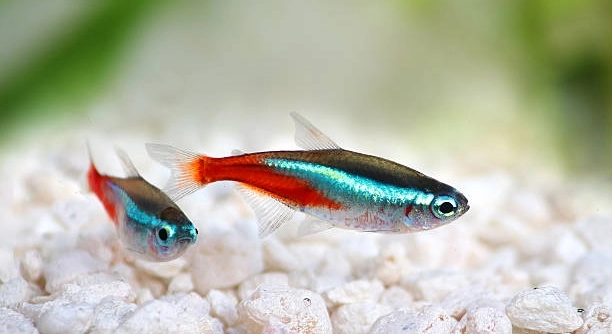
Are your neon tetras spending more time hovering near the surface instead of swimming throughout the tank like usual? Changes in behavior like this can sometimes point to issues with their water quality or environment.
Neon tetras often hover near the water surface due to low oxygen levels, high ammonia concentration, or temperature stress. Other potential causes include poor water circulation, overstocking, illness, or a lack of hiding spaces in the tank.
Learning what causes this shift in behavior will help you make the right changes and support your tetras’ health and comfort.
Low Oxygen Levels in the Tank
Low oxygen is a common reason neon tetras stay near the surface. When oxygen levels drop, fish instinctively move to areas where oxygen is more available. The surface holds more dissolved oxygen due to contact with air, especially when water movement is limited. If your tank lacks proper surface agitation or filtration, the oxygen exchange can be reduced. High temperatures also decrease oxygen availability, putting further stress on the fish. Neon tetras are sensitive to poor water conditions, and even a slight imbalance can affect their behavior. Ensuring good circulation, using an air stone or sponge filter, and keeping the tank clean will help improve oxygen levels. Regular water testing is also essential. If you notice your fish gasping near the top, act quickly by increasing aeration and checking for signs of overcrowding or heat. These adjustments can help them return to normal swimming behavior within a short time.
Tetras need a well-oxygenated environment to feel comfortable and active throughout the tank.
Good water movement from a filter or air pump supports oxygen exchange. Combine this with live plants and avoid overstocking to keep conditions steady. Monitor temperature closely, as higher water temperatures lower oxygen, creating a stressful environment for sensitive species like neon tetras.
Ammonia and Nitrite Spikes
Even small spikes in ammonia or nitrite can cause neon tetras to move toward the surface.
These toxins build up quickly in uncycled or poorly maintained tanks. Neon tetras are particularly sensitive to water quality, and exposure to harmful compounds like ammonia or nitrite can cause rapid gill irritation and breathing difficulties. As a result, they swim near the surface where they can access slightly more oxygen. Overfeeding, rotting food, or decaying plants are all common causes of spikes. To prevent this, test your water weekly and do partial water changes as needed. Make sure the tank is cycled properly before adding new fish. Avoid cleaning all filter media at once, since this can remove beneficial bacteria. If a spike is detected, stop feeding for a day, perform a water change, and consider using a detoxifier to bind the ammonia. Stability is key for keeping neon tetras healthy, so make water quality a top priority.
High Water Temperature
Warm water holds less oxygen, which can cause neon tetras to hover near the surface. If the tank temperature rises above 78°F (25.5°C), your tetras may start showing signs of stress, including rapid gill movement and reduced activity.
Consistently high temperatures can lead to long-term health problems for neon tetras. They thrive best between 72°F and 76°F (22°C to 24.5°C). When the water gets too warm, their metabolism speeds up, increasing their oxygen needs while reducing the oxygen available. This imbalance forces them to the surface where oxygen concentration is slightly higher. If you use a heater, ensure it’s working correctly and not overheating the tank. Also, avoid placing the tank near windows or heat sources. During hot seasons, use a fan or cooling system to lower the temperature gradually. Monitoring temperature daily with a reliable aquarium thermometer helps prevent sudden or unnoticed changes.
Stress from heat can weaken your tetras’ immune systems, making them more vulnerable to infections and parasites. Always take action if their behavior changes. Avoid drastic cooling methods, as rapid shifts can shock their system. A steady, comfortable temperature not only helps with breathing but also supports their digestion, coloration, and activity. Stable conditions lead to happier, more active fish.
Poor Water Circulation
When water circulation is poor, oxygen doesn’t distribute evenly in the tank. Neon tetras may hover near the surface where the oxygen concentration is highest, especially in tanks with dead spots or low-flow filtration systems.
A lack of circulation also means waste and debris settle in certain areas, which can create localized toxic zones. Poor circulation slows down the removal of carbon dioxide and waste, affecting oxygen exchange. Adding a small powerhead or adjusting the filter output direction can help improve flow throughout the tank. Sponge filters, especially in smaller tanks, offer gentle movement that works well for tetras. Make sure decorations or plants aren’t blocking flow, as this can reduce the effectiveness of your setup. Good circulation not only keeps oxygen levels stable but also promotes cleaner, healthier water conditions. This makes it easier for your tetras to breathe, reduces stress, and supports overall tank health without needing constant adjustments.
Overcrowding in the Tank
Too many fish in a small tank lowers oxygen and raises waste levels quickly. Neon tetras may move to the surface when the water feels too congested or uncomfortable. Overcrowding also increases competition for space and causes stress.
A crowded tank makes it harder to keep conditions stable. Waste builds up faster, and oxygen levels drop more quickly. Neon tetras need room to swim in groups, so keep their space open and balanced to prevent surface hovering and related issues.
Illness or Disease
When neon tetras feel unwell, they often isolate themselves or change swimming patterns. Hovering near the surface can be a sign of internal infection, parasites, or gill damage. If you notice clamped fins, faded colors, or odd swimming, it may be time to quarantine the affected fish. Illness weakens their ability to breathe normally, making it harder for them to function in deeper water. Perform a visual check daily, and treat signs of illness early. Medicated food, water treatments, or adjusting tank conditions may help, but always address the root cause to protect the rest of the group.
Lack of Hiding Spaces
Without hiding spots, neon tetras may feel exposed and unsafe. This stress can lead them to stay near the surface, away from more open, deeper areas of the tank.
FAQ
Can neon tetras breathe at the surface of the water?
Yes, neon tetras can breathe at the surface, but they are not surface breathers like bettas. When they hover at the top, it’s often because the oxygen levels are too low in the lower areas of the tank. This behavior should be seen as a sign that something in the tank environment needs adjustment. It’s usually linked to poor aeration, high temperature, or other stress factors. If caught early, adjusting filtration or oxygen flow can bring them back to normal behavior.
Is it normal for neon tetras to swim near the top sometimes?
It can be normal if they’re active and exploring, but constant hovering at the surface isn’t typical. Neon tetras usually swim in the middle zone of the tank. If they stay near the top for long periods, it could mean they are uncomfortable or stressed. This might be due to a sudden change in water quality, a rise in temperature, or the start of an illness. Keep an eye on other symptoms to know whether action is needed.
What is the ideal number of neon tetras for a 10-gallon tank?
Six neon tetras is the minimum number recommended, and that works well for a 10-gallon tank. They are schooling fish and do best in groups. Keeping fewer than six can make them feel unsafe, which may increase their stress and strange behavior. However, do not exceed eight or nine in a 10-gallon tank, as overcrowding can quickly affect water quality and oxygen levels. Regular maintenance and proper filtration are also key when keeping the tank fully stocked.
How can I improve oxygen levels in my tank?
Start by increasing surface movement, which helps oxygen exchange. You can do this by raising the filter output or adding an air stone. Live plants can also support oxygen during the day, though they may consume it at night. Avoid overfeeding and remove waste often, as decay lowers oxygen. If your tank is tightly covered or in a warm room, ensure there’s some ventilation. Keeping the water temperature between 72°F and 76°F also helps maintain balanced oxygen levels for neon tetras.
Can poor water quality cause neon tetras to hover at the surface?
Yes, poor water quality is one of the most common causes of this behavior. High ammonia, nitrite, or nitrate levels can stress their gills and reduce oxygen availability. Regular testing helps keep the parameters in check. Weekly water changes, vacuuming debris, and not overstocking the tank are simple steps that prevent quality from dropping. If tetras hover near the surface and you haven’t tested the water, do so as soon as possible. A quick change in water conditions can bring immediate improvement.
Why do neon tetras avoid the bottom of the tank?
If the bottom feels unsafe, uncomfortable, or dirty, neon tetras will avoid it. They may also associate it with aggression from tank mates or detect poor conditions like decaying food. If the lower parts of the tank have waste buildup, low oxygen, or sudden temperature changes, tetras will prefer the surface. Rearranging the tank, cleaning the substrate, or creating more calm zones can encourage them to use the full space again.
Do neon tetras need live plants?
They don’t require live plants, but they benefit from them. Plants offer shelter, improve oxygen during the day, and make tetras feel safer. The presence of plants can lower stress and help reduce the chances of hovering at the surface. Choose soft-leaved options like anubias, java fern, or hornwort, which don’t take much care and work well in low-light tanks. Even artificial plants help if placed well and combined with other hiding spots.
What kind of filter is best for neon tetras?
A gentle filter that doesn’t create strong currents is best. Sponge filters or hang-on-back filters with adjustable flow work well. Strong water movement can stress neon tetras, pushing them to quieter areas like the surface. A filter should be strong enough to cycle the tank but not disrupt the calm swimming behavior of your fish. If you notice them fighting the flow, adjust it immediately.
How often should I test my tank water?
Testing once a week is ideal, especially if your tank is fully stocked. Ammonia, nitrites, and nitrates should be checked regularly, along with pH and temperature. If you notice strange behavior, test immediately—even if it’s before your usual schedule. Keeping a log helps spot changes early.
Can neon tetras die from hovering near the surface too long?
If the cause of surface hovering isn’t addressed, they can become weak and eventually die. Prolonged stress affects their immune system and leaves them open to diseases. Once they start breathing heavily or stop eating, recovery becomes harder. Catch the signs early to prevent long-term harm.
Final Thoughts
Neon tetras hovering near the water surface is often a sign that something in the tank needs attention. While occasional surface activity is normal, especially during feeding or short periods of exploration, consistent hovering at the top is not part of their usual behavior. These fish prefer the middle section of the tank, and when they avoid it, they are likely reacting to a stressor. Low oxygen levels, poor water quality, temperature fluctuations, or even social stress within the tank can all influence where they choose to swim. Paying attention to these signs early can help prevent more serious problems later.
Maintaining a stable tank environment is the best way to support the health of neon tetras. Clean water, proper filtration, and consistent temperatures all contribute to their comfort. They also do better in groups and feel safer when there are hiding spots or plants available. Changes in swimming behavior, such as staying near the surface, are often one of the first signs that something has shifted in their environment. Regular testing and observation make it easier to spot those changes and act before they lead to illness. A few simple habits, like weekly water checks and scheduled tank maintenance, go a long way in keeping your fish safe.
Caring for neon tetras doesn’t have to be complicated. Once the basics are in place and their environment is stable, they are peaceful and low-maintenance fish. Watching their natural schooling behavior and calm swimming patterns can be rewarding. If something feels off, like hovering near the surface for too long, it’s usually a signal worth noticing. Responding quickly helps them return to normal and prevents other fish from being affected. A balanced tank, a peaceful group of tank mates, and regular upkeep create the kind of conditions where neon tetras can stay active, colorful, and healthy. Small changes make a big difference over time, especially when you’re keeping an eye on the little details.

Hello,
If you enjoy the content that we create, please consider saying a "Thank You!" by leaving a tip.
Every little bit helps us continue crafting quality advice that supports the health, happiness, and well-being of pets around the world, for pets of all shapes, sizes, and species.
We really appreciate the kindness and support that you show us!