
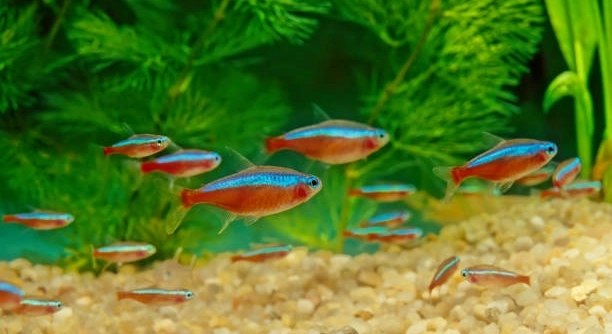
Are your neon tetras looking a little dull lately, despite your best care and attention to their tank and environment?
The most effective way to boost neon tetra coloration is through proper diet. Specific foods enhance pigmentation by providing essential nutrients like carotenoids, which strengthen their vibrant reds and blues while supporting overall health.
Understanding which foods offer these benefits will help you choose the right options and keep your fish looking bright and healthy.
Brine Shrimp
Brine shrimp are one of the best live foods for enhancing neon tetra color. They are rich in protein and contain natural pigments like astaxanthin, which helps bring out vibrant reds and blues in your fish. Feeding brine shrimp regularly can support stronger coloration and overall vitality. Live brine shrimp also encourage natural hunting behavior, which helps reduce stress in aquarium environments. While frozen versions are available and still beneficial, live ones offer slightly higher nutritional value. For best results, feed brine shrimp 2–3 times per week alongside other food sources. This keeps the diet balanced and avoids overfeeding. If you decide to culture your own brine shrimp at home, make sure you follow safe and clean hatching methods. This helps avoid introducing harmful bacteria into your tank. Brine shrimp are small enough for neon tetras to eat easily, and they’re typically well-accepted even by picky eaters.
Feed brine shrimp in small portions to avoid cloudy water. Only offer what your neon tetras can consume in about two minutes.
This food is especially helpful during periods when your fish need a nutritional boost, such as after tank moves or minor illnesses. The protein helps them stay active, and the pigments support bold, even coloring.
Daphnia
Daphnia is another great live food that helps with color enhancement. It also acts as a gentle laxative, supporting digestion in small fish like neon tetras.
This food is particularly useful because it’s easy to digest and doesn’t break down quickly in water, reducing the risk of tank contamination. Daphnia contains beta-carotene, which promotes brighter red tones. When fed in moderation, it also helps maintain your fish’s shape and energy levels. While you can find frozen or freeze-dried daphnia, live versions provide the best results. They move around in the tank, which naturally encourages fish to eat them. This increased movement helps stimulate your neon tetras’ appetite, especially if they’ve been off food. Feed daphnia once or twice a week alongside more nutrient-dense options. It’s a nice supplement that supports both appearance and health. Just make sure to rinse live daphnia before feeding to remove unwanted debris or parasites that may have come from external water sources.
Bloodworms
Bloodworms are a high-protein food that can help bring out deeper reds in neon tetras. They are best used as a treat rather than a daily food to avoid overfeeding and maintain a balanced diet.
These worms are rich in iron and protein, making them a powerful supplement for enhancing fish color and supporting immune function. Frozen or freeze-dried versions are widely available and convenient, though live bloodworms can be used if sourced safely. Because they are denser than brine shrimp or daphnia, feed them in small amounts. It’s best to offer bloodworms once or twice a week, especially during breeding or recovery periods. They help maintain muscle tone and energy levels in small tropical fish. Avoid letting uneaten bits sink into the substrate, as they can break down quickly and affect water quality. Feeding with tongs or a feeding ring can help manage portions easily.
When introducing bloodworms to your neon tetras’ diet, watch their response. Some fish may take a little time to accept them, especially if they’re used to flake or pellet food. Once accepted, though, bloodworms tend to become a favorite. Limit feeding to small servings and rotate with other color-enhancing options. This keeps their diet diverse while supporting long-term health and appearance.
Spirulina
Spirulina is a blue-green algae packed with color-enhancing nutrients like beta-carotene and zeaxanthin. These compounds help improve blue and green hues while supporting immune function and digestion. It’s often included in flakes or wafers and is ideal for plant-based variety in a balanced diet.
For neon tetras, spirulina is best used as part of a regular feeding routine. It provides essential vitamins and antioxidants that contribute to stronger color and better resistance to stress. While it may not boost red pigments as much as other foods, it’s excellent for enhancing cool tones and overall brightness. You can choose flake foods with spirulina as a main ingredient or offer crushed spirulina wafers. This helps meet nutritional needs without overwhelming small fish. Spirulina is gentle on the stomach, making it suitable for daily feeding in small portions. It also supports overall vitality, especially when paired with protein-rich foods like brine shrimp or daphnia.
Color-Enhancing Pellets
Color-enhancing pellets are designed with added carotenoids and spirulina to support brighter colors in tropical fish. They’re convenient for daily feeding and give consistent results when used alongside live or frozen food sources.
Choose pellets that are small enough for neon tetras to eat comfortably. Soaking them briefly can make digestion easier.
Freeze-Dried Tubifex Worms
Freeze-dried tubifex worms are protein-rich and convenient to store. They don’t carry the same parasite risks as live versions, making them a safer option. Crush or soak the cubes before feeding to avoid overfeeding and help your fish digest them better. Feed once weekly for added variety and energy.
Egg Yolk (In Moderation)
Boiled egg yolk offers vitamins and fat that help with color and strength. Mash a tiny bit and mix it in tank water. Feed sparingly—only once every few weeks—as it can cloud water quickly if not eaten right away.
FAQ
How often should I feed color-enhancing foods to neon tetras?
It’s best to offer color-enhancing foods in rotation with a balanced diet. Feed protein-rich options like brine shrimp or bloodworms 2–3 times per week. Plant-based foods like spirulina or color-enhancing flakes can be used daily in smaller portions. Rotating foods helps prevent overfeeding and ensures your fish get a variety of nutrients. Try to keep feeding consistent without giving too much at once. Feed only what they can eat in about two minutes to avoid leftover food breaking down in the tank. Consistency over time is key for maintaining vibrant coloration and healthy fish.
Can I use only one type of food for color enhancement?
Relying on just one food may give some results, but a mixed diet is more effective. Each food type supports different parts of your neon tetras’ needs. For example, brine shrimp help with reds, while spirulina boosts blues and greens. Using a combination gives more complete nutrition and improves color balance. Also, feeding the same food every day can lead to boredom or selective eating. Rotating foods keeps the fish interested and encourages better feeding behavior. It also helps strengthen their immune system by giving them a wider range of vitamins and minerals.
Do flakes or pellets work as well as live foods?
Flakes and pellets can work well if they include natural color enhancers like spirulina, krill, or beta-carotene. However, live or frozen foods usually offer better results because of their higher natural nutrient content. Live foods also encourage activity, which helps reduce stress. That said, flakes and pellets are easier to store and feed. Many hobbyists use them as a base diet, then supplement with live or frozen food a few times per week. Look for high-quality brands with limited fillers and color-boosting ingredients. Soaking dry food in water for a few seconds can also improve digestion.
Can color-enhancing foods replace regular food completely?
No, they should not replace your tetras’ full diet. While they help with pigmentation and energy, most color-enhancing foods are meant to be supplements. A balanced diet includes both protein and plant-based nutrients. Feeding only color-boosting foods can lead to nutritional imbalances. Always combine them with general-purpose flakes, micro pellets, or small live foods. Think of color-enhancing items as an addition, not a substitute. Even the best food won’t work well if your fish are stressed, sick, or living in poor water conditions. Keep everything in balance for the best results.
How long does it take to see color improvement?
You may notice brighter colors in as little as two weeks, but it usually takes a month or more to see stronger results. It depends on how often you feed color-rich foods and how healthy your tetras already are. Water quality, lighting, and stress levels also affect how quickly colors improve. Consistent care and variety in diet will lead to better long-term results than short-term changes. If your fish are already showing some color, it may just take a small boost. If they’re pale or recovering from stress, give it more time and patience.
Is it safe to feed egg yolk to neon tetras?
Yes, but only in tiny amounts and on rare occasions. Egg yolk contains healthy fats and vitamins, but it’s dense and can spoil the water if not eaten quickly. Mash a small portion and mix it with tank water before feeding. Offer it only once every few weeks, and watch closely to make sure all of it is eaten. Remove any leftovers right away. This food is more useful during recovery or if the fish seem underweight. It’s not a daily option but can give a quick nutrient boost when needed.
What if my neon tetras aren’t eating the new food?
If they ignore new food, try offering smaller portions and mix it with food they already accept. Sometimes fish need time to get used to the taste or texture. You can also try feeding new items early in the day when they are more active. Soaking dry food or lightly rinsing frozen items can make them more appealing. If they still refuse it after a few tries, go back to their regular diet and reintroduce the new food gradually. Avoid leaving uneaten food in the tank, as it can cause ammonia spikes and poor water quality.
Do stress and tank conditions affect coloration?
Absolutely. Poor water quality, sudden changes in temperature, and overcrowding can all cause neon tetras to lose their color. Even with a great diet, stress can make them appear dull or pale. Keep water clean with regular changes and use a gentle filter. Make sure the tank is fully cycled and maintain a stable temperature between 72–78°F. Provide plants or decorations to help them feel secure. A calm, stable environment allows color-enhancing foods to work better. When fish feel safe, they show off their natural brightness more clearly and stay active throughout the day.
Final Thoughts
Neon tetras are known for their beautiful colors, and the right food can help them look their best. While genetics and water quality do play a role, diet is one of the easiest things you can control. Feeding foods that are rich in natural pigments, like brine shrimp, spirulina, and color-enhancing pellets, helps boost the red and blue tones in your fish. Offering a mix of protein and plant-based options not only improves color but also supports their health and energy levels. A varied diet keeps them interested in feeding and ensures they get all the nutrients they need.
It’s important to avoid overfeeding, even when using high-quality foods. Small portions fed consistently are more effective than large amounts given all at once. Stick to what your neon tetras can eat in a couple of minutes and rotate the types of food you use each week. Live and frozen foods can be added a few times weekly, while flakes or pellets can make up their daily base. Foods like bloodworms or egg yolk should be treated as occasional additions, not regular meals. Balancing everything helps prevent health issues while bringing out the best color in your fish.
Color change doesn’t happen overnight, but with time and care, the results will show. Bright, bold colors are often a sign that your fish feel safe and healthy in their environment. Alongside feeding the right foods, make sure your tank stays clean and stable. Good water conditions, steady temperature, and low stress levels all support your neon tetras’ natural coloration. With a little effort and consistency, you’ll notice your fish displaying stronger, more vivid shades. Paying attention to both diet and care routine makes a big difference in how your neon tetras look and feel.

Hello,
If you enjoy the content that we create, please consider saying a "Thank You!" by leaving a tip.
Every little bit helps us continue crafting quality advice that supports the health, happiness, and well-being of pets around the world, for pets of all shapes, sizes, and species.
We really appreciate the kindness and support that you show us!