
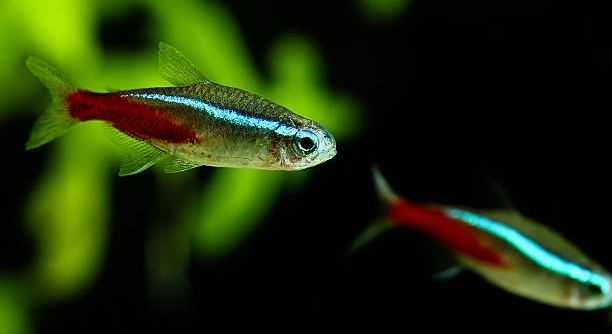
Are your neon tetras swimming oddly, tilting to one side or gliding at a strange angle in your aquarium?
The most common reason neon tetras swim at an angle is swim bladder disorder. This condition affects their buoyancy, making it difficult for them to maintain a normal swimming position and stay balanced in the water.
This behavior could be caused by many things, from water quality to dietary issues. Each factor plays a role in your fish’s overall health and movement.
1. Swim Bladder Disorder
Swim bladder disorder is one of the most common reasons neon tetras swim at an angle. The swim bladder is an internal organ that helps fish control their buoyancy. When it’s not working properly, the fish might float awkwardly, struggle to stay upright, or drift to one side. This can happen due to poor diet, injury, infection, or even genetics. Overfeeding or feeding dry food that expands in the stomach can also trigger swim bladder problems. It’s important to observe your fish closely to notice any signs of bloating or abnormal swimming patterns. Early action helps reduce stress and improve their condition.
Offer smaller, more frequent meals and consider fasting your fish for a day.
If your neon tetra is showing signs of a swim bladder issue, try feeding it cooked, peeled peas. These can help clear minor digestive problems. Make sure your tank conditions are stable and avoid sudden changes in temperature or water quality. Quarantine affected fish if needed, and avoid overfeeding. Keep the water clean by performing regular partial water changes. If the symptoms continue, you may want to consult with a vet who has experience with aquarium fish. Some fish may improve on their own with proper care and rest.
2. Poor Water Quality
Poor water conditions can quickly affect how neon tetras behave and move.
Dirty or unbalanced water can stress your fish, weaken their immune systems, and disrupt their normal functions. When ammonia, nitrites, or nitrates rise above safe levels, neon tetras may become sluggish or swim at odd angles. Maintaining clean, stable water is essential for their health. Test your water weekly using a reliable test kit. Keep ammonia and nitrite at 0 ppm, and try to keep nitrates below 20 ppm. Also, check the pH, temperature, and hardness to match the natural habitat of neon tetras. Perform partial water changes regularly, usually 25–30% once a week, to prevent waste buildup.
If you’re noticing tilted swimming and haven’t tested the water recently, start there. Use a dechlorinator and ensure your filtration system is working properly. Sometimes small adjustments, like cleaning the filter or reducing feeding amounts, can improve conditions fast. Avoid using harsh chemicals, and don’t change all the water at once.
3. Stress from Tank Mates
Aggressive or fast-moving tank mates can cause neon tetras to become stressed and swim oddly.
Stress affects a fish’s ability to move and rest properly. If your neon tetras are constantly being chased or bullied, they may start swimming at angles or hiding more often. Over time, this stress can lead to weakened immune systems and poor overall health. It’s important to keep neon tetras with peaceful fish that match their size and temperament. Always research compatibility before introducing new species to your tank.
If you suspect that stress from tank mates is the cause, observe interactions closely. Look for signs like fin nipping, chasing, or schooling apart from the group. Rearranging decorations can help disrupt territorial behavior. You may also consider rehoming aggressive fish or separating them temporarily. Providing more hiding spots can make a big difference too. Neon tetras do best in calm, stable tanks where they can school comfortably without feeling threatened or cornered.
4. Sudden Water Temperature Changes
Neon tetras are sensitive to changes in temperature, especially drops that happen too quickly.
When the water temperature fluctuates, their metabolism can become disrupted, leading to unusual swimming. Their ideal temperature range is between 72°F and 78°F. Anything outside this range, especially sudden shifts, can shock their system. If your tank is near a window, heater, or drafty area, this could be a factor. Use a reliable aquarium heater with a built-in thermostat and a thermometer you can check daily.
Even if the change seems small, it can affect neon tetras more than you might expect. Watch closely after water changes — make sure new water matches the tank temperature before adding it in. Consider using a heater that has a protective guard to prevent burns and accidental bumps. If your home gets cold at night, a backup heater or adjusting your room’s temperature might help. Stable temperatures support healthy digestion, immune response, and movement. Always make changes slowly to avoid stressing your fish.
5. Internal Parasites
Internal parasites can cause discomfort and disrupt how a neon tetra swims.
Infected fish may lose weight, swim at strange angles, or isolate themselves from the group. These parasites are usually introduced through live food or new fish. Quarantining new tank additions can help lower the risk of spreading infections.
6. Injury or Physical Trauma
Physical damage from nets, aggressive tank mates, or sharp objects can affect how a neon tetra moves.
A fish that has been injured may have trouble swimming normally. It might tilt or wobble as it tries to stay balanced. Give it a quiet space to recover, and monitor for signs of healing.
7. Genetic or Developmental Issues
Some neon tetras are born with physical traits that affect their balance and swimming behavior.
In cases like these, the tilted swimming may not be caused by illness or the environment. Instead, it’s simply how the fish has developed. If the fish is eating, active, and not showing signs of stress, there’s usually no need to worry. Some may live full, healthy lives even with mild deformities.
FAQ
Why is only one of my neon tetras swimming at an angle while the others seem fine?
If only one fish is affected, it could be dealing with a minor injury, a mild swim bladder issue, or even a genetic difference. Sometimes, one fish may be more sensitive to water conditions or stress than the rest of the group. Observe its behavior closely—if it’s eating well, not being bullied, and active, you may not need to intervene right away. However, isolate it if symptoms worsen or if it begins to show other signs like bloating, rapid breathing, or discoloration.
Can swim bladder disorder go away on its own?
Yes, in some cases, swim bladder issues can improve without medication. If the problem is caused by overfeeding or constipation, a short fasting period followed by feeding a small amount of peeled, cooked peas can help. If it’s caused by injury or poor water quality, correcting the environment and giving the fish time to recover can make a big difference. However, chronic swim bladder problems may not fully go away, especially if they’re genetic or related to a deformity.
Should I separate a fish that’s swimming at an angle?
You don’t always have to move a fish right away. If the tilted swimming is minor and the fish is active and eating, it’s best to keep it with its school to reduce stress. But if the fish is being picked on, struggling to reach food, or seems in pain, a separate tank or quarantine box can help. This also makes it easier to monitor and treat the fish if needed.
What kind of food is best for neon tetras with swim problems?
Stick to high-quality, small, sinking foods. Avoid overfeeding or feeding dry flakes that expand in the stomach. Frozen or live foods like brine shrimp and daphnia are easier to digest and more natural for tetras. Once a week, you can offer a cooked, skinned pea to aid digestion. Feeding smaller portions twice a day is better than one large feeding.
Is it okay to use medication if I think parasites are involved?
Yes, but make sure you’re using the right kind. Look for antiparasitic medications made for aquarium use, especially ones that treat internal parasites like hexamita or worms. Always read the instructions and avoid overdosing. If you’re unsure, it’s better to move the affected fish to a quarantine tank before treating. Some meds can be stressful for healthy fish if not used properly.
Can poor lighting or sudden darkness cause swimming problems?
Not directly, but sudden changes in light can stress fish and make them swim erratically. Keep lighting on a timer and avoid flipping lights on and off too quickly. Neon tetras prefer dim, consistent lighting. If the lighting is too harsh, they may hide or dart around, which can lead to injuries or stress-related behavior.
Is angled swimming always something to worry about?
Not always. Some tetras naturally swim slightly tilted when they’re resting or exploring. If your fish is otherwise active, eating, and interacting with the group, it may just be their normal way of moving. Watch for patterns—if the angle becomes more noticeable, or if the fish begins to isolate or sink, it could be a sign of an issue.
How can I prevent angled swimming from happening again?
Keep your tank clean, avoid overfeeding, and choose peaceful tank mates. Quarantine all new fish before adding them to your main tank. Check the temperature and water parameters often, and perform regular water changes. Feed a varied diet with proper nutrients, and avoid quick changes in water conditions. Consistency is key to keeping neon tetras happy and balanced.
Final Thoughts
Neon tetras are peaceful and sensitive fish that show changes in behavior when something isn’t right. If you notice one or more of them swimming at an angle, it’s a sign that something may need your attention. While it can look strange or even worrying, there are many possible explanations. Some are easy to fix, like feeding issues or temperature changes. Others, like genetic problems or internal parasites, may take more time to manage. Watching your fish closely and understanding their normal behavior helps you spot problems early. Most of the time, small changes in care can lead to big improvements.
Swimming at an angle doesn’t always mean your neon tetra is sick. Fish sometimes behave differently when they’re exploring or resting. But if you notice other signs—like poor appetite, staying away from the group, or visible changes in their body—it’s worth taking a closer look. Keeping the water clean, avoiding overfeeding, and providing a calm tank environment makes a big difference. Adding peaceful tank mates, keeping a steady temperature, and feeding high-quality food will all support their health. It’s also helpful to test your water often. Safe, stable conditions are the foundation of healthy fish behavior.
In the end, the most important thing is being consistent and observant. Fish can’t tell us when something’s wrong, so we have to rely on their actions. Angled swimming is just one clue. By learning what to look for and taking small steps to keep their environment stable, you give your neon tetras a better chance at staying healthy. Whether it’s a minor issue or something that needs a little more attention, your care plays a big role. With time, patience, and a bit of learning, you can create a space where your neon tetras can thrive and swim with ease.

Hello,
If you enjoy the content that we create, please consider saying a "Thank You!" by leaving a tip.
Every little bit helps us continue crafting quality advice that supports the health, happiness, and well-being of pets around the world, for pets of all shapes, sizes, and species.
We really appreciate the kindness and support that you show us!