
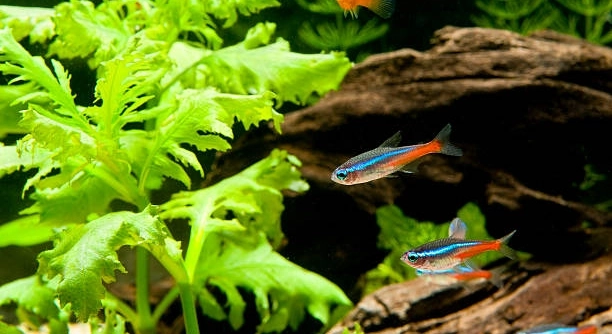
Neon Tetras are sensitive fish that can struggle after a rough water change. Their health may decline if not addressed promptly. It’s important to understand the steps needed to help them recover from this stressful experience.
To help your Neon Tetra recover from a rough water change, ensure the water parameters are stable, the environment is calm, and proper care is given. Follow a structured process of observation, treatment, and water quality management for optimal recovery.
Taking quick action can prevent long-term health problems for your Neon Tetra and ease their recovery from water change stress.
Step 1: Test Water Parameters
When your Neon Tetra is stressed from a water change, it’s crucial to check the water parameters immediately. The most important factors are temperature, pH, ammonia, nitrites, and nitrates. Even slight shifts in these levels can harm your fish, causing further stress or even death. Use a reliable test kit to measure each parameter. If the levels are off, adjust them gradually. Rapid changes can be harmful, so it’s essential to make adjustments slowly to avoid overwhelming your fish.
Adjust the water temperature to a comfortable range for your Neon Tetra, usually around 72-78°F (22-26°C). If the pH is too high or too low, consider adding a buffer to stabilize it. For ammonia and nitrites, perform partial water changes to lower the levels until they are safe.
By maintaining stable and safe water conditions, you give your Neon Tetra the best chance to recover from the stress of a rough water change. Stability is key to preventing long-term health issues and promoting a peaceful environment for your fish.
Step 2: Add Aquarium Salt Carefully
Aquarium salt can be useful in easing stress and promoting healing in fish. However, it should be used cautiously. Too much salt can further harm your Neon Tetra, as they are sensitive to saline changes. It’s essential to follow the recommended dosage on the product label to avoid overdosing.
Aquarium salt helps by promoting osmoregulation, which reduces stress. It can also support the fish’s immune system, helping them recover faster from any physical trauma caused by the water change. However, use salt only when necessary and always dissolve it properly before adding it to the tank.
In addition, remember that salt treatment should not be a long-term solution. Over time, it can alter the water’s chemistry and affect beneficial bacteria. Use it temporarily while monitoring your fish’s condition. Once your Neon Tetra shows signs of improvement, perform a water change to remove any excess salt.
Step 3: Maintain a Calm Environment
Keeping your tank environment calm is essential for your Neon Tetra’s recovery. Avoid sudden movements near the tank that could cause further stress. This is especially important during the recovery process when your fish is already vulnerable. Reduce external noise and prevent disturbances.
Bright lighting can also add stress, so it’s a good idea to dim the lights or use a tank cover. Neon Tetras prefer darker, quieter environments during times of stress. Consider adding floating plants or other decorations that provide hiding spaces, which can help them feel secure.
A calm, low-stress environment encourages your Neon Tetra to focus on healing rather than coping with additional disturbances. This will help them recover more quickly and stay healthier in the long run.
Step 4: Monitor Their Behavior Closely
After the water change, observe your Neon Tetra’s behavior. Look for signs of stress or illness, such as erratic swimming, hiding, or a lack of appetite. If you notice any unusual behavior, act quickly. Sometimes, a rough water change can lead to illness.
If your fish is not eating, try offering a variety of food options. Sometimes, fish can be picky after a stressful event, but providing different types of food can encourage them to start eating again. Be patient and avoid overfeeding, as it can lead to water quality issues.
Keep an eye on their activity level. A lack of movement can indicate that the fish is feeling unwell. If symptoms persist, it’s essential to take immediate action, such as adjusting water parameters or seeking veterinary advice. Early detection of problems can prevent more serious issues.
Step 5: Perform Partial Water Changes
If your Neon Tetra seems stressed after the water change, perform a small partial water change. This can help stabilize the tank’s parameters and remove any excess chemicals. Avoid doing a large water change, as it could further stress your fish by causing rapid changes in the environment.
A partial water change is less disruptive and can help maintain the water quality in the tank without shocking the fish. Aim to replace about 10-20% of the water, ensuring the new water matches the tank’s temperature and pH.
This method gradually improves water quality without overwhelming your Neon Tetra, allowing them to recover more comfortably.
Step 6: Avoid Overfeeding
It’s tempting to overfeed your Neon Tetra to help them recover, but this can cause more harm than good. Excess food can break down and pollute the water, increasing ammonia levels. This can lead to further stress or illness.
Only feed your fish small portions once or twice a day. Remove any uneaten food after a few minutes to prevent it from affecting water quality. Keeping the feeding schedule light and consistent ensures that your fish can focus on recovery without the added stress of water pollution.
By avoiding overfeeding, you create a cleaner, healthier environment for your Neon Tetra.
Step 7: Add Aquarium Plants for Comfort
Adding live plants to your tank can provide your Neon Tetra with much-needed comfort during their recovery. Plants create a natural, more stable environment, helping to reduce stress. They also give your fish hiding spots, which can make them feel more secure.
Plants like Java Moss or Anubias are ideal because they provide plenty of coverage and oxygenate the water. They also help with water filtration, reducing the chances of harmful substances building up. Adding plants can significantly improve your Neon Tetra’s overall well-being.
FAQ
What are the signs of a Neon Tetra recovering from a rough water change?
When your Neon Tetra starts recovering, they will begin to swim normally and become more active. Their color will return to its usual vibrancy, and they will likely start feeding again. If they are no longer hiding or showing signs of stress, this indicates improvement. It’s important to monitor their behavior for any changes, as gradual recovery is a good sign.
How long will it take for my Neon Tetra to fully recover?
The recovery time for a Neon Tetra depends on the severity of the stress caused by the water change. It can take anywhere from a few days to a week for them to fully recover. Factors such as water quality, temperature, and the fish’s general health play a role. Maintaining stable conditions can help speed up the recovery process.
Can I use any aquarium salt for a Neon Tetra’s recovery?
You should use aquarium salt specifically designed for freshwater fish. Regular table salt contains additives that can harm your Neon Tetra. Always dissolve the salt properly before adding it to the tank, and follow the recommended dosage to avoid over-salting, which could cause further stress or harm.
How do I know if the water change caused stress to my Neon Tetra?
If your Neon Tetra exhibits unusual behavior after a water change, such as swimming erratically, hiding more than usual, or losing their appetite, stress could be the cause. Other signs include discoloration or lethargy. If these symptoms persist, it’s crucial to check the water parameters and adjust them if needed.
Is it safe to do multiple water changes to help my Neon Tetra recover?
Multiple small water changes are safer than one large change. Too many water changes at once can destabilize the tank environment and cause further stress. Aim for 10-20% water changes every few days, depending on the water parameters. This gradual approach helps the fish adapt without overwhelming them.
Should I add medication to the tank for recovery?
Generally, medication should be used only if there are signs of illness, such as visible wounds, fungus, or parasites. Adding medication unnecessarily can stress your Neon Tetra further. Only use medication after confirming there is a need, and always follow the instructions on the product.
Can I use any type of food to help my Neon Tetra recover?
Offer a variety of foods to encourage eating, but keep portions small to avoid overfeeding. High-quality flakes or pellets specifically designed for Neon Tetras are ideal. You can also offer live or frozen foods, like brine shrimp, to entice your fish. However, ensure the food is easily digestible and not too large for their small mouths.
What if my Neon Tetra isn’t eating after the water change?
If your Neon Tetra refuses to eat, it could be due to the stress caused by the water change. Give them some time, as it may take a few days for their appetite to return. In the meantime, ensure that the water parameters are stable, and try offering different types of food to entice them.
Can I add other fish to the tank while my Neon Tetra recovers?
It’s best to wait until your Neon Tetra has fully recovered before introducing other fish. Adding new fish while they are stressed could cause more harm. It’s also important to ensure the tank parameters are stable before introducing new fish to avoid further stress to all the inhabitants.
What should I do if my Neon Tetra’s condition worsens?
If your Neon Tetra’s condition worsens, take immediate action. Check the water parameters again to ensure they are within safe ranges. Perform another partial water change if necessary. If symptoms continue to worsen, consider isolating the fish in a quarantine tank and consulting a vet specializing in aquarium fish for advice.
Can I use a water conditioner after the water change?
Yes, a water conditioner can help neutralize harmful chemicals like chlorine or chloramine that may be present in tap water. It’s important to use a high-quality conditioner that is safe for freshwater fish. After a water change, treat the new water with conditioner before adding it to the tank. This ensures a safe environment for your Neon Tetra.
Should I turn off the filter during recovery?
It’s not necessary to turn off the filter unless the water flow is too strong for your Neon Tetra to handle. A filter helps maintain water quality by removing waste and debris. However, if the current is too intense, consider adjusting the filter’s flow to ensure a calmer environment for your fish during their recovery.
Is it necessary to add aquarium plants for recovery?
While it’s not strictly necessary, adding live plants can benefit your Neon Tetra’s recovery. Plants offer hiding spaces and reduce stress, making the tank feel more secure for the fish. They also help maintain water quality by absorbing excess nutrients, which can be helpful for a healthy recovery.
Can I use a heater to maintain the right temperature during recovery?
Yes, using a heater can help maintain a consistent and comfortable temperature for your Neon Tetra. Stress from fluctuating temperatures can slow down recovery, so keeping the tank at a steady 72-78°F (22-26°C) will help your fish recover more efficiently. Ensure that the heater is working correctly and that the temperature is stable.
How can I prevent stress from future water changes?
To prevent stress during future water changes, always make gradual changes to the water’s temperature and parameters. Use a dechlorinator to treat the water and avoid sudden shifts in pH. Additionally, avoid changing too much water at once. Consistency and a slow, steady approach are key to minimizing stress.
Final Thoughts
Helping your Neon Tetra recover from a rough water change is a straightforward process. By carefully monitoring water quality, providing a stable environment, and adjusting feeding habits, you can ensure that your fish have the best chance at recovery. Stress from water changes is common, but it doesn’t have to be permanent. Small adjustments and patience will go a long way in getting your fish back to normal. Keeping a consistent routine will also help your fish stay healthy and reduce the risk of future issues.
Remember, water quality is key when it comes to fish health. Even slight fluctuations in temperature, pH, or ammonia levels can cause stress. Regular testing and small water changes can help maintain stable conditions. By offering a clean, stress-free environment, your Neon Tetra can recover more quickly and thrive in their habitat. It’s important to avoid sudden changes, as they can do more harm than good. Ensuring that the water parameters are stable and that the fish have adequate space to swim can make a significant difference in their overall well-being.
Taking a proactive approach to fish care helps avoid many of the common pitfalls. Ensuring that the tank is properly maintained and that you’re aware of any signs of stress or illness can prevent long-term issues. Regular observation, proper feeding, and maintaining a balanced ecosystem will help your Neon Tetra live a healthy life, even after a stressful event like a rough water change. By following these steps, you’ll not only help your fish recover but also create a healthier environment for them to thrive in the future.

Hello,
If you enjoy the content that we create, please consider saying a "Thank You!" by leaving a tip.
Every little bit helps us continue crafting quality advice that supports the health, happiness, and well-being of pets around the world, for pets of all shapes, sizes, and species.
We really appreciate the kindness and support that you show us!