
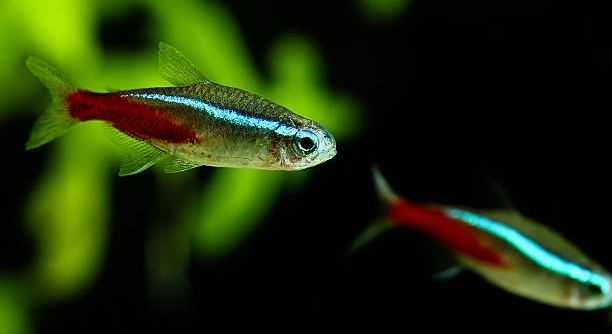
Neon Tetras are popular aquarium fish known for their vibrant colors. However, if your fish ignore their food, it can be frustrating. Understanding why this happens is essential for ensuring your fish stay healthy and well-fed.
The main reason your Neon Tetras may ignore their food is stress. Changes in their environment, such as water quality, temperature, or tank mates, can make them lose their appetite. Addressing these factors can help encourage feeding behavior.
There are several factors that may be causing this behavior. Exploring these reasons can help you find the solution to get your fish eating again.
Stress and Tank Changes
Stress is one of the most common reasons why your Neon Tetras might ignore their food. Stress can be caused by various factors, including poor water quality, sudden temperature changes, or introducing new tank mates. Fish are highly sensitive to their surroundings, and even small changes can affect their behavior. If the water conditions aren’t ideal, the fish may become lethargic, making them less likely to eat.
Changes in the tank environment can also impact their feeding habits. When setting up your aquarium, it’s essential to keep the water temperature and pH levels stable. Regular water changes and using a reliable filter can help maintain optimal conditions. Avoid sudden fluctuations in the tank, as they can trigger stress responses in your fish.
To reduce stress, ensure your Neon Tetras are in a calm and stable environment. Providing hiding spots and avoiding overcrowding can also help keep them relaxed. Maintaining consistent conditions will encourage healthy feeding habits and better overall behavior.
Overfeeding and Feeding Schedule
Feeding too much can be another reason your Neon Tetras aren’t eating. When food is left uneaten in the tank, it can pollute the water, causing poor water quality. This can lead to your fish avoiding food as they become stressed by the deteriorating conditions. Establish a proper feeding schedule to avoid overfeeding and maintain a clean environment.
Neon Tetras are small and typically need only a small amount of food each day. Offering them the right portion helps prevent overfeeding while ensuring they get the nutrition they need. Avoid leaving uneaten food in the tank for too long as it can affect water quality. Adjust the feeding schedule based on the needs of your fish, and remember that smaller, more frequent feedings are usually better than large portions at once. Monitoring the amount of food provided and removing leftovers can keep the tank clean and encourage your Neon Tetras to eat.
Feeding your fish properly is essential to maintaining their health and happiness. Keep a consistent feeding routine, and adjust as needed. This will not only help prevent overfeeding but also improve the overall health of your Neon Tetras.
Water Quality
Water quality is essential for the health of your Neon Tetras. Poor water conditions, such as high ammonia or nitrite levels, can cause stress and lead to a loss of appetite. Regular water testing and frequent changes are key to maintaining a healthy environment.
Make sure the water temperature is consistent and falls within the ideal range of 72-78°F. Neon Tetras prefer slightly acidic to neutral water with a pH level between 6.0 and 7.0. Keeping the tank clean and performing regular water changes will prevent the buildup of harmful toxins and improve your fish’s health. A good filtration system is crucial to maintain these conditions consistently.
You can also add a water conditioner to neutralize chlorine or chloramine in tap water. Always check your water parameters before feeding your fish to ensure the environment is optimal. Monitoring these factors regularly ensures a stable habitat that encourages your Neon Tetras to eat and thrive.
Tank Mates
Tank mates play a crucial role in the feeding behavior of your Neon Tetras. If they are placed with aggressive or overly active fish, it can cause anxiety and discourage feeding. Selecting peaceful companions can help your fish feel secure and more willing to eat.
Some tank mates, like larger fish or aggressive species, might intimidate the Neon Tetras, leading them to hide and avoid food. It’s best to keep them with other peaceful, small species. Avoid overly competitive tank mates who may also steal their food. Peaceful community fish, such as guppies or other tetras, can create a calm and welcoming environment for your Neon Tetras.
Keeping your fish in a stress-free environment, with compatible tank mates, improves their chances of eating regularly. Maintaining harmony in the tank promotes healthy feeding habits and ensures that your Neon Tetras can peacefully enjoy their meals.
Overcrowding
Overcrowding is a major issue that can lead to stress and a lack of appetite in Neon Tetras. When too many fish are in a small tank, competition for food and space increases, which can make your fish anxious and reluctant to eat.
Keeping the right number of fish in your aquarium is essential. Make sure your tank size can accommodate the number of Neon Tetras and other species you have. Overcrowding not only impacts feeding habits but also water quality. If the tank is too crowded, your fish may feel threatened and stop eating.
Monitor the stocking density of your tank and avoid adding too many fish at once. A well-balanced tank with enough space for each fish can improve the overall health and feeding behavior of your Neon Tetras.
Wrong Type of Food
Feeding your Neon Tetras the wrong type of food can lead to disinterest in their meals. If the food doesn’t meet their dietary needs or is difficult to consume, they may simply ignore it. Make sure the food you offer is suitable for their size and taste.
Neon Tetras thrive on a variety of small, high-quality foods such as flakes, pellets, and live or frozen foods like brine shrimp. The size and texture of the food should be easy for them to eat. You can also try offering different types of food to see what they prefer. Avoid over-relying on one type of food, as variety can keep them engaged during feeding times.
Temperature
Temperature affects your Neon Tetras’ activity level and appetite. If the water is too cold or too warm, they might refuse to eat. Ensure your tank’s temperature stays within the ideal range of 72-78°F to maintain healthy feeding habits.
When the temperature fluctuates outside of this range, it can lead to stress or reduced activity in your fish. Too cold, and they may become sluggish and stop eating. Too hot, and they might become lethargic. Keeping a consistent temperature helps maintain your Neon Tetras’ feeding behavior and overall health.
FAQ
Why do Neon Tetras sometimes ignore food?
Neon Tetras may ignore food due to various factors, including stress, poor water quality, and incompatible tank mates. If their environment isn’t ideal, they may become too anxious or lethargic to eat. Consistent water temperature, proper tank conditions, and reducing stressors like aggressive fish are key to solving this issue.
How often should I feed my Neon Tetras?
Neon Tetras should be fed once or twice a day. It’s important to offer only as much food as they can eat in a few minutes. Overfeeding can lead to poor water quality and health problems. Smaller, frequent feedings are better for keeping the tank clean and encouraging regular eating habits.
What temperature is best for Neon Tetras?
Neon Tetras thrive in water that’s between 72°F and 78°F. Maintaining a consistent temperature in this range is crucial to keeping them healthy. If the water is too cold or too hot, your fish may become inactive or lose their appetite. Use a reliable aquarium heater and thermometer to ensure stability.
Can Neon Tetras eat flakes?
Yes, Neon Tetras can eat flake food. In fact, high-quality flake food is a good option for them as it provides balanced nutrition. Be sure to choose flakes that are small enough for them to consume. You can also supplement their diet with live or frozen foods like brine shrimp or daphnia.
Is it normal for Neon Tetras to stop eating for a while?
Occasionally, Neon Tetras may stop eating temporarily due to stress, illness, or changes in the tank environment. If they stop eating for more than a couple of days, it’s important to check the water quality and tank conditions. If the problem persists, a visit to an aquarium vet might be necessary.
Can Neon Tetras survive without food for a few days?
Neon Tetras can survive without food for a short period, but prolonged fasting can weaken their immune system and affect their health. If you need to leave your tank unattended for a few days, it’s a good idea to have a feeding schedule set up or have someone help feed them.
What is the best diet for Neon Tetras?
A well-balanced diet for Neon Tetras includes high-quality flakes, pellets, and occasional live or frozen foods like brine shrimp, bloodworms, and daphnia. Offering a variety of foods ensures they get the nutrients they need for growth and good health. Avoid overfeeding and keep their portions small.
Why aren’t my Neon Tetras eating pellets?
If your Neon Tetras are not eating pellets, it could be because they’re too large, hard to consume, or not to their liking. Try using smaller pellets or different brands that cater specifically to small fish. You could also try soaking the pellets in water to soften them before feeding.
Can Neon Tetras eat plants?
While Neon Tetras do not typically eat plants, they may nibble on soft plants occasionally. To prevent damage to your plants, provide enough alternative food sources. If your fish seem particularly interested in plants, you can introduce more robust species or offer additional food options to reduce plant consumption.
Are Neon Tetras sensitive to water changes?
Yes, Neon Tetras are quite sensitive to water changes. Abrupt changes in temperature, pH, or water quality can cause stress and disrupt their feeding habits. Make sure to perform gradual water changes to avoid shocking your fish. This helps maintain a stable environment, encouraging your Tetras to eat and stay healthy.
Why do my Neon Tetras ignore food when I first introduce them to a new tank?
When first introduced to a new tank, Neon Tetras may experience stress due to unfamiliar surroundings. This can cause them to refuse food. It’s important to give them time to acclimate and ensure the water conditions are optimal. Once they feel safe, they should resume eating.
Can Neon Tetras eat freeze-dried food?
Yes, Neon Tetras can eat freeze-dried food. Freeze-dried options like bloodworms or brine shrimp are good treats, but they should not make up the bulk of their diet. It’s best to rehydrate freeze-dried food before feeding it to your fish to make it easier for them to consume.
Final Thoughts
Neon Tetras are beautiful and peaceful fish that can make a great addition to any aquarium. However, if they are not eating, it’s important to assess several factors. Water quality, temperature, tank mates, and stress levels all play a significant role in their feeding behavior. Ensuring that these elements are in balance will encourage your fish to feel comfortable and eat regularly.
It’s essential to maintain the right tank conditions. Regular water changes, testing for ammonia, nitrite, and nitrate levels, and keeping the temperature between 72°F and 78°F are all crucial for their health. Additionally, providing proper filtration will help keep the water clean and safe. If your Neon Tetras are still refusing food despite these measures, it may be worth considering their tank mates. Aggressive or overly active fish can intimidate Neon Tetras and prevent them from eating. Choosing peaceful, compatible species is vital for creating a harmonious environment.
Lastly, don’t forget that the right food plays a major role in encouraging your Neon Tetras to eat. Offering a variety of small, high-quality flakes, pellets, and live or frozen foods will help keep them engaged during feeding time. By addressing water quality, tank mates, and food options, you can help ensure that your Neon Tetras stay healthy and active. With a little patience and attention to detail, your fish will likely resume eating and thrive in their environment.

Hello,
If you enjoy the content that we create, please consider saying a "Thank You!" by leaving a tip.
Every little bit helps us continue crafting quality advice that supports the health, happiness, and well-being of pets around the world, for pets of all shapes, sizes, and species.
We really appreciate the kindness and support that you show us!