
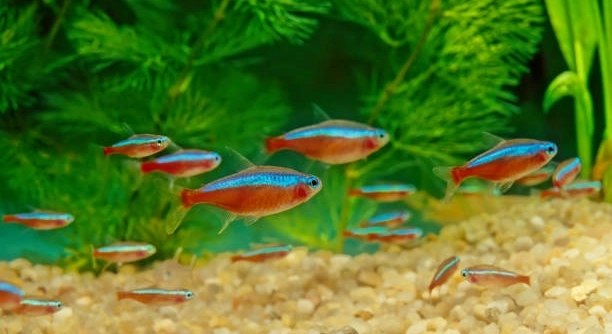
Keeping neon tetras in a planted tank can be a rewarding experience. These small, vibrant fish thrive in environments that mimic their natural habitats, especially when plants are involved. It’s essential to provide the right conditions.
To successfully maintain neon tetras in a planted tank, ensure proper water parameters such as temperature, pH, and hardness. The plants should provide hiding spots and oxygenation, while regular maintenance and proper feeding will keep the fish healthy.
With the right care and setup, your neon tetras can live happily and thrive in their planted tank environment.
Water Temperature and pH Levels
For neon tetras to thrive, maintaining the right water temperature and pH is essential. These fish prefer temperatures between 72°F and 78°F (22°C to 26°C). Keeping the water too warm or too cold can stress the fish, making them more susceptible to diseases. The pH level should be slightly acidic to neutral, ideally between 6.0 and 7.0. This helps create a comfortable environment for the fish and supports their overall well-being.
In addition to maintaining the right temperature and pH, it’s important to monitor the water regularly. Having a reliable water testing kit can help you track changes and adjust the environment as needed. A stable water condition will ensure that your neon tetras are healthy and vibrant.
A good filtration system is also important, as it helps maintain water quality and circulation. The filter should be gentle enough not to create strong currents but effective enough to keep the tank clean.
Aquarium Plants and Decorations
Planted tanks provide neon tetras with a natural habitat. Live plants not only enhance the aesthetic but also contribute to the water’s oxygen levels, which is crucial for fish health. It’s important to choose plants that are hardy and easy to care for. Low-light plants like Java moss, Anubias, or Amazon swords are great choices for beginners.
Plants also offer shelter and hiding spots for neon tetras, reducing stress. Fish often need spaces where they feel safe, especially when they are adjusting to a new environment or avoiding tank mates. Providing these hiding spots is key to keeping your tetras calm and comfortable.
Adding rocks, driftwood, and soft substrates can also help recreate their natural habitat. However, avoid sharp decorations that could injure the fish. By maintaining a balanced environment with plants and soft decor, your neon tetras will be able to flourish.
Water Hardness and Filtration
Water hardness plays a significant role in the health of your neon tetras. These fish do best in soft to moderately hard water. Hard water can cause stress and impact their ability to thrive long-term. Using a water softener or adjusting your water parameters can help keep your tetras comfortable.
A proper filtration system also ensures the water remains clean and free from toxins. Neon tetras are sensitive to poor water quality, so maintaining the right filtration is crucial. Choose a filter that suits the tank size and doesn’t produce too strong of a current.
Regular water changes are also important. About 25% of the water should be replaced weekly to keep toxins like ammonia and nitrates in check. This ensures a stable and healthy environment for your fish.
Feeding and Diet
Neon tetras are small fish with relatively simple dietary needs. They thrive on a balanced diet of high-quality flake foods, pellets, and occasional live or frozen foods like daphnia or brine shrimp. It’s important not to overfeed, as this can lead to poor water quality and health issues.
Feed your neon tetras small amounts two to three times per day. This helps them digest their food properly without leaving excess that will decay and harm the water. You can also supplement their diet with occasional plant matter, such as blanched spinach or algae wafers, for variety.
Maintaining a proper feeding routine is key. Skipping meals occasionally won’t harm them, but a regular feeding schedule helps ensure they stay healthy and active.
Tank Size and Space
Neon tetras require a tank that provides enough space for swimming. A minimum of a 10-gallon tank is recommended for a small group of them. This allows them to feel secure and reduces territorial aggression. A larger tank can help maintain water quality and stability.
While neon tetras are small, they still need room to thrive. Overcrowding can lead to stress and unhealthy water conditions. Providing enough space for them to swim freely will ensure they stay active and healthy. A spacious tank also supports the growth of plants and decorations, adding to their environment.
Tank Mates
When choosing tank mates for neon tetras, aim for peaceful species that won’t harm or stress them. Small, non-aggressive fish like guppies, Corydoras, or other tetra species are ideal companions. Avoid larger, more aggressive fish that may see them as food.
Also, consider the swimming habits of potential tank mates. Fish that swim at different levels can reduce the chance of conflict and allow everyone enough space. Make sure to observe all fish for signs of aggression and remove any disruptive individuals quickly to maintain peace in the tank.
Lighting and Day/Night Cycle
Proper lighting is important for both the plants and the fish. Neon tetras prefer dim lighting, as it mimics their natural environment. Too bright of a light can cause stress. Use a light that simulates the natural day and night cycle, offering around 10 to 12 hours of light per day.
It’s important to have a clear day/night cycle. A consistent light schedule helps regulate your neon tetras’ biological rhythms and reduces stress. Use a timer for your aquarium lights to make the process easier. Ensuring that they have a dark period each night helps keep them healthy and comfortable.
FAQ
Can neon tetras live with other fish?
Yes, neon tetras can live peacefully with other small, peaceful fish. Species like guppies, Corydoras catfish, and other peaceful tetras make good tank mates. Avoid large or aggressive fish, as they may stress or harm neon tetras. It’s important to choose tank mates that won’t compete for the same space or food.
How many neon tetras should be kept together?
Neon tetras are social fish and do best in groups of at least six or more. Keeping them in a school helps them feel secure and reduces stress. A group of neon tetras will also display more natural behaviors, such as schooling together and swimming more actively.
What is the ideal water temperature for neon tetras?
Neon tetras thrive in water temperatures between 72°F and 78°F (22°C to 26°C). Maintaining a stable temperature within this range is important for their health. Sudden temperature fluctuations can stress the fish and lead to health problems. A reliable aquarium heater can help maintain the right temperature.
How often should I feed neon tetras?
Feed neon tetras small amounts two to three times a day. Offer only what they can eat in a few minutes to avoid overfeeding, which can lead to poor water quality. You can feed them a mix of high-quality flakes, pellets, and occasional live or frozen foods like daphnia or brine shrimp.
Can neon tetras live in a tank with live plants?
Yes, neon tetras thrive in planted tanks. Live plants mimic their natural habitat and provide shelter, oxygen, and hiding places. Plants like Java moss, Anubias, and Amazon swords are good choices. They also help maintain water quality by absorbing excess nutrients and improving oxygen levels.
What type of substrate is best for neon tetras?
Neon tetras don’t have specific substrate requirements, but they do best in tanks with fine gravel or soft sand. A soft substrate prevents injury to their delicate fins and is easy to maintain. It also allows you to plant live plants that the tetras can swim around and hide in.
How do I prevent diseases in neon tetras?
Maintaining good water quality is the most important step in preventing diseases. Regular water changes, proper filtration, and stable water parameters will keep neon tetras healthy. Avoid overfeeding and check for signs of stress or illness, such as faded colors or erratic swimming. Quarantining new fish before adding them to the tank also helps prevent the spread of disease.
Do neon tetras need a lid on their tank?
Yes, a lid is recommended for neon tetras. These small fish are known to jump out of tanks, especially if they are startled or stressed. A secure lid will prevent accidental escapes and help maintain a stable environment. Ensure the lid allows for proper ventilation to prevent overheating.
Can neon tetras live in hard water?
Neon tetras prefer soft water, but they can survive in moderately hard water. However, it’s best to avoid hard water for long-term health. If your tap water is too hard, consider using a water softener or adjusting the water parameters to bring the hardness down.
How do I acclimate neon tetras to a new tank?
When introducing neon tetras to a new tank, it’s important to acclimate them slowly to avoid shock. Float the bag with the fish in the tank for about 15-20 minutes to equalize the temperature. Then, gradually mix small amounts of tank water into the bag every 5 minutes before releasing the fish.
What should I do if my neon tetras are not eating?
If your neon tetras are not eating, check the water quality. Poor water conditions can cause stress and loss of appetite. Also, ensure you’re offering a variety of foods. Try different types of flake or frozen foods, and if the problem persists, consider consulting an aquarium specialist for further advice.
How long do neon tetras live?
Neon tetras typically live for 5 to 10 years in a well-maintained aquarium. Proper care, including stable water conditions, a balanced diet, and a stress-free environment, will help ensure they live a long, healthy life. Regular tank maintenance is key to keeping them in top condition.
Are neon tetras easy to care for?
Yes, neon tetras are relatively easy to care for, making them a great choice for beginners. They don’t have complex needs, but they do require stable water conditions and a peaceful environment. Regular tank maintenance, proper feeding, and suitable tank mates will help keep them healthy.
Why are my neon tetras hiding?
Neon tetras may hide if they’re stressed or feeling threatened. Common causes of stress include poor water quality, aggressive tank mates, or sudden changes in their environment. Check your tank conditions, reduce any sources of stress, and ensure your fish have enough hiding spots to feel secure.
Do neon tetras need a heater?
If the water temperature in your home fluctuates, using a heater is a good idea to maintain a stable environment. Neon tetras are sensitive to temperature changes, and a consistent temperature between 72°F and 78°F (22°C to 26°C) is crucial for their health.
Can neon tetras live with bettas?
Bettas are generally aggressive toward other fish, especially those with long fins or bright colors. While some people have successfully kept neon tetras with bettas, it’s a risky combination. If you choose to keep them together, monitor the tank closely for any signs of aggression or stress.
What is the best lighting for neon tetras?
Neon tetras prefer dim lighting, which mimics their natural environment in the wild. Too bright lighting can stress them. A standard aquarium light with a 10 to 12-hour day/night cycle will keep your tetras comfortable. Use a timer to maintain a consistent light schedule.
How do I know if my neon tetras are sick?
Signs of illness in neon tetras include faded or dull colors, lethargy, erratic swimming, loss of appetite, or visible spots or lesions on their bodies. If you notice any of these symptoms, check the water quality and quarantine the affected fish to prevent spreading disease.
Final Thoughts
Keeping neon tetras in a planted tank can be a rewarding experience. These small, vibrant fish bring a pop of color and movement to your aquarium, making it an enjoyable focal point in your space. By following the right care guidelines, you can ensure your neon tetras stay healthy and happy in their environment. Providing them with adequate space, clean water, and proper tank mates will reduce stress and allow them to thrive. Additionally, a well-planted tank can offer them the shelter they need while also contributing to a natural and aesthetically pleasing setup.
The key to maintaining a healthy tank for neon tetras lies in consistent care. Regular water changes, proper filtration, and monitoring water parameters are essential for preventing issues and ensuring that the environment stays suitable for them. Temperature, pH, and hardness need to be balanced to mimic their natural habitat as closely as possible. If these conditions are met, neon tetras will be more likely to flourish. Their small size and peaceful nature make them ideal for a community tank, as long as the other fish are compatible and non-aggressive.
By taking the time to understand the needs of neon tetras, you can enjoy the beauty of these colorful fish in your planted tank for years to come. With the right knowledge and equipment, you’ll create a thriving, peaceful aquarium environment. Whether you are a beginner or an experienced fish keeper, the joy of watching neon tetras swim through lush plants will make the effort worth it. Keeping them healthy and comfortable should always be your top priority, ensuring a lasting, vibrant display in your aquarium.

Hello,
If you enjoy the content that we create, please consider saying a "Thank You!" by leaving a tip.
Every little bit helps us continue crafting quality advice that supports the health, happiness, and well-being of pets around the world, for pets of all shapes, sizes, and species.
We really appreciate the kindness and support that you show us!