
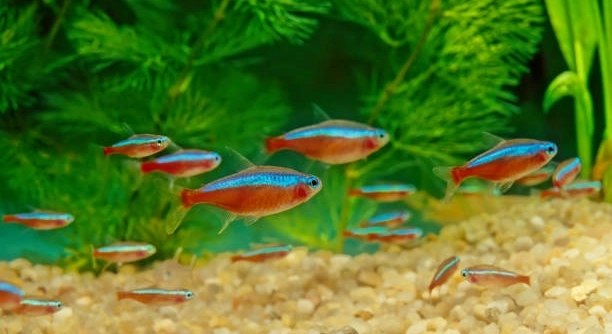
Is your neon tetra hanging out near the surface and breathing more heavily than usual in your aquarium? You’re not alone—many fishkeepers run into this issue and wonder what it means for their fish’s health.
Heavy breathing in neon tetras is often a sign of low oxygen levels, poor water quality, or underlying illness. Stress, high temperatures, and ammonia spikes can also contribute. Identifying and correcting the root cause is essential for recovery.
Understanding what’s affecting your neon tetra can help you create a healthier, more stable environment for your entire tank.
Poor Water Quality
When water quality drops, neon tetras often react by breathing heavily near the surface. High ammonia or nitrite levels, low oxygen, and fluctuating pH can all cause stress. Neon tetras are sensitive to sudden changes, so even small issues can quickly affect their breathing. Using a reliable test kit helps you track these parameters and spot problems early. If your fish is showing signs like gasping or clamped fins, check the water immediately. Frequent water changes, a stable temperature, and proper filtration are key. Dirty filters, overcrowding, or decaying plants can all contribute to low oxygen levels or spikes in harmful chemicals.
A clean tank with good water movement allows your fish to breathe easily and stay active. Always treat tap water with a conditioner to remove chlorine or chloramine before adding it to the tank.
Fixing the water can quickly improve how your neon tetra behaves and help them return to normal breathing.
Lack of Oxygen
Heavy breathing may mean your tank lacks enough oxygen. This happens often in warm, still water with little surface movement.
Add an air stone or adjust your filter’s outflow to increase circulation. Live plants can help too, especially during the day when they release oxygen. Neon tetras thrive in tanks with consistent airflow and steady oxygen levels. If your tank is crowded, each fish gets less oxygen, making breathing harder. Keep stocking levels low, and avoid overfeeding, which adds waste. Checking temperature is important too—warmer water holds less oxygen. A drop in oxygen can happen fast, but with small adjustments, your tank can stay healthy and your fish can breathe comfortably.
Stress from Sudden Changes
Stress affects how neon tetras breathe. If you recently cleaned the tank, moved decorations, or added new fish, your tetra may react by breathing heavily.
Quick changes to the tank can be overwhelming for small fish. Neon tetras like stability, and they often show stress through fast gill movement or erratic swimming. Moving them to a new tank without proper acclimation can also shock their system. To ease this, keep water parameters consistent, limit sudden changes, and introduce new fish slowly. Dim lighting and extra hiding spots can help your fish feel safer during transitions.
When stressed, neon tetras may also avoid eating or isolate themselves in corners. A stable routine, gentle water changes, and quiet surroundings can make a big difference. Keep noise and movement around the tank minimal, especially after big changes. A peaceful, well-balanced environment gives your fish space to recover and breathe normally again.
High Water Temperature
Warm water holds less oxygen, and that can cause neon tetras to breathe harder than usual. If your tank runs too hot, oxygen drops, and your fish may gasp at the surface.
Neon tetras prefer a steady temperature between 72°F and 76°F. Anything higher can stress them and reduce available oxygen. Heaters without thermostats or warm rooms can push the tank temperature too high. Always monitor with a reliable thermometer, and if needed, use a fan or cooling system to bring the temperature down gradually. Make sure your tank isn’t in direct sunlight. Combine lower temperatures with increased water movement for better oxygen levels. If your tetra breathes heavily only during the warmest part of the day, the heat could be the reason. Slow changes are best—rapid cooling can also be harmful. Once the temperature is stable and comfortable again, breathing should return to normal and your fish will feel more at ease.
Ammonia or Nitrite Spike
Ammonia and nitrite are toxic even in small amounts. If levels rise, your neon tetra may gasp for air or stay near the surface.
Use a liquid test kit regularly to monitor these values. Perform partial water changes and add beneficial bacteria to bring levels down quickly and safely.
Underlying Illness
Some diseases cause neon tetras to breathe heavily, even if the water looks fine. Gill parasites, bacterial infections, or internal issues can all affect how they breathe. Look for signs like discoloration, bloating, or ragged fins. If symptoms appear, isolate the fish and start treatment quickly to avoid spreading illness.
Overcrowding
Too many fish in a small tank can lower oxygen, raise waste levels, and increase stress. Keep stocking low, and make sure your tank has enough space and filtration for all fish to thrive.
FAQ
How can I quickly tell if my neon tetra is breathing heavily?
You might notice fast gill movement or your tetra staying near the surface for long periods. They may also look like they’re gasping or fluttering their fins more than usual. These signs often show up before any other symptoms, so catching them early helps.
Should I worry if only one tetra is breathing heavily?
Yes, even if it’s just one fish, it could signal a problem in the tank. It might be stress, illness, or water quality. Isolate the fish if possible and check water parameters right away. Catching issues early prevents them from spreading or getting worse.
Can poor lighting affect my neon tetra’s breathing?
Not directly, but poor lighting can stress your fish, which then affects breathing. Too much light or lights that stay on too long may overwhelm them. Neon tetras prefer a day-night cycle with soft lighting to feel secure and relaxed.
How often should I test the water?
Testing your water once a week is ideal, especially if your tank is small or recently cycled. Use liquid test kits to check ammonia, nitrite, nitrate, and pH. Testing more often is helpful if you’ve had recent problems or added new fish.
Is an air pump necessary?
Not always, but it can help. If your tank has poor surface movement or many fish, an air pump boosts oxygen. Filters with strong surface agitation can sometimes be enough, but adding an air stone gives extra support during warm weather or heavy breathing episodes.
What should I feed a stressed neon tetra?
Feed high-quality flakes or micro pellets. If they’re not eating, try offering small amounts of thawed frozen food like daphnia or bloodworms. Keep feedings light and remove uneaten food to keep the water clean. A calm environment also encourages eating.
Do live plants help with breathing issues?
Yes, live plants can improve oxygen levels, especially during the day. Plants also help absorb waste and create hiding spots that lower stress. Avoid overcrowding the tank with plants, though—too many can use oxygen at night and cause drops by morning.
Can heavy breathing mean my tetra is dying?
It can be a sign of serious trouble, but not always. If you act quickly—check water, reduce stress, and treat any illness—your fish has a good chance to recover. Long-term heavy breathing without improvement is more concerning and may lead to decline.
Why is my tetra only breathing hard after a water change?
This usually means the new water was too cold, too warm, or not treated properly. Always match the temperature and use a water conditioner to remove chlorine or chloramine. Sudden shifts during water changes can easily shock sensitive fish like neon tetras.
How long does it take for breathing to return to normal?
That depends on the cause. If the issue was low oxygen or temperature, breathing might improve within hours after fixing it. Illness or stress may take a few days to a week. Watch for small signs of improvement, like more swimming and eating.
Can strong filters stress my neon tetras?
Yes, neon tetras prefer calm water. If the filter creates a strong current, it can make swimming harder and cause stress. Use a sponge over the outflow or redirect the flow toward the glass to soften it. Balanced water movement keeps them comfortable.
Do neon tetras need a heater to breathe properly?
They need stable, warm water between 72°F and 76°F. A heater helps keep temperature consistent, especially in cooler rooms. Sudden drops can slow their metabolism and make breathing more difficult. A reliable heater prevents these shifts and supports steady breathing.
How do I know if it’s parasites causing the problem?
Look for signs like rubbing against objects, inflamed gills, or white spots. If your tetra shows these alongside heavy breathing, it could be gill parasites or ich. Quarantine the fish and treat the tank with an appropriate medication to stop the spread.
Is it okay to add salt when my tetra is breathing heavily?
In small doses, aquarium salt can help with stress and minor gill issues, but neon tetras are sensitive. Only use salt if you’re sure it’s safe for your setup and follow proper dosing. Never add salt blindly—research first and monitor closely.
Final Thoughts
Taking care of neon tetras means paying attention to small changes in their behavior. Heavy breathing is one of those signs that should not be ignored. It can mean there’s a problem with the water, temperature, or even an illness starting to develop. By understanding the possible causes, you can step in early and help your fish feel better. Checking the tank regularly, testing the water, and making sure the environment is calm and safe are all simple ways to keep your fish healthy. Sometimes it’s just a matter of small adjustments, like changing the filter flow or adding a bit more air to the tank.
It’s also important to think about stress. Stress plays a big role in how well your fish can breathe and handle other problems. Too much noise, sudden light changes, or aggressive tank mates can lead to breathing issues even if everything else looks fine. Keeping your tank peaceful and consistent makes a big difference. If your fish starts breathing heavily and nothing seems wrong in the tank, it might be time to look closer at what’s going on around the tank. Moving the aquarium to a quieter spot or adding more hiding spaces can really help. Even little things like how you feed or clean the tank can make your fish feel more secure.
In the end, it all comes down to creating a safe and balanced space. Neon tetras are small, but they rely on stable conditions to stay active and comfortable. Heavy breathing is just one way they show that something might be off. Learning to spot these signs early can prevent more serious problems down the line. Keep your tank clean, watch your fish closely, and don’t be afraid to make changes when needed. The more attention you give to their environment, the easier it becomes to keep them healthy. It’s not always about big fixes—it’s the small daily habits that keep your neon tetras breathing easily and thriving in their tank.

Hello,
If you enjoy the content that we create, please consider saying a "Thank You!" by leaving a tip.
Every little bit helps us continue crafting quality advice that supports the health, happiness, and well-being of pets around the world, for pets of all shapes, sizes, and species.
We really appreciate the kindness and support that you show us!