
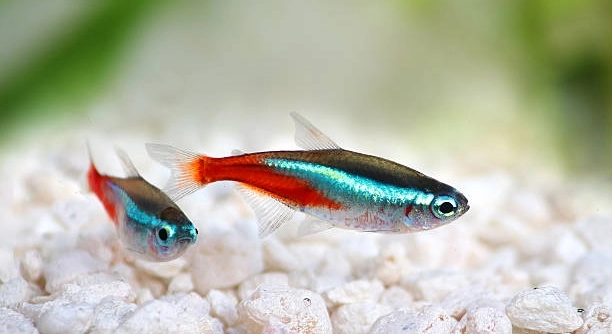
Neon Tetras are popular aquarium fish loved for their colorful appearance. If you keep them in a tank, you might be curious about their breeding habits. Understanding when they’re ready to lay eggs can help you prepare your tank.
Neon Tetras exhibit several behaviors and physical changes when they are about to lay eggs. These signs include increased activity, changes in coloration, and alterations in swimming patterns, all indicating their readiness to breed.
Recognizing these signs early will help you provide a suitable environment for the eggs. In the following sections, we’ll cover these behaviors and give you tips on how to support your fish.
Increased Activity and Restlessness
When Neon Tetras are ready to lay eggs, they often become more active than usual. You may notice them swimming around the tank more frequently, especially during the early morning or late evening. The increased movement is part of their natural breeding behavior, signaling that they are preparing to spawn. This extra energy may be accompanied by chasing each other or zooming around the tank. If you spot these changes, it’s a clear indication that your Tetras are preparing for reproduction.
They may also stop hanging out in their usual spots and begin exploring different areas of the tank. These actions help them find a suitable location for laying eggs. Keep an eye on your fish during this time to make sure they are safe from any tankmates that might stress them out.
This heightened activity often leads to a noticeable change in behavior as the Tetras start preparing their space for egg-laying. It’s important to provide enough hiding spots or plants so that the female can feel secure while depositing her eggs.
Shifting Coloration
As Neon Tetras approach egg-laying time, their coloration may shift noticeably. The males will often display brighter, more vibrant colors to attract the females. This visual change is one of the most obvious signs that breeding is near. While their usual colors are bright, during breeding periods, they often appear more intense. The males’ blue coloration becomes deeper, making them stand out in the tank.
This shift in color is not only a signal of readiness but also plays a role in mate selection. The brighter the colors, the more appealing the male will be to the female. If you see this change, you’ll know that your Tetras are likely preparing to breed.
Increased Hiding Behavior
As egg-laying approaches, the female Neon Tetra often seeks out hidden spots in the tank. This behavior is a way for her to feel safe and secure, especially in the presence of other tankmates. She may swim to the corners or hide among plants, looking for a secluded spot where she can deposit her eggs without being disturbed.
If you notice your female Tetra spending more time in these hidden areas, it’s a sign that she’s preparing for the next phase. Adding more plants or creating hiding spots in the tank can encourage this behavior and help your Tetras feel at ease.
This is a natural instinct, as the female wants to ensure the eggs are protected from potential predators. At this point, the male will closely follow her, trying to keep her company while she seeks the right place. This behavior is crucial to successful breeding and egg protection.
Flattening of the Belly
When a female Neon Tetra is ready to lay eggs, her belly will appear noticeably fuller and slightly rounded. This change is especially evident in the days leading up to egg-laying. The belly will often flatten as she prepares to release the eggs. You may notice her abdomen appearing slightly bulging, with a visible change in shape.
The female’s stomach area may look more pronounced and noticeably different from her usual slim appearance. This is due to the eggs developing inside her, getting ready for release. This sign can help you determine when the female is at her most fertile and about to lay eggs. Keeping an eye on her condition at this stage will guide you through the next steps in the breeding process.
The male Neon Tetra may also act differently during this time. He will typically become more active and might start following the female, displaying his brighter colors. This increased interaction is part of their courtship ritual before spawning. The combination of a rounded belly and male attention is an indicator that egg-laying is imminent.
Aggressive Male Behavior
During the breeding period, male Neon Tetras may become more territorial and display signs of aggression. They tend to chase each other more often, especially the other males. This aggression is a part of their competition for the female’s attention.
Males will also display more intense color patterns to attract the female, further escalating the behavior. This aggression is usually directed toward other males as they compete for the right to mate. It’s important to observe closely to ensure that no serious harm comes to any of the fish.
This aggressive behavior is often short-lived and typically fades once the male has successfully courted the female. Afterward, the males will calm down, and the focus shifts to the actual breeding process.
Special Swimming Patterns
When Neon Tetras are ready to lay eggs, they may exhibit unique swimming patterns. The male will often swim in circles or “dance” around the female to attract her. This courtship behavior is accompanied by quick movements and flashes of vibrant colors.
This synchronized swimming is a sign that mating is imminent. The female will usually follow the male’s lead, swimming in a similar pattern as part of the courtship process. The male will guide the female to a spot where they can spawn together. During this time, the tank environment should remain peaceful to avoid disrupting their behavior.
Increased Appetite
As the female prepares to lay eggs, she may experience a slight increase in appetite. This is due to the energy required for egg production. She might seem more eager to feed, consuming more food than usual during this time.
Feeding a nutritious, high-quality diet can support her energy needs. At this stage, it’s essential to make sure the female has access to the right nutrients to ensure healthy eggs. You may notice that she becomes more focused on food, preparing for the energy required for egg-laying.
FAQ
What should I do if my Neon Tetra is about to lay eggs?
If your Neon Tetra is about to lay eggs, the best thing you can do is ensure the tank environment is safe and stable. Provide plenty of plants, hiding spots, and other structures to make the fish feel secure. You should also avoid any sudden changes in water parameters, such as temperature or pH levels, which can cause stress. Make sure the water is clean and well-filtered to support the health of both the eggs and the adult fish. If possible, separate the breeding pair from other tankmates to reduce stress and increase the chances of successful egg laying.
How can I tell if my Neon Tetra is pregnant?
Female Neon Tetras do not technically get “pregnant” as livebearers do; instead, they carry eggs that are ready to be laid. The main sign to look for is a rounded belly, as the eggs inside her become visible. This is especially noticeable when she’s about to lay the eggs. The female’s abdomen will become visibly fuller, and her belly may appear more pronounced than usual. The male, on the other hand, will exhibit brighter colors and swim alongside her to encourage the laying process.
Can Neon Tetras lay eggs without a male?
No, Neon Tetras require both a male and a female to breed. The male fertilizes the eggs released by the female. If you have only females in your tank, they will not produce eggs. However, females may occasionally appear “pregnant” without being fertilized, but the eggs will remain unfertilized and will not hatch. Therefore, to breed Neon Tetras, you must have at least one male and one female together in the tank.
How many eggs will my Neon Tetra lay?
A female Neon Tetra typically lays between 40 and 100 eggs in a single spawning. However, the number of eggs can vary depending on factors such as the age and health of the female. Younger females may lay fewer eggs, while older or healthier females can lay more. The eggs are usually small and will be scattered around the tank or among plants after being fertilized by the male.
How long does it take for Neon Tetra eggs to hatch?
Neon Tetra eggs usually take about 24 to 48 hours to hatch after fertilization, depending on the water temperature. Warmer water will speed up the hatching process, while cooler temperatures may slow it down. After hatching, the baby fish, or fry, are very small and will initially rely on their yolk sacs for nourishment. They will begin swimming around the tank and looking for food within a few days.
What should I do if the eggs aren’t hatching?
If your Neon Tetra eggs aren’t hatching, first check the water conditions. Ensure the temperature is between 72°F and 80°F (22°C to 27°C), as this range is ideal for hatching. If the water temperature is too low, the eggs might not develop properly. Also, make sure that the tank is free of contaminants or harmful chemicals, as these can prevent successful hatching. If the eggs have not hatched after a couple of days, they may not have been fertilized, or they may have died off due to poor tank conditions.
How can I protect Neon Tetra eggs from other fish?
To protect Neon Tetra eggs from being eaten by other tankmates, you should consider using a breeding box or separating the breeding pair into a separate tank. Neon Tetras are known to be excellent parents, but other fish in the tank might eat the eggs if they get the chance. Providing plenty of plants or a mesh breeding box where the female can lay the eggs can help ensure the eggs remain undisturbed. Once the eggs hatch, you can return the adults to the main tank to avoid stress.
Do Neon Tetras take care of their eggs?
Unlike some fish species, Neon Tetras do not provide parental care after the eggs are laid. The eggs are usually scattered around the tank or placed in dense plants where they are left to develop on their own. While the female may watch over the area initially, she does not guard or care for the eggs. Once the eggs hatch, the fry will be on their own and must find food independently.
How can I raise Neon Tetra fry?
Raising Neon Tetra fry requires a bit of effort. After hatching, the fry will need very fine food such as infusoria, liquid fry food, or newly hatched brine shrimp. They are too small to eat regular fish flakes at first. As they grow, you can gradually introduce larger foods into their diet. It’s essential to maintain excellent water quality, as the small fry are particularly sensitive to poor conditions. Additionally, keeping the fry in a separate tank or breeding box will help protect them from being eaten by adult fish.
Why are my Neon Tetra eggs turning white?
If your Neon Tetra eggs are turning white, it is typically a sign that they have not been fertilized. Fertilized eggs will usually remain clear or slightly cloudy as they develop. Unfertilized eggs are prone to fungal infections, which can cause them to turn white. To prevent this, ensure that the male is actively fertilizing the eggs as they are laid. You can also remove any white, infected eggs to prevent the fungus from spreading to the healthy eggs.
Final Thoughts
Understanding when your Neon Tetras are about to lay eggs can help you create the best environment for them. From recognizing signs like increased activity and changes in color to observing their unique swimming patterns, these behaviors give you clues that breeding is near. Knowing what to look for helps you prepare your tank to ensure the process goes smoothly. Providing a peaceful, clean environment with plenty of hiding spots is key to a successful breeding experience.
If you’re hoping to raise fry, it’s important to separate the breeding pair and protect the eggs. Neon Tetras, while colorful and vibrant, don’t provide parental care, so the eggs are left to develop on their own. If left in the main tank with other fish, there’s a risk that the eggs could be eaten. Using a breeding box or a separate tank helps keep the eggs safe and increases the chances of hatching. Once the eggs hatch, you can start feeding the fry specialized food to help them grow.
In the end, Neon Tetra breeding is an exciting and rewarding experience. It requires a bit of patience and attention to detail, but the results can be satisfying. By paying attention to the subtle signs and providing the right conditions, you can help your Neon Tetras successfully lay and hatch their eggs. With the right care, you’ll not only see the beauty of adult Neon Tetras but also get the chance to watch the tiny fry grow into vibrant fish themselves.

Hello,
If you enjoy the content that we create, please consider saying a "Thank You!" by leaving a tip.
Every little bit helps us continue crafting quality advice that supports the health, happiness, and well-being of pets around the world, for pets of all shapes, sizes, and species.
We really appreciate the kindness and support that you show us!