
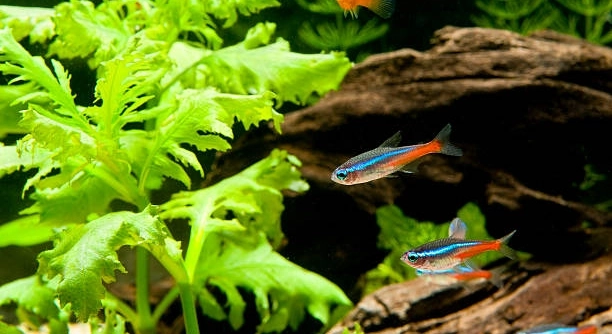
Swim bladder issues in Neon Tetras can cause concern for any aquarium owner. These tiny fish are known for their active nature, but sometimes they face health problems related to their swim bladder. It’s important to recognize these signs early to ensure their well-being.
Swim bladder disease in Neon Tetras typically manifests as abnormal swimming behavior, such as floating upside down or difficulty swimming properly. Identifying the cause and taking corrective steps can help restore normal function and prevent further complications.
Understanding the causes of swim bladder issues is the first step in properly treating them. By following the right steps, you can improve your fish’s health and ensure a better quality of life for your aquatic pet.
Identifying Symptoms of Swim Bladder Disease in Neon Tetra
Swim bladder issues in Neon Tetras can appear in different ways. The most noticeable symptom is when your fish struggles to swim, either by floating at the top or sinking to the bottom. Other signs include a bloated appearance, or the fish swimming in an erratic pattern. These behaviors can indicate that the swim bladder is either overinflated, deflated, or blocked. Often, the problem is related to poor water quality, diet, or stress. Sometimes, an infection can cause inflammation in the swim bladder, further complicating things. If you notice any of these symptoms, it’s important to act quickly to avoid long-term harm.
If your Neon Tetra is struggling to swim normally, it’s a clear sign that there may be a problem with its swim bladder. Timely treatment can prevent the issue from worsening.
Remember, stress, overfeeding, or poor water conditions can trigger swim bladder problems. Ensuring a balanced environment and proper feeding can prevent further complications. Regular water changes and feeding in moderation will keep your Tetras in good health.
Treating Swim Bladder Issues in Neon Tetras
When it comes to treating swim bladder issues, the first step is to isolate the affected fish. This helps reduce stress from tank mates and makes monitoring easier. Check your aquarium’s water conditions, ensuring the temperature and pH levels are optimal. Poor water quality is a leading cause of swim bladder problems, so maintaining clean water is vital. After addressing the environment, consider adjusting your fish’s diet. Feed smaller amounts, and avoid offering foods that can cause bloating, like live or frozen food.
Next, you can try a fasting period of up to 48 hours, which allows the fish’s digestive system to reset. This can help with constipation, which often contributes to swim bladder issues. If the fish appears bloated, adding aquarium salt can sometimes relieve pressure on the swim bladder and aid in recovery. In more severe cases, seeking professional help or medication might be necessary. Regular monitoring is key to assessing the progress of the fish’s recovery.
Water Quality and Its Impact on Swim Bladder Health
Maintaining high water quality is essential to preventing swim bladder problems in Neon Tetras. Poor water conditions can lead to stress, infection, or bloating, all of which affect the swim bladder. Testing the water for ammonia, nitrites, and nitrates regularly helps keep things in check. Ensure proper filtration and a regular water change routine.
Ensure the temperature stays between 72°F and 80°F. Extreme temperature changes can also stress your fish and trigger health problems. A stable environment promotes a healthier immune system, making your Tetras less likely to develop swim bladder issues. Clean the tank regularly, and avoid overfeeding to reduce waste buildup.
Proper filtration helps maintain water cleanliness, preventing the accumulation of harmful substances. Additionally, remove uneaten food after feeding, as it can decay and pollute the water. It’s also important to avoid overcrowding your tank, as it can result in poor water quality and added stress for your fish.
The Role of Diet in Swim Bladder Problems
The diet of your Neon Tetra plays a major role in preventing swim bladder issues. Overfeeding or offering the wrong types of food can lead to bloating, which directly impacts the swim bladder. Offer a balanced diet with a mix of high-quality flakes or pellets. Avoid live foods that might cause digestion issues.
Feeding your fish in moderation and providing high-quality foods helps maintain a healthy digestive system. It’s also crucial to avoid overfeeding, as this can lead to constipation or bloating, both of which contribute to swim bladder problems. Stick to small portions, and only feed your fish once or twice a day.
Consider adding plant-based foods like daphnia or peas to their diet. These can aid in digestion and prevent constipation, which is often a contributing factor to swim bladder issues. A varied and controlled diet ensures your Neon Tetras stay healthy and are less likely to experience health problems like swim bladder disease.
Stress and Its Effects on Swim Bladder Health
Stress is one of the leading causes of swim bladder issues in Neon Tetras. Changes in water conditions, tank mates, or even a noisy environment can trigger stress in these sensitive fish. Stress weakens their immune system and makes them more vulnerable to health problems like swim bladder disease.
If your fish are stressed, they may show abnormal swimming behavior or act lethargic. It’s important to minimize stressors in the tank. Keep tank conditions stable, avoid overcrowding, and provide hiding spots for your fish to reduce stress. Monitoring their behavior regularly can also help identify stress early.
When to Seek Professional Help
If home treatments don’t work, it may be time to seek help from a professional. A vet specializing in aquatic animals can offer a more specific diagnosis and treatment plan. In some cases, the condition may require medication or specialized care that you can’t provide at home.
Professional care can help address underlying infections or conditions that may be contributing to swim bladder problems. A vet might suggest specialized treatments, such as antibiotics or anti-inflammatory medications, to reduce swelling or treat infection. Always seek help sooner rather than later to prevent long-term damage.
FAQ
What causes swim bladder issues in Neon Tetras?
Swim bladder issues in Neon Tetras can be caused by a variety of factors, including poor water quality, overfeeding, stress, and infections. Improper water conditions can lead to stress or a weakened immune system, which makes them more susceptible to health problems. Overfeeding can lead to bloating and constipation, affecting the swim bladder. Stress from overcrowding or other tank mates can also play a role. Sometimes, an injury or an internal infection can cause inflammation in the swim bladder. It’s essential to maintain stable conditions and monitor their diet to prevent these problems.
How do I treat swim bladder disease in Neon Tetras?
The treatment for swim bladder disease depends on the cause. Start by isolating the affected fish to reduce stress and improve monitoring. Check the water parameters (temperature, pH, ammonia levels) and ensure they are within the ideal range for Neon Tetras. You can also try fasting the fish for a couple of days to clear out any digestive blockages. If the issue is related to constipation, feeding them cooked peas or adding aquarium salt might help. In severe cases, it’s best to consult a vet to get proper medication for infection or inflammation.
Can swim bladder disease be prevented?
Yes, swim bladder disease can often be prevented by maintaining good water quality, avoiding overfeeding, and keeping the tank stress-free. Regular water changes, proper filtration, and monitoring water parameters are essential for a healthy tank environment. Overfeeding should be avoided by offering small, appropriate portions of food, and sticking to a consistent feeding schedule. Reducing stress factors, such as avoiding sudden changes in the tank’s environment and ensuring that there are enough hiding spots, can also prevent swim bladder issues.
Can swim bladder disease be cured?
Swim bladder disease can often be treated and sometimes cured, especially when caught early. If the issue is caused by constipation, the fish may recover after a fasting period and a few days of a proper diet. If the problem is linked to water quality, improving the tank’s conditions may help. In cases where infection or injury is the cause, medication or professional care may be required. However, the success of treatment depends on the underlying cause and the promptness of intervention.
Is swim bladder disease contagious to other fish?
Swim bladder disease itself is not contagious, as it is typically caused by factors like poor water quality, overfeeding, or injury. However, if an infection is the cause of the issue, then there’s a possibility that it could spread to other fish. In this case, isolating the affected fish and treating the tank is crucial to prevent any potential spread of the infection. It’s always best to observe the other fish closely for any symptoms of illness.
Should I separate a sick Neon Tetra with swim bladder issues?
Yes, isolating a sick Neon Tetra with swim bladder issues is generally recommended. This helps reduce stress from other fish and makes it easier to monitor their condition. In addition, isolating the fish allows you to address water quality and diet issues without affecting the rest of the tank. Use a quarantine tank with clean water to keep the fish safe while you treat them. Make sure the quarantine tank has similar water conditions to the main tank to avoid additional stress.
Can swim bladder problems be caused by tank mates?
Yes, tank mates can sometimes contribute to swim bladder problems in Neon Tetras. Aggressive or overly active fish can stress out the Tetras, leading to health issues like swim bladder disease. Overcrowding can also lead to poor water quality and stress. It’s important to select compatible tank mates that won’t cause stress or competition for space. Adding plenty of plants or hiding spots can help reduce stress levels by providing a safe space for your fish to retreat.
What is the best diet for preventing swim bladder disease in Neon Tetras?
To prevent swim bladder disease, feed your Neon Tetras a well-balanced diet that consists mainly of high-quality flakes or pellets. Avoid live foods that might cause bloating, like bloodworms or brine shrimp. Offering a variety of food, including plant-based options like daphnia and finely chopped vegetables (such as peas), can help prevent constipation. Feeding smaller portions several times a day rather than one large meal will help avoid overfeeding, which is a major contributor to digestive issues and swim bladder problems.
How can I tell if my Neon Tetra has constipation?
Signs of constipation in Neon Tetras include bloating or difficulty swimming. If your fish is having trouble maintaining buoyancy, floating at the top or sinking to the bottom, constipation might be the cause. Sometimes, you may notice a swollen belly or a loss of appetite. A short fasting period of up to 48 hours and offering foods like cooked peas can often help clear up constipation. If these methods don’t work, you may need to explore other causes for the swim bladder issues.
Is it safe to use aquarium salt for treating swim bladder disease?
Aquarium salt can sometimes help with swim bladder disease, especially if the problem is related to constipation or swelling. Salt can reduce swelling and help with water balance, easing pressure on the swim bladder. However, it’s essential to use aquarium salt carefully and not exceed the recommended dosage, as too much salt can harm the fish. Always dissolve the salt in water before adding it to the tank, and monitor your fish closely during treatment. It’s best to use salt as a temporary solution while addressing the root cause of the issue.
How long does it take for a Neon Tetra to recover from swim bladder disease?
The recovery time for a Neon Tetra depends on the severity of the swim bladder issue and the effectiveness of the treatment. If the problem is due to constipation or digestive issues, recovery can take a few days, especially after fasting and offering foods like peas. In cases where the problem is due to poor water quality or stress, it may take longer to see improvement, depending on how quickly conditions are corrected. If the cause is an infection, it may take weeks, and professional treatment may be necessary.
Final Thoughts
Swim bladder issues in Neon Tetras are common but manageable with the right approach. While it can be alarming to see your fish struggle with swimming or display unusual behavior, it’s important to act quickly to address the underlying cause. Regular maintenance of water quality, proper feeding practices, and minimizing stress can go a long way in preventing these issues. If your fish begins showing signs of swim bladder disease, you can often resolve it by adjusting their diet, fasting for a couple of days, or improving water conditions. However, it’s important to monitor their behavior closely and take action as soon as you notice any changes.
When treating swim bladder disease, the most important first step is to check and improve water quality. Make sure your tank’s temperature, pH levels, and ammonia levels are all within the ideal range for Neon Tetras. Poor water quality is a major factor in health issues for these fish, including swim bladder problems. Keeping your tank clean and making sure that it’s not overcrowded will help reduce the stress that can lead to swim bladder issues. Also, consider isolating sick fish to minimize stress from tank mates and to keep an eye on their condition. This can help with faster recovery as you address the problem in a controlled environment.
While home remedies like fasting, adding aquarium salt, or adjusting diet can be effective, there are cases where professional help may be necessary. If your fish’s condition doesn’t improve after trying these methods, it might be time to consult with an aquatic vet. They can provide a more accurate diagnosis and offer treatments that you might not be able to do at home. In any case, early detection and consistent care are key to helping your Neon Tetra recover and avoid long-term health issues. With the right care and attention, your fish can recover and continue to thrive in your aquarium.

Hello,
If you enjoy the content that we create, please consider saying a "Thank You!" by leaving a tip.
Every little bit helps us continue crafting quality advice that supports the health, happiness, and well-being of pets around the world, for pets of all shapes, sizes, and species.
We really appreciate the kindness and support that you show us!