
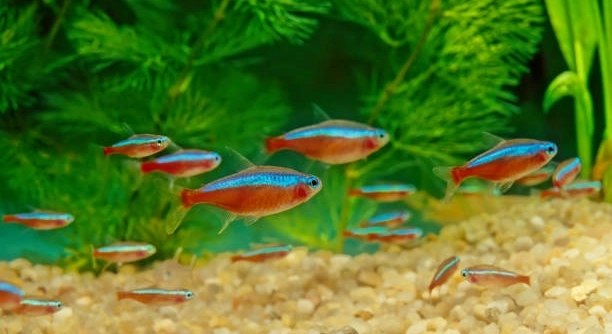
Neon Tetras are popular aquarium fish, known for their vibrant color and peaceful nature. However, keeping their tank clean from algae can be a challenge. Algae-eating tank mates can help maintain a healthy environment for your fish.
Algae-eating tank mates can greatly benefit the ecosystem of a Neon Tetra tank. Species such as snails, shrimp, and certain fish efficiently consume algae, helping to prevent its growth and ensuring the water stays clear. These tank mates also contribute to the tank’s balance.
There are several algae-eating companions that can thrive alongside Neon Tetras. Understanding the best choices for your aquarium will help keep the environment clean and your fish healthy.
Why Algae-Eating Tank Mates Are Important for Neon Tetras
Keeping algae in check is essential for maintaining a healthy tank environment. Without proper control, algae can grow excessively, cloud the water, and suffocate plants. Algae-eating tank mates are a natural way to prevent this buildup. They help by cleaning surfaces, such as glass, rocks, and plants, while also ensuring that the tank remains balanced. Choosing the right species can make a big difference in how effective this method is. Additionally, these tank mates help reduce the need for chemicals, which can harm the delicate ecosystem of your aquarium.
Many people prefer algae eaters because they work naturally without needing extra attention. They consume algae that grows in hard-to-reach places. As long as they are provided with adequate space and food, they will take care of the algae problem. It’s important to ensure that the tank mates are compatible with Neon Tetras to avoid stress or aggression in the tank.
Choosing the right algae eaters can also add variety to your tank, providing interesting interactions and natural behaviors. The balance between your fish and algae-eating companions ensures that both the fish and the aquatic plants thrive in a harmonious environment.
The Best Algae-Eating Tank Mates for Neon Tetras
There are several options when choosing algae-eating tank mates for Neon Tetras. Some of the best choices include shrimp, snails, and certain types of fish.
Each type has its benefits. Shrimp, like Amano shrimp, are excellent at picking off algae from plants and decorations. They’re small and peaceful, making them ideal companions for Neon Tetras. Snails, such as Nerite snails, also do a fantastic job cleaning up algae. These snails are known for their ability to scrub algae off the surfaces of tanks without harming plants. Fish like Otocinclus catfish are also popular. They graze on algae in the tank and thrive in groups, offering an efficient cleaning solution. However, it is important to ensure that the chosen species are not aggressive toward the Neon Tetras and have similar water requirements.
While shrimp and snails offer smaller-scale cleaning, Otocinclus catfish can cover more ground. Depending on the size of your tank, a combination of these species may work best. It’s important to keep an eye on water quality, as an overpopulation of algae eaters can also lead to an imbalance.
Snails as Algae Eaters
Nerite snails are among the most efficient algae-eating snails. They are small, peaceful, and easy to care for. Their ability to clean various surfaces in the tank, including decorations and plants, makes them a great addition. They won’t harm plants or disturb other fish.
Nerite snails are popular because of their effectiveness in consuming algae. They are known to clear algae off glass and substrate without disturbing the rest of the tank’s ecosystem. These snails are particularly beneficial because they stay small and do not outgrow the tank. They are also highly adaptable, thriving in a range of water conditions. However, they do require a small amount of supplementary food in addition to algae, particularly if the tank is well-maintained and algae is not abundant.
A downside to Nerite snails is their tendency to lay eggs, which will not hatch in freshwater. Although this can be a minor inconvenience for some, it does not affect the cleaning ability of the snails. Ensuring the tank is well-maintained and providing a good balance of food will help them thrive.
Shrimp as Algae Eaters
Amano shrimp are another excellent choice for cleaning up algae in a Neon Tetra tank. These shrimp are small, peaceful, and highly effective at removing algae from surfaces. They will clean plants, decorations, and even the substrate.
Amano shrimp are known for their ability to consume various types of algae, particularly green and brown algae. Their behavior adds interest to the tank, as they constantly forage for food. Additionally, they are easy to care for, requiring similar water conditions to Neon Tetras. These shrimp are also beneficial because they help keep the tank free of excess detritus, contributing to a healthier environment.
The downside of Amano shrimp is that they are not great at eating hair algae, which can sometimes be a problem. However, they are still highly effective at preventing algae overgrowth. Having a few Amano shrimp in the tank will help keep your tank cleaner and healthier overall.
Otocinclus Catfish as Algae Eaters
Otocinclus catfish are small, peaceful fish that are highly effective at consuming algae. They work best in groups and are known for their gentle nature. These fish are excellent at cleaning algae from plant leaves and decorations.
Otocinclus catfish are particularly good at removing soft green algae. Their small size allows them to access tight spaces where algae tend to build up. These fish thrive in well-established tanks with stable water parameters, making them ideal for a community setup with Neon Tetras. They do require good water quality and plenty of hiding spots to feel secure.
Siamese Algae Eaters
Siamese algae eaters are another option, known for their aggressive algae cleaning habits. They consume various types of algae, including black beard algae, which is difficult for other species to handle.
Siamese algae eaters can be more active and may become territorial, especially in smaller tanks. They are fast swimmers and can outcompete other tank mates for food, making them better suited for larger tanks where they have ample space to roam. Their aggressive cleaning habits ensure that even the most stubborn algae types are removed efficiently. However, care should be taken to ensure they do not outgrow the tank or become overly dominant in a community setup.
FAQ
How do I know which algae-eating tank mates are right for my Neon Tetras?
The best algae-eating tank mates for Neon Tetras are those that are peaceful, small, and have similar water requirements. Neon Tetras thrive in calm, well-maintained tanks, so choosing non-aggressive species that won’t compete for food or space is important. Snails like Nerite snails and shrimp like Amano shrimp are often ideal choices as they don’t disturb the fish and help with algae cleanup. Otocinclus catfish are also good but should be kept in groups. Avoid larger, more aggressive algae eaters like Siamese algae eaters, as they can stress out the Tetras.
Can algae eaters live with Neon Tetras?
Yes, algae eaters can live with Neon Tetras. In fact, many algae eaters are well-suited for community tanks with Neon Tetras, as both species are peaceful and share similar water preferences. It’s important to consider the tank size and the specific needs of each species to ensure compatibility. Algae eaters like snails, shrimp, and small catfish work well in these setups without disturbing Neon Tetras. The key is to ensure that both the algae eaters and Neon Tetras have enough space and food to coexist peacefully.
What types of algae do different tank mates eat?
Different algae-eating tank mates target different types of algae. Nerite snails and Amano shrimp excel at cleaning soft green algae, while Otocinclus catfish are best at removing green spot algae. Siamese algae eaters are particularly effective at removing black beard algae, which is tough for other species to handle. While most algae eaters consume a variety of algae, some may be more focused on specific types, such as hair algae or brown diatoms. Choosing a mix of algae eaters can help ensure a cleaner tank by targeting multiple algae varieties.
Do algae-eating fish need special care?
Algae-eating fish do not require special care, but they do have specific needs. For example, Otocinclus catfish prefer stable water parameters, a well-established tank, and a steady supply of algae. They may also need supplementary food if algae levels are low. Amano shrimp thrive in tanks with plenty of hiding spaces and can benefit from occasional feeding. Siamese algae eaters, while hardy, should be kept in larger tanks with ample space to prevent territorial behavior. Regular tank maintenance and a varied diet will ensure that algae eaters remain healthy.
Can algae eaters be overfed?
Yes, algae eaters can be overfed. While they are helpful in keeping algae under control, it’s important not to rely solely on them for food. Overfeeding algae eaters with supplementary food can lead to water quality issues, as uneaten food can decompose and increase harmful toxins in the tank. Additionally, some algae eaters may stop consuming algae if they are regularly given supplemental food, which can lead to algae overgrowth. It’s crucial to maintain a balance by providing adequate algae and only supplementing their diet when necessary.
Are algae eaters essential for keeping my tank clean?
Algae eaters can significantly help maintain a cleaner tank, but they are not essential. Proper tank maintenance, including regular water changes, proper filtration, and controlling light levels, are the most effective ways to keep algae in check. Algae eaters, however, can make cleaning easier by consuming algae that grows in hard-to-reach places, reducing the need for manual cleaning. They are particularly useful in larger tanks where algae can quickly spread. While not a requirement, they are a natural and low-maintenance solution to algae buildup.
Can algae eaters live in a tank with other fish?
Yes, algae eaters can live with other fish, but it’s important to choose compatible species. Most algae eaters, such as Nerite snails, Amano shrimp, and Otocinclus catfish, are peaceful and can be kept with a variety of other community fish, including Neon Tetras. However, more aggressive algae eaters like Siamese algae eaters may not be suitable for smaller tanks or tanks with more delicate fish. It’s important to monitor the tank to ensure that the algae eaters do not become territorial or aggressive toward other tank mates.
How many algae eaters should I have in my tank?
The number of algae eaters you should have depends on the size of your tank and the level of algae present. In a smaller tank (20-30 gallons), one or two algae eaters may suffice. In larger tanks, you can have more algae eaters, especially if the tank has a higher algae load. For example, Otocinclus catfish are best kept in groups of at least five, while snails and shrimp can usually thrive in smaller groups. Overcrowding with algae eaters can lead to competition for food and space, so it’s essential to find the right balance.
Do algae eaters need any special equipment or environment?
Most algae eaters do not require special equipment, but they do need a stable and well-maintained environment. For example, Otocinclus catfish thrive in established tanks with plenty of hiding spaces and good water quality. Amano shrimp also benefit from tanks with stable water parameters and the occasional feeding. Some algae eaters, such as Siamese algae eaters, may need slightly larger tanks to avoid territorial issues. In general, maintaining a clean, properly filtered tank and providing a balanced diet will ensure that algae eaters thrive.
What is the best algae eater for a small tank?
For a small tank, Nerite snails and Amano shrimp are great choices. Both species are small, peaceful, and highly effective at consuming algae. Nerite snails will clean glass, decorations, and substrate, while Amano shrimp will focus on plants and hard-to-reach spots. Both are ideal for tanks under 20 gallons. Otocinclus catfish can also work in small tanks, as long as they are kept in groups and the tank is well-maintained. However, avoid larger algae eaters like Siamese algae eaters, as they require more space and can become territorial in small tanks.
Final Thoughts
Choosing the right algae eaters for your Neon Tetra tank is crucial to maintaining a clean and balanced environment. The key is selecting peaceful species that complement the temperament and size of your Tetras. Fish like Otocinclus catfish, snails like Nerite snails, and shrimp such as Amano shrimp are all excellent choices. These algae eaters work well in community tanks, where they help prevent excessive algae growth without disturbing other inhabitants. They are also compatible with the relatively small size and gentle nature of Neon Tetras.
It’s important to remember that while algae eaters play a role in cleaning your tank, they should not be relied upon entirely to control algae. Regular tank maintenance, such as water changes and proper filtration, is still necessary. Algae eaters can be helpful, but they should be seen as part of a broader care routine. Be sure to monitor the balance of algae in your tank, as some algae eaters might need extra food if the algae levels are too low. Overfeeding or underfeeding them can impact the water quality and overall health of your tank.
Finally, ensuring that your algae eaters have the right environment and care is essential. Provide hiding spaces, maintain stable water conditions, and be mindful of tankmates that may disrupt the peaceful environment. Each algae eater has different needs, so taking the time to research and understand those needs will help your fish, plants, and algae eaters thrive together. With the right setup and care, you can enjoy a well-maintained aquarium that looks great and provides a healthy environment for all its inhabitants.

Hello,
If you enjoy the content that we create, please consider saying a "Thank You!" by leaving a tip.
Every little bit helps us continue crafting quality advice that supports the health, happiness, and well-being of pets around the world, for pets of all shapes, sizes, and species.
We really appreciate the kindness and support that you show us!