
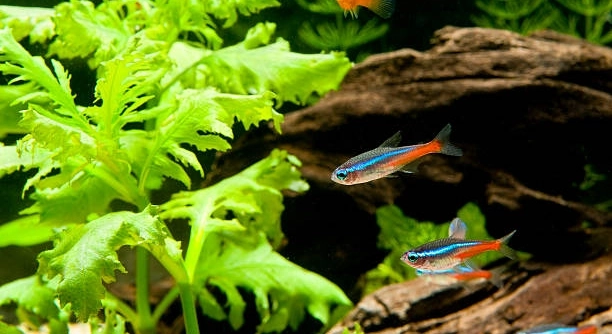
Selecting the right tank mates for your neon tetra can be challenging. With various factors influencing compatibility, it’s essential to carefully consider each element before introducing new fish to your tank. The wrong choice can cause stress or harm.
When selecting tank mates for your neon tetra, it’s important to consider their size, temperament, and environmental needs. Ensure that potential companions are peaceful, similar in size, and adaptable to similar water conditions to avoid conflict and maintain a healthy environment.
Choosing compatible tank mates for neon tetras involves understanding their nature and the tank’s dynamics. Ensuring a harmonious environment will keep your fish happy and healthy.
Tank Size Matters
When choosing neon tetra tank mates, size is a crucial consideration. Neon tetras are small fish, typically only reaching around 1.5 inches in length. Larger fish can easily intimidate or even eat them, while overly aggressive species can cause stress and harm. Ideally, tank mates should be similar in size to neon tetras to prevent this.
A 20-gallon tank is usually a good starting point for neon tetras and their companions. This size provides enough room for the fish to establish territories and avoid unnecessary conflict. Overcrowding can lead to stress, poor water quality, and health problems, making it essential to plan for the appropriate tank size.
While it’s tempting to add multiple fish, overstocking a tank can create a tense atmosphere. The key is balance—keeping the tank spacious enough for everyone to coexist without feeling cramped. Choosing the right tank size ensures that all species in the aquarium can thrive.
Fish Temperament
Neon tetras are peaceful and social, which means they thrive best with other calm fish. Avoid tank mates that are overly aggressive or territorial, as these can disturb the peaceful balance neon tetras require.
Peaceful species like Corydoras catfish, small rasboras, or mollies can coexist harmoniously with neon tetras. These fish share similar water requirements, such as slightly acidic to neutral pH and moderate temperatures. Always make sure the potential tank mates are not known for fin-nipping or aggression. When selecting fish, aim for companions that have a calm nature and won’t disrupt the tranquil environment your neon tetras enjoy. By doing so, you create a peaceful and healthy aquatic ecosystem.
Feeding Requirements
Neon tetras are omnivores and feed on a mix of flakes, pellets, and small live foods. When selecting tank mates, it’s important to ensure that they have similar feeding habits to avoid competition for food. Fish that require different types of food can cause tension and uneven feeding.
Tank mates should not be overly aggressive during feeding time. Fish that are too fast or assertive can outcompete neon tetras for food, which could lead to malnutrition. Opt for species that share similar feeding schedules and types of food to prevent issues. Peaceful fish that eat at the same pace as neon tetras will ensure a fair distribution of meals.
Feeding is an important aspect to consider when creating a harmonious tank environment. Maintaining a consistent feeding schedule helps prevent stress and allows all fish to get the nutrients they need. Choosing tank mates with similar dietary preferences is vital for keeping your neon tetras healthy and happy.
Tank Mates with Similar Energy Levels
Neon tetras are active, but they don’t have high energy levels. Their movements are graceful and relatively calm compared to other fish. Tank mates with similar energy levels will interact peacefully without overwhelming the neon tetras with their speed or aggressiveness.
Species like Corydoras catfish or rasboras are great companions for neon tetras. These fish move at a similar pace and won’t disrupt the calm environment. Avoid species that are too fast or highly active, such as danios or certain cichlids, as their rapid movements can stress neon tetras.
Choosing tank mates with a similar pace helps create a balanced and stress-free environment. It allows neon tetras to swim and interact comfortably, without being chased or outcompeted. Understanding energy levels is essential for maintaining peace and reducing stress in the tank.
Fish Size Compatibility
Neon tetras are small, and tank mates should be chosen with their size in mind. Larger fish may unintentionally harm them, while tiny species might be overlooked as potential companions. Size balance is essential for preventing stress and ensuring safe interactions in the tank.
Tank mates should be close in size to neon tetras to avoid issues like bullying or predation. Choosing species that are similarly sized ensures that no fish feels threatened or crowded. Fish that are too small might also struggle to compete for food, creating stress in the tank. A balanced size is key to harmony.
Compatibility with Neon Tetra’s Temperament
Neon tetras are peaceful, social fish that prefer calm and cooperative tank mates. Aggressive species can make them feel threatened or stressed. Choose fish that are non-territorial and won’t chase or nip at neon tetras, ensuring a peaceful coexistence.
A compatible temperament helps create a healthy and thriving tank environment. Fish that share a calm nature and social habits are ideal. Avoid fish known for aggression or territorial behavior, as they can disrupt the peaceful balance. This ensures your neon tetras live stress-free and thrive in their habitat.
The Importance of Hiding Spots
Neon tetras enjoy having places to hide, especially if tank mates are more active or larger. Adding plants, rocks, or driftwood helps provide these fish with safe spaces to retreat. This reduces stress and gives them a place to relax when needed.
FAQ
What are the best tank mates for neon tetras?
Neon tetras thrive in peaceful, community-style tanks. Some of the best tank mates include peaceful species like Corydoras catfish, small rasboras, mollies, guppies, and peaceful gouramis. These fish are generally non-territorial and share similar water conditions, making them ideal companions. Avoid aggressive fish or those that may outcompete neon tetras for food.
Can neon tetras live with bettas?
Bettas can sometimes coexist with neon tetras, but it depends on the individual betta’s temperament. Male bettas, in particular, are territorial and may become aggressive, especially towards smaller, brightly colored fish like neon tetras. Female bettas are generally more peaceful but still require careful monitoring. It’s best to introduce them in a spacious tank with plenty of hiding spots to reduce stress.
Are neon tetras good tank mates for shrimp?
Neon tetras can generally coexist well with shrimp, such as ghost shrimp or Amano shrimp, due to their small size and peaceful nature. However, larger shrimp or those with slower movements may become prey for the tetras. It’s essential to provide plenty of hiding spots for the shrimp to avoid any predation.
Do neon tetras need schoolmates?
Neon tetras are schooling fish, meaning they feel more secure and confident when kept in groups. A small group of at least six neon tetras helps reduce stress, as they naturally seek the company of others. Keeping a school of neon tetras ensures their well-being and allows them to exhibit natural behavior.
Can neon tetras live with goldfish?
Goldfish are not suitable tank mates for neon tetras. Goldfish are cold-water species, while neon tetras prefer warmer water. Additionally, goldfish are much larger and may inadvertently harm or even eat the smaller neon tetras. The differences in temperature and size make them incompatible tank mates.
What is the minimum tank size for neon tetras and their tank mates?
A 20-gallon tank is generally recommended for a small school of neon tetras and a few compatible tank mates. This size allows enough space for swimming and provides room for hiding spots. Avoid overcrowding, as it can lead to water quality issues and stress. For larger setups with more fish, a 30-gallon tank or bigger would be ideal.
Can neon tetras live with cichlids?
Most cichlids, especially aggressive ones, are not suitable tank mates for neon tetras. Many cichlids have territorial behavior and may view neon tetras as prey. If you want to house neon tetras with cichlids, opt for peaceful species like the keyhole cichlid or ram cichlids, but ensure they are not overly aggressive.
How often should neon tetras be fed?
Neon tetras should be fed small amounts of food once or twice a day. It’s important not to overfeed, as this can cause water quality issues. A varied diet, including high-quality flakes, pellets, and occasional live or frozen food, is best for keeping them healthy.
Are neon tetras sensitive to water changes?
Yes, neon tetras are sensitive to sudden changes in water parameters. Rapid shifts in temperature, pH, or hardness can stress them and lead to health problems. Regular water changes are important, but always ensure gradual adjustments to avoid shocking the fish. Aim to change 25% of the water every 1-2 weeks.
Do neon tetras require a filter?
Yes, neon tetras need a filter to maintain clean water. A good filtration system helps remove debris and maintain water quality, which is crucial for their health. However, be sure to use a filter with a gentle current, as neon tetras prefer calmer water. Strong currents can stress them out and make it harder for them to swim.
Can neon tetras live with larger fish?
Larger fish are generally not ideal tank mates for neon tetras. While some larger fish may not actively harm neon tetras, they can intimidate them or make them feel unsafe. Additionally, larger fish may view neon tetras as food. If you have larger fish in the tank, make sure they are peaceful and not aggressive.
Do neon tetras need a specific light cycle?
Neon tetras prefer a consistent light cycle, with around 8-12 hours of light per day. Too much light can cause stress, while too little may affect their behavior and eating habits. A regular day-night cycle helps maintain their natural rhythms. Use dim lighting or provide hiding spots to help them feel secure.
Can neon tetras live with other peaceful fish?
Yes, neon tetras can live with other peaceful fish, especially those of similar size and behavior. Species such as rasboras, small barbs, and livebearers make excellent companions. Avoid fish that are overly active or aggressive, as they may stress out the tetras or outcompete them for food.
What is the ideal pH level for neon tetras?
Neon tetras prefer a slightly acidic to neutral pH range of 6.0 to 7.5. Keeping the water within this range ensures they thrive and reduces the risk of stress or illness. Be sure to monitor the pH regularly and adjust if necessary to maintain optimal conditions for your neon tetras and their tank mates.
Can neon tetras live in a tank with snails?
Yes, neon tetras can generally live with snails. Snails, like the common mystery snail or nerite snail, are peaceful and won’t bother neon tetras. In fact, snails can help keep the tank clean by consuming algae and leftover food. Just ensure that the snails are not too large, as they could disrupt the tank’s ecosystem.
Final Thoughts
When choosing tank mates for neon tetras, it’s important to consider their size, temperament, and environmental needs. These small, peaceful fish thrive in community tanks, especially when surrounded by compatible species. By selecting peaceful, similarly-sized fish that share similar water preferences, you can create a harmonious environment where all fish can thrive. Whether you’re adding other small schooling fish or peaceful bottom dwellers, it’s crucial to maintain a balanced tank that minimizes stress for your neon tetras. The right companions can enhance their well-being and provide a visually appealing, diverse tank.
A key aspect of maintaining a healthy neon tetra tank is ensuring they have enough space and hiding spots. Although these fish are small, they are active swimmers and enjoy a spacious environment where they can move freely. Providing plants, rocks, or other decorations creates a natural and safe space for neon tetras to explore and rest. Additionally, keeping the water quality stable is essential. Regular water changes, proper filtration, and monitoring of water parameters like temperature and pH are necessary for the health of all tank inhabitants, including the neon tetras and their tank mates.
In summary, the health and happiness of your neon tetras depend on the compatibility of their tank mates and the quality of their environment. Taking the time to choose the right companions and maintain a well-balanced tank ensures that all fish can coexist peacefully. With careful attention to size, temperament, and water conditions, your neon tetras can thrive alongside other compatible species. By considering these factors, you can create a stress-free, vibrant aquarium where all fish live harmoniously.

Hello,
If you enjoy the content that we create, please consider saying a "Thank You!" by leaving a tip.
Every little bit helps us continue crafting quality advice that supports the health, happiness, and well-being of pets around the world, for pets of all shapes, sizes, and species.
We really appreciate the kindness and support that you show us!