
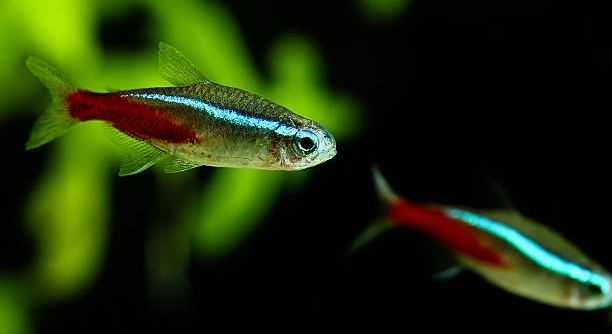
Neon Tetras are popular aquarium fish known for their vibrant colors and peaceful nature. However, like any pet, they can sometimes show signs of illness. Knowing what to look for is essential to ensure their well-being.
There are several key signs of an unhealthy Neon Tetra that should not be ignored. These signs include changes in behavior, eating habits, physical appearance, and more, which can all indicate a potential health issue.
By recognizing these signs early, you can address problems quickly and give your Neon Tetra the best chance for a healthy and long life. Understanding their needs is key to maintaining their happiness and vitality.
1. Loss of Appetite
One of the first signs that something might be wrong with your Neon Tetra is a noticeable decrease in appetite. Healthy Neon Tetras are active eaters, and if your fish suddenly stops eating, it could indicate stress or an underlying health issue. This can happen for many reasons, such as changes in water conditions, temperature fluctuations, or the presence of diseases. A loss of appetite may also be linked to poor water quality, which stresses the fish and affects their desire to feed. Additionally, fish that are stressed might hide more often, which further impacts their eating habits.
When you notice your Neon Tetra not eating, it’s important to act quickly. Check your water parameters, including pH, ammonia, nitrate, and nitrite levels. Adjust the temperature to the proper range, and ensure the tank is free of any harmful toxins. Healthy water quality is crucial for the overall well-being of your fish.
Pay attention to how your fish behave when feeding. A lack of interest in food is often one of the first warning signs that something is wrong, so it’s vital to monitor their eating patterns regularly.
2. Faded or Dull Colors
If your Neon Tetra begins to lose its vibrant colors, it could be a sign that it is not in optimal health. Neon Tetras are known for their bright blue and red hues, but stress, poor water quality, or illness can cause these colors to fade. Stress can be triggered by overcrowding, incompatible tank mates, or improper water conditions. Additionally, parasites and diseases like neon tetra disease (NTD) can lead to a loss of color.
In some cases, a drop in the fish’s color can indicate poor nutrition or an imbalance in their diet. When your Neon Tetra isn’t getting the proper nutrients, their colors may dull, signaling that they are not in good health. You might also notice other signs, such as lethargy or unusual behavior, which can help pinpoint the issue. It’s best to improve their environment and diet to encourage a return of their natural colors.
Keep an eye on your fish’s appearance, and make sure they are receiving a balanced diet of quality fish food. Regular water changes can also help prevent color loss and other health problems.
3. Erratic Swimming Behavior
When a Neon Tetra is sick, you might notice them swimming erratically. They could swim in circles, hover near the surface, or dart around the tank in an uncoordinated manner. This behavior is often a sign of distress, illness, or poor water quality. A fish’s movement patterns are usually calm and graceful, so drastic changes should be taken seriously.
Erratic swimming may also indicate that the fish is struggling to breathe, possibly due to low oxygen levels in the tank or gill problems. If the fish seems to be constantly at the surface or showing signs of difficulty breathing, it may require immediate attention. Test your tank’s oxygen levels and ensure the filtration system is working properly.
If your fish’s behavior changes drastically, don’t ignore it. Adjusting water parameters, increasing aeration, and removing stressors like overly aggressive tank mates can help restore normal behavior. It’s essential to pay attention to their movements so you can act quickly and prevent further health decline.
4. Visible Physical Damage
Physical damage on your Neon Tetra, such as torn fins, wounds, or discoloration, should not be overlooked. If you see visible injuries, it’s a sign that something isn’t right, whether it’s a disease, parasite, or injury caused by tank mates. Fish can easily get hurt in crowded tanks or when fighting for territory.
Physical damage can also be caused by poor water quality, leading to weakened immune systems. Infections often follow injuries, making it more important to act fast. Check if your fish is rubbing against objects in the tank, as this behavior could point to skin irritation or parasites.
To help your fish recover, isolate the injured fish if possible and treat the tank water. Regular water changes are essential to prevent further harm. Keep a close eye on the fish’s condition and ensure it’s healing properly by keeping stress factors to a minimum.
5. Clamped Fins
When a Neon Tetra’s fins appear clamped close to their body, it’s a clear sign of stress or illness. Healthy fish usually have their fins spread out, gracefully moving as they swim. Clamped fins indicate that the fish is not feeling well and may need immediate attention.
This behavior could be a result of several factors, including poor water quality, stress, or an infection. Fish with clamped fins may also show other signs, like lethargy or difficulty swimming. To help your fish recover, improve the water conditions and isolate it if necessary to avoid further stress from tank mates.
If the clamping persists, consider treating the tank with a broad-spectrum antibiotic or consult an expert for further care. Ensuring proper water quality and a peaceful environment can prevent this issue in the future.
6. Lethargy
Lethargy is a common sign of a sick Neon Tetra. If the fish seems to be inactive, hiding, or simply staying in one spot, it’s not normal. Healthy Tetras are generally active swimmers, exploring their environment and interacting with others. Lack of activity can indicate stress or illness.
It’s important to check water conditions and make sure the fish isn’t being overwhelmed by aggressive tank mates. Poor water quality or overcrowding can contribute to lethargy. In addition, diseases like Neon Tetra Disease (NTD) can make the fish lose energy and stop moving around. Regularly observe your fish to spot any changes in behavior early.
7. White Spots or Growths
White spots or unusual growths on your Neon Tetra can be a sign of parasitic infections or skin conditions. These spots might look like grains of salt on their body or fins and can be caused by external parasites like Ich. It’s important to act quickly if you see any signs of these infections.
The fish may also develop visible tumors or cysts, which can be linked to bacterial or viral infections. If your fish develops unusual growths, isolate it immediately and treat the water with a suitable medication. White spots can spread to other fish, so early treatment is crucial.
FAQ
What causes Neon Tetras to lose their color?
Neon Tetras may lose their vibrant colors due to stress, poor water quality, or illness. Stress can result from things like overcrowding, aggressive tank mates, or sudden changes in water parameters. Poor water conditions, such as high ammonia or nitrate levels, can also cause the fish to lose color. Additionally, illnesses like Neon Tetra Disease (NTD) can lead to a gradual fading of their blue and red hues. If your fish seems stressed or their color fades, consider checking water quality, reducing stress factors, and isolating the affected fish to prevent it from spreading to others.
How do I improve my Neon Tetra’s appetite?
If your Neon Tetra has lost its appetite, the first step is to check the water quality. Poor water conditions, such as high levels of ammonia or nitrites, can affect a fish’s desire to eat. Ensure the water is within the correct temperature range, and make regular water changes to keep it clean. Also, try offering a variety of foods, including high-quality flakes, pellets, or frozen options like brine shrimp or daphnia. Sometimes, the stress of being in a tank with aggressive tank mates can also cause them to stop eating, so be sure to address any social issues in the tank.
Can I treat Neon Tetra Disease?
Neon Tetra Disease (NTD) is a serious condition caused by a parasite called Pleistophora hyphessobryconis, which affects the fish’s muscles and organs. Unfortunately, there is no known cure for this disease, and it is often fatal. If you suspect your fish has NTD, you should isolate it immediately to prevent it from spreading to other fish. You can try treating the tank with anti-parasitic medications, but these may only offer temporary relief. The best course of action is to remove affected fish as soon as possible and maintain excellent water quality to help protect the rest of the tank.
How can I prevent my Neon Tetras from becoming sick?
Preventing illness in Neon Tetras involves maintaining a stable, healthy environment. This includes keeping the tank clean by performing regular water changes and monitoring water parameters such as pH, ammonia, nitrites, and nitrates. Providing a varied diet is also important to ensure they get all the nutrients they need. Avoid overcrowding your tank and ensure your Tetras have enough space to swim. Make sure their tank mates are compatible, as aggression can stress them out and weaken their immune systems. Lastly, avoid sudden changes in water temperature or chemistry, as this can be a shock to the fish.
Why are my Neon Tetras swimming at the top of the tank?
If your Neon Tetras are constantly swimming at the top of the tank, it could be a sign of low oxygen levels or poor water quality. Neon Tetras, like most fish, require oxygen-rich water to thrive. If your filtration system isn’t providing enough aeration, or if the water is dirty, they may swim at the surface in search of oxygen. Check the water parameters and perform a water change to improve the situation. Additionally, you may need to increase water movement with a stronger filter or air stone to boost oxygen levels.
What should I do if my Neon Tetra has damaged fins?
Damaged fins on a Neon Tetra can be caused by injury, poor water quality, or aggression from tank mates. If you notice torn or frayed fins, you should first check the tank for any sources of aggression, such as larger or more aggressive fish. Next, test the water quality to ensure that it’s within safe parameters. If the water is not optimal, perform a water change and improve filtration. To help the fish heal, consider isolating it in a hospital tank to reduce stress. If the damage is minor, the fins should heal on their own. If infection sets in, consult an aquarium professional for advice on treating the wounds.
Why are my Neon Tetras hiding?
Neon Tetras might hide when they are stressed, sick, or feeling threatened. If your Tetras are hiding more than usual, it could indicate that they are not comfortable in their environment. Possible causes for this behavior include high stress levels due to aggressive tank mates, poor water conditions, or the presence of an illness. Check your water quality and make sure all tank parameters are in the correct range. Ensure there are plenty of hiding places in the tank to make the fish feel secure, and consider re-evaluating your tank’s stocking to reduce aggression from other fish.
How can I tell if my Neon Tetra is stressed?
Stressed Neon Tetras often show signs like clamped fins, erratic swimming behavior, or a lack of interest in food. They may also become more reclusive, hiding in corners or near the bottom of the tank. Stressed fish might also exhibit a faded or dull color. If you notice these signs, check the water parameters, reduce any stressors in the tank, and ensure your fish have plenty of space to swim. Avoid making sudden changes in the tank environment, as this can increase stress levels. Consider adding plants and decorations that offer hiding spots and make the fish feel more comfortable.
How do I treat Ich in Neon Tetras?
Ich (Ichthyophthirius multifiliis) is a common parasitic infection that can cause white, salt-like spots on a Neon Tetra’s body and fins. If you suspect your fish has Ich, it’s crucial to act fast, as it can spread quickly. To treat Ich, raise the water temperature to 80°F (27°C) to speed up the parasite’s life cycle and make the treatment more effective. Add an anti-parasitic medication to the water, and follow the instructions carefully. It’s also important to perform regular water changes to help remove any remaining parasites. Quarantine any infected fish to avoid spreading the disease to others.
Why is my Neon Tetra swimming in circles?
Swimming in circles can be a sign of several issues, including stress, injury, or a neurological disorder caused by an infection. If the fish is swimming in tight circles and seems unable to swim properly, it might be dealing with a bacterial or parasitic infection. If the water conditions are poor, this can also lead to erratic swimming patterns. Check the water parameters and make any necessary adjustments. If the behavior continues or worsens, consider isolating the affected fish and seeking treatment. In cases where the infection affects the fish’s nervous system, recovery may be difficult, but prompt action can help.
How can I tell if my Neon Tetra is healthy?
A healthy Neon Tetra should be active, swim in schools with other fish, and have vibrant colors. The fins should be spread out and not clamped to the body. The fish should be eating regularly and show no signs of injury or disease. Healthy Neon Tetras are generally peaceful and will interact with their environment. If your Tetra displays any signs of lethargy, clamped fins, faded colors, or erratic swimming, it might not be in good health. Regularly monitoring their behavior and water quality will help you ensure your fish are thriving.
Final Thoughts
Taking care of Neon Tetras requires attention to detail and a commitment to maintaining a healthy environment. These little fish are beautiful and peaceful, but they are also sensitive to changes in their water conditions. The most important thing to remember is that a clean tank and proper water parameters are essential for their well-being. Regular water changes, monitoring temperature, pH, and ammonia levels, as well as providing a balanced diet, will help keep your Neon Tetra healthy and vibrant. These small fish are often a reflection of their environment, so a well-maintained tank is the best way to prevent many health issues.
When you spot signs of illness, such as faded colors, loss of appetite, or unusual behavior, early detection is key. It is much easier to treat an issue when it is caught early. If you see your Neon Tetra hiding, swimming erratically, or showing any other odd behaviors, take immediate action by checking the water quality and assessing their environment. If there are other tank mates involved, consider isolating the affected fish to reduce stress. It is always better to address small problems before they become bigger ones. Providing a stress-free environment with suitable tank mates can significantly improve your fish’s health and reduce the chances of illness.
In the end, keeping Neon Tetras is about creating a stable, healthy environment where they can thrive. They require a bit of care, but the reward is a colorful and peaceful aquarium. By watching for early warning signs of illness and maintaining good tank conditions, you can ensure your fish remain healthy and happy for years. Keep an eye on your fish’s behavior and appearance, and don’t hesitate to act if something seems off. With the right care, your Neon Tetras will continue to be a joyful addition to your tank.

Hello,
If you enjoy the content that we create, please consider saying a "Thank You!" by leaving a tip.
Every little bit helps us continue crafting quality advice that supports the health, happiness, and well-being of pets around the world, for pets of all shapes, sizes, and species.
We really appreciate the kindness and support that you show us!