
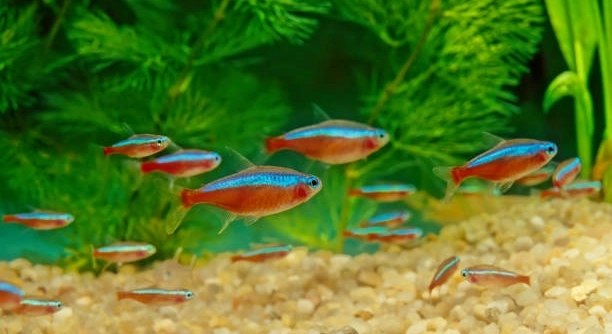
Creating a balanced environment for your Neon Tetras involves more than just choosing the right tank setup. The plants you choose also play a significant role in the overall health and aesthetics of the aquarium. Low-light plants are particularly suitable for tanks with limited natural light.
Low-light plants that thrive in a Neon Tetra tank can provide a natural and comfortable environment. These plants need minimal light and are often easy to maintain, making them ideal for aquariums with low lighting conditions and limited space.
Selecting the right plants can be an easy way to create a serene, vibrant aquarium. From unique foliage to the benefits they bring to water quality, these plants add more than just beauty.
Benefits of Low-Light Plants for a Neon Tetra Tank
Low-light plants are a great addition to any Neon Tetra tank. These plants thrive without direct sunlight, making them ideal for aquariums with minimal light. Not only do they help create a more natural environment for your fish, but they also contribute to the overall health of your tank. By absorbing excess nutrients in the water, they help maintain stable water quality, reducing the likelihood of algae growth. In addition to their functional benefits, low-light plants add an aesthetic touch, giving the tank a lush, green look without requiring too much maintenance. Their easy care and adaptability make them a popular choice for beginner aquarists and seasoned hobbyists alike.
While these plants need less light, they still require basic care to thrive. Regular pruning, occasional fertilizing, and checking water parameters will help ensure their longevity and continued health.
Low-light plants offer an easy way to enhance your tank’s visual appeal and contribute to the well-being of your fish. They also create an environment that mimics the natural habitats of Neon Tetras, promoting their health and comfort.
Top Low-Light Plants for Neon Tetra Tanks
Choosing the right plants is essential for creating a healthy and visually appealing tank.
Java Fern is one of the best low-light plants for Neon Tetra tanks. It has large, broad leaves that provide a great hiding place for your fish. Java Fern does not require much light to thrive, making it perfect for tanks with limited natural light. The plant is also very hardy and can grow well in a variety of water conditions. In addition to being low-maintenance, Java Fern can also be attached to rocks or driftwood, which adds to its versatility in aquascaping. Since it does not require a substrate, it’s an ideal plant for beginners who may not want to invest in a complicated setup. With its beautiful, lush appearance, it is a popular choice among aquarists.
This plant’s adaptability to different conditions makes it a top choice for anyone looking to add some greenery to their tank without much effort.
Anubias Nana
Anubias Nana is another popular plant for low-light environments. It is known for its hardy nature and ability to thrive in low-light conditions. This plant can be placed in different parts of the tank and will still do well, whether it’s on the substrate or attached to rocks or driftwood.
Anubias Nana has thick, dark green leaves that can grow up to 6 inches long. It does not require a lot of light, making it perfect for a Neon Tetra tank. Additionally, it is slow-growing, so it doesn’t require frequent trimming. The plant is low-maintenance and can adapt to various water parameters, including temperature and pH. If you prefer a low-maintenance setup, Anubias Nana is an excellent choice.
One of its biggest advantages is its resistance to algae growth, which is especially useful in a low-light tank. The slow growth rate also means it won’t overwhelm the tank, and you won’t have to worry about overgrowth. Its dark green color contrasts beautifully with the vibrant colors of Neon Tetras, making it an ideal plant for aquascaping.
Cryptocoryne Wendtii
Cryptocoryne Wendtii is a versatile plant that does well in low-light tanks. It can thrive in a variety of water conditions and doesn’t require direct light to grow. This makes it a reliable option for a Neon Tetra tank.
Cryptocoryne Wendtii has broad, green leaves that can develop reddish hues when exposed to low-light conditions. It adapts well to a variety of substrates and can grow in both gravel and fine sand. This plant is also known for its ability to tolerate fluctuations in water parameters, making it an ideal option for those who may not want to constantly monitor their tank’s conditions. Since it is relatively slow-growing, it won’t require much trimming and will maintain its shape with little effort.
Additionally, Cryptocoryne Wendtii can help improve water quality by absorbing excess nutrients and providing cover for your Neon Tetras. Its dense, low-growing leaves offer shelter for your fish, especially in a tank where they need protection from bright lights or more active tank mates.
Java Moss
Java Moss is a fast-growing plant that thrives in low-light conditions. It’s an excellent choice for beginners since it’s easy to care for and doesn’t require much attention. Java Moss can be attached to rocks, driftwood, or left to grow freely in the substrate.
This plant not only adds beauty to your tank but also serves as a natural filter. Java Moss absorbs excess nutrients and helps reduce algae growth. It also provides a soft surface for your Neon Tetras to hide and swim through, making them feel secure in their environment.
Amazon Sword
The Amazon Sword is a popular plant for a low-light tank setup. Its broad leaves provide a natural look and are perfect for larger tanks. This plant is easy to grow, as it doesn’t require high light or complicated care.
The Amazon Sword can grow quite large, so it’s best placed in the background of your tank. It can tolerate a variety of water conditions, including soft to moderately hard water, and can survive in temperatures ranging from 72 to 82°F. Its broad leaves provide excellent hiding spots for Neon Tetras, and it grows relatively quickly, making it an ideal option for those looking to add some greenery to their tank.
Water Wisteria
Water Wisteria is a low-maintenance plant that does well in low-light tanks. It can grow in various water types and is well-suited to a Neon Tetra tank. Its delicate, lace-like leaves create a beautiful, flowing effect in the water.
FAQ
How do I know if my plants need more light?
If your plants are growing slowly, have pale or yellowing leaves, or seem to be stretching towards the light source, they may not be getting enough light. Low-light plants like those mentioned earlier typically don’t require direct sunlight, but if you notice signs of weak growth or unhealthy leaves, consider increasing the light slightly. Ensure that the lighting is not too intense for low-light species, as that can cause algae growth or stress the plants. A good balance of light is essential for healthy plant growth.
How often should I trim my low-light plants?
Low-light plants generally grow slower than high-light plants, so they usually don’t need frequent trimming. You can prune them every 4 to 6 weeks, or as needed, to maintain their shape and keep them from overcrowding your tank. Some plants, like Java Fern and Anubias, have slow growth, so trimming them is more about maintaining aesthetics. If the plants are starting to block too much of the tank or interfere with your fish’s movement, it’s a good time to trim them back.
Can low-light plants thrive in an aquarium with no direct sunlight?
Yes, many low-light plants thrive in aquariums without any direct sunlight. These plants are adapted to low-light conditions and can survive under aquarium lights or ambient room light. You don’t need to worry about placing the tank in direct sunlight, as it can cause algae growth and disrupt the water temperature. As long as the tank has a gentle light source, your low-light plants should thrive.
What type of substrate is best for low-light plants?
Low-light plants can grow in various substrates, but a nutrient-rich substrate is often the best choice. Plants like Cryptocoryne Wendtii and Amazon Sword benefit from having access to nutrients in the substrate. Gravel or sand works well for many low-light plants, but adding a layer of nutrient-rich soil can support their growth and reduce the need for additional fertilizers. If you prefer a simpler setup, attaching plants like Anubias or Java Fern to rocks or driftwood works too, as they don’t require a substrate.
Do low-light plants require fertilization?
Even though low-light plants need less maintenance, they can still benefit from occasional fertilization. In low-light conditions, the plants may not absorb enough nutrients from the water column or substrate, so supplementing with liquid fertilizers can help them grow healthier. You can also use root tabs for plants like Amazon Swords, which get their nutrients from the substrate. However, avoid over-fertilizing, as it can lead to algae growth. Regular water changes can help maintain a healthy nutrient balance in the tank.
Can I keep low-light plants with other tank species?
Yes, low-light plants are generally compatible with most aquarium species, including Neon Tetras. They provide shelter and hiding places for fish, improving their well-being. Just be mindful of the size and temperament of the other species in your tank. Larger or more aggressive fish may disturb delicate plants, uprooting or eating them. Make sure the plant’s size and needs are suitable for your tank’s ecosystem, and ensure your fish won’t damage or disrupt the plants.
Do I need CO2 for low-light plants to thrive?
Low-light plants do not necessarily require added CO2 to thrive. They can grow well in a tank with natural CO2 levels produced by fish and the biological filtration process. However, adding CO2 can improve growth rates and plant health, especially if you decide to upgrade to higher-light plants in the future. If you’re happy with slow-growing, low-light plants, you don’t need to worry about CO2 supplementation.
Are low-light plants suitable for a beginner aquarium setup?
Yes, low-light plants are great for beginners. They are easy to care for and do not require complex setups. Since they don’t need much light or frequent maintenance, they allow beginners to focus on other aspects of tank care, such as water quality and fish health. They also help with tank stability by reducing excess nutrients, making it easier to maintain a balanced environment.
How can I prevent algae growth in a low-light tank?
To prevent algae growth, avoid excessive light exposure and overfeeding your fish. Algae thrive when there is an excess of nutrients in the tank, so regular water changes can help maintain a clean environment. Low-light plants also help by absorbing excess nutrients, which reduces the chances of algae overgrowth. Keep the tank clean, prune your plants regularly, and ensure you’re not leaving the lights on for too long each day.
What is the best way to position low-light plants in my tank?
Positioning plants in the tank largely depends on their size and growth habits. Tall plants like Amazon Swords should be placed at the back of the tank, while smaller plants like Anubias Nana and Java Fern can go in the middle or foreground. Low-light plants can also be attached to rocks or driftwood for added aesthetic appeal. Make sure not to overcrowd the tank, as your plants need room to grow and thrive. Proper positioning also allows the fish to swim freely and feel secure.
Can I combine different types of low-light plants in one tank?
Absolutely! Combining various low-light plants can create a more dynamic and visually appealing tank. Different textures and shades of green can enhance the natural look of your aquarium. Just be mindful of each plant’s growth habits and size. Some plants may require more space, while others may grow slower or need occasional pruning. Mixing plants like Java Fern, Anubias Nana, and Cryptocoryne Wendtii can provide a balanced ecosystem and a pleasing aesthetic for your Neon Tetra tank.
Final Thoughts
Choosing the right low-light plants for your Neon Tetra tank can enhance both the health of your fish and the overall appearance of your aquarium. Low-light plants are a great option because they require minimal care and maintenance, making them perfect for beginners or those with less time to devote to tank upkeep. Plants like Java Fern, Anubias Nana, and Cryptocoryne Wendtii are all excellent choices. These plants thrive under low light conditions, and they can help keep your tank stable by absorbing excess nutrients and reducing algae growth. They also provide a natural and peaceful environment for your Neon Tetras to swim and hide in.
One of the key benefits of low-light plants is their adaptability. Whether you have a small tank or a larger aquarium, these plants can fit into a variety of setups. They can grow in different types of substrate or even attached to driftwood and rocks. This flexibility makes them easy to incorporate into any tank design. Additionally, low-light plants often grow slowly, meaning you won’t need to constantly trim them or worry about them overtaking your tank. This makes them a hassle-free option that allows you to enjoy the beauty of live plants without having to deal with frequent maintenance.
In the end, low-light plants are a simple and effective way to improve your aquarium’s overall health and aesthetic. By carefully selecting plants that match your tank’s lighting conditions and your fish’s needs, you can create a balanced and harmonious environment. These plants provide shelter and hiding spots for your Neon Tetras, which can help reduce stress and improve their well-being. With the right care, your low-light plants will thrive, giving you a lush and vibrant tank that both you and your fish will enjoy.

Hello,
If you enjoy the content that we create, please consider saying a "Thank You!" by leaving a tip.
Every little bit helps us continue crafting quality advice that supports the health, happiness, and well-being of pets around the world, for pets of all shapes, sizes, and species.
We really appreciate the kindness and support that you show us!