
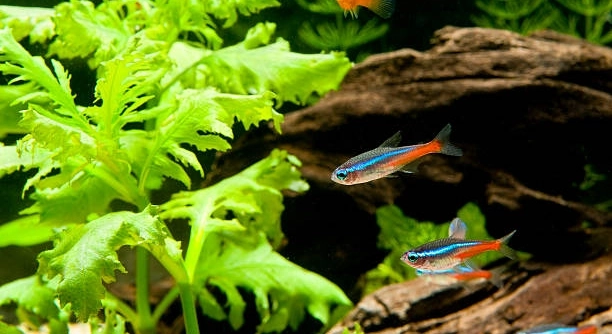
Neon Tetras are beautiful and delicate fish that require specific care. Water quality is one of the most important factors in their well-being. Sudden changes in the water can harm their health, affecting their behavior and even causing stress.
Sudden water changes can lead to rapid fluctuations in water parameters, such as pH, temperature, and hardness, which can cause stress and health issues for Neon Tetras. These rapid changes disrupt their delicate balance, potentially leading to illness or death.
Making gradual adjustments to your tank’s water is crucial to keeping your fish happy and healthy. Learning about the risks of sudden water changes is important in maintaining a safe environment for your Neon Tetras.
Stress from Rapid Changes
Neon Tetras are sensitive to sudden shifts in their environment, especially when it comes to water quality. When the water temperature, pH, or hardness changes quickly, these fish can become stressed. Stress weakens their immune system, making them more vulnerable to diseases. It’s easy to think that a big water change will refresh the tank, but doing it too quickly can actually harm the fish more than help. They need time to adjust to any changes in the tank. This is why small, gradual water changes are always recommended.
Sudden changes in water quality disrupt their stability and can lead to physical and behavioral issues.
Neon Tetras thrive in stable environments. By changing water slowly over time, you allow them to adjust without added stress. A sudden temperature change, for example, could shock the fish, leaving them sluggish or disoriented. In extreme cases, they could even die. Consistent, gradual changes help ensure a safer, healthier habitat for your fish.
Unbalanced Water Chemistry
A drastic water change can cause a sharp imbalance in water chemistry, especially pH levels. When this happens, your Neon Tetras can suffer. These fish are accustomed to specific conditions, and any sudden shift can harm their delicate systems.
A quick change in pH or hardness can also lead to fin rot or other infections. Neon Tetras do best in slightly acidic water with a steady pH between 6.0 and 7.0. If the pH swings too much, they may develop health problems that could be avoided with a slow adjustment to the water.
You can avoid this by regularly testing the water and adjusting it gradually over a period of days. This allows your fish to acclimate to any necessary changes, keeping their system in balance. Maintaining consistent water chemistry is key to their long-term health and happiness.
Shock to the Fish’s Immune System
Neon Tetras have fragile immune systems. Sudden changes to their environment can make it even harder for their bodies to fight off infections. Stress from drastic water changes weakens their defenses, leaving them vulnerable to diseases.
When exposed to sudden shifts, their immune response is overwhelmed, and they may not be able to fight off bacteria or parasites effectively. This puts them at risk of common tank diseases, such as ich or fin rot. Regular, small water changes allow them to maintain a strong immune system without the added stress of a sudden shock.
Maintaining a stable environment helps keep their immune system strong. Sudden changes are like giving their body an extra challenge that it’s not prepared for. Keeping things steady allows your fish to thrive and reduces the likelihood of sickness. This simple approach can make a big difference in the long-term health of your Neon Tetras.
Disruption of Feeding and Behavior
Neon Tetras are creatures of habit, especially when it comes to their feeding and daily activities. A sudden water change can disrupt their routine, making them stressed and confused. They might refuse to eat or hide more than usual.
A steady environment makes them feel safe, encouraging normal behaviors like swimming actively and foraging for food. When water parameters change too quickly, it may lead to lethargy or poor feeding habits, which can impact their overall health.
If you notice your Neon Tetras acting differently after a large water change, it could be a sign that the sudden shift in water conditions is affecting them. Making changes gradually is a simple solution to avoid disrupting their behavior and feeding. Keep their world consistent, and they’ll feel more comfortable and confident in their tank.
Stress from the Filter System
Changing water rapidly can disrupt the filter system’s effectiveness. Filters rely on consistent water flow and stable conditions to maintain water quality. A sudden water change can overwhelm or clog the filter, making it less efficient.
The filter may struggle to process the new water, leading to poor water quality and higher toxin levels. This can also cause an imbalance in the beneficial bacteria, which play a crucial role in keeping the tank healthy. Gradual water changes allow the filter to adapt without becoming overburdened, ensuring a clean and safe environment for your Neon Tetras.
Temperature Shock
When you change the water too quickly, the temperature can fluctuate significantly. Neon Tetras are sensitive to temperature changes, and sudden drops or spikes can cause shock. This is especially true if the water you’re adding is much colder or warmer than the tank water.
Even small shifts in temperature can affect their swimming behavior, appetite, and stress levels. It’s essential to match the temperature of the new water to the tank water as closely as possible. If you’re doing a large water change, try to adjust the temperature beforehand to avoid shocking your fish. This ensures their comfort and keeps them from becoming stressed or ill.
FAQ
How often should I change the water in my Neon Tetra tank?
It’s recommended to change 10-20% of the water every week. This keeps the water clean and maintains stable conditions. If your tank is heavily stocked, you may need to change more frequently. Avoid large, sudden changes and instead focus on small, regular changes to ensure your Neon Tetras stay healthy.
Can I change all the water at once?
Changing all the water at once is not ideal for Neon Tetras. It can cause a dramatic shift in water parameters, such as temperature, pH, and hardness, leading to stress. Instead, aim for gradual changes. This allows the fish to adjust and reduces the risk of shock or illness.
Is it okay to use tap water for the tank?
Tap water is generally fine, but it must be treated to remove chlorine or chloramine, which are harmful to fish. You can use a water conditioner to neutralize these chemicals. Also, check the water’s pH and hardness to ensure they match the needs of your Neon Tetras.
How do I acclimate the new water before adding it to the tank?
To acclimate the new water, ensure it’s the same temperature as the tank water. You can use a thermometer to match the temperature. Adding water slowly into the tank or letting it sit for a while before pouring it in can help minimize stress.
What should I do if my Neon Tetras are acting stressed after a water change?
If your Neon Tetras show signs of stress after a water change, check the water parameters immediately, including temperature, pH, ammonia, and nitrate levels. If something seems off, try to make gradual adjustments to return the water to the right conditions. Stress can also be caused by sudden temperature changes, so ensuring the water is the right temperature is essential.
How do I avoid causing stress during a water change?
To avoid stress during a water change, keep the process slow and steady. Gradually remove and replace water to prevent rapid shifts in water chemistry or temperature. Always ensure the new water matches the tank’s conditions. Avoid cleaning the tank and filter too thoroughly at the same time, as beneficial bacteria need to be preserved.
Can I change the water if my Neon Tetras are breeding?
During breeding, it’s best to avoid large water changes, as it can disrupt the process. Instead, maintain a stable environment by making small, gradual water changes. Ensure the breeding tank’s water parameters stay consistent to keep the fish calm and encourage successful breeding.
Do I need to clean the tank during each water change?
You don’t need to clean the entire tank with every water change. Focus on removing debris from the substrate and cleaning the filter. Over-cleaning the tank can disturb the beneficial bacteria that help keep the tank balanced. A simple rinse of decorations or substrate with tank water will help maintain a healthy environment.
What if I forget to change the water for a week?
If you miss a weekly water change, try to make a smaller change the next time you do a water change. It’s better to catch up gradually rather than trying to fix everything at once. Keep a consistent schedule from then on, as stability is key for Neon Tetras’ health.
Is it safe to add water directly from the tap?
Adding water directly from the tap can be risky if it contains chlorine, chloramine, or other harmful substances. Always treat tap water with a conditioner to remove these chemicals. Test the water’s pH, hardness, and temperature before adding it to your tank to avoid sudden shifts that could harm your Neon Tetras.
Can I use a gravel vacuum during water changes?
Yes, using a gravel vacuum is a good way to clean the substrate during a water change. It removes uneaten food, waste, and debris that can accumulate on the bottom of the tank. Just be gentle and avoid disturbing the substrate too much to keep the environment stable for your Neon Tetras.
Final Thoughts
Taking care of Neon Tetras requires more than just feeding them. Maintaining the right environment is essential for their well-being. Sudden water changes can disrupt their delicate balance and cause unnecessary stress. Stress weakens their immune system and increases the risk of illness. For these small, vibrant fish, stability is key to their health.
Gradual water changes are the safest and most effective way to maintain a healthy tank for Neon Tetras. Instead of large water changes that can cause abrupt shifts in temperature, pH, or hardness, small, consistent adjustments ensure a stable environment. This approach allows the fish to adapt more easily and minimizes the chances of shocking their system. Over time, maintaining a routine of regular water changes, rather than drastic ones, leads to a more comfortable and safe habitat for your fish.
Ultimately, understanding the needs of your Neon Tetras is the first step toward creating a thriving tank. By avoiding sudden water changes and taking a more gradual approach, you help prevent stress and potential health issues. Consistency in tank maintenance not only benefits the fish but also makes caring for them a lot easier. A healthy and stable environment will allow your Neon Tetras to live happily and thrive for many years to come.

Hello,
If you enjoy the content that we create, please consider saying a "Thank You!" by leaving a tip.
Every little bit helps us continue crafting quality advice that supports the health, happiness, and well-being of pets around the world, for pets of all shapes, sizes, and species.
We really appreciate the kindness and support that you show us!