
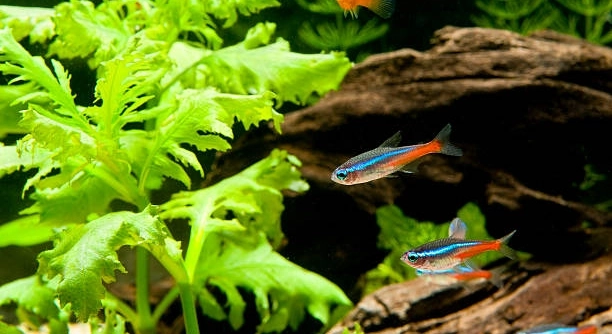
Are your neon tetra often hidden or less active than usual, leaving you unsure if they’re getting the food they need each day?
The best way to ensure your neon tetra are getting enough food is to observe their feeding behavior closely and feed them small amounts twice a day. Monitoring their body condition and adjusting portion size accordingly is also important.
Feeding your neon tetra properly goes beyond just sprinkling flakes—there are small habits that make a big difference in their health and energy.
Feed Small Amounts Twice a Day
Feeding neon tetra small portions twice a day helps prevent overfeeding and keeps the water clean. These fish have tiny stomachs and do better with smaller, consistent meals rather than one large feeding. When food is given in smaller amounts, it’s easier to watch if each fish is eating. Spread out the flakes or pellets so the more timid tetra can grab food too. Always remove leftovers after five minutes to avoid water quality issues. Clean water supports digestion and helps them stay active and colorful. Feeding at the same times daily can also help build a routine.
Feed your neon tetra in the morning and again in the evening. Try to keep feeding times around the same hour each day so your fish learn when to expect food.
When feeding, keep an eye on how quickly the food is eaten. If most of it sinks before being eaten, try reducing the amount next time. Watch for fish that consistently stay near the back or bottom during feeding—they might be missing out. You can gently break up the food to help it spread across the tank more evenly. This gives every tetra a better chance to eat, even the shy ones.
Use High-Quality, Sinking Food
Not all food is made the same. Neon tetra are small, and they do better with food that fits their size.
Using high-quality sinking food helps ensure your neon tetra get the nutrients they need. Floating food can get eaten by surface feeders or break down before it reaches the tetra. Sinking micro-pellets or slow-sinking flakes are a better fit for their feeding style. These fish often prefer to eat mid-water or closer to the bottom. Cheap flakes can lack important vitamins and may cloud the water. Good brands list ingredients like fish meal, shrimp, and spirulina. Avoid foods with too much filler or grain. You can also supplement with frozen or live foods like brine shrimp or daphnia once or twice a week. This variety encourages natural feeding behavior and adds nutrition. Rotate the food types every few days for balance. This keeps the fish interested and supports their long-term health.
Watch Their Behavior During Feeding
Pay close attention when you feed your neon tetra. Some may rush to the food while others stay behind. This can show you which fish are eating well and which might be missing out.
If a fish hangs back during feeding, it could be getting pushed away or feeling stressed. Sometimes the more dominant fish will eat most of the food before others have a chance. Try spreading the food around the tank to give everyone access. Watching how they act during feeding also helps you spot changes early. A fish that was once active but now avoids food might be sick or uncomfortable. By learning their usual behavior, you’ll notice these things quicker. Feeding time is a good opportunity to observe them closely and make sure all your tetra are involved. This habit will help you act fast if anything changes.
A healthy neon tetra will show interest in food right away. If one seems slow or ignores food, you can try offering a different type or size. Sometimes frozen or live food can spark their appetite. Keep in mind that water temperature and tank mates can affect feeding too. Stress from aggressive fish or poor water can lead to appetite loss. You can make small changes, like improving water flow or adjusting light levels, to help create a better feeding environment. Always check your water parameters if something seems off. Feeding isn’t just about food—it’s about making sure the tank supports healthy eating habits.
Separate Weak or Timid Fish
Some neon tetra can get pushed out during feeding, especially if they’re smaller or less active. Separating these fish during meals can help make sure they get enough food.
Use a tank divider or gently move the weaker fish to a separate section during feeding time. This gives them a calm space to eat without competition. If you don’t have a divider, you can guide food toward them using a pipette or turkey baster. Keep in mind that frequent missing meals can lead to weight loss and health issues. Watch for thin bodies or fading color. These signs often show up after poor feeding over time. Giving shy fish a fair chance helps them stay healthy and recover. You don’t need to isolate them all the time—just enough to help them build strength and keep up with the rest.
Clean the Tank Regularly
Dirty tanks can lower your neon tetra’s appetite. When the water quality drops, fish often become stressed and less interested in food. Regular cleaning keeps the tank healthy and helps your tetra feel safe enough to eat.
Change 25–30% of the water every week. Use a gravel vacuum to remove waste and leftover food from the substrate. This keeps harmful substances like ammonia and nitrite low. Clean filters monthly, but don’t change all the filter media at once to keep beneficial bacteria stable.
Avoid Overcrowding
Too many fish in a tank leads to food competition and stress. Neon tetra need space to feel comfortable and to eat without being chased away. Crowding also affects water quality, which can reduce appetite. Stick to one inch of fish per gallon for better feeding results.
Adjust Lighting Conditions
Bright lights can scare shy neon tetra during feeding. Use a dimmer light or floating plants to soften the light. A calmer environment helps them feel safer, encouraging them to come out and eat without hesitation.
FAQ
How often should I feed my neon tetra?
Neon tetra should be fed small amounts twice a day. This helps them stay active and prevents overfeeding. Offering food in small portions also makes it easier for all the fish to get their share. Feed them in the morning and evening to keep a consistent routine.
What kind of food should I give my neon tetra?
High-quality sinking pellets or micro-flakes are ideal for neon tetra. They are small fish, so choose foods that are suited for their size. You can also offer frozen or live food like brine shrimp or daphnia once or twice a week. Make sure the food is rich in nutrients.
Can neon tetra go without food for a day?
Yes, neon tetra can go without food for a day or two. They are hardy fish and can handle short periods of fasting. However, avoid making it a regular habit, as they need consistent nutrition for optimal health.
How much should I feed my neon tetra?
Feed your neon tetra only as much as they can eat in about 2–3 minutes. If food is left over after this time, reduce the portion size in future feedings. Overfeeding can lead to poor water quality and health issues for your fish.
Why are my neon tetra not eating?
There are several reasons your neon tetra may not be eating. Stress from poor water conditions, aggressive tank mates, or sudden changes in the environment can cause them to lose their appetite. Check the water quality and ensure the tank is peaceful. If the issue persists, consult a vet.
Can neon tetra eat live plants?
Neon tetra typically don’t eat live plants, but they may nibble on soft-leafed plants if they’re particularly hungry. It’s best to offer them enough food to prevent this behavior. If you see excessive nibbling, try providing more frequent meals.
Is it okay to feed my neon tetra different types of food?
Yes, offering a variety of food types is good for neon tetra. You can switch between flake food, pellets, and occasional frozen or live food. This ensures they get a broad range of nutrients. Just remember to keep the portions small and appropriate for their size.
How can I tell if my neon tetra is underfed?
An underfed neon tetra will appear thin, with visible rib bones or a sunken belly. They may also be less active or hide more than usual. Ensure you’re feeding small portions regularly and watch for any changes in their behavior or body condition.
Can I feed my neon tetra too much?
Yes, overfeeding neon tetra can lead to obesity and poor water quality. Leftover food breaks down in the tank, which increases the waste and toxins in the water. This can also lead to health problems like bloating or digestive issues. Always stick to the recommended portion sizes.
Why is my neon tetra swimming at the surface but not eating?
If your neon tetra is swimming at the surface but not eating, it could be a sign of stress or illness. The water may not have the right parameters, or there could be aggressive fish in the tank. Check the water quality and observe the other fish for any signs of bullying.
Should I remove leftover food after feeding?
Yes, always remove leftover food after feeding. Leftover food decays and affects the water quality, which can harm your neon tetra. Use a small net or siphon to remove any uneaten food within 5 minutes of feeding.
Can neon tetra eat too many live foods?
While live foods are nutritious and a good treat, feeding them too often can cause digestive issues. It’s best to rotate live foods with other types of food like pellets or flakes. Too much live food can also lead to an imbalance in their diet.
Do neon tetra need to eat every day?
Yes, neon tetra should be fed every day. They thrive on consistent, small meals. Skipping days or feeding them too little can cause stress and malnutrition. If you’re going away for a few days, consider using an automatic feeder or a trusted person to feed them.
Can I feed my neon tetra vegetables?
While neon tetra are primarily carnivorous, they can occasionally eat small amounts of vegetables, like blanched spinach or zucchini. This can be a good supplement, but should not replace their primary protein-based diet. Use vegetables as an occasional treat, not a main source of food.
Is it necessary to feed neon tetra multiple types of food?
It’s not strictly necessary, but offering a variety of foods helps provide a balanced diet. Mixing flakes, pellets, and live or frozen foods ensures that your neon tetra get a good mix of nutrients. Variety also keeps them engaged and healthy.
Why is my neon tetra’s color fading?
Fading color can indicate poor water quality, stress, or insufficient nutrition. Make sure the tank parameters are ideal and the fish are getting enough food. Stress from other fish or environmental factors can also cause this. If the problem persists, check for illness.
How do I know if my neon tetra is sick?
Signs of illness in neon tetra include a loss of appetite, faded colors, unusual swimming patterns, or staying at the bottom of the tank. If you notice these signs, check water quality and consider isolating the sick fish. If the problem doesn’t improve, consult an aquarium vet.
Can neon tetra eat bloodworms?
Yes, bloodworms are a great treat for neon tetra. They love the protein-rich, meaty texture, and it can help bring out their natural color. However, they should only be fed occasionally and not as a daily food source.
Final Thoughts
Feeding neon tetra may seem simple, but it’s essential to pay attention to their needs for a healthy and active life. Small, consistent meals are key to ensuring they get enough food without polluting the water. By feeding them twice a day and monitoring how much they eat, you’ll prevent overfeeding and help maintain good water quality. This balance is critical for both their health and the well-being of your aquarium as a whole. Keep in mind that different factors, such as the fish’s behavior, water conditions, and type of food, can all affect their eating habits.
One of the most important things you can do is observe your fish closely. You’ll be able to spot any changes in their behavior or health, such as reduced appetite, which may indicate issues like stress, illness, or poor water quality. If you notice a problem, address it quickly. For example, if your neon tetra is not eating, check the water quality, ensure the tank is peaceful, and evaluate the food being offered. A small change like switching to sinking pellets or adjusting the lighting can make a big difference in their feeding habits.
Feeding neon tetra is more than just providing food; it’s about creating an environment where they feel safe, comfortable, and able to eat without stress. By understanding their needs and adjusting how you feed them, you can keep your neon tetra healthy and vibrant for years. Whether you’re adjusting portions, switching food types, or observing their behavior, these steps will help you provide the best care for your fish. Following a routine, maintaining good tank conditions, and being mindful of how much and how often you feed them can ensure your neon tetra thrive.

Hello,
If you enjoy the content that we create, please consider saying a "Thank You!" by leaving a tip.
Every little bit helps us continue crafting quality advice that supports the health, happiness, and well-being of pets around the world, for pets of all shapes, sizes, and species.
We really appreciate the kindness and support that you show us!