
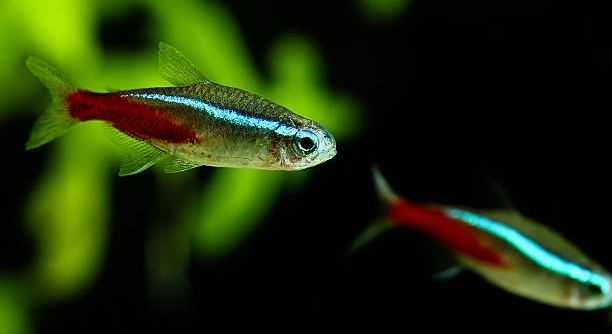
Neon Tetras are one of the most popular fish for aquariums. Their small size, vibrant colors, and peaceful nature make them a favorite among hobbyists. Understanding their behavior can ensure they thrive in your tank.
Neon Tetra behavior is typically calm and social. They prefer to swim in schools and are most active during dawn and dusk. They are peaceful fish, often interacting with their tank mates without aggression. Proper tank conditions contribute to their health.
Knowing how they interact with their environment and fellow tank mates can help you create the perfect habitat. This ensures their happiness and well-being, allowing you to enjoy these colorful creatures.
Understanding Neon Tetra Social Behavior
Neon Tetras are known for their social nature. In the wild, they live in schools, swimming together in tight groups. When kept in an aquarium, they feel safest when surrounded by others of their kind. Keeping them in groups of at least six helps them stay calm and reduces stress. They often swim in the middle of the tank, showing their natural instincts. When alone, they can become timid and hide, but with the right environment, they will display more active and confident behavior. Providing a school of these fish ensures they are healthier and happier.
Their tendency to stick together comes from their instincts to protect each other from predators. In an aquarium, they feel more secure when surrounded by the company of their own kind.
Keeping a small group in your tank creates a peaceful environment. They will swim happily without hiding, showing off their vibrant colors. A larger school will help maintain their social balance.
Neon Tetras and Tankmates
Neon Tetras are peaceful and thrive in a community tank. They are not aggressive and get along with many other species. However, it’s important to pair them with similarly peaceful fish that won’t intimidate or outcompete them for food. They do well with other small, non-aggressive fish such as Corydoras, Guppies, and other Tetras.
Neon Tetras can sometimes be shy and might avoid aggressive tankmates. They also tend to avoid larger fish that could pose a threat.
It’s essential to choose tankmates that share similar water temperature and pH preferences. Neon Tetras prefer a temperature range between 70°F and 81°F, with a slightly acidic to neutral pH. Keeping these factors in mind ensures a harmonious tank environment where all fish feel safe.
Neon Tetra Feeding Habits
Neon Tetras are not picky eaters. They will happily consume a variety of foods, including flakes, pellets, and live or frozen options like brine shrimp and daphnia. Providing a balanced diet ensures they stay healthy.
Their small size means they often need small food particles. Overfeeding can lead to water quality issues. Offering them food they can easily consume helps maintain a clean tank. Feeding them small amounts two or three times a day works well.
Neon Tetras prefer to eat at different times during the day. It’s best to vary feeding times and avoid excess. Their peaceful nature makes feeding easy as they aren’t competitive. However, it’s important to monitor their tankmates, as some might try to outcompete them for food.
Neon Tetra Tank Requirements
A well-maintained tank is essential for healthy Neon Tetras. A minimum tank size of 10 gallons is recommended, with plenty of plants and hiding spaces. These fish like to swim freely, so make sure there’s enough room for them to move.
Neon Tetras are sensitive to water conditions, so regular maintenance is a must. Keep the water temperature stable, ideally between 70°F and 81°F, and ensure the pH is slightly acidic or neutral. A good filtration system is necessary to keep the water clean and oxygenated.
Decorating the tank with plants, driftwood, and rocks mimics their natural environment. Dense planting gives them a sense of security, and hiding spots make them feel safe. With the right setup, your Tetras will thrive.
Neon Tetra Breeding Behavior
Neon Tetras can be bred in a home aquarium, but they require specific conditions. Separate the males and females before breeding, and ensure the water temperature is slightly warmer. This helps stimulate spawning.
They are egg layers and will lay their eggs on plants or aquarium surfaces. Once they spawn, remove the parents to avoid egg predation. The eggs will hatch in 24-36 hours.
The fry are tiny and require infusoria or newly hatched brine shrimp to survive in their first few days. Keeping the water clean and stable will help the fry grow strong and healthy.
Neon Tetra Activity Patterns
Neon Tetras are most active during dawn and dusk, following their natural circadian rhythm. They prefer dim lighting and tend to rest or hide in darker areas during bright light.
Creating a natural day-night cycle in the tank will help mimic their behavior. Consistent light and dark periods allow them to feel more secure.
At night, they tend to settle in the middle or lower parts of the tank, remaining calm and peaceful. If the lighting is too intense, they may become stressed and hide more often.
Neon Tetra Health Signs
Neon Tetras are generally healthy, but they can show signs of stress or illness if conditions aren’t right. Look for faded colors, unusual swimming behavior, or loss of appetite as possible red flags.
Proper water conditions and a balanced diet are key to preventing health problems. Pay attention to these signs early to address any issues.
FAQ
How many Neon Tetras should I keep together?
Neon Tetras are schooling fish, so it’s important to keep them in groups of at least six. A smaller group can cause stress, leading them to hide more often. A larger school provides them with the security they need, allowing them to swim more confidently and interact socially. The group dynamic helps them feel less vulnerable to potential threats.
Can Neon Tetras live with other fish?
Yes, Neon Tetras are peaceful and get along well with most community fish, especially small, non-aggressive species. They can be housed with other Tetras, Corydoras, Guppies, and even some peaceful barbs. However, avoid keeping them with larger or aggressive fish that may see them as food or stress them out.
What do Neon Tetras eat?
Neon Tetras are not picky eaters and will consume various foods, including flakes, pellets, and live or frozen foods like brine shrimp, daphnia, or microworms. Offering them a mix of food ensures they get a balanced diet. However, be careful not to overfeed, as this can lead to poor water quality. Feed them small portions twice a day.
What size tank do Neon Tetras need?
A minimum tank size of 10 gallons is recommended for a small group of Neon Tetras. The more space they have, the more comfortable they will be. A larger tank with plenty of plants, hiding spots, and open swimming areas is ideal for encouraging their natural behavior and making them feel secure.
What water conditions do Neon Tetras need?
Neon Tetras prefer slightly acidic to neutral water with a pH range of 6.0 to 7.5. They also thrive in water temperatures between 70°F and 81°F. It’s important to maintain stable water conditions and perform regular water changes to keep the tank clean and the fish healthy.
How can I tell if my Neon Tetra is stressed?
Stressed Neon Tetras often exhibit signs like fading colors, erratic swimming, hiding more often, or becoming less active. Stress can be caused by poor water quality, unsuitable tankmates, overcrowding, or drastic changes in water parameters. To prevent stress, make sure your fish have proper space, clean water, and peaceful companions.
Do Neon Tetras need a filter?
Yes, a filter is essential for maintaining clean and healthy water. Neon Tetras are sensitive to water quality, so a good filtration system helps to remove waste and keep toxins at bay. Choose a filter that suits the size of your tank and doesn’t create too strong a current, as Neon Tetras prefer calm waters.
Can Neon Tetras breed in a home aquarium?
Yes, Neon Tetras can breed in a home aquarium, but it requires specific conditions. The water temperature should be slightly warmer, around 78°F, and the water should be soft and slightly acidic. You may need to separate the males and females before breeding, and remove the parents after spawning to protect the eggs. The fry need small food like infusoria or baby brine shrimp to thrive.
Why are my Neon Tetras not eating?
If your Neon Tetras aren’t eating, it could be due to stress, poor water quality, or illness. Ensure the tank parameters are correct, including temperature, pH, and water hardness. If the conditions are ideal and they’re still not eating, check for signs of disease or illness. New fish may also take some time to adjust before they feel comfortable eating.
What other fish are compatible with Neon Tetras?
Neon Tetras do well with other peaceful, small fish. Good tankmates include Guppies, Corydoras Catfish, other Tetras, and small Gouramis. Avoid keeping them with larger fish or species that may see them as food. Aggressive fish, like Cichlids, can stress them out and may harm them.
How can I encourage Neon Tetras to breed?
To encourage breeding, you’ll need to create a suitable environment. Provide soft, slightly acidic water with temperatures between 78°F and 80°F. Use dense plants or spawning mops for the eggs to attach to. Once breeding is successful, remove the adult fish to prevent them from eating the eggs.
How do I know if my Neon Tetra is male or female?
It can be tricky to distinguish between male and female Neon Tetras, but males are usually smaller and have a more vibrant blue stripe. Females are slightly larger and have a rounder, fuller body, especially when they’re carrying eggs. These differences become more noticeable during the breeding season.
Can Neon Tetras live with shrimp?
Yes, Neon Tetras are generally compatible with shrimp, such as Cherry Shrimp or Amano Shrimp. However, be cautious if the shrimp are very small, as there’s a chance the Tetras might nibble on them. As long as the shrimp are large enough to avoid being eaten, they can coexist peacefully.
Are Neon Tetras hardy fish?
Neon Tetras are generally hardy but can be sensitive to poor water quality. They do best in stable environments with proper care. When housed in a well-maintained tank with appropriate water conditions, they are quite resilient and can live for several years.
Final Thoughts
Neon Tetras are a great addition to many home aquariums. Their small size, peaceful nature, and bright colors make them an attractive choice for beginner and experienced fishkeepers alike. With the right care, these little fish can thrive in your tank, bringing life and color to your aquatic setup. However, their well-being depends on a few key factors, such as proper tank size, water conditions, and social environment. By understanding their natural behavior and meeting their needs, you can enjoy these fish for many years.
One of the most important things to remember when keeping Neon Tetras is that they are social creatures. They do best when kept in schools of at least six or more. Without the company of their own kind, they can become stressed and less active. Creating a peaceful and stable environment is also essential. Neon Tetras are sensitive to changes in water quality, temperature, and pH. Regular water changes, proper filtration, and a consistent routine will help ensure they stay healthy. Additionally, keeping them with other peaceful tankmates will reduce stress and allow them to thrive.
Lastly, while Neon Tetras are relatively easy to care for, they still require attention to detail. Ensuring they have a balanced diet, appropriate tank size, and suitable water conditions are all important parts of maintaining their health. Breeding them can be a bit more challenging, but with the right setup, it is possible. Overall, Neon Tetras are hardy, beautiful, and peaceful fish that can bring a lot of joy to your aquarium. Understanding their needs and behavior will help you create the ideal environment for them to flourish.

Hello,
If you enjoy the content that we create, please consider saying a "Thank You!" by leaving a tip.
Every little bit helps us continue crafting quality advice that supports the health, happiness, and well-being of pets around the world, for pets of all shapes, sizes, and species.
We really appreciate the kindness and support that you show us!