
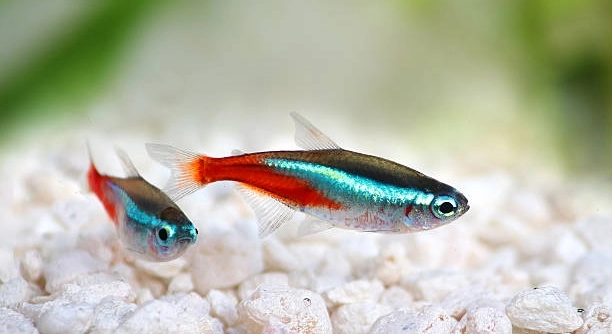
Neon Tetras are popular aquarium fish known for their vibrant colors. However, their tanks can sometimes become noisy, making it difficult to enjoy the peaceful ambiance of your aquarium. Managing this noise is possible with simple steps.
Reducing noise in a Neon Tetra tank can be achieved by adjusting filtration systems, adding live plants, and placing the tank in a quieter area. Ensuring a proper water flow and using noise-dampening materials can also help significantly.
By making a few small adjustments, you can restore the serenity of your aquarium.
Adjust the Filtration System
The filtration system is one of the primary sources of noise in any aquarium. Many people overlook it, assuming it’s just part of the environment. However, switching to a quieter filter or adjusting the flow rate can significantly reduce unwanted noise. If your filter is too powerful, it can create splashing sounds, disrupting the peaceful atmosphere of the tank. Opting for a smaller filter or one designed for quieter operation can make a noticeable difference. Additionally, ensuring that the filter is properly maintained—cleaning it regularly—helps reduce any additional noise caused by blockages or wear. It’s a simple adjustment that can help you enjoy the calming effect of your tank without distraction.
A quieter filter not only improves the sound of the tank but also contributes to the overall health of the environment. By making this change, you can enhance the experience for both the fish and yourself.
For those who have already invested in a filter, there are also simple solutions to reduce noise. One option is to place a piece of foam or rubber beneath the filter. This dampens vibrations and helps to absorb any noise from the pump. Moreover, positioning the filter at a distance from the tank’s glass can also reduce the transmission of sound. Small modifications to the filtration system can bring about noticeable improvements in the overall ambiance of your aquarium.
Add Live Plants to the Tank
Live plants not only enhance the beauty of your tank but also absorb sound. Their lush leaves act as a barrier to some of the noise generated by the water’s movement.
By choosing the right plants, you can create a calmer environment in your aquarium. Plants like Java Fern, Anubias, or Amazon Sword are great choices. These plants grow well in most setups and have broad leaves that absorb sound and help maintain water quality. Additionally, plants create hiding spots for your Neon Tetras, offering a stress-free space and encouraging more natural behavior.
Some plants, like floating species, can also help reduce surface ripple and buffer water movement. They can calm the overall appearance of the tank while helping you manage noise levels more effectively. Incorporating more plants into your setup improves both the visual and acoustic experience, making the aquarium environment more peaceful.
Use Noise-Dampening Materials
Adding noise-dampening materials around your tank can make a big difference. Simple things like placing a soft mat underneath the aquarium or around the filtration system help absorb vibrations and reduce sound. Using foam or rubber pads can be effective in preventing noise from traveling through the stand or surface where the tank sits. These materials can be easily found at most hardware stores and are simple to install.
In addition to placing noise-dampening materials under the tank, you can also add them around the filter. A piece of foam or rubber padding placed beneath the filter helps absorb noise caused by the pump. This setup can reduce vibrations and make your aquarium much quieter.
Another consideration is the material of the tank stand itself. Wooden stands may amplify sound, while metal or acrylic ones tend to carry less noise. If you can, opt for materials that have more noise-absorbing properties. Combining multiple noise-reduction methods can help create a noticeably quieter aquarium.
Position the Tank in a Quieter Area
Where you place your tank can affect the noise level. Positioning the aquarium away from high-traffic areas or rooms with heavy foot traffic can help reduce distractions and noise. Noise can also be amplified if the tank is placed near reflective surfaces such as windows or hard walls.
When setting up your aquarium, consider the surrounding environment. Placing the tank in a corner or against a solid wall will often result in less noise. It also helps to ensure the tank is away from windows that could cause reflections or increased water movement. A calm corner of the room, away from constant activity, can be ideal for maintaining peace.
Taking time to find the perfect spot can make a noticeable impact on the noise level. Ensuring your tank is in a place where it won’t be jostled or disturbed is crucial to reducing unnecessary sound. Avoiding busy or noisy areas and instead opting for a quiet, peaceful part of the room ensures a more serene aquarium environment.
Reduce Water Movement
Excessive water movement is often a major source of noise. To minimize this, adjust the water flow to a gentler setting on your filter or pump. This small change can significantly reduce splashing and bubbling sounds. Lowering the flow also creates a more peaceful environment for your fish.
You can also use a sponge filter or adjust your existing filter to reduce turbulence. A slower water movement ensures your tank remains quieter and more calming. It’s important to find a balance between effective filtration and low noise levels for the best results.
Opt for a Quiet Tank Stand
A tank stand can contribute to noise, especially if it’s made of materials that amplify sound. A metal or acrylic stand tends to absorb noise better than wood. Consider switching to a quieter stand or adding dampening material to your existing one to minimize vibrations.
Ensuring that the stand is stable and firm will help avoid additional rattling or noise. Adding soft materials like rubber pads or foam under the stand can also reduce sound. A sturdy, well-positioned stand ensures your aquarium remains stable and the noise stays at a minimum.
FAQ
How can I reduce noise from my aquarium filter?
To reduce noise from your aquarium filter, start by adjusting the flow rate. Many filters allow you to control the water flow, and lowering it can significantly cut down on splashing and gurgling sounds. If your filter is still too noisy, consider switching to a quieter model designed specifically for low-noise operation. Another option is to use a sponge filter, which tends to be quieter than standard pumps. Regular maintenance of the filter, such as cleaning the impeller and checking for clogs, can also prevent buildup that causes additional noise.
Is there a specific filter type that’s quieter?
Yes, some filter types are naturally quieter than others. For example, canister filters, while often larger, are usually quieter than hang-on-back filters because they are housed away from the tank and absorb much of the noise. Sponge filters are another great option for low noise, particularly in small tanks. They work gently by drawing water through the sponge, creating minimal disturbance. When choosing a filter, look for models that advertise low-noise or ultra-quiet features to ensure the most peaceful tank environment.
How can plants help reduce aquarium noise?
Live plants are not only good for water quality but also help reduce noise in your tank. Their leaves absorb vibrations and the movement of water, which naturally dampens sound. Floating plants like duckweed or water lettuce are especially effective at reducing surface agitation, which in turn reduces splashing sounds. Adding plants such as Java Moss or Anubias can also help quiet the water movement. In addition, plants provide hiding spots for your fish, reducing their stress and encouraging more natural behavior, which makes the tank feel even quieter and more serene.
What is the best way to position my tank to reduce noise?
Positioning your tank in a quiet area is key to reducing overall noise. Place it away from high-traffic areas or rooms that experience frequent movement. Additionally, keep the tank away from reflective surfaces such as windows or mirrors, as they can amplify sound. A good spot is often a corner or against a wall, which helps prevent noise from reverberating. Ensure that the tank is stable, with no potential for accidental bumps that could cause splashing or rattling noises.
Are there any accessories to help with tank noise?
Yes, several accessories can help reduce noise. One effective solution is to use a noise-dampening mat beneath your aquarium stand. These mats help absorb vibrations and prevent sound from traveling through the stand and into the surrounding area. Rubber or foam pads can also be placed under the filter or pump to reduce vibrations. Additionally, covering the tank with a lid or using noise-reducing tank covers can help minimize the noise caused by water movement and air bubbles.
How can I control water movement to reduce tank noise?
Controlling water movement is a crucial step in reducing tank noise. Start by adjusting the water flow on your filter or pump. A slower water flow creates less turbulence and reduces splashing sounds. If you are using a strong filter or pump, you may want to consider switching to a model with variable flow control. Alternatively, installing baffles or using flow control valves can help direct the flow more gently. For smaller tanks, sponge filters or air-driven filters can reduce water movement and create a quieter environment for your fish.
Does the material of the tank stand affect the noise level?
Yes, the material of your tank stand can impact the noise level. Wooden stands are more likely to amplify sound due to their density and resonance. On the other hand, metal and acrylic stands generally absorb sound better, making them a quieter option. If you have a wooden stand, adding noise-dampening materials like rubber or foam pads underneath can help reduce noise. A sturdy, well-built stand will also prevent unnecessary vibrations that contribute to tank noise.
Can water temperature affect noise in the tank?
Water temperature can indirectly affect the noise levels in your tank. Warmer water typically results in faster water movement, which can cause more splashing or bubbling sounds. To maintain a quieter tank, try to avoid excessive water temperature fluctuations. Ensure your heater is working properly and is not overworking, which could create unnecessary noise. Keeping the water temperature within the appropriate range for your fish species will not only ensure their health but also help reduce noise from rapid water movement.
How can I stop my tank from vibrating?
Tank vibrations can be minimized by ensuring that the tank stand is stable and level. If the stand is unsteady, it can transmit vibrations through the tank and into the surrounding environment. Using rubber pads or foam beneath the stand will help absorb vibrations and prevent noise from spreading. Additionally, check that the filter, pump, and other equipment are securely positioned to avoid unnecessary rattling. If the tank itself is vibrating due to water movement, adjusting the flow or switching to quieter equipment can help significantly reduce vibrations.
Do I need to replace noisy aquarium equipment?
Not necessarily. Before replacing noisy equipment, try simple fixes like adjusting the flow rate, cleaning the equipment, or adding noise-dampening materials. If the equipment continues to cause noise despite these efforts, then consider replacing it with quieter alternatives. Many aquarium companies offer low-noise filters, pumps, and air stones. Opting for a quieter model can make a big difference in the overall sound of your tank.
Final Thoughts
Reducing noise in your neon tetra tank is a simple but effective way to create a more peaceful environment for both you and your fish. Small adjustments, such as repositioning your tank, using noise-dampening materials, or modifying water flow, can significantly lower the amount of sound coming from your aquarium. These changes do not require major investments or complicated setups, but they can lead to noticeable improvements in the overall tranquility of your space. A quieter tank not only improves the experience of observing your fish but also reduces any distractions that may interfere with your daily routine.
While the adjustments you make may vary depending on your tank’s size and setup, the main principles remain the same. Focus on minimizing vibrations and controlling water movement, as these are the main contributors to noise. Simple tools like foam pads, rubber mats, or adjustable filters can make a big difference without much effort. Ensuring that your tank is placed in a quieter, less-trafficked area will also help reduce external sources of noise. Combining these strategies will allow you to enjoy a calm and peaceful aquarium that both you and your neon tetras can appreciate.
The benefits of a quieter tank go beyond just noise reduction. With less disturbance, your fish are likely to feel more secure and comfortable, which can promote better health and more natural behaviors. You’ll also find that a quieter tank creates a more relaxing atmosphere in your home, contributing to a less stressful environment. Whether you’re new to aquariums or have years of experience, making your tank quieter is a simple yet effective way to enhance your aquarium experience.

Hello,
If you enjoy the content that we create, please consider saying a "Thank You!" by leaving a tip.
Every little bit helps us continue crafting quality advice that supports the health, happiness, and well-being of pets around the world, for pets of all shapes, sizes, and species.
We really appreciate the kindness and support that you show us!