
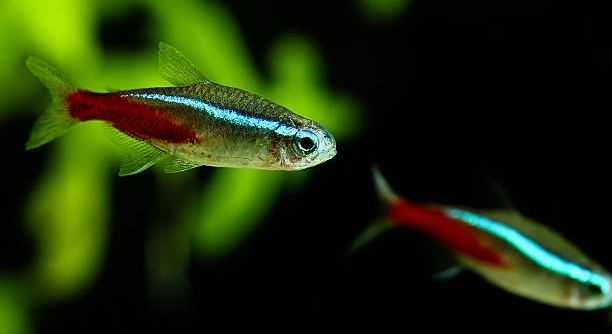
Neon tetras are known for their vibrant colors, but their flashing scales can sometimes leave fish owners puzzled. This behavior is more than just a display of beauty; it holds a deeper meaning in the aquatic world.
The flashing behavior of neon tetras is often related to communication, stress, or breeding. It can be a sign of excitement or an attempt to attract a mate. Additionally, flashing may occur when tetras are feeling threatened or exposed to environmental changes.
Understanding the reasons behind this flashing will help you create a better environment for your fish, ensuring their well-being and happiness.
Stress and Anxiety
Neon tetras are highly sensitive fish that can easily become stressed due to various factors. When the tank conditions aren’t ideal, such as fluctuating temperatures or poor water quality, tetras might display flashing behavior. This is often their way of signaling discomfort or distress. Changes in their environment, like moving the tank or introducing new tankmates, can also trigger anxiety. Neon tetras are also social creatures, and isolation can cause them to become agitated, leading to flashing as a sign of unease.
Flashing can sometimes be linked to poor tank conditions, which need immediate attention to ensure your fish remain healthy.
It’s important to monitor your tank’s water quality regularly. Testing the water’s pH, hardness, and ammonia levels can help you spot any potential issues before they become serious. Tetras are especially sensitive to ammonia spikes, which can cause them to stress and display erratic behavior. Also, keeping a consistent temperature range of 72-80°F can prevent sudden shocks. If the flashing continues even after making environmental adjustments, it’s crucial to evaluate other possible causes, such as illness.
Communication and Mating Signals
Flashing can also occur when neon tetras are trying to communicate with each other, especially during breeding season. In nature, flashing serves as a signal between males and females, often used to attract a mate. During this time, males become more active, showing off their vibrant colors and flashing their scales to catch the attention of females. This behavior can be quite noticeable, and it’s a good sign that your tetras are reaching their breeding stage.
Creating an ideal breeding environment can encourage this behavior. Make sure the tank includes plants and hiding spots, which mimic their natural habitat. With the right conditions, tetras can thrive and breed more easily.
Illness and Infection
Flashing can be a sign that your neon tetra is struggling with an illness or infection. Parasites, especially external ones like Ich, can cause your tetras to rub their bodies against objects and display flashing behavior. It’s important to check your fish for signs of disease such as abnormal spots or swelling.
If you notice your neon tetra flashing, inspect the fish closely for symptoms of parasites. Ich, for example, causes white spots on the skin, which might make them itch or irritate them. If left untreated, infections can quickly spread to other fish in the tank. A quarantine tank can help isolate and treat the infected fish.
When dealing with infection, a medicated bath or specialized treatment can help cure the fish. Regular water changes, maintaining proper water quality, and reducing stress in the tank can also assist in preventing future outbreaks. Always remove affected fish as soon as possible to protect the rest of the tank’s inhabitants.
Tank Conditions and Temperature
Incorrect tank conditions often lead to flashing behavior. Neon tetras are sensitive to water temperature, and even slight shifts in the temperature range can stress them out. A fluctuating temperature can cause them to become agitated, resulting in flashing. Consistent water conditions help maintain their well-being.
Ensure the water temperature in your tank stays within the recommended range of 72-80°F. Investing in a quality aquarium heater with a thermostat can help regulate the temperature. Additionally, monitoring the tank’s temperature using a thermometer can help avoid sudden drops or rises. Inadequate filtration can also contribute to stress, so check the filter regularly for clogs.
By keeping the tank temperature stable and maintaining proper filtration, you’ll create an environment where your neon tetras feel secure. This minimizes stress and the chances of flashing behavior, ensuring your fish remain comfortable and healthy.
Overcrowding
Overcrowding in the tank can cause stress and lead to flashing behavior in neon tetras. When there are too many fish in a small space, it increases competition for resources like food and territory. This can make tetras feel threatened, which leads to flashing.
To prevent overcrowding, ensure that your tank has enough space for all your fish. A good rule of thumb is to allow 1 inch of fish per gallon of water. If you notice your tetras are flashing frequently, reducing the number of fish or upgrading the tank size may help.
Aggressive Tankmates
Aggressive tankmates often cause flashing behavior in neon tetras. Fish that display territorial or predatory behavior can make the tetras feel unsafe. Neon tetras are small and peaceful, and they may start flashing their scales as a sign of stress or to avoid confrontations.
To prevent aggression, choose tankmates that are compatible with neon tetras. Avoid larger, more aggressive species that may view the tetras as prey. Keep an eye on how your fish interact with each other and be prepared to separate any overly aggressive fish to prevent further stress.
Lack of Enrichment
Neon tetras need environmental enrichment to feel secure and comfortable. Without places to hide or swim through, they may feel exposed and stressed. Flashing is a way to show discomfort when they don’t have enough stimulation in their environment.
Make sure your tank is decorated with plants, rocks, and hiding spots. This not only helps reduce stress but also encourages natural behaviors, such as exploring and schooling. A well-planted tank provides security for the tetras, which reduces the chances of flashing.
FAQ
Why are my neon tetras flashing their scales?
Flashing is a behavior that can be triggered by several factors, including stress, illness, mating, or environmental changes. Neon tetras may display this behavior when they feel threatened or when there are issues with water quality, temperature, or tank overcrowding. If flashing becomes a regular occurrence, it’s important to examine the conditions in the tank to identify any potential problems.
Can flashing scales indicate a health problem?
Yes, flashing scales can be a sign of illness, particularly if accompanied by other symptoms like spots, swelling, or lethargy. External parasites such as Ich can cause itching, which makes tetras rub against objects in the tank. If you notice flashing along with physical signs of illness, you should isolate the affected fish and begin treatment immediately.
How can I stop my neon tetras from flashing?
To prevent flashing, ensure your tank conditions are optimal. Regular water changes, proper filtration, and maintaining a stable temperature range of 72-80°F are crucial. Avoid overcrowding the tank and ensure the fish have enough space to swim freely. If flashing persists, consider checking for parasites or illnesses.
What temperature do neon tetras prefer?
Neon tetras thrive in temperatures between 72-80°F. A sudden drop or increase in temperature can cause stress, leading to flashing behavior. Maintaining a consistent temperature is key to keeping your tetras comfortable and healthy. Investing in a reliable aquarium heater can help regulate temperature fluctuations.
Are neon tetras social fish?
Yes, neon tetras are highly social and feel more secure when kept in groups of six or more. They display schooling behavior, which helps reduce stress and gives them a sense of security. Keeping them in groups will reduce the likelihood of them flashing due to isolation or feeling exposed.
What size tank do neon tetras need?
For a small group of neon tetras, a 10-gallon tank is the minimum recommended size. However, a larger tank will provide more space for swimming and help reduce stress. Overcrowding is a common cause of flashing, so it’s important to avoid packing too many fish into a small space.
Can neon tetras flash when they’re breeding?
Yes, flashing can be part of the mating ritual for neon tetras. During breeding season, males often display their vibrant colors and flash their scales to attract females. This behavior is natural and indicates that your tetras are ready to mate. Providing hiding spots and plants can encourage breeding.
How often should I do water changes in a neon tetra tank?
To maintain water quality, regular water changes are necessary. Aim for a 25-30% water change every 1-2 weeks, depending on the tank size and the number of fish. Regular water testing is also important to monitor pH, ammonia, and nitrate levels to keep the environment healthy.
Can flashing be caused by tankmates?
Yes, aggressive or territorial tankmates can cause stress, leading to flashing. Larger or more aggressive fish may harass neon tetras, causing them to feel threatened. If you notice flashing and aggression from tankmates, it may be time to rearrange the tank or separate the aggressive fish.
What should I do if I notice flashing and my tank seems fine?
If your tank conditions are optimal and you’ve ruled out stress or illness, the flashing behavior may be due to other factors like boredom or lack of enrichment. Make sure your tank has enough hiding spots and plants to keep your tetras engaged. You may also want to add more fish to provide companionship.
How do I know if my neon tetra has an illness?
Illnesses in neon tetras are often accompanied by visible symptoms such as white spots (Ich), lesions, swelling, or abnormal swimming patterns. If your fish seems lethargic, has trouble swimming, or isn’t eating, it may be sick. Flashing behavior, when paired with these symptoms, often signals a need for treatment.
Is it safe to treat flashing with medication?
If flashing is due to illness, medicating the tank may be necessary. However, always be cautious and ensure the medication is suitable for neon tetras. Some treatments may harm sensitive species, so research the medication and follow dosing instructions carefully. Quarantine infected fish in a separate tank to prevent the spread of disease.
How can I prevent flashing in a new tank setup?
When setting up a new tank, ensure that the environment is stable before adding fish. Allow the tank to cycle for a few weeks to establish a balanced ecosystem. Avoid overstocking the tank and keep the water quality in check. Adding too many fish too soon can stress your neon tetras and cause flashing.
Final Thoughts
Flashing behavior in neon tetras is often a sign of stress, illness, or environmental factors. It’s important to observe your fish closely to determine the underlying cause. Stressors such as poor water quality, temperature fluctuations, or overcrowding can cause tetras to display this behavior. Regular water changes, proper filtration, and maintaining a stable environment are crucial for the well-being of your fish. Keeping an eye on tank conditions is essential to prevent issues that could lead to flashing.
Another factor that can trigger flashing is the presence of parasites or illnesses. External parasites, like Ich, can cause itching and irritation, which may lead to flashing. If you notice any other symptoms such as white spots or swelling, it’s important to treat the affected fish immediately. Quarantining sick fish and using medicated treatments can help prevent the spread of illness to other tank inhabitants. Ensuring your fish remain healthy will reduce stress and the chances of flashing.
Lastly, neon tetras are social fish, and they thrive in groups. Keeping them in schools helps them feel secure and reduces stress. Having plenty of hiding spots, plants, and decorations in the tank also provides them with a sense of security. Maintaining a peaceful and stable tank environment, with compatible tankmates, will ensure your neon tetras are happy and healthy. By paying attention to these factors, you can reduce flashing behavior and create a more comfortable home for your fish.

Hello,
If you enjoy the content that we create, please consider saying a "Thank You!" by leaving a tip.
Every little bit helps us continue crafting quality advice that supports the health, happiness, and well-being of pets around the world, for pets of all shapes, sizes, and species.
We really appreciate the kindness and support that you show us!