
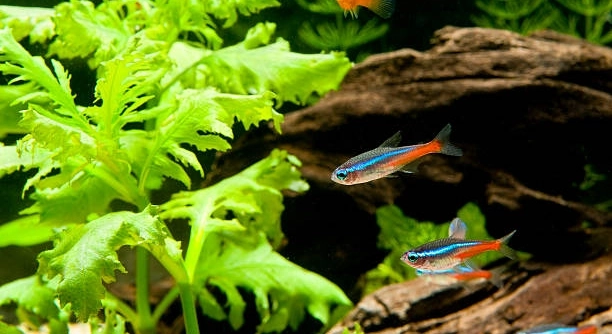
Are your neon tetras constantly chasing or nipping at each other, leaving you concerned about their well-being and tank harmony?
Neon tetras fight mainly due to stress, overcrowding, or poor tank conditions. Addressing environmental triggers, providing proper hiding spaces, and maintaining a stable social structure are key strategies for reducing aggression and promoting peaceful behavior.
Learning what causes the tension helps you create a safer tank where your tetras can thrive peacefully and interact with less stress.
Understand Why Neon Tetras Fight
Neon tetras are generally peaceful, but stress can change their behavior. Common triggers include overcrowded tanks, inconsistent water quality, and a lack of structure in their environment. Fighting may also result from poor social dynamics, especially if the group is too small or lacks a proper male-to-female ratio. These small fish are sensitive to changes, and even minor disruptions in their surroundings can cause them to lash out. Watching for signs like chasing, nipping, or torn fins helps you respond early. Identifying and adjusting these factors is essential to restore balance and prevent injuries in the tank.
Neon tetras thrive in schools of six or more. Anything less can make them anxious and more aggressive toward one another.
Keep their environment steady, maintain a proper group size, and avoid sudden changes. Observing their behavior closely will help you act early and prevent more serious problems from developing in the tank.
Create a Calm Tank Setup
Avoid bright lights and keep loud noises or constant disturbances to a minimum. A peaceful tank setup reduces stress and helps your tetras feel more secure.
A calm tank setup starts with the layout. Include plenty of plants and decorations to provide cover and break up the lines of sight between fish. This lowers tension by giving each tetra its own space to rest or retreat. Driftwood, artificial caves, and tall plants placed throughout the tank encourage peaceful behavior and natural exploration. Maintain the water temperature between 72–78°F, with a steady pH of 6.0–7.0. Regular water changes and filter maintenance prevent ammonia spikes and keep the environment healthy. Use a gentle filter to avoid strong currents, which can overwhelm these small fish. Reducing stress through thoughtful tank design and consistent upkeep allows neon tetras to swim comfortably and interact peacefully.
Maintain a Balanced Group Size
A small group can leave tetras feeling unsafe and lead to aggressive behavior. Aim for at least six neon tetras to help reduce tension and promote healthy schooling habits. A proper group size helps distribute interactions more evenly among the fish.
When neon tetras are kept in smaller numbers, they often feel vulnerable. This can make them chase or nip at each other out of stress. Increasing the group size helps them feel secure and behave more naturally. It also keeps one or two fish from being targeted repeatedly. Spreading out social energy across a larger group lowers the chance of fighting and creates a more peaceful tank. Keep the group even-numbered if possible, and avoid housing just a pair. Adding more fish at once, instead of one at a time, also prevents disruptions in the group’s structure. A healthy school supports calm and predictable behavior.
Make sure the tank size fits the group. For six tetras, a 10-gallon tank is the minimum. If you plan to keep more or have additional species, a larger setup is necessary. Overcrowding leads to stress, but too much open space without cover can also cause anxiety. Aim for a balanced setup that gives them enough room and security.
Feed Them the Right Way
Feeding plays a role in aggression. If some fish aren’t getting enough food, they may become pushy. Spread out the food across the tank and use sinking and floating types so each tetra gets a chance to eat without fighting.
Uneven feeding can create competition. Dominant tetras may chase others away from food, leading to fights. Offer small amounts of food two to three times daily to prevent overfeeding. Use a mix of flakes, micro pellets, and frozen foods like daphnia or brine shrimp to meet their nutritional needs. Watch the feeding sessions to ensure each fish eats. If some tetras are being left out, consider using feeding rings or placing food in different spots. This keeps the group more balanced and reduces the urge to compete. Feeding the right types of food in the right way can make a noticeable difference in their behavior.
Add Hiding Spots
Adding hiding spots gives each fish a place to rest and stay out of sight. This helps reduce stress and lowers the chance of chasing or fighting. Use plants, rocks, or decorations to break up open areas in the tank.
Spread the hiding spots across the tank, not just in one area. This prevents fish from crowding together in one corner and encourages peaceful movement throughout the space. A mix of tall and short cover works best.
Keep Water Conditions Stable
Neon tetras are sensitive to changes in water quality. Sudden shifts in temperature, pH, or ammonia levels can make them anxious or aggressive. Test the water weekly and perform partial water changes regularly to keep things stable. Use a heater and thermometer to maintain a steady temperature, and avoid overfeeding, which can raise ammonia levels. If you add new fish or change decorations, do it gradually to avoid disrupting the tank. Stress from water instability is one of the most common triggers of bad behavior. Clean the filter monthly and monitor for any signs of illness, as poor health can also affect behavior.
Avoid Mixing with Aggressive Species
Some fish are too territorial or fast-moving for neon tetras. Avoid keeping them with species known for nipping or chasing, as this adds more stress. Stick with peaceful tank mates like rasboras, guppies, or corydoras.
FAQ
Why do neon tetras fight?
Neon tetras typically fight due to stress, lack of space, or improper tank conditions. When they feel crowded or uncomfortable, they may become territorial and start fighting. Other reasons include poor water quality, aggressive tank mates, or an insufficient school size. Ensuring the right environment, proper tank mates, and enough space can significantly reduce aggression.
How can I prevent neon tetras from fighting?
To prevent fighting, ensure they have enough space and are kept in groups of at least six. A larger group reduces stress and distributes aggression more evenly. Adding plants and decorations gives them places to hide, lowering tensions. Maintain water quality, avoid overcrowding, and keep calm tank mates to foster a peaceful environment.
What is the best tank size for neon tetras?
A 10-gallon tank is the minimum size for a small group of neon tetras. For larger schools or when housing other species, a 20-gallon tank or more is ideal. This provides enough swimming space and helps maintain water quality, preventing overcrowding and stress. Ensure the tank is well-filtered and has plenty of hiding spots.
Can neon tetras live with other fish?
Yes, neon tetras are peaceful and can live with many other species. However, avoid aggressive fish like cichlids or fast swimmers that might intimidate or outcompete them for food. Ideal tank mates include peaceful species like guppies, rasboras, and corydoras. Be sure to research any potential tank mates to avoid conflict.
Do neon tetras need a filter?
Yes, a filter is essential for maintaining good water quality. Neon tetras are sensitive to poor water conditions, and a filter helps remove debris, toxins, and excess waste. Choose a filter with a gentle flow, as strong currents can stress these small fish. Regular water changes should also be part of your maintenance routine.
What is the ideal water temperature for neon tetras?
Neon tetras thrive in water temperatures between 72°F and 78°F (22°C to 26°C). Keep the temperature stable within this range to prevent stress. Use a heater to maintain consistent warmth, as temperature fluctuations can cause health issues and increase aggression. Always monitor the temperature regularly.
How often should I feed neon tetras?
Feed neon tetras small amounts two to three times a day. Overfeeding can lead to water pollution and stress. Offer high-quality flake food, micro pellets, or frozen food like brine shrimp or daphnia. Adjust the portions to prevent uneaten food from decomposing in the tank, which can affect water quality.
Can neon tetras live in low light?
Neon tetras prefer low to moderate lighting. Bright lights can stress them out and cause them to hide, leading to more territorial behavior. Use dim, gentle lighting to create a calm environment. Additionally, providing plants or decorations helps them feel secure and reduces aggression.
How can I tell if my neon tetras are stressed?
Stressed neon tetras may show signs such as erratic swimming, hiding, reduced appetite, or torn fins. If you notice them fighting more than usual or displaying signs of illness, check the water quality, temperature, and tank conditions. Stress can also be caused by aggressive tank mates or overcrowding. Regular monitoring and quick action can help alleviate these issues.
Are neon tetras prone to any diseases?
Yes, neon tetras are susceptible to diseases like neon tetra disease (NTD), which causes loss of color, lesions, and abnormal behavior. Other common illnesses include ich, fin rot, and velvet disease. Regular water changes, a clean tank, and prompt treatment of any signs of illness help prevent these problems. Always quarantine new fish before adding them to your main tank to avoid introducing diseases.
What is the lifespan of neon tetras?
Neon tetras typically live for 5 to 10 years with proper care. A stable, clean environment and healthy diet can help them reach their full lifespan. The lifespan may be shorter if the fish are exposed to poor water quality, overcrowding, or aggressive tank mates. Regular maintenance and monitoring help ensure they thrive for many years.
How can I breed neon tetras?
Breeding neon tetras requires a separate breeding tank with soft, slightly acidic water. To encourage spawning, provide a quiet, dimly lit environment with plants for the tetras to lay their eggs on. Temperature should be around 75°F (24°C). Once the eggs hatch, feed the fry infusoria or micro worms. Separate the adults after spawning to avoid them eating the eggs.
Do neon tetras need a heater?
Yes, neon tetras are tropical fish and need a heater to maintain a consistent water temperature between 72°F and 78°F. In colder environments, a heater is essential for keeping the water within this range. A stable temperature helps prevent stress and illness, contributing to overall health and peaceful behavior.
Why are my neon tetras swimming in circles?
If neon tetras are swimming in circles, it could indicate stress, water quality issues, or illness. Check the water parameters, including temperature, pH, and ammonia levels. It may also be a sign of confusion caused by strong currents or poor water circulation. Make sure the tank is appropriately sized and the filter is working properly.
How can I improve water quality for neon tetras?
To improve water quality, perform regular water changes (about 25-30% per week). Keep the tank clean, removing any uneaten food or debris. Test the water regularly for ammonia, nitrite, nitrate, pH, and hardness to ensure they stay within acceptable ranges. A high-quality filter and gentle water circulation also help maintain a stable environment.
Do neon tetras need a lot of plants?
While neon tetras don’t require a heavily planted tank, adding plants helps replicate their natural environment and offers hiding spots. Plants like java fern, anubias, or hornwort provide cover and reduce stress. A mix of plants and decorations also improves the aesthetic of the tank, making it more enjoyable for both fish and their owner.
Final Thoughts
Ensuring your neon tetras live peacefully requires careful attention to their environment. Stress, overcrowding, and poor water quality are common triggers for fighting and aggression. By addressing these factors, you can create a healthy, calm tank for your fish. A proper setup with enough space, hiding spots, and peaceful tank mates is key to maintaining harmony. Consistently checking the water quality and temperature can also go a long way in keeping your tetras comfortable and stress-free.
When adding new fish to your tank, research their compatibility with neon tetras. Some species are naturally more aggressive or territorial and can disrupt the peaceful nature of your tank. A well-planned tank setup with a mix of plants and decorations gives the tetras room to swim freely and seek shelter when needed. Ensuring that the tank size is suitable for your fish also reduces the chances of overcrowding, which can cause stress and lead to fighting.
Finally, understanding the specific needs of neon tetras helps you maintain their health and happiness in the long term. Regular water changes, maintaining the right temperature, and providing the right diet are essential steps. When all aspects of care are met, neon tetras can live in harmony, displaying their bright colors without stress or aggression. This will not only improve their well-being but will also allow you to enjoy their peaceful nature and beauty in your aquarium.

Hello,
If you enjoy the content that we create, please consider saying a "Thank You!" by leaving a tip.
Every little bit helps us continue crafting quality advice that supports the health, happiness, and well-being of pets around the world, for pets of all shapes, sizes, and species.
We really appreciate the kindness and support that you show us!