
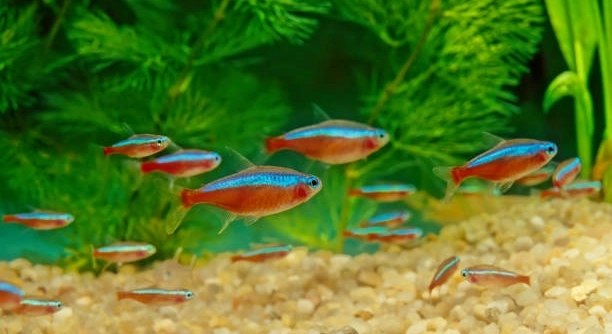
Feeding your baby neon tetra the right way is essential for their growth and health. Understanding their needs ensures they thrive in your aquarium. This guide will walk you through the seven steps for proper feeding.
Properly feeding baby neon tetras requires offering small amounts of specialized food multiple times a day. You should focus on foods like baby brine shrimp or high-quality fry food, ensuring the pieces are small enough for their tiny mouths.
By following these simple steps, you’ll set your baby neon tetra up for success in their early development.
Step 1: Choose the Right Food for Baby Neon Tetras
Feeding baby neon tetras starts with selecting the proper food. Their small mouths require tiny, nutritious options to help them grow. The best food for baby tetras is finely powdered flake food, micro pellets, or live food like baby brine shrimp. These options are rich in essential nutrients like protein, which is vital for their development. Make sure the food is small enough to be easily consumed, as they cannot handle large chunks. You may also consider supplementing with rotifers or specialized fry food to keep them healthy.
Avoid overfeeding, as excess food can quickly pollute the water, leading to unhealthy tank conditions. It’s important to choose a high-quality food that meets their nutritional needs and provides the right balance of vitamins, minerals, and protein.
Choosing the right food is essential for the health of your baby neon tetras. Quality food provides the nutrients they need to thrive and grow strong.
Step 2: Feed Small Portions Multiple Times a Day
Baby neon tetras have fast metabolisms and need regular feeding. Instead of offering large portions all at once, break up their meals into smaller servings throughout the day.
Feeding them small amounts multiple times ensures they get enough nutrients without overwhelming their tiny digestive systems. Typically, three to four feedings a day is ideal. The food should be gone within a few minutes to avoid water contamination. Be mindful of their feeding habits and adjust accordingly as they grow. You might need to slightly increase portion sizes as they mature.
By following this feeding schedule, you’ll ensure that your baby neon tetras are always getting enough nutrition and help maintain clean tank water. The key is consistency and balance.
Step 3: Keep the Water Clean
Clean water is vital for the health of your baby neon tetras. Uneaten food can quickly pollute the tank, affecting water quality and causing stress to the fish.
Regularly check the water temperature and pH to ensure the tank environment is stable. Neon tetras prefer water between 72-80°F (22-27°C) with a slightly acidic pH of 6.0-7.0. Keeping the water clean by removing excess food and debris is essential to prevent health issues. Frequent water changes, about 25% per week, will also help maintain optimal conditions.
Investing in a gentle filtration system can help keep the water clean without disturbing your tiny tetras. Remember, healthy water equals happy, growing fish.
Step 4: Monitor Feeding Times
It’s crucial to monitor feeding times to avoid overfeeding your baby neon tetras. Overfeeding can lead to water contamination and health issues.
Baby neon tetras have small stomachs, so it’s best to feed them only as much as they can consume in a few minutes. You’ll quickly notice that any excess food not eaten within this time starts to sink to the bottom, which can degrade water quality. Pay attention to how much your tetras are eating, and adjust portions accordingly. Baby fish will eat several times a day but in small amounts.
A good rule of thumb is to feed them about 3-4 times a day, but only enough to be consumed in 3-5 minutes.
Step 5: Use Live Foods for Extra Nutrition
Live foods like baby brine shrimp and daphnia can provide additional nutrients for your baby neon tetras. They also stimulate natural hunting behavior, which is beneficial for their development.
Live foods are rich in protein and can help baby tetras grow faster and healthier. Just be sure to provide them in moderation to avoid overfeeding.
Live food should be offered 2-3 times a week to enhance their diet, ensuring they get a well-rounded nutritional intake.
Step 6: Avoid Overcrowding in the Tank
Overcrowding can lead to competition for food, stress, and poor water quality. Make sure there’s enough space for each tetra to feed comfortably.
Baby neon tetras need space to grow and develop properly. Overcrowding not only reduces their food intake but also increases the risk of diseases spreading. Keep the number of fish balanced with the tank size.
Step 7: Adjust Feeding as They Grow
As your baby neon tetras grow, their feeding needs will change. They will need slightly larger portions and different types of food.
Gradually increase the size of their food as they grow. Continue to provide small, frequent feedings while focusing on protein-rich foods. Regularly adjust their feeding schedule to match their development stages.
FAQ
How often should I feed my baby neon tetras?
Baby neon tetras should be fed small amounts 3-4 times a day. Their tiny stomachs can’t handle large portions, so offering smaller meals frequently is essential for their growth and health. Overfeeding can lead to water pollution and health problems. Make sure the food is consumed within a few minutes to avoid leftovers in the tank.
Can I feed my baby neon tetras regular fish food?
While regular fish food can be used, it’s best to feed your baby neon tetras specialized fry food or finely crushed flakes. Their small mouths need tiny food particles that they can easily consume. Regular adult fish food is often too large and can be hard for them to eat. You can also supplement with live or frozen foods like baby brine shrimp or daphnia.
What is the best food for baby neon tetras?
The best food for baby neon tetras is high-quality fry food, powdered fish flakes, or micro pellets. Live foods such as baby brine shrimp and daphnia can also be introduced for added nutrition. These foods are small enough for baby tetras to eat and rich in protein and essential nutrients for healthy growth.
Should I feed my baby neon tetras live food?
Yes, live food is an excellent option for baby neon tetras. Baby brine shrimp and daphnia are common live foods that offer a natural source of protein. They help promote the fish’s natural hunting instincts and provide extra nutrition. Live food should be fed sparingly, about 2-3 times a week, to avoid overfeeding.
Can I overfeed baby neon tetras?
Yes, overfeeding is a common mistake when caring for baby neon tetras. Excess food left in the tank can cause water pollution, leading to poor water quality and stress for the fish. To avoid overfeeding, offer small amounts of food that the fish can eat in 3-5 minutes. Remove any uneaten food after feeding to maintain a clean tank.
How do I know if my baby neon tetras are eating enough?
You’ll know your baby neon tetras are eating enough if they actively swim to the surface when food is offered and eat all of it within a few minutes. If food remains uneaten, you may be offering too much. Also, check their size and growth rate. If they appear underdeveloped, consider increasing feeding times or adjusting the food type.
What is the best temperature for baby neon tetras?
Baby neon tetras thrive in water temperatures between 72-80°F (22-27°C). It’s important to maintain stable temperature conditions as fluctuations can stress the fish and affect their appetite and growth. Use a reliable aquarium heater to regulate the temperature, and monitor it regularly to ensure it remains within the ideal range.
Can baby neon tetras eat flake food?
Yes, baby neon tetras can eat flake food, but it must be crushed into smaller particles. Their mouths are small, so large flakes may be difficult for them to eat. You can use a food processor or crush the flakes by hand to make them manageable for the baby fish. Flake food should be a part of their diet but supplemented with live or frozen foods for balanced nutrition.
How do I clean the tank after feeding baby neon tetras?
Cleaning the tank after feeding is essential to maintain water quality. Remove any uneaten food with a small siphon or net. If food has sunk to the bottom, gently stir the substrate to prevent waste buildup. Perform regular water changes, at least 25% per week, to keep the environment clean and healthy for your tetras.
What type of filtration system is best for baby neon tetras?
A gentle filtration system is ideal for baby neon tetras. Strong filters can create excessive water movement, which can stress the tiny fish. Look for filters with adjustable flow rates or sponge filters that provide a gentle current. Proper filtration will help maintain clean water while avoiding harming the delicate fry.
How long should I feed my baby neon tetras fry food?
Feed baby neon tetras fry food until they are around 1-1.5 inches long. At this stage, you can start introducing adult foods like finely crushed flakes or micro pellets. As they grow, continue adjusting the size of their food to match their development. Keep their diet varied with live or frozen foods for added nutrition.
Can baby neon tetras eat vegetables?
While baby neon tetras primarily eat protein-based foods, they can occasionally eat very finely chopped vegetables. Tiny pieces of blanched spinach, zucchini, or cucumber can be offered sparingly. However, vegetables should not be a main part of their diet, as they need more protein to grow properly.
Do baby neon tetras need light to eat?
Yes, baby neon tetras need light to eat. They are active during the day and rely on their vision to find food. Make sure your tank is properly lit during feeding times, so the fish can easily locate their food. However, it’s also important to give them periods of darkness for proper rest.
What should I do if my baby neon tetras stop eating?
If your baby neon tetras stop eating, it could be a sign of stress, illness, or poor water quality. Check the tank conditions, including temperature, pH, and ammonia levels. Make sure there’s no overcrowding and that the food being offered is appropriate for their size. If they still refuse food, consult a veterinarian or aquarium expert for further advice.
Are baby neon tetras picky eaters?
Baby neon tetras are not usually picky eaters, but they do have specific food preferences. They prefer small, high-quality foods such as powdered flakes, micro pellets, and live food like baby brine shrimp. Experiment with different types of food if they seem uninterested in one option, and always ensure that the food is small enough for their tiny mouths.
Final Thoughts
Feeding baby neon tetras correctly is essential for their health and growth. Providing the right food, maintaining clean water, and offering the proper feeding schedule are key elements to ensure they thrive in your aquarium. Their small size requires specialized care, and it’s important to avoid overfeeding, as excess food can pollute the water and lead to potential health issues. A clean environment with stable water conditions supports their growth and helps them develop into vibrant adult tetras.
The diet of baby neon tetras should be varied and rich in protein. While powdered flakes, micro pellets, and live foods like baby brine shrimp provide excellent nutrition, it’s essential to make sure that the food is appropriately sized for their tiny mouths. The frequency of feedings is just as important—offering small portions 3 to 4 times a day helps prevent overfeeding and ensures they get all the nutrients they need. Keep in mind that baby neon tetras need a balanced diet that supports their growth stages and provides enough energy for their active, playful nature.
As your tetras grow, you can gradually adjust their food to match their development. This process requires patience and attention to detail, as their feeding needs will change over time. By consistently monitoring their feeding behavior and making necessary adjustments, you can ensure that they are receiving the nutrition they require to thrive. Remember, the care you put into feeding your baby neon tetras will pay off in the form of healthy, active fish that add beautiful color to your aquarium. So, keep an eye on their progress, and with a little effort, your neon tetras will flourish.

Hello,
If you enjoy the content that we create, please consider saying a "Thank You!" by leaving a tip.
Every little bit helps us continue crafting quality advice that supports the health, happiness, and well-being of pets around the world, for pets of all shapes, sizes, and species.
We really appreciate the kindness and support that you show us!