
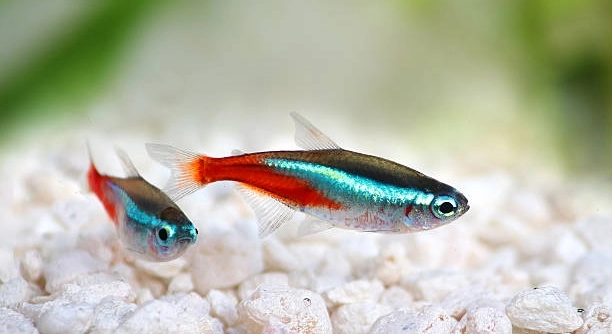
Are your neon tetras thriving, or do you find it hard to keep the tank clean without constant water changes? These tiny, colorful fish deserve a stable and healthy environment that’s easy to manage.
Maintaining a healthy neon tetra tank without frequent water changes is possible by focusing on biological balance, efficient filtration, live plants, proper feeding, and minimal bioload. These methods support long-term water stability and fish wellness.
By making small changes to your setup and daily routine, you can create a balanced ecosystem that reduces your need for constant maintenance.
Use a Sponge Filter Instead of a Standard One
Sponge filters are a simple but effective way to keep your neon tetra tank clean without constant water changes. These filters work using air from an air pump, which creates bubbles that draw water through the sponge. As water passes through, the sponge traps waste and debris while allowing beneficial bacteria to grow. This bacteria helps break down harmful substances in the water, keeping the environment safe for your fish. Unlike powerful filters that can create strong currents and stress small fish, sponge filters offer gentle filtration. They are quiet, easy to clean, and won’t disturb the tank’s balance when maintained correctly. Installing one is also budget-friendly and doesn’t require special tools or skills. If you’re looking to reduce water changes and still maintain clean water, switching to a sponge filter can make a noticeable difference in how often you need to intervene in your tank.
Sponge filters also support stable bacterial colonies, which are essential for managing waste in smaller tanks like those for neon tetras.
Clean the sponge about once every two weeks by squeezing it in old tank water. This prevents over-cleaning and helps maintain the beneficial bacteria. Avoid rinsing it under tap water, as this can destroy the good bacteria that keep your tank stable.
Add Live Plants to Support Water Quality
Live plants naturally absorb excess nutrients in the tank, which helps reduce waste buildup and supports cleaner water for longer periods.
Plants play a key role in a low-maintenance tank. They take in nitrates and other waste compounds that come from fish food and waste, which would otherwise build up and lead to dirty water. Fast-growing plants like hornwort, water wisteria, or guppy grass are great options because they use more nutrients and grow quickly. This limits algae growth and helps keep water clearer. Besides improving water quality, live plants offer shelter and make your tank look more natural. Neon tetras feel safer with places to hide, so they’ll show better colors and more active behavior. You can even skip using fertilizers if you have a light fish load, as the fish waste will feed the plants. Using low-light plants makes care even easier. Just make sure to trim the plants occasionally and remove dead leaves to avoid decay.
Feed Small Amounts Once or Twice Daily
Feeding your neon tetras lightly helps keep the tank water cleaner. Overfeeding causes uneaten food to decay, which increases waste levels and makes it harder to maintain good water quality over time.
Only give your tetras what they can eat in about two minutes. If you notice leftover food after that time, reduce the portion size. High-quality micro pellets or crushed flakes work well, and frozen or live food can be offered as a treat once or twice a week. A varied diet helps with their health, but moderation is key. Feeding too much, even if it’s healthy, will stress your filter and upset the balance in the tank. It’s better to feed twice a day in small amounts than to dump in a large portion all at once. You’ll notice your water stays clearer longer, and your fish will remain more active and vibrant when not overfed.
Skipping a day of feeding once in a while is actually helpful. It gives your tank time to process any waste, lowers nutrient buildup, and reduces the chance of cloudy water. Neon tetras can easily go a day without food, and it can improve long-term water stability. Just be sure not to skip too often.
Limit the Number of Fish in the Tank
Having too many fish in a small tank leads to excess waste, more ammonia, and greater strain on your filter. A lightly stocked tank is easier to manage and keeps the water parameters more stable for your neon tetras.
Neon tetras are small, but they still produce waste and need space to swim comfortably. A general rule is one inch of fish per gallon, but even that can be too much if your setup is minimal. For a 10-gallon tank, a group of 6 to 8 neon tetras is usually ideal if you want to avoid frequent water changes. This number allows the filter and plants to keep up with waste without overloading the system. If you already have a few other species in the tank, you’ll need to reduce the number of tetras to keep the balance. It’s better to understock slightly and let your system breathe.
Avoid Stirring Up the Substrate Too Often
Stirring the substrate can release trapped waste and debris back into the water. This leads to cloudy water and can throw off the balance in the tank. It’s better to clean gently and only when necessary.
Use a gravel vacuum just around the top layer if you need to clean. Avoid deep cleaning unless you see visible buildup or smell something off. This helps keep beneficial bacteria colonies in place and reduces stress on the system.
Use Indian Almond Leaves or Driftwood
Adding Indian almond leaves or natural driftwood can help support stable water conditions. These natural items slowly release tannins, which lower pH slightly and have mild antibacterial properties. This creates a calm, more stable environment for neon tetras. Tannins also reduce stress and improve coloration. These additions support a more natural ecosystem and can slightly darken the water, helping tetras feel safer. Replace the leaves every few weeks as they break down. For driftwood, boil or soak before placing it in the tank to prevent cloudiness. These low-effort additions help reduce the need for chemical treatments or constant adjustments.
Keep the Tank Out of Direct Sunlight
Sunlight can cause rapid algae growth, which affects water quality. Keeping your tank away from windows or strong light sources helps reduce temperature swings and slows algae buildup. This helps keep your tank cleaner for longer.
FAQ
How often should I change the water in my neon tetra tank?
Even with a well-maintained tank, occasional water changes are necessary to ensure your neon tetras stay healthy. However, you can minimize frequent water changes by managing waste with a proper filter, live plants, and controlled feeding. A typical guideline is to change about 10-20% of the water every 2-3 weeks, depending on tank size and stocking levels. If you’re using a sponge filter, adding live plants, and following other methods to keep water quality high, you may not need to change it as often. Keep an eye on water parameters such as ammonia, nitrites, and nitrates to adjust your schedule.
What is the ideal water temperature for neon tetras?
Neon tetras thrive in warm water, ideally between 72-78°F (22-26°C). This range promotes their activity and helps them maintain vibrant colors. If the water temperature is too low, neon tetras may become sluggish and more susceptible to illnesses. If it’s too high, they may become stressed, and the oxygen levels in the tank could drop. A reliable aquarium heater will help maintain the right temperature and prevent fluctuations. Be sure to monitor the water temperature regularly using a thermometer.
Can neon tetras live with other fish?
Neon tetras are peaceful and do well in community tanks with other small, non-aggressive species. They are often compatible with other tetras, guppies, and small peaceful fish like Corydoras catfish. Avoid keeping them with larger or more aggressive species, as they may become stressed or even eaten. If you’re introducing new fish, ensure they have similar water temperature and pH preferences. Always observe your tank for any signs of stress after adding new fish, such as hiding or erratic behavior.
How can I tell if my neon tetras are stressed?
Stressed neon tetras often show signs like fading colors, erratic swimming, or hiding more than usual. They may also stop eating, which is a clear sign something is wrong. Stress in neon tetras can be caused by various factors, including poor water quality, aggressive tankmates, or unsuitable water temperature. If you notice these signs, check the water parameters, remove any aggressive fish, and consider making the tank environment more comfortable for them. Adding more plants or hiding spots can also help reduce stress by providing shelter.
What are the signs of disease in neon tetras?
Signs of illness in neon tetras include faded or dull colors, abnormal swimming, or clamped fins (when the fins are held tightly against the body). You may also notice a decrease in appetite or visible spots, lesions, or swollen bodies. Neon tetras are prone to diseases like neon tetra disease (a parasitic infection) or bacterial infections. If you suspect your fish are sick, quarantine affected fish immediately to prevent spreading the disease. Treat the tank with appropriate medication, and ensure water conditions are stable to prevent further health issues.
Can I add more neon tetras to my tank if I already have some?
Yes, neon tetras are social fish and prefer to be kept in groups of at least six. However, before adding more, ensure your tank can handle the extra fish. Overcrowding can lead to poor water quality and stress. A general guideline is to have one inch of fish per gallon, but it’s important to also consider the filter’s capacity and the amount of space available for swimming. If your tank is too small, adding more fish may compromise water quality. A 10-gallon tank, for example, should ideally house no more than 8 neon tetras.
Do neon tetras need a lot of space to swim?
Neon tetras are small and don’t require large amounts of space. However, they do enjoy swimming in open areas and need enough room to feel comfortable. A tank of at least 10 gallons is ideal for a small group of neon tetras. This provides enough swimming space while maintaining stable water parameters. Tanks with plenty of plants and decorations help make the tetras feel safe and reduce stress. Just ensure there is still enough open space for them to swim around.
What should I feed my neon tetras?
Neon tetras are omnivores and thrive on a varied diet that includes both plant-based and protein-rich foods. They do well with high-quality flake or micro-pellet foods specifically made for small fish. Occasionally, offer live or frozen foods like daphnia, brine shrimp, or bloodworms as a treat. Be sure to avoid overfeeding, as this can lead to excess waste and water quality issues. Feed small amounts 1-2 times daily, ensuring they can eat everything within a couple of minutes to avoid leftovers that will decay in the tank.
How can I keep my neon tetras healthy without adding chemicals?
Keeping neon tetras healthy without chemicals involves maintaining stable water conditions and a natural tank setup. Use a good filter, perform regular but minimal water changes, and add live plants to keep the water clean and oxygenated. Avoid overfeeding and limit the number of fish in the tank to prevent waste buildup. Using natural products like Indian almond leaves and driftwood can also help improve water quality without needing chemicals. Keep an eye on water parameters and always monitor the behavior of your fish to spot any issues early.
What size tank do neon tetras need?
Neon tetras are small fish, but they still need enough space to feel comfortable. A tank size of at least 10 gallons is recommended for a small group of neon tetras. A 20-gallon tank or larger is even better if you plan to keep a larger group or include other species. Larger tanks allow for more stable water conditions and a greater variety of decorations and plants. Always remember that the tank’s size and filtration capacity must match the number of fish to avoid overcrowding and water quality issues.
Keeping a neon tetra tank healthy without frequent water changes is entirely possible with the right approach. By focusing on efficient filtration, adding live plants, and maintaining balanced feeding routines, you can reduce the need for constant water changes. These small fish thrive in stable environments, so by keeping an eye on water parameters, you can avoid many common issues. A sponge filter, for example, helps to filter out waste without disturbing the water flow too much, which is crucial for neon tetras that prefer calm waters. Live plants also support the ecosystem by naturally absorbing excess nutrients, making the tank easier to manage in the long run.
It’s important to remember that the health of your fish depends not just on water changes but also on how well the tank is maintained overall. Overfeeding, for example, leads to excess waste and poor water quality, so being mindful of feeding amounts is essential. Additionally, avoiding overcrowding and ensuring that you have compatible tankmates will help reduce stress and promote healthier fish. Neon tetras thrive in schools, but there’s a balance between having enough fish and maintaining a tank that can handle the bioload. By sticking to a manageable number, you’ll make the filtration process much easier.
Ultimately, with a little attention to the details, your neon tetra tank can thrive with minimal maintenance. This approach not only keeps your fish healthy but also reduces the amount of time you spend doing water changes. The key is consistency—regularly check your water parameters, perform minor cleaning tasks when necessary, and make sure your fish are happy and well-fed. With a bit of effort, your neon tetras will enjoy a stable, long-lasting environment without the need for frequent water changes.

Hello,
If you enjoy the content that we create, please consider saying a "Thank You!" by leaving a tip.
Every little bit helps us continue crafting quality advice that supports the health, happiness, and well-being of pets around the world, for pets of all shapes, sizes, and species.
We really appreciate the kindness and support that you show us!