
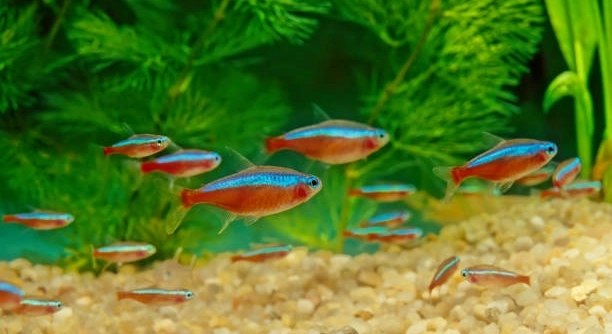
Do your neon tetra suddenly become more active the moment you step into the room, leaving you slightly puzzled by their behavior? Their quick movements and alertness may seem unusual, especially when compared to their calm state before.
Neon tetra tend to become more active when they sense movement, light changes, or familiar vibrations caused by your presence. This response is often linked to feeding anticipation, environmental awareness, and their naturally social and responsive behavior in captivity.
Understanding these subtle cues can help you create a more comfortable, predictable, and enriching environment for your neon tetra at home.
They Recognize Your Presence
Neon tetra are more aware than they appear. They can detect vibrations and light shifts when someone enters the room. Over time, they associate your presence with feeding or other daily routines. This connection leads them to swim faster, gather in groups, or move toward the front of the tank. It’s not just coincidence—they learn to expect interaction. Their activity is often a sign that they’re alert, engaged, and possibly anticipating food. If your tetra become more active at the same times each day, it may mean they’ve picked up on your schedule and habits. This behavior is both natural and beneficial. Fish that respond to their environment are showing signs of good health and awareness. Keep your interactions consistent, and you’ll likely notice a reliable pattern. This doesn’t mean they’re excited in a human sense, but rather that they’re reacting based on learned responses tied to their instincts.
They also become more active when the room light suddenly turns on or changes rapidly.
It helps to keep a stable environment so your neon tetra can feel more at ease. Abrupt movements or lighting shifts can trigger excitement or stress. A calm routine often results in more balanced behavior.
Feeding Anticipation and Conditioned Response
Neon tetra are quick learners when it comes to food routines. Once they associate your presence with feeding, their excitement builds as soon as they see you approach. This anticipation shows in darting movements, group behavior, and increased swimming activity. Fish in captivity often adapt to patterns in their surroundings, especially when it relates to food. You might notice this behavior intensifies if feeding always happens at a specific time or after a specific cue—like turning on a light or opening a cabinet. This conditioned response is a mix of memory and instinct. Unlike wild fish, aquarium tetra live in controlled environments where repeated patterns quickly become part of their behavior. Their fast response doesn’t mean they’re always hungry—it’s simply a habit tied to their daily rhythm. If your fish remain active long after feeding, it may mean they’re simply stimulated or adjusting to your movements, not necessarily expecting more food.
Tank Placement and Room Activity
The location of your tank plays a big role in how your neon tetra behave. Tanks placed in busy areas naturally expose the fish to more movement, sound, and sudden lighting changes, which can make them more active.
If your tank is near a doorway, TV, or a space with frequent foot traffic, your fish will likely respond to every sound or motion. This doesn’t mean they’re stressed, but it does keep them on alert. They may dart around when someone enters the room, even if it’s not feeding time. Tanks near windows can also lead to frequent lighting changes that affect their activity. Over time, they might adjust to the environment, but the constant movement can still make them more responsive during certain times of day. If your fish seem overly jumpy, consider adding plants or hiding spots where they can retreat and calm down when needed.
Creating a calmer spot for the tank can help reduce overstimulation. Choose an area with steady light, minimal noise, and fewer disruptions. If that’s not possible, balance it by giving them consistent care and a regular feeding routine. Some fish get used to busy spaces, but it helps to offer hiding spots for when they need a break.
Temperature Changes and Water Flow
Sudden shifts in water temperature can make your neon tetra swim faster or more erratically. If the room warms up or cools down quickly, the tank’s water might follow. Even small changes can cause a noticeable change in their activity levels.
Neon tetra prefer stable temperatures between 72°F and 78°F. If your room is drafty or sunlight hits the tank at certain times, the water might fluctuate more than expected. These changes may not harm them immediately but can lead to bursts of motion or signs of restlessness. The same goes for water flow. Strong filters or bubbles from air stones may push the fish to swim more, especially if the current is uneven. Watch how they move throughout the day. If they’re active during temperature or flow shifts, it could be their way of adjusting. Make sure your tank setup allows them to rest comfortably without constant effort.
Feeding Time
Neon tetra are quick to learn when it’s feeding time. They associate your presence with food, which leads to a burst of activity. This is a learned behavior that keeps them engaged and ready.
If you walk near the tank at feeding time, expect them to become much more active. They’ve likely learned that your approach signals the arrival of food, so they begin swimming eagerly, waiting for their meal. This behavior is a sign that they’ve adjusted to their routine and can even help reduce stress. However, it’s important not to overfeed them, as this can lead to other issues.
Fish Tank Mates
The presence of other fish in the tank can affect how your neon tetra behave. Tank mates can either calm them down or make them more active, depending on their size and temperament.
When housed with active or dominant species, neon tetra may feel more stimulated and respond with quicker movements. They are small and peaceful fish, so larger or more aggressive tank mates can cause them to become more alert. However, if the tank is peaceful, your tetra will likely be more relaxed and less prone to darting around. Managing compatible tank mates is key to ensuring they feel safe and comfortable.
FAQ
Why do my neon tetra swim to the front of the tank when I approach?
Neon tetra often swim to the front of the tank when they see you because they associate your presence with feeding time. Over time, they learn to expect food or interaction when you come near. This behavior is common in aquarium fish, where they adapt to their daily routines. Even if it’s not feeding time, they might swim toward the glass because they recognize you as a consistent part of their environment.
Is it normal for neon tetra to be more active at certain times of the day?
Yes, neon tetra can be more active during specific times of the day. They tend to be more active during daylight hours and might slow down or hide when the tank lights are off. Their activity levels often reflect their natural circadian rhythms. If you notice bursts of activity at regular times, it’s probably due to their internal clock aligning with feeding or other environmental cues like lighting changes.
Can the water temperature affect my neon tetra’s behavior?
Yes, water temperature can have a significant impact on your neon tetra’s activity. Neon tetra prefer stable temperatures between 72°F and 78°F. If the water temperature fluctuates too much, it can cause them to become more active or stressed. Sudden temperature drops or increases can trigger erratic swimming behavior as they try to adjust. Keeping a consistent, comfortable water temperature helps keep their activity levels steady.
Do neon tetra get stressed easily?
Neon tetra are generally peaceful and non-aggressive, but they can become stressed if their environment isn’t ideal. Stressors include sudden changes in water conditions, loud noises, or aggressive tank mates. Stress can also occur if they’re housed in an overcrowded tank or if their water parameters are off. If you notice sudden changes in behavior, like increased activity or hiding, it might be a sign of stress.
Why do my neon tetra chase each other?
Neon tetra can sometimes appear to chase each other, especially during mating seasons or when establishing dominance within their school. However, most chasing behavior is harmless and part of their natural social interaction. They are schooling fish, and this behavior is a way for them to communicate and maintain their group structure. If the chasing becomes excessive or leads to injury, it might indicate the need for more space or a reassessment of tank mates.
Can tank decorations cause my neon tetra to be more active?
Yes, tank decorations can influence your neon tetra’s activity levels. If there are many hiding spots or plants, they might feel more secure and swim around less aggressively. On the other hand, a tank with limited hiding spots may make them feel exposed, leading to more erratic swimming or darting to the front of the tank for safety. It’s important to balance decoration and open space, giving your fish areas to hide but also room to swim freely.
Do neon tetra respond to sounds or vibrations?
Neon tetra are sensitive to vibrations and sounds in their environment. If there’s a lot of movement around the tank or loud noises nearby, they might become more active or seem startled. This sensitivity is a survival instinct, allowing them to detect nearby predators or changes in their environment. Even the sound of footsteps or objects near the tank can make them react by swimming quickly or darting to different areas.
How do I know if my neon tetra are healthy?
Healthy neon tetra are active, swim in groups, and have vibrant colors. If they are swimming erratically, showing dull colors, or staying at the bottom of the tank for long periods, it could be a sign of illness or stress. Monitoring their behavior and looking for signs of discomfort, like abnormal swimming patterns or a lack of appetite, is important for early detection of health issues. Regular water changes and a balanced diet help keep your fish in good condition.
Can the tank’s lighting affect my neon tetra’s activity?
Yes, lighting can have a big impact on neon tetra behavior. They are more active when the lights are on and tend to slow down when the lights are off, reflecting their natural circadian rhythm. Bright, constant light can cause stress, while a consistent light cycle that mimics day and night will help them stay on a regular routine. Sudden changes in light intensity or length can also trigger bursts of activity or confusion.
How do I calm down an overly active neon tetra?
If your neon tetra are overly active, check the water conditions first. Ensure the temperature, pH, and water hardness are within the recommended range. Excessive activity can sometimes be a sign of stress due to poor water quality, temperature fluctuations, or an overcrowded tank. Adding hiding spots or adjusting tank lighting can also help them feel more secure and less overstimulated. If you have aggressive tank mates, consider rearranging the tank or relocating the fish to a calmer environment.
How many neon tetra should be kept together?
Neon tetra are schooling fish, which means they thrive when kept in groups. It’s best to keep at least six neon tetra together. A small school helps them feel more secure and encourages natural behavior, such as swimming in groups. If you keep them alone or in too small a group, they might become stressed, lonely, or less active. A well-sized school helps them adjust to their environment and keeps them active and engaged.
Final Thoughts
Neon tetra are small, peaceful fish that thrive in well-maintained tanks. Understanding their behavior, especially their increased activity when you enter the room, helps create a more comfortable environment for them. Their natural instinct is to associate your presence with feeding or interaction, and it can be interesting to watch how they respond to you. However, their behavior can also be influenced by other factors, such as water temperature, tank mates, or decorations. It’s important to create a stable environment that supports their natural behaviors.
While neon tetra are generally active during the day, they also rely on a consistent light cycle to maintain their rhythms. Stress can lead to changes in their activity levels, so it’s essential to monitor water quality and ensure they are housed with compatible tank mates. Providing plenty of space to swim, along with hiding spots, will help reduce stress and encourage healthy behavior. If you notice any sudden changes in their activity, it may be worth checking the tank for potential stressors or adjusting the environment.
In the end, the more you observe and understand your neon tetra, the easier it becomes to care for them. Their activity is a sign of a healthy, thriving fish, but it’s important to consider all factors in their environment. By keeping their space peaceful and balanced, you can ensure that your neon tetra remain happy and active, creating an enjoyable experience for both you and your fish.

Hello,
If you enjoy the content that we create, please consider saying a "Thank You!" by leaving a tip.
Every little bit helps us continue crafting quality advice that supports the health, happiness, and well-being of pets around the world, for pets of all shapes, sizes, and species.
We really appreciate the kindness and support that you show us!