
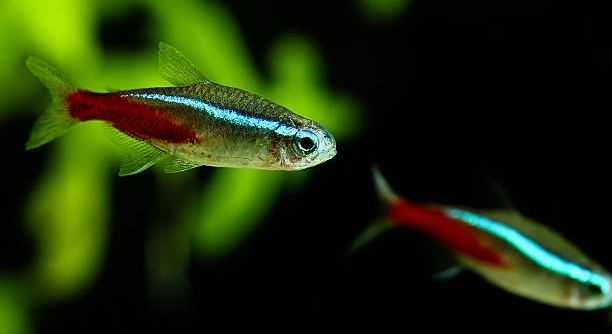
Algae can quickly take over an aquarium, making it harder to maintain a healthy environment for your fish, especially neon tetras. With the right approach, you can control algae growth without harming your fish.
Controlling algae in an aquarium while keeping neon tetras safe requires a balanced approach, using methods that target algae growth without negatively affecting water quality or the fish’s well-being. Several safe, effective strategies can help achieve this goal.
Learning how to balance algae control and neon tetra care will help you maintain a beautiful, healthy aquarium. Explore these effective methods to manage algae growth.
Regular Water Changes
One of the simplest and most effective ways to control algae is by performing regular water changes. Changing 10-20% of the water every week helps keep the tank clean and prevents the buildup of nutrients that algae feed on. Fresh water keeps the environment stable and healthy for neon tetras. Be sure to use a water conditioner to remove chlorine or chloramine, which can harm both your fish and plants.
When you remove water, use a gravel vacuum to clean the substrate. This helps remove organic matter and debris that can contribute to algae growth.
Regular water changes will help keep algae at bay while maintaining the water’s clarity. It also reduces the chance of harmful substances accumulating. Keeping your aquarium clean supports both the health of the fish and the plants, making it easier to manage algae naturally.
Control Lighting
Controlling the lighting in your aquarium is key to limiting algae growth. Algae thrive in tanks with excessive light, so adjusting the light cycle can reduce their spread.
Limit lighting to 8-10 hours a day to avoid overexposure. This schedule prevents algae from receiving too much energy for growth.
By ensuring the aquarium is not exposed to light for too long, you can limit algae growth. The key is consistency and knowing when to reduce light exposure. Keeping lighting at appropriate levels will not only benefit the tank’s ecosystem but also help your neon tetras thrive.
Use Algae-Eating Fish
Adding algae-eating fish to your tank is a natural way to control algae growth. Species like Otocinclus, Amano shrimp, and Siamese algae eaters are well-known for their ability to graze on algae without harming your neon tetras.
While algae eaters help keep the tank clean, it’s important to monitor their numbers. Overcrowding can lead to stress and compete for food. The right balance of fish ensures algae is controlled without overwhelming your tank’s ecosystem.
These fish won’t eliminate algae completely, but they help keep it under control. It’s a good idea to provide them with some extra food if algae levels drop too low. A steady population of algae eaters will keep your aquarium cleaner with minimal effort.
Maintain Proper Filtration
Proper filtration plays a significant role in controlling algae growth. A good filter helps keep the water clean by removing excess nutrients that feed algae. Make sure the filter is suitable for the size of your tank and regularly clean or replace the filter media.
Filters don’t only remove debris; they also improve water circulation, preventing stagnant areas where algae thrive. Stagnant water areas can allow algae to grow rapidly, so it’s important to ensure all parts of the tank get good water flow.
A quality filter will remove organic waste and excess nutrients, preventing algae from getting the fuel it needs to grow. Regularly check the filter and replace the media when necessary to keep it functioning at its best. A well-maintained filter is one of the easiest ways to keep your tank’s water clear and algae-free.
Add Live Plants
Adding live plants to your aquarium helps control algae by competing for nutrients. Healthy plants absorb the nutrients that algae need to grow, making it harder for algae to take over.
Live plants also improve the overall quality of the water and provide a natural habitat for your neon tetras.
In addition to reducing algae, live plants give your aquarium a more vibrant look. They help stabilize the tank’s environment by improving oxygen levels and supporting the tank’s natural ecosystem. Choose plants that are easy to care for, like Java fern or Anubias, to add beauty and function to the tank.
Use Algae Scrapers
Algae scrapers are simple tools that help physically remove algae from aquarium surfaces. They are especially useful for cleaning tank walls, decorations, and other hard-to-reach places.
While algae eaters and water changes help control algae, scrapers allow you to address the problem directly. Simply use them to scrub off any algae buildup without harming your neon tetras.
Avoid Overfeeding
Overfeeding is one of the main reasons for excessive algae growth. When you feed your fish more than they can consume, leftover food breaks down and releases nutrients into the water. This excess can fuel algae growth.
Feeding your neon tetras only what they can eat in a few minutes reduces the amount of waste in the tank.
FAQ
What causes algae to grow in my aquarium?
Algae thrive in aquariums when there are excess nutrients, like nitrates and phosphates, in the water. These nutrients typically come from fish waste, uneaten food, and decaying plant matter. If your tank has too much light or a poor filtration system, it can lead to an increase in algae growth. Algae need light to photosynthesize, so if your tank is exposed to too much light, whether from natural sources or aquarium lights, this can encourage algae to bloom.
How can I tell if algae is harmful to my neon tetras?
Most algae types aren’t directly harmful to neon tetras, but excessive algae growth can negatively affect water quality. If left unchecked, algae can deplete oxygen levels in the tank, stressing the fish. Thick algae growth can also reduce visibility in the tank and make it harder for your fish to swim freely. Additionally, algae can cause skin irritation in fish if the water becomes too polluted. If your neon tetras are showing signs of distress, like lethargy or difficulty breathing, excessive algae could be part of the issue.
Can I use chemical treatments to control algae?
While chemical treatments can be effective for quick algae control, they can be risky, especially for sensitive species like neon tetras. Some treatments can alter the tank’s water chemistry, potentially harming your fish or plants. It’s generally better to use natural methods, such as regular water changes, proper lighting control, and adding algae-eating fish. If you choose to use chemicals, make sure to follow instructions carefully and monitor the water quality closely afterward.
How long does it take for algae-eating fish to control algae?
Algae-eating fish can help control algae over time, but they won’t eliminate it immediately. It usually takes a few weeks to notice a significant reduction in algae growth. The effectiveness of algae eaters depends on factors like the type of algae, the number of algae eaters in the tank, and the overall water quality. Keep in mind that algae eaters can only reduce algae to a certain extent, so you still need to maintain a clean tank and adjust other factors like lighting and filtration.
Are there any algae types that I should be worried about?
Some algae types, like blue-green algae (cyanobacteria), can be harmful to both fish and plants. Cyanobacteria can release toxins that affect water quality, potentially leading to health issues for neon tetras. Green algae and brown algae are usually not harmful, but they can make the tank look unsightly and affect water conditions if they become excessive. If you notice algae growing in large mats or turning your water cloudy, it’s worth investigating whether the algae is something more problematic like cyanobacteria.
Do algae-eating fish need special care?
Algae-eating fish like Otocinclus or Amano shrimp are generally easy to care for, but they do have specific needs. They thrive in well-established tanks with stable water parameters. Some algae eaters, like Otocinclus, prefer a tank with lots of plants and hiding spots. If you’re keeping algae-eating fish, make sure your tank provides adequate food sources for them, especially if algae levels are low. You may need to supplement their diet with algae wafers or other foods if algae is scarce.
How can I prevent algae from growing in my tank in the first place?
To prevent algae growth, the most important step is to control the nutrients in your tank. Regular water changes, proper filtration, and controlling the light cycle will reduce the conditions that allow algae to thrive. Avoid overfeeding your fish and remove uneaten food to keep nutrient levels in check. Additionally, introducing live plants into your tank can help because they compete with algae for nutrients, limiting its growth.
Should I remove algae manually from the tank?
Yes, removing visible algae manually can be an effective way to manage its growth. Using an algae scraper, you can clean the tank walls, decorations, and substrate where algae may accumulate. Regular cleaning will prevent algae from becoming too established. Just be careful not to disturb your plants or fish while cleaning, and always remove any algae that is loose or floating in the water to maintain good water quality.
Can algae affect the health of my plants?
Algae can compete with your aquarium plants for nutrients, especially if nutrient levels are high. While plants can tolerate a small amount of algae growth, excessive algae can block light from reaching your plants, reducing their ability to photosynthesize and grow properly. Algae can also cause a drop in oxygen levels if it overgrows, which can harm both plants and fish. Keeping algae in check is essential to maintaining a healthy balance in your tank.
Is it safe to use UV sterilizers to control algae?
UV sterilizers are generally safe and effective at controlling algae, particularly free-floating algae, which causes cloudy water. UV sterilizers work by using ultraviolet light to kill algae spores and other microorganisms in the water. This method does not harm your neon tetras or plants directly, but it can disrupt beneficial bacteria in the tank if overused. If you choose to use a UV sterilizer, monitor your water quality regularly and ensure it’s not negatively affecting other aspects of your aquarium.
How can I prevent algae from growing on my decorations?
To prevent algae buildup on decorations, regularly scrub them with an algae scraper or brush. If the decorations are heavily coated with algae, you may want to soak them in a vinegar-water solution for a few hours to loosen the algae before scrubbing. Make sure to rinse the decorations thoroughly before placing them back into the tank to avoid any harmful residue. Proper water filtration and controlling light exposure will also help keep algae off your decorations.
Final Thoughts
Controlling algae in your aquarium is essential for maintaining a healthy environment for your neon tetras. While algae is a natural part of an aquarium’s ecosystem, excessive growth can affect water quality and cause stress for your fish. By using simple and effective methods, such as regular water changes, controlling lighting, and introducing algae-eating fish, you can keep algae growth under control without harming your neon tetras. It’s important to strike the right balance between managing algae and ensuring the overall health of your tank.
Remember that different methods may work better for different aquariums. For example, some tanks may need more frequent water changes, while others benefit from adding live plants that naturally absorb nutrients and compete with algae. If you choose to use algae-eating fish, be sure to select species that are safe for your neon tetras and consider their needs for a healthy life. The goal is to reduce algae without creating more issues, such as overcrowding or a disrupted ecosystem.
Ultimately, controlling algae comes down to consistent maintenance. Regular cleaning, proper filtration, and a balanced environment will help you prevent algae from taking over your tank. While it may take some time to see significant results, persistence will pay off in the long run. By staying on top of algae control and keeping your neon tetras’ needs in mind, you can create a beautiful, healthy tank that both you and your fish can enjoy.

Hello,
If you enjoy the content that we create, please consider saying a "Thank You!" by leaving a tip.
Every little bit helps us continue crafting quality advice that supports the health, happiness, and well-being of pets around the world, for pets of all shapes, sizes, and species.
We really appreciate the kindness and support that you show us!