
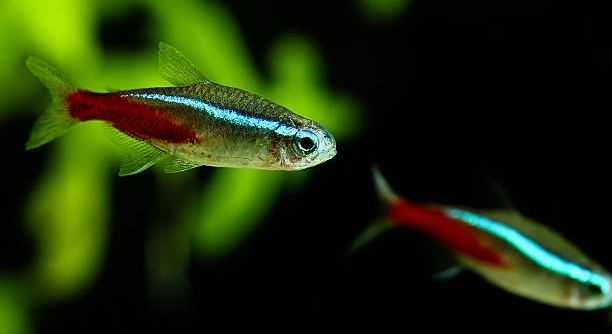
Are your neon tetras showing signs of stress, unusual behavior, or fading colors that seem to appear out of nowhere? These symptoms could be related to common water issues that many aquarium owners accidentally overlook.
Neon tetras are sensitive fish, and poor water conditions can lead to stress, disease, or even death. Common problems include improper pH, ammonia spikes, temperature fluctuations, and lack of oxygen—all of which can harm their delicate health.
Learning about these water issues can help prevent harm and improve your fish’s well-being. Let’s explore each one and how to fix them.
Poor Water Quality
Neon tetras thrive in clean, stable water. Poor water quality is one of the most common issues that can harm them. When waste builds up from leftover food or fish waste, toxins like ammonia and nitrite increase. These toxins affect the fish’s ability to breathe, often leading to stress or disease. Even if the water looks clear, it can still be unsafe. Regular testing is essential to ensure ammonia, nitrite, and nitrate levels are within a safe range. Using a good filter, performing weekly water changes, and avoiding overfeeding are some of the easiest ways to keep things balanced.
Toxins in the water often lead to rapid gill movement, color fading, and strange swimming. These are early signs of stress.
Making small changes to your tank maintenance can prevent most water quality issues. Stick to a cleaning routine, test your water weekly, and treat any issues before they cause long-term damage.
Incorrect Water Temperature
Temperature swings can be dangerous for neon tetras. They need stability to stay healthy and active.
Neon tetras prefer water between 72°F and 78°F. If the temperature drops or rises too quickly, their immune system can weaken, leaving them vulnerable to disease. Consistency is more important than perfection. A sudden change of even 3–4 degrees can create stress, which often shows up as hiding, floating oddly, or refusing food. Using a reliable heater with a built-in thermostat helps keep water at the right level. It’s also important to place the tank away from drafty windows, heating vents, or direct sunlight. These can all affect the temperature without you noticing. Use an aquarium thermometer and check it daily to make sure everything stays steady. If the temperature does go out of range, adjust it slowly—never quickly. A stable environment gives your fish a better chance to stay calm, healthy, and active throughout their lives.
Unstable pH Levels
A stable pH is important for neon tetras. They prefer slightly acidic water, ideally between 6.0 and 7.0. Fluctuating pH levels can make them stressed, affecting their health, behavior, and color over time.
If the pH swings too often, your fish may stop eating or become more vulnerable to illness. Tap water, tank decorations, or certain substrates can raise or lower the pH unexpectedly. Always test the water before and after changes. If needed, use a pH stabilizer, but avoid sudden adjustments. Adding driftwood or using almond leaves can help lower pH gradually. Keep any pH changes slow and steady, allowing the fish to adapt without added stress. Avoid overcorrecting, as frequent shifts in either direction can be harmful even if the pH stays within a safe range. Consistency is what matters most, so monitoring is more important than chasing an exact number.
Daily habits have a strong effect on pH levels. Overfeeding or inconsistent water changes can throw everything off balance. Make sure you’re using dechlorinated water and sticking to a weekly cleaning schedule. If your tank is well-maintained, your pH should stay steady over time. Keep testing kits nearby and adjust gradually if something starts to shift outside the preferred range.
Low Oxygen Levels
Low oxygen can go unnoticed until the fish begin gasping at the surface. Neon tetras need well-oxygenated water to stay healthy, especially in warmer tanks where oxygen levels drop faster.
Oxygen is added naturally through surface movement. If your tank has poor circulation or is overcrowded, the oxygen levels can drop too low. Look for signs like slow swimming, frequent surface visits, or rapid gill movement. Adding an air stone, sponge filter, or increasing filter flow can help fix this. Avoid overstocking and always provide plenty of plants or décor to break up swimming zones without blocking water flow. Live plants can help boost oxygen during the day but may reduce it at night, so balance is key. Make small changes and keep an eye on how your fish react. A quiet tank isn’t always a calm one—lack of movement can mean lack of oxygen.
High Ammonia Levels
Even small amounts of ammonia can stress neon tetras. It often comes from overfeeding, waste buildup, or a cycling tank. Testing weekly helps catch it early before it causes damage.
Signs include pale colors, clamped fins, and gasping. Regular water changes and avoiding overcrowding are the best ways to prevent it.
Overcrowding
Too many fish in one tank leads to faster waste buildup and lower oxygen. Neon tetras need space to swim and rest without stress. A small group is fine, but avoid mixing with large or aggressive species.
Strong Water Current
Neon tetras are calm swimmers and prefer gentle flow. A strong current can tire them out and keep them from feeding properly. Adjust filter output or add plants to reduce the flow.
FAQ
What pH level is best for neon tetras?
Neon tetras prefer a slightly acidic pH level between 6.0 and 7.0. Staying within this range helps maintain their natural behavior and vibrant colors. A pH that is too high or too low can stress them out, even if everything else in the tank seems fine. It’s important to keep the pH stable, as sudden swings are more dangerous than a steady number that’s slightly off. Use test kits to check weekly and avoid changing it too quickly. If you need to adjust it, do so slowly over a few days to avoid shock.
How often should I test my tank water?
Weekly water testing is ideal for most home aquariums. If your tank is new or you’re having problems, test more frequently. You should check for ammonia, nitrite, nitrate, and pH regularly. These levels can shift quickly, especially if something changes like feeding habits, tank size, or the number of fish. Keeping a log of test results can help you notice patterns before issues get worse. Once your tank is stable, you can test slightly less often, but continue with your usual cleaning schedule to avoid buildup of harmful substances.
Why are my neon tetras gasping at the surface?
This is often a sign of low oxygen or high ammonia levels. When there’s not enough oxygen in the water, fish go to the surface where oxygen is more available. You may need to increase surface movement with a filter or air stone. Also, check if the tank is overcrowded, as too many fish can reduce available oxygen. Poor water quality, especially high ammonia, can also make it hard for them to breathe. Fixing this means testing your water right away and changing part of it if needed to bring things back to normal.
What temperature is too high for neon tetras?
Temperatures above 80°F can stress neon tetras. They do best between 72°F and 78°F. Warmer water holds less oxygen, which can cause them to become sluggish or breathe rapidly. Long-term exposure to high temperatures can weaken their immune system, making them more prone to disease. If your tank tends to run hot, consider using a fan near the surface or keeping it away from direct sunlight and electronics. Always use a thermometer and make sure your heater is working properly to prevent overheating or sudden spikes.
Can decorations or gravel affect water quality?
Yes, certain types of decorations or gravel can change your water’s pH and hardness. For example, crushed coral or limestone-based décor can raise pH slowly over time. Driftwood tends to lower it. If you’re seeing changes in your water parameters and everything else seems normal, your tank decorations might be the reason. Always rinse new items before adding them, and research materials that could leach substances into the water. Choosing aquarium-safe décor reduces the risk of hidden issues. Test your water regularly, especially after adding new gravel, rocks, or decorations.
How many neon tetras can I keep in one tank?
A good rule is one inch of fish per gallon of water, but this isn’t perfect. Neon tetras grow to about 1.5 inches, so a group of six to eight should be kept in a tank that holds at least 10 to 15 gallons. They are schooling fish, so they need to be in groups to feel safe. Too many fish can make it hard to keep the water clean and oxygen levels high. It’s better to start with fewer and make sure your filter can handle the waste before adding more.
Why is my neon tetra hiding all the time?
Constant hiding can be a sign of stress. This could come from poor water quality, a strong current, aggressive tank mates, or too much noise and movement near the tank. Neon tetras are shy but should still be active and swimming in a group. Check your water parameters first. If everything is fine, consider rearranging the tank with more plants and hiding spots to help them feel secure. Also, make sure their tank mates are peaceful and not chasing or harassing them throughout the day.
What should I do if my water parameters are off?
Start with a partial water change—about 25%—to help bring things back to balance. Never change all the water at once, as that causes more stress. Check your filter, reduce feeding, and clean out uneaten food or waste. Use conditioners or stabilizers only when necessary. It’s best to fix the root cause rather than cover it with quick treatments. Continue monitoring daily until things improve. If you’re seeing repeat problems, look at your tank setup, stocking levels, and maintenance habits to see where changes can be made.
Final Thoughts
Keeping neon tetras healthy requires more than just feeding them and watching them swim. Water quality plays a big role in how well they do. These fish are sensitive to changes in their environment, especially when it comes to pH, temperature, and harmful chemicals like ammonia. Even small shifts in these levels can cause stress, illness, or even death. Because of their small size and peaceful nature, neon tetras are often seen as easy fish, but they still need a stable, clean tank to thrive. That’s why regular testing, proper filtration, and controlled feeding are essential parts of caring for them.
Many common water issues can be avoided with good habits. Doing regular water changes, using a proper-sized filter, and not overstocking your tank all help reduce the chances of problems. It’s also helpful to keep a schedule for testing your water and observing your fish for signs of stress or illness. If a neon tetra is hiding more than usual, swimming differently, or not eating, that could be a sign that something is wrong. Taking action early can prevent things from getting worse. With some patience and consistency, it becomes easier to maintain the right conditions without having to deal with constant problems.
Owning neon tetras can be a calming and enjoyable experience when their needs are met. Their bright colors and peaceful behavior make them a favorite in many tanks. The key is to remember that they depend on you for a safe environment. Clean, balanced water is the most important part of that. Learning to recognize early warning signs and understanding how water conditions affect their health can help you avoid many of the common issues people face. When their water is stable and the tank is well-maintained, neon tetras are more active, live longer, and show off their true colors. Keeping their needs in mind leads to a healthier tank and a better experience for you.

Hello,
If you enjoy the content that we create, please consider saying a "Thank You!" by leaving a tip.
Every little bit helps us continue crafting quality advice that supports the health, happiness, and well-being of pets around the world, for pets of all shapes, sizes, and species.
We really appreciate the kindness and support that you show us!