
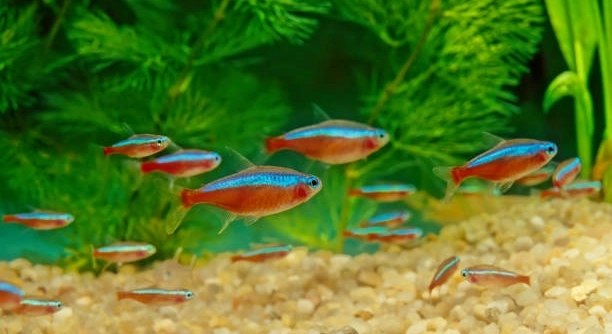
Are your neon tetras showing signs of stress after being moved to a new tank? Sudden changes in their environment can be overwhelming.
Reducing stress when moving neon tetras involves careful acclimation, stable water conditions, minimal handling, and maintaining familiar surroundings. These steps help prevent shock, support immune function, and promote a smoother transition to their new environment.
Small adjustments can make a big difference in keeping your neon tetras calm and healthy during tank transfers.
Keep Water Parameters Consistent
When moving neon tetras to a new tank, keeping the water parameters stable is essential. Sudden shifts in temperature, pH, or hardness can cause significant stress. Before the transfer, match the new tank’s water conditions to the original setup. This includes checking the temperature, pH level, and general hardness with reliable test kits. Aim for a temperature of 72°F to 78°F and a pH between 6.0 and 7.0. Avoid making rapid adjustments. Gradual changes are less stressful and allow your fish to adapt smoothly. Once the fish are transferred, continue monitoring the water to ensure everything remains within a safe range. Using a heater and thermometer can help maintain consistency. Partial water changes should be done regularly, but avoid over-cleaning the tank right after a transfer. Overdoing it can disrupt the beneficial bacteria and lead to further instability. Consistent water quality supports their immune system and helps prevent common stress-related issues.
A reliable test kit makes it easier to maintain proper parameters and avoid stressful fluctuations that harm your fish.
Small details, like stable temperature and pH, go a long way. Keeping these values steady can make the new environment feel more familiar and less threatening to your neon tetras.
Acclimate Them Slowly
Use the drip acclimation method to minimize stress from environmental differences during transfer.
Start by placing the neon tetras and some of their original tank water in a clean container. Using airline tubing, slowly drip water from the new tank into the container. This should take about 30 to 60 minutes. The gradual change gives their bodies time to adjust to differences in water chemistry and temperature. Avoid rushing this process or pouring them directly into the new tank. Sudden exposure to different conditions can overwhelm their system and lead to health problems. Once the acclimation is complete, gently transfer them into the tank using a soft net. Don’t pour the water from the container into the new tank. This helps limit the transfer of waste or contaminants. After they’re in the new tank, give them time to explore quietly without turning on bright lights or adding other fish too soon. Keeping the environment calm supports a smoother transition.
Reduce Light and Movement
Bright lighting and excessive movement can make neon tetras feel unsafe. Keep the tank lighting dim during and after the move. Limit activity near the tank to help them settle without added stimulation or fear.
Lowering the light reduces visual stress and makes the new environment feel more secure. If possible, use a dimmable aquarium light or add floating plants to provide shaded areas. These adjustments help your fish stay calm while adjusting to unfamiliar surroundings. Avoid sudden movements around the tank or tapping on the glass, as these can cause the tetras to dart around or hide excessively. It’s also helpful to turn off overhead room lights temporarily. Give them several hours in a low-light setting after the move. This break from full brightness gives their nervous system a chance to adjust. Gradually increase the lighting over the next day or two, allowing them to adapt at a manageable pace.
Even small movements near the tank can startle neon tetras. Try to walk slowly and avoid cleaning or rearranging decorations in the first 48 hours after the transfer. Keep pets and loud sounds away during this time. Providing a peaceful environment encourages calmer behavior and helps prevent stress-related illness.
Keep Them in a Group
Neon tetras are schooling fish that feel safer and more relaxed when surrounded by others of their kind. Being isolated or kept in small numbers can increase their stress during a tank transfer and delay their adjustment.
Keep neon tetras in groups of at least six to eight. Their social nature depends on the presence of other tetras to feel secure. When moved together, they form tighter schools and show fewer signs of stress, such as darting or hiding. A larger group also encourages more natural behaviors and steadier feeding habits. If only a few are present, they may become more skittish and stay hidden for extended periods. Moving them together also prevents one fish from becoming overwhelmed by the transition. This sense of familiarity makes it easier for them to settle in the new environment. Maintaining a proper school is one of the simplest ways to help them stay comfortable.
Limit Handling and Net Use
Avoid excessive handling when moving neon tetras. Using your hands or nets too often can cause physical injury and increase stress. Try to guide them gently without chasing them around the tank or container.
If you need to use a net, choose a soft mesh type and move slowly. Quick movements can cause panic and scale damage. Minimize how often you disturb the fish during and after the move to help them settle without added fear or stress.
Add Hiding Spaces
Hiding spots offer comfort during stressful transitions. Use plants, caves, or decorations that create shaded areas. These give neon tetras a safe place to retreat and lower their stress levels. Spread the hiding spots throughout the tank to avoid overcrowding one area. This setup also reduces aggression and encourages calm behavior.
Avoid Feeding Immediately
Skip feeding for the first 24 hours after the move. Stress may cause neon tetras to ignore food or eat too quickly. Waiting gives them time to calm down and helps prevent digestive issues in the new environment.
FAQ
How long should I wait before adding neon tetras to a new tank?
Wait at least 3 to 4 weeks after setting up a new tank before adding neon tetras. This allows the nitrogen cycle to establish and helps prevent toxic ammonia or nitrite spikes. Test the water regularly and confirm stable readings for ammonia (0 ppm), nitrite (0 ppm), and nitrate (under 20 ppm). Adding fish too early can stress them due to poor water quality. If you’re transferring from one established tank to another, make sure the new tank is cycled or seeded with beneficial bacteria to avoid shocking the fish.
Can I transfer neon tetras without using a quarantine tank?
While it’s possible to transfer without using a quarantine tank, it’s not recommended. A quarantine tank gives you a chance to observe for signs of illness or parasites before introducing them to a new environment or existing tank mates. If you skip this step, there’s a risk of spreading disease to other fish. A short quarantine period of 2 to 3 weeks in a separate, bare-bottom tank with a sponge filter and heater is ideal. It also allows fish time to recover from transport stress in a calm space before a full move.
What signs of stress should I look for after the move?
Look for changes in behavior or appearance, such as loss of color, erratic swimming, hiding for long periods, loss of appetite, or clamped fins. These can signal that your neon tetras are feeling overwhelmed by the transfer. In some cases, mild stress will improve in a few days if water quality is good and the tank remains quiet. If symptoms worsen or include labored breathing, flashing, or visible spots, test the water again and consider a treatment plan. Staying observant in the first few days is important to catch problems early.
Should I keep the tank lights off after moving them?
Yes, it’s a good idea to turn the lights off for several hours after the move. Sudden brightness can cause panic, especially when fish are already adjusting to a new space. Low light helps calm their nervous system and reduces swimming frantically. You can use ambient room light or indirect lighting for the first day. Gradually reintroduce full lighting the next day to ease the transition. If your tank has a light timer, set it to shorter periods and increase gradually over several days.
How long does it take neon tetras to adjust to a new tank?
Most neon tetras start to settle within 48 to 72 hours if the transfer was handled gently and water parameters are stable. Some may take longer to resume normal swimming and feeding behavior, especially if they were moved alone or into a new setup without plants or hiding spaces. Keeping stress low with consistent care and a calm environment supports a smoother adjustment. Adding familiar decorations or moving them as a group also helps. Each fish is different, but patience and steady care go a long way.
Is it okay to add other fish right after moving neon tetras?
It’s better to wait at least a week before introducing any other fish. Neon tetras need time to adjust without new competition or potential stress from unfamiliar species. Give them space to explore and get used to their surroundings first. Adding other fish too soon may cause territorial behavior, feeding issues, or further stress. When it’s time to add tank mates, choose peaceful, non-aggressive species that thrive in similar water conditions. Watch closely for signs of stress or incompatibility during the first few days after any new additions.
What temperature is best for neon tetras after a tank move?
Keep the water temperature between 72°F and 78°F (22°C–25.5°C). Avoid temperature swings, as these can weaken their immune system. Use a reliable aquarium heater and thermometer to maintain a stable range. During a move, fish are more vulnerable to illness, so consistency in water temperature is especially important. Sudden changes, even a few degrees, can increase the risk of stress-related issues like ich. Check the temperature several times a day during the first week and adjust as needed using a gradual approach.
Final Thoughts
Moving neon tetras to a new tank can be a stressful process for both you and the fish, but careful handling and proper planning make a big difference. Keeping water parameters stable, using a gentle transfer method, and avoiding sudden changes in light, temperature, or surroundings can all help reduce stress. These small steps are simple but effective. Watching your fish closely after the move is important. They might act a little different at first, but with a calm environment, they should settle in over the next few days. Avoid feeding them right away and give them time to adjust without too many disturbances.
Taking a slow and steady approach is always better than rushing through the process. Allowing your new tank to cycle fully, offering hiding spots, and using a drip method for acclimation all work together to protect your neon tetras’ health. Moving them as a group and keeping noise and activity around the tank low can also help reduce stress. Every action you take during this time either supports their adjustment or makes it harder, so staying consistent and gentle can prevent issues later. If they seem quiet or shy at first, that’s normal. Most will begin exploring and eating once they feel safe.
Once your neon tetras are fully settled, you’ll likely see their natural behavior return. Their colors may brighten, they’ll start schooling together, and feeding will feel more normal. It may take a few days or up to a week depending on how the move went. Keep monitoring water quality, and avoid changing too many things at once. The goal is to help them feel secure so they can thrive in the new space. Even though the move itself is temporary, the care you give during this time has lasting effects. A peaceful transition sets the foundation for a stable, healthy tank where your neon tetras can live comfortably for a long time.

Hello,
If you enjoy the content that we create, please consider saying a "Thank You!" by leaving a tip.
Every little bit helps us continue crafting quality advice that supports the health, happiness, and well-being of pets around the world, for pets of all shapes, sizes, and species.
We really appreciate the kindness and support that you show us!