
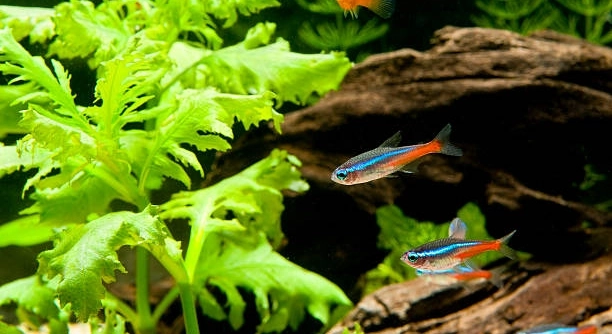
Neon Tetras are known for their vibrant colors and active nature, but when they stop eating, it can be concerning. If you’ve noticed this behavior in your fish, it’s important to understand what might be going wrong.
There are several possible reasons your Neon Tetra may not be eating. Common causes include stress, water quality issues, illness, or even overfeeding. Identifying the underlying problem will help you take the necessary steps to restore their health.
Addressing these causes will help ensure your Neon Tetra thrives. Continue reading to learn more about the common issues and solutions that can improve your fish’s appetite.
Stress and Environmental Factors
One of the main reasons Neon Tetras stop eating is stress. Changes in the tank environment, such as temperature fluctuations, loud noises, or aggressive tank mates, can trigger stress. If your fish are not comfortable, they may lose their appetite. Stress weakens their immune system and can lead to further health issues. Ensure the tank has proper hiding spots and is free from disturbances.
The water quality also plays a huge role. High ammonia levels or poor filtration can stress your fish. Make sure you regularly monitor water parameters like pH, ammonia, and nitrites. Keeping the water clean is essential for their well-being.
To reduce stress, avoid sudden changes in the tank setup. Gradually introduce new fish and monitor their interactions. Providing a peaceful and stable environment will help your Neon Tetras feel safe and more likely to eat regularly. It’s important to consider the long-term stability of the tank environment to prevent future issues.
Illness and Health Concerns
If your Neon Tetra refuses food despite a stable environment, they could be ill. Common diseases such as fin rot, swim bladder disorder, or internal parasites affect their appetite. These conditions may be accompanied by physical symptoms like faded colors, abnormal swimming behavior, or bloated stomachs.
To identify illness, check for any unusual signs on your fish. If you notice symptoms, quarantining the affected fish and seeking treatment is crucial. Offering medicated food can help address internal parasites and other infections. Many treatments are available at pet stores, so it’s important to act quickly to avoid further health deterioration.
Neon Tetras are sensitive to the introduction of new pathogens, especially in overcrowded or poorly maintained tanks. If possible, isolate new fish before adding them to your tank to prevent the spread of disease. Ensuring that your fish remain healthy will not only help them regain their appetite but also contribute to a thriving aquarium.
Overfeeding and Food Type
Overfeeding your Neon Tetra can lead to health problems, including a loss of appetite. Excess food in the tank causes water quality issues and can even contribute to obesity in fish. If there’s always food left after feeding, it’s a sign you’re giving them more than they need.
Neon Tetras do best with small, frequent feedings. Offering them only as much as they can eat in a few minutes helps maintain water quality and prevents overfeeding. Adjust the portion size based on their eating habits. If they consistently leave food behind, reduce the quantity and try different food types.
Food type matters too. Neon Tetras may not be interested in certain types of food. If they don’t like pellets, try flakes or live food. Offering variety encourages them to eat more and helps meet their nutritional needs. Healthy feeding practices will prevent your fish from becoming overweight and promote better appetite.
Temperature and Water Conditions
The water temperature has a significant impact on the health and appetite of your Neon Tetras. These fish thrive in temperatures between 72°F and 78°F. If the water is too cold or too warm, it can slow down their metabolism and cause them to lose interest in food.
It’s essential to maintain consistent water temperature by using a reliable heater. Sudden temperature fluctuations or extremes can stress the fish, leading to illness and a reduced appetite. A thermometer can help you monitor the water and make adjustments as needed to keep it within the ideal range.
In addition to temperature, water parameters such as pH and hardness also influence your fish’s health. Neon Tetras prefer soft, slightly acidic water. Regular water changes and testing can help keep these conditions stable, creating an environment where your fish feel comfortable enough to eat.
Tank Mates and Compatibility
Aggressive tank mates can discourage Neon Tetras from eating. These fish are peaceful and prefer a calm environment. If they feel threatened or harassed by other fish, they may hide and refuse food. Always ensure tank mates are compatible.
When choosing tank mates, consider species that won’t stress your Neon Tetras. Avoid aggressive or overly active fish that may intimidate them. Peaceful species like Corydoras or small Rasboras make great companions. Keeping the tank environment calm and stress-free promotes better eating habits and overall health.
Poor Feeding Routine
A poor feeding routine can also affect your fish’s appetite. Inconsistent feeding times or irregular intervals can confuse Neon Tetras and cause them to become less interested in food. Creating a set feeding schedule is key.
Establish a routine where you feed them at the same time every day. This helps them anticipate feeding time and encourages regular eating. Avoid overfeeding, as this can also discourage them from eating at the next scheduled time. With a balanced and consistent feeding routine, your fish will likely become more eager to eat.
Water Pollution and Filtration
Water pollution can significantly affect your Neon Tetra’s eating habits. Poor filtration and high levels of toxins like ammonia or nitrites can make your fish feel uncomfortable and less likely to eat. Keeping the tank clean is essential for their health.
To maintain good water quality, clean the tank regularly and check the filter’s efficiency. Installing a reliable filter and performing routine water changes help prevent toxin buildup. This ensures your Neon Tetras stay in a healthy, stable environment, encouraging them to feed properly. Regular testing of water parameters also helps monitor the tank’s health.
FAQ
Why is my Neon Tetra hiding and not eating?
Neon Tetras hide when they feel stressed or unwell. Stressors like aggressive tank mates, sudden changes in water conditions, or improper temperature can cause them to become reclusive. Illness is another factor—Neon Tetras may hide when they’re not feeling well, which often leads to a loss of appetite. If your fish is hiding, check the water quality and temperature, ensure they have a peaceful environment, and monitor for any signs of illness like faded colors or abnormal swimming behavior.
Can Neon Tetras go without food for a few days?
Yes, Neon Tetras can go without food for a few days, but it’s not ideal for their health. They are small, active fish that need regular feeding to maintain their energy and health. A few days without food likely won’t harm them, but frequent fasting or irregular feeding can weaken their immune system and cause stress, leading to further health issues. Regular, consistent feeding is important for their well-being.
What should I do if my Neon Tetra isn’t eating after a water change?
After a water change, your Neon Tetra may not eat immediately due to the stress of the new environment. Water changes can affect the water temperature, pH, and other parameters, which can make fish uneasy. Give them some time to adjust to the changes. Ensure the new water matches the previous conditions as closely as possible. If they continue to refuse food after a day or two, check the water quality and tank conditions again to rule out any issues.
How long can Neon Tetras live without eating?
Neon Tetras can survive for a few days without eating, but they should not go without food for an extended period. Like all fish, they need regular nutrition to stay healthy. While they may not suffer immediate harm from a short fast, prolonged lack of food can weaken their immune system and make them more susceptible to diseases. It’s important to address the underlying cause of their lack of appetite promptly.
Do Neon Tetras need live food to eat?
No, Neon Tetras do not need live food, but they may enjoy it and it can help stimulate their appetite. They are primarily omnivores and thrive on a varied diet, including high-quality flakes, pellets, and occasionally frozen or live foods like brine shrimp. Live food is a good treat but not a necessity. A balanced diet of both dry and occasional live foods is best for their health.
Is it normal for Neon Tetras to stop eating after being introduced to a new tank?
Yes, it’s normal for Neon Tetras to stop eating temporarily after being introduced to a new tank. The stress of adapting to a new environment can cause them to become shy and hesitant to eat. Allow them time to settle in and monitor the water quality closely. Once they feel more comfortable, they should return to their normal eating habits.
How do I encourage my Neon Tetra to eat again?
To encourage your Neon Tetra to eat again, check the water quality and tank environment. Ensure the water temperature, pH, and hardness are within the optimal range. If the water quality is poor, perform a water change and clean the tank. You can also try offering different types of food, such as flakes, pellets, or live food. If your fish is still not eating, consider adjusting the lighting or reducing stress by removing aggressive tank mates.
Could my Neon Tetra be sick if it isn’t eating?
Yes, illness is a common reason why Neon Tetras stop eating. If your fish is showing other signs like faded colors, abnormal swimming, or bloating, it could be suffering from a disease. Common conditions like fin rot, internal parasites, or swim bladder issues can cause a loss of appetite. Isolate the sick fish and treat it with appropriate medication if necessary. Maintaining good water quality and reducing stress are key to preventing illness.
Can Neon Tetras be overfed?
Yes, Neon Tetras can be overfed. Overfeeding leads to poor water quality and obesity, which can negatively affect their health. Fish that eat too much may also stop eating during the next feeding because they are already full. Feed your Neon Tetras small amounts of food that they can consume within a few minutes. Remove any uneaten food from the tank to prevent it from decomposing and polluting the water.
Why is my Neon Tetra not eating after being introduced to tank mates?
Neon Tetras may stop eating after being introduced to new tank mates due to stress. They are peaceful fish and can become overwhelmed if the new additions are aggressive or too active. Monitor the interactions between your fish to ensure they’re not being harassed. If necessary, separate the aggressive fish or create hiding spots in the tank for the Neon Tetras to feel safe.
Final Thoughts
If your Neon Tetra is not eating, it can be due to several factors, such as stress, water quality, or illness. It’s important to monitor the tank conditions and make adjustments where necessary. Maintaining proper water temperature, cleanliness, and a peaceful environment will go a long way in encouraging your fish to eat. Don’t forget to ensure you are feeding the right amount of food and offering a variety of options to suit their preferences.
Addressing the issue promptly is key. If the problem persists, it may be a sign of illness, and you may need to treat the fish accordingly. Watching for other symptoms like fading colors, abnormal swimming, or hiding for extended periods will help you determine if there’s an underlying health issue. Regularly testing water parameters, such as pH, ammonia levels, and nitrate levels, will ensure a healthy environment and can prevent many problems that affect your fish’s appetite.
Lastly, patience is essential. Neon Tetras, like all fish, need time to adjust to their environment, especially when there are changes such as new tank mates or a water change. Offering them a stress-free, stable environment with consistent feeding schedules will improve their overall health and eating habits. If the issue continues, seek expert advice from a veterinarian or experienced aquarium keeper. With the right care, your Neon Tetras will likely return to healthy eating habits and thrive in their tank.

Hello,
If you enjoy the content that we create, please consider saying a "Thank You!" by leaving a tip.
Every little bit helps us continue crafting quality advice that supports the health, happiness, and well-being of pets around the world, for pets of all shapes, sizes, and species.
We really appreciate the kindness and support that you show us!