
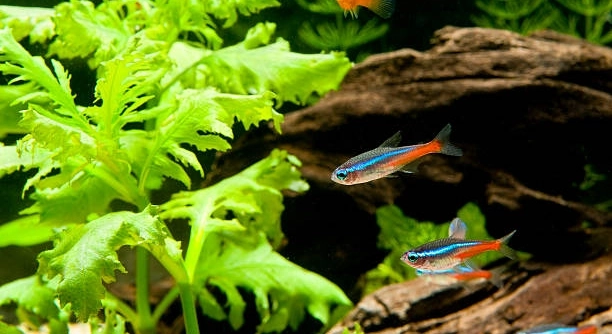
Neon Tetras are popular aquarium fish known for their vibrant colors. However, when you notice them swimming upside down, it can be concerning. There are several reasons why this might be happening, which are worth exploring.
The most common reason why your neon tetra is swimming upside down is an issue with its swim bladder. This organ helps the fish maintain buoyancy, and if it becomes damaged or diseased, the fish may struggle to stay upright.
Understanding the causes behind your neon tetra’s behavior is crucial for addressing the issue effectively. By doing so, you can ensure your fish remains healthy and happy in its environment.
Swim Bladder Problems
One of the most common reasons your neon tetra may swim upside down is due to a swim bladder issue. This organ, which helps the fish control its buoyancy, can become inflamed or damaged. When this happens, the fish struggles to maintain its proper orientation in the water. A swim bladder disorder can arise from various factors, such as poor water quality, overfeeding, or an injury. Neon tetras are particularly susceptible to stress, which can further affect their internal organs. In many cases, a swim bladder problem can be treated by adjusting the fish’s environment and diet.
If your fish has a swim bladder problem, check the water quality and ensure there are no toxins or high ammonia levels. Also, reduce the amount of food you offer, as overfeeding can lead to digestive issues. The symptoms of a swim bladder disorder may be temporary, but it’s important to monitor the fish closely.
By making these adjustments, your neon tetra may begin to swim normally again. In severe cases, medication may be needed, but that depends on the specific condition of your fish. Keeping the aquarium clean and avoiding overfeeding can help prevent swim bladder issues in the future.
Stress and Environmental Factors
Stress is another significant reason your neon tetra might be swimming upside down. Changes in the aquarium’s environment, such as sudden temperature fluctuations, loud noises, or the presence of aggressive tank mates, can cause distress. Neon tetras are sensitive to these shifts and may exhibit unusual swimming behavior in response. High levels of stress weaken the fish’s immune system, making it more vulnerable to disease, which can worsen the symptoms of swim bladder problems.
To reduce stress, ensure your tank has stable conditions, such as consistent temperature and proper filtration. Avoid overcrowding, and be mindful of the fish you keep with your neon tetras. Aggressive or fast-moving fish can intimidate them, causing further stress. Adding hiding spots, such as plants or rocks, can also provide a safe space where the tetras can retreat if they feel threatened. When the environment is calm and predictable, the fish are more likely to thrive and swim correctly.
Overfeeding
Overfeeding your neon tetra can lead to digestive issues, which may affect its buoyancy. When a fish consumes more food than it can process, the excess food can cause bloating or constipation. This puts pressure on the swim bladder, causing the fish to swim upside down or float erratically. It’s important to avoid feeding your fish large amounts of food at once. Instead, provide smaller portions several times a day, ensuring they consume everything within a few minutes.
Excess food can also decompose in the tank, leading to poor water quality. As the leftover food breaks down, it releases toxins into the water, which can further stress the fish and contribute to swim bladder issues. To avoid overfeeding, remove any uneaten food after a few minutes. This helps keep the water clean and prevents unnecessary health problems. Make sure to feed your neon tetras the appropriate amount of food, as each species has different nutritional needs.
It’s also a good idea to vary the diet of your neon tetras. A balanced diet of high-quality fish flakes, frozen foods, and occasional live foods can help keep your fish healthy and prevent any digestive disturbances. When fed properly, your neon tetras will be able to maintain better buoyancy and a more stable swimming pattern.
Water Quality
Poor water quality is another common reason for abnormal swimming in neon tetras. High levels of ammonia, nitrites, or nitrates in the water can stress the fish, leading to swim bladder problems. If you notice your neon tetra swimming upside down, checking the water parameters should be a priority. Regular water changes, proper filtration, and monitoring of the water’s pH, hardness, and temperature can help maintain a healthy environment for your fish.
When water quality deteriorates, neon tetras become more susceptible to disease, and their swim bladder may be affected. To ensure your fish thrive, perform weekly water changes of 25% or more. Additionally, regularly check the levels of ammonia, nitrites, and nitrates using a reliable water test kit. If necessary, invest in a high-quality filtration system that suits the size of your aquarium to maintain proper water circulation and cleanliness.
Good water quality is essential for overall fish health. Providing a stable, clean environment for your neon tetras will help prevent swim bladder problems, allowing them to swim naturally and comfortably. Always stay on top of water maintenance to ensure the well-being of your aquarium’s inhabitants.
Poor Tank Mates
Neon tetras are peaceful fish, but having aggressive or overly active tank mates can cause stress. If they feel threatened, they might swim erratically or upside down. Aggressive fish may bully your tetras, affecting their health. Avoid keeping them with species known to be territorial or fast swimmers.
To prevent this, research compatible tank mates for neon tetras. Peaceful fish like guppies or mollies make better companions. If you notice signs of aggression, it might be worth rearranging the tank or separating the problematic fish. Reducing stress from other tank mates can help your neon tetra swim more naturally.
Injury or Illness
An injury or illness can also cause a neon tetra to swim upside down. Fish that have been hurt or are battling an infection might have difficulty controlling their buoyancy. If your fish seems weak or lethargic, it’s essential to monitor for any signs of external damage or disease.
In some cases, injuries may not be visible but still cause significant distress. If you suspect illness or injury, consider isolating the affected fish in a separate quarantine tank. This reduces the risk of spreading disease and provides a calm space for recovery.
Temperature Fluctuations
Sudden changes in water temperature can lead to swim bladder issues in neon tetras. These fish are sensitive to temperature changes and might swim upside down when the water becomes too hot or cold. Ensure the aquarium maintains a stable temperature between 72°F and 80°F for optimal health.
FAQ
Why is my neon tetra swimming upside down?
The most common reason for a neon tetra swimming upside down is a swim bladder problem. This organ helps control buoyancy, and if damaged or infected, the fish may struggle to maintain its upright position. Poor water quality, overfeeding, stress, or illness can also contribute to this behavior. To address the issue, check the water parameters, reduce feeding, and ensure your fish are in a calm, stress-free environment.
How can I treat swim bladder disease in neon tetras?
To treat swim bladder disease, it’s important to first identify the cause. If the issue is due to overfeeding, reduce food portions and ensure the fish has a balanced diet. You can also try fasting your neon tetra for a couple of days to allow the digestive system to reset. If the problem persists, consider isolating the affected fish and consulting with a veterinarian who specializes in aquatic animals. In severe cases, medicated food may be necessary.
Can stress cause my neon tetra to swim upside down?
Yes, stress is a major factor in abnormal swimming behaviors in neon tetras. Changes in the environment, such as fluctuating water temperature, poor water quality, or aggressive tank mates, can cause stress. These stressors may weaken the fish’s immune system, leading to physical issues like swim bladder problems. To reduce stress, maintain stable water conditions, provide hiding spaces, and avoid overcrowding.
What should I do if my neon tetra is floating sideways or upside down?
If your neon tetra is floating sideways or upside down, first check the water quality. High ammonia or nitrite levels can stress the fish, leading to swim bladder issues. Perform a water change and test for toxins. If the water is fine, examine your fish for signs of injury or disease. Offering smaller portions of food and reducing feeding frequency can also help. In cases where the fish shows signs of illness, isolate it in a quarantine tank for treatment.
Is overfeeding my neon tetra causing the swimming issues?
Overfeeding is a common cause of swimming problems in neon tetras. When fish consume more food than they can digest, it can lead to bloating and constipation, which puts pressure on the swim bladder. This may cause the fish to swim upside down or in a disoriented manner. Feed your neon tetra smaller portions of food and ensure they finish eating within a few minutes. Remove any uneaten food after feeding to prevent water contamination.
Can tank mates affect my neon tetra’s swimming behavior?
Yes, aggressive or overly active tank mates can cause your neon tetra to swim erratically or upside down. Neon tetras are peaceful fish, and if they feel threatened, they may become stressed, which can lead to swim bladder issues. It’s essential to choose tank mates that are compatible with the peaceful nature of the neon tetra. Consider keeping them with other calm fish like guppies or mollies to reduce the risk of stress and aggression.
How often should I perform water changes for my neon tetra tank?
To maintain optimal water quality for your neon tetras, perform water changes at least once a week. Aim to replace 25% of the water during each change to ensure the tank remains clean and free from harmful toxins like ammonia and nitrates. Regular water changes help prevent the buildup of waste products and maintain a stable environment for your fish.
What water temperature is best for neon tetras?
Neon tetras thrive in water temperatures ranging from 72°F to 80°F (22°C to 27°C). Keeping the temperature within this range ensures that your fish remain healthy and active. Sudden fluctuations in temperature can stress the fish and lead to swim bladder problems, so it’s important to maintain a stable temperature using a reliable aquarium heater.
How do I know if my neon tetra is sick?
Signs of illness in neon tetras include changes in swimming behavior (such as swimming upside down), loss of color, lethargy, and visible signs of injury or disease (such as sores or frayed fins). If you notice any of these symptoms, it’s important to isolate the sick fish and monitor its condition closely. Treating the fish promptly with appropriate medication or adjusting the tank conditions can help prevent the spread of illness to other fish.
Should I isolate my neon tetra if it is swimming upside down?
Yes, isolating your neon tetra in a quarantine tank can help reduce stress and prevent the spread of potential illness to other fish. A separate tank also makes it easier to monitor the fish’s behavior and administer treatment if necessary. Ensure the quarantine tank has similar water parameters to the main tank to avoid further stress on the fish.
Can I treat swim bladder issues at home?
Yes, swim bladder issues can often be treated at home by adjusting the fish’s environment. Start by checking the water quality and ensuring it is free of toxins. You can also try fasting the fish for a couple of days to help with digestion-related issues. In some cases, adding aquarium salt to the water can help with swim bladder recovery. If the problem persists, you may need to seek advice from an aquatic veterinarian.
Final Thoughts
Neon tetras are vibrant and active fish, making them a popular choice for aquariums. However, if your neon tetra begins swimming upside down, it can be concerning. It’s important to identify the cause of this behavior, as it can stem from a variety of factors such as swim bladder issues, water quality, stress, or incompatible tank mates. Addressing these problems early can help your fish recover and prevent further health issues. Regular monitoring of the tank environment, water changes, and observing your fish’s behavior can help prevent common problems.
The most common cause of upside-down swimming is swim bladder disease, which is often linked to overfeeding, constipation, or water quality issues. It’s important to ensure you are feeding your neon tetras the right amount of food and maintaining a consistent water temperature and pH level. If swim bladder disease is suspected, fasting the fish for a few days and reducing food portions can help alleviate the symptoms. Keeping the tank clean and ensuring it has the proper filtration system also reduces the risk of swim bladder issues.
If your neon tetra continues to swim upside down despite taking preventive measures, it may be worth consulting an aquatic veterinarian for further advice. In some cases, it could be a sign of a more serious health issue. Isolating the affected fish in a quarantine tank can also be a helpful step in managing the condition and preventing the spread of potential diseases to other fish. While it can be stressful to see a fish in distress, proper care and attention can often lead to a recovery. Keep in mind that the overall health and well-being of your neon tetra depend on consistent tank maintenance and monitoring.

Hello,
If you enjoy the content that we create, please consider saying a "Thank You!" by leaving a tip.
Every little bit helps us continue crafting quality advice that supports the health, happiness, and well-being of pets around the world, for pets of all shapes, sizes, and species.
We really appreciate the kindness and support that you show us!