
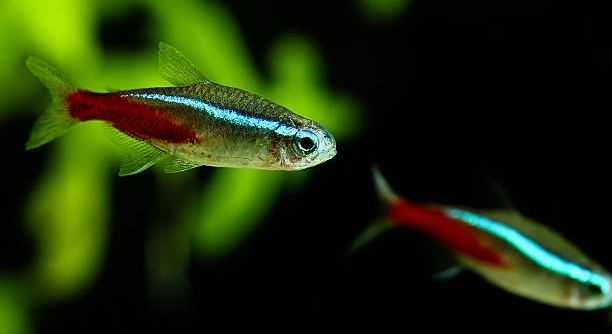
Neon Tetras are vibrant and peaceful fish, often kept in groups. However, sometimes you may notice that they seem to ignore each other. This behavior can be puzzling for aquarium owners. Understanding the reasons behind this can help.
The most likely reason your Neon Tetras are ignoring each other is stress. Stressors such as poor water quality, overcrowding, or lack of hiding spaces can cause them to become less social. Ensuring a stable environment can promote healthier interactions.
Identifying the root cause of this behavior can improve the well-being of your fish. Understanding these factors will help you create a better environment for your Tetras.
Poor Water Quality
Water quality is one of the main factors affecting your Neon Tetras. These fish are sensitive to changes in their environment, and even small fluctuations in water parameters can lead to stress. Factors like pH levels, ammonia, nitrate, and nitrite levels are crucial for their well-being. If the water is too acidic or basic, it can make them uncomfortable. Similarly, high ammonia or nitrate levels, often caused by overfeeding or inadequate filtration, can harm their health. Make sure to test the water regularly and maintain a proper filtration system to keep the water clean and healthy. Keeping the water temperature stable between 72–80°F is also important for their comfort.
Water quality directly impacts fish behavior, and poor conditions can cause Neon Tetras to act withdrawn. Clean water promotes their social interactions and overall health. Consistent maintenance is key.
Maintaining clean, balanced water allows your fish to thrive. Regular water changes and proper filtration will help prevent stress and keep your Neon Tetras active and engaging.
Overcrowding in the Tank
If your tank is overcrowded, it can lead to stressed fish. When Neon Tetras don’t have enough space to swim freely, they tend to retreat into their own little space. This reduces their interaction with other fish. Overcrowding can also cause an increase in waste, which negatively affects water quality, further stressing the fish. It’s important to stick to the recommended stocking levels for your tank size. A general guideline is to provide at least one gallon of water per inch of fish.
In an overcrowded tank, it’s common for your Neon Tetras to ignore each other, as they may not feel safe enough to socialize. If you notice them swimming less or hiding, it’s a sign they may need more space to feel comfortable.
You can alleviate overcrowding by moving fish to a larger tank or reducing the number of fish in the aquarium. Providing ample space allows the fish to interact freely, leading to a more active and social environment.
Lack of Hiding Spots
Neon Tetras are naturally shy and need places to hide when they feel threatened or stressed. Without proper hiding spots, they may choose to stay in one spot and avoid interacting with the other fish. In a tank without sufficient decorations, plants, or caves, the Tetras may feel exposed. Adding plants, driftwood, or aquarium decorations gives them the opportunity to retreat to safe areas when needed. The more secure they feel, the more likely they are to engage with each other.
Providing hiding spots can improve the overall health of your fish by reducing stress. Neon Tetras feel more secure and confident when they have access to places where they can hide if necessary. In turn, they become more active and social.
By adding plants and decorations, your tank will be more visually appealing and provide the perfect environment for your Tetras to thrive.
Temperature Fluctuations
Neon Tetras thrive in stable water temperatures. Sudden changes in temperature, whether too high or too low, can stress them out and cause them to retreat. A fluctuating environment may make them hesitant to interact with one another. It’s important to keep the temperature between 72-80°F.
If your heater is faulty or the tank is placed in a location that experiences drafts or direct sunlight, the temperature may vary too much. A steady temperature helps reduce stress, allowing the Tetras to swim freely and interact with each other.
Consider using an aquarium thermometer to monitor the water temperature consistently. If you live in a place where temperatures vary drastically, an aquarium heater with a built-in thermostat will help maintain stable conditions. A consistent temperature will encourage your Neon Tetras to be more social and active.
Water Hardness
Neon Tetras are delicate and sensitive to water hardness. If the water is too hard or too soft, they may become stressed and less likely to engage with their tank mates. These fish prefer soft to moderately hard water.
Test your water hardness regularly using a water hardness test kit to ensure it’s within the proper range. Adjusting the hardness can be done by adding water conditioners or using RO (reverse osmosis) water to dilute hard water.
Maintaining the correct water hardness level helps prevent stress and allows your Neon Tetras to behave naturally. When the water is right, your fish will feel comfortable and will start to interact more with each other. Keeping the water balanced supports their long-term health.
Aggressive Tankmates
If there are other fish in the tank that are aggressive or territorial, your Neon Tetras may feel threatened and retreat. Even if the other fish aren’t physically harming them, the constant stress can make your Tetras less social.
Ensure your tankmates are peaceful and compatible with your Neon Tetras. Species like Betta fish or large cichlids can be too aggressive and may cause Tetras to hide.
The more peaceful the tank, the more likely your Tetras will engage with each other. Create a calm, stress-free environment with compatible tankmates to encourage interaction.
Feeding Habits
Feeding habits can also influence your Neon Tetras’ behavior. If they’re not receiving enough food, they might act withdrawn or become less active. On the other hand, overfeeding can cause stress and water quality problems, which can further discourage social interaction.
Make sure to feed them a balanced diet, offering the right amount of food. Feed small amounts two to three times a day, ensuring that all Tetras get their share. This will help maintain their energy levels and make them more likely to interact with each other.
Consistent feeding helps create a healthy environment and promotes social behavior. Monitoring their food intake prevents both stress and competition for resources, leading to happier, more active fish.
Tank Size
Tank size plays a key role in how your Neon Tetras interact with one another. If the tank is too small, the fish may feel cramped and stressed. This will make them less likely to socialize or swim together.
It’s important to have at least a 10-gallon tank for a small group of Neon Tetras. A larger tank will provide enough space for them to feel secure and interact. More space also helps to maintain water quality and reduces stress caused by overcrowding.
A well-sized tank promotes a healthy social environment for your Tetras. It gives them the freedom to swim and interact without feeling trapped, which encourages their natural behaviors.
FAQ
Why aren’t my Neon Tetras swimming in a group?
Neon Tetras are social fish, but they might not swim in a group due to stress or poor water conditions. If the water quality is off, the tank is too small, or there are aggressive fish present, they may avoid swimming together. Make sure the water parameters are stable and the tank is large enough to allow them to swim freely.
Can Neon Tetras live alone?
Neon Tetras prefer to live in schools of at least six fish. Keeping them alone can cause stress, and they may become lethargic. A single Tetra will lack the natural social interactions it needs, which can lead to depression and poor health. It’s always best to keep them in a group.
What is the ideal water temperature for Neon Tetras?
Neon Tetras thrive in water that is between 72°F and 80°F (22°C to 27°C). Keeping the water within this range helps them stay active and healthy. Any fluctuation outside this range can lead to stress, which might cause them to stop interacting with each other.
How can I reduce stress in my Neon Tetras?
To reduce stress in your Neon Tetras, ensure their environment is stable. Maintain clean water with proper filtration, avoid overcrowding, and keep the temperature within the recommended range. Provide hiding spots using plants or decorations to help them feel secure.
Do Neon Tetras need a lot of swimming space?
Yes, Neon Tetras need plenty of swimming space. A tank that is too small will cause them to feel cramped, leading to stress and less social behavior. For a small school, a 10-gallon tank is the minimum size. The larger the tank, the more comfortable they will feel.
Can poor water quality cause Neon Tetras to ignore each other?
Yes, poor water quality can cause Neon Tetras to avoid one another. Ammonia, nitrites, and nitrates can harm their health, causing them to become stressed and less likely to interact. Keeping the water clean and within the right parameters will encourage healthier, more social behavior.
Is it normal for Neon Tetras to hide?
Neon Tetras may hide when they are stressed, feel threatened, or need rest. Providing hiding spots, such as plants or rocks, can help them feel more secure. If they are hiding often, check for potential stressors like aggressive tankmates or poor water conditions.
How can I tell if my Neon Tetras are stressed?
Stressed Neon Tetras may display behaviors like swimming erratically, hiding frequently, or staying in one corner of the tank. They may also lose their vibrant colors, and in severe cases, may stop eating. Check water quality, tankmates, and environmental factors to reduce stress.
How often should I feed my Neon Tetras?
Neon Tetras should be fed small amounts of food 2 to 3 times a day. Avoid overfeeding, as it can lead to water quality issues and stress. A healthy diet of high-quality flakes, pellets, or live food will keep your Tetras active and engaged.
Can Neon Tetras live with other species?
Yes, Neon Tetras can live with many other peaceful species. Good tankmates include other small community fish like Corydoras catfish, Guppies, and Shrimp. Avoid aggressive fish like Bettas or larger Cichlids, which might stress or harm the Tetras.
Why are my Neon Tetras staying at the top of the tank?
If your Neon Tetras are constantly at the top of the tank, it could be due to low oxygen levels, water quality issues, or temperature fluctuations. Ensure proper filtration, aeration, and that the water temperature is stable. Testing the water will help you identify any imbalances.
How can I encourage my Neon Tetras to interact more?
To encourage interaction, make sure their environment is comfortable. Keep water quality high, avoid overcrowding, and offer hiding places. A large, well-maintained tank with other peaceful fish and proper water conditions will create an ideal setting for your Tetras to socialize.
Are Neon Tetras easy to care for?
Neon Tetras are relatively easy to care for, but they are sensitive to water changes and stress. Regular water changes, a stable tank environment, and a balanced diet are essential for their well-being. If these factors are maintained, they will thrive in your aquarium.
Do Neon Tetras need a filter?
Yes, a filter is important for maintaining water quality. Neon Tetras are sensitive to ammonia and nitrites, which can build up in stagnant water. A filter helps remove waste and keeps the water clean, reducing the chances of stress and illness.
What tankmates should I avoid with Neon Tetras?
Avoid tankmates that are aggressive or large. Fish like Betta fish, Goldfish, and certain Cichlids can bully or eat Neon Tetras. Stick to peaceful, small fish that won’t compete for space or food. This will ensure your Tetras feel safe and interact with each other.
Final Thoughts
Neon Tetras are peaceful and social fish that thrive in groups. When they aren’t interacting with each other, it’s often a sign that something in their environment is causing them stress. Common factors like poor water quality, overcrowded tanks, or aggressive tankmates can discourage your Tetras from socializing. They rely on a stable and peaceful environment to feel comfortable and engage with each other. If you want your Tetras to be active and happy, it’s important to provide them with a clean, spacious tank with the right temperature and pH levels.
Tankmates play a huge role in your Neon Tetras’ behavior. While they are peaceful, they do need to feel secure. Aggressive or territorial fish can cause stress, making them less likely to swim together. Choosing the right companions for your Tetras is key to creating a calm and balanced tank. Species that are peaceful and don’t compete for space or food are ideal. Providing plenty of plants and hiding spots also helps your Tetras feel safe and encourages them to interact. A peaceful environment will allow them to display their natural social behavior and enjoy each other’s company.
Lastly, don’t forget that proper care and maintenance are essential for keeping your Neon Tetras healthy and active. Regular water changes, monitoring water quality, and feeding them the right diet will ensure they thrive. By paying attention to the needs of your Tetras and providing a safe, stress-free environment, you’ll encourage them to swim together and display their natural social behavior. Whether it’s adjusting the tank size or ensuring water quality, small changes can have a big impact on your Tetras’ interactions.

Hello,
If you enjoy the content that we create, please consider saying a "Thank You!" by leaving a tip.
Every little bit helps us continue crafting quality advice that supports the health, happiness, and well-being of pets around the world, for pets of all shapes, sizes, and species.
We really appreciate the kindness and support that you show us!