
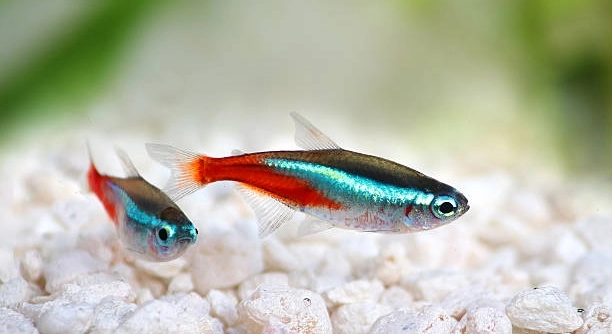
Neon Tetras are popular aquarium fish known for their vibrant colors and peaceful nature. However, if you notice your Neon Tetra hiding when you approach, you might wonder why this happens. There are several possible reasons.
Neon Tetras hide when approached due to factors like stress, fear, or environmental changes. The presence of predators or changes in water conditions can trigger their instinct to seek shelter. Additionally, they may hide if they’re unwell or feeling threatened.
Understanding the reasons behind this behavior can help ensure your Neon Tetras feel comfortable and thrive in their environment. We’ll explore seven possible causes and offer solutions for a healthier, happier aquarium.
Stress from Environmental Changes
Neon Tetras are sensitive to changes in their environment, including water temperature, pH, and lighting. When these factors shift, they may retreat into hiding. They are most comfortable in stable conditions, and any disruption can cause them stress. For example, if the water temperature is too high or low, it can make them feel vulnerable. Similarly, drastic changes in lighting can lead to discomfort. Neon Tetras are naturally shy and prefer calm environments, so a sudden change in their surroundings can trigger hiding behavior. Even cleaning the tank too frequently or moving decorations around can unsettle them.
When your Neon Tetra hides due to stress, it’s usually a sign that something in the tank needs adjusting. You should check the water parameters regularly to ensure they stay within the ideal range for Neon Tetras. A temperature of 72-78°F (22-26°C) and a slightly acidic pH (6.0 to 7.0) are ideal.
Maintaining consistency in your aquarium setup will help keep stress levels low. Providing hiding places like plants or rocks will also make your Neon Tetras feel secure. This will likely reduce the amount of time they spend hiding and help them feel more at ease.
Fear of Predators
Neon Tetras are prey fish in the wild, and their instincts drive them to hide when they feel threatened. Even if there are no obvious predators in your tank, they may feel uneasy when they sense movement near the aquarium. Larger or more aggressive fish can cause them to become fearful, leading to hiding. Neon Tetras can be intimidated by the presence of fish that are much larger than them or species that are more aggressive. Sometimes, even fast movements near the tank can trigger their flight response.
To minimize stress caused by perceived threats, it’s essential to create a peaceful tank environment. Avoid keeping Neon Tetras with aggressive species, and ensure your aquarium isn’t too crowded. It’s also helpful to observe their behavior and see if any specific fish or movements cause them to hide more than usual. Understanding their comfort zone is key to making them feel safe and secure.
Poor Water Quality
Water quality is crucial for the health of your Neon Tetras. If the water parameters aren’t ideal, your fish may hide to escape the discomfort. High ammonia or nitrite levels can be toxic, while poor oxygenation may cause your fish to retreat. Regular water changes are vital to maintaining healthy water conditions.
Test the water regularly for ammonia, nitrites, and nitrates. The levels should always be safe to avoid stressing your Neon Tetras. Additionally, ensuring proper filtration and water aeration can help improve water quality. Neon Tetras thrive in clean, well-maintained water, so keeping your tank in top condition is essential.
If the water quality worsens, Neon Tetras might begin to show signs of stress, such as hiding or staying near the bottom of the tank. Ensure you perform regular water changes, clean the substrate, and check that the filter is working properly. Poor water conditions can lead to long-term health issues, so staying on top of maintenance is key.
Illness or Injury
If a Neon Tetra is feeling unwell or injured, it may retreat and hide to avoid further stress. Fish instinctively hide when they’re sick, as it helps them avoid predators and gives them a chance to recover. Common illnesses, such as parasites or fin rot, can cause them to behave differently.
Look for signs of illness, such as abnormal swimming patterns, discoloration, or ragged fins. If you notice anything unusual, it’s essential to isolate the affected fish to prevent the spread of disease. Keep the water quality high, as poor conditions can weaken their immune system and lead to illness.
When Neon Tetras are unwell, providing a quiet, low-stress environment can help them recover. If necessary, consult a vet who specializes in fish to determine the best course of treatment. Giving them the proper care can aid in their recovery and get them back to their active selves.
Overcrowding in the Tank
An overcrowded tank can lead to stress and hiding behavior in Neon Tetras. When there are too many fish in a small space, it can cause competition for resources and make the environment feel unsafe. They need space to swim and thrive.
If you have too many fish in your tank, consider reducing the population to provide a more peaceful environment for your Neon Tetras. A general rule is one inch of fish per gallon of water. Overcrowding can cause your Neon Tetras to feel anxious, prompting them to hide more often.
Tank Mates
Neon Tetras are peaceful fish but can get intimidated by aggressive or larger tank mates. If they feel threatened, they may hide to stay out of harm’s way. Fish that chase or nip at them can cause stress.
Ensure your tank mates are compatible. Avoid keeping Neon Tetras with large, aggressive species or fin-nipping fish. Peaceful tankmates like other small fish are ideal for a harmonious tank environment. When the atmosphere is calm, your Neon Tetras will be more confident and less likely to hide.
Hunger or Inadequate Diet
Neon Tetras may also hide when they’re hungry or not getting enough food. If they feel unwell or weak due to poor nutrition, they may stay hidden in the tank. Offering a balanced diet is important for their health.
Ensure your Neon Tetras are fed appropriately and that the food reaches all fish in the tank. Overfeeding can lead to water quality problems, but underfeeding can cause stress and hiding. A varied diet of quality flakes, pellets, and occasional live food will help keep them healthy.
FAQ
Why do Neon Tetras hide all the time?
Neon Tetras may hide frequently due to stress, illness, or discomfort. They are naturally shy and prefer calm, stable environments. Poor water quality, inappropriate tank mates, or sudden changes in their environment can also make them retreat into hiding. Stress from overcrowding or being chased by more aggressive fish can lead to consistent hiding behavior. It’s important to maintain a peaceful tank setup with proper water conditions to reduce this behavior.
How can I get my Neon Tetra to stop hiding?
To get your Neon Tetra to stop hiding, start by checking the water conditions. Ensure the water temperature, pH, and oxygen levels are within the ideal range for Neon Tetras. Reduce any sources of stress by avoiding overcrowding, and make sure tank mates are peaceful. Providing hiding spots like plants and rocks can help them feel secure, but make sure the tank doesn’t feel too cramped. Also, avoid sudden changes in the environment, as stability is key for their comfort.
Can Neon Tetras hide when they are stressed?
Yes, stress is one of the main reasons Neon Tetras hide. They are sensitive to changes in their environment, such as fluctuating water temperature, sudden light changes, or aggressive tank mates. When stressed, they instinctively seek shelter to avoid further discomfort. It’s important to identify the source of stress and remove it to help your Neon Tetra feel safe and reduce hiding behavior.
Is it normal for Neon Tetras to hide after water changes?
It is normal for Neon Tetras to hide after a water change. They may feel unsettled by the change in water chemistry, temperature, or overall environment. Neon Tetras are sensitive to sudden shifts, so it’s best to make gradual changes in water parameters to reduce stress. After the water change settles and the fish get used to the new conditions, they should return to their usual behavior.
How do I know if my Neon Tetra is sick?
Signs of illness in Neon Tetras include abnormal swimming behavior, such as floating at the surface or sinking to the bottom, discoloration, clamped fins, ragged fins, or a decrease in activity. You may also notice the fish is spending more time hiding or not eating. If you see any of these signs, isolate the sick fish, monitor water quality, and seek treatment if necessary. Early intervention is key to preventing the spread of disease and ensuring the health of your fish.
Can Neon Tetras hide when they are hungry?
Yes, Neon Tetras may hide if they are hungry or not getting enough food. If the food isn’t reaching them or they’re not getting enough variety, they may retreat into hiding. It’s important to feed them an appropriate amount of food, avoiding overfeeding to prevent water quality issues. Make sure that all fish in the tank are getting their share, especially if you have other, more dominant fish.
Why do my Neon Tetras hide during the day?
Neon Tetras are generally more active at dawn and dusk. During the day, they may retreat to darker areas of the tank to rest or avoid strong light. If they are hiding more than usual during the day, it could be a sign of stress or poor water conditions. Keep an eye on the tank’s environment and make sure it is calm and well-maintained.
Are my Neon Tetras just shy?
Yes, Neon Tetras are naturally shy fish. They are peaceful and prefer to stay in groups. While they may swim actively with other Neon Tetras, they are easily frightened by sudden movements or the presence of larger, more aggressive fish. Providing plenty of hiding spots and ensuring they feel safe in their environment will help reduce this shy behavior.
Can water temperature cause Neon Tetras to hide?
Yes, Neon Tetras can hide if the water temperature is not within their preferred range. If the water is too hot or too cold, they may seek shelter to avoid stress. The ideal temperature range for Neon Tetras is between 72-78°F (22-26°C). Consistent temperatures are crucial to their well-being, so use a reliable thermometer to monitor the water temperature.
Why do my Neon Tetras only hide at night?
Neon Tetras may hide more at night due to their natural behavior patterns. These fish are less active at night and prefer the darkness to rest. However, if they are consistently hiding and not swimming around at night, it could be an indication of stress or poor water quality. Check the tank’s environment and consider adding more hiding spots to provide them with comfort.
Final Thoughts
Neon Tetras are beautiful and peaceful fish, but they can be sensitive to changes in their environment. If they’re hiding, it’s usually a sign that something is causing them stress or discomfort. Whether it’s poor water quality, aggressive tank mates, or sudden changes in their surroundings, Neon Tetras need a stable and calm environment to thrive. Understanding the reasons behind their hiding behavior can help you provide the best care possible for these colorful fish.
Addressing the root causes of stress, such as water conditions or tank mates, is the first step to reducing hiding behavior. Regular water changes, monitoring the temperature and pH levels, and ensuring proper filtration can make a big difference in how comfortable your Neon Tetras feel. Additionally, choosing peaceful tank mates and avoiding overcrowding will create a more relaxing space for them to swim and interact. By offering hiding places like plants or rocks, you can give them the option to retreat when they need to, without feeling overwhelmed.
Remember, Neon Tetras are naturally shy, and some hiding is completely normal, especially if they’re adjusting to a new environment. However, if hiding becomes excessive, it’s important to evaluate the factors in their tank. With a little attention to detail, such as maintaining proper water quality, ensuring compatibility with other fish, and providing a stress-free environment, your Neon Tetras can return to their usual lively and active behavior. Ensuring their well-being will lead to a healthier, happier aquarium for everyone.

Hello,
If you enjoy the content that we create, please consider saying a "Thank You!" by leaving a tip.
Every little bit helps us continue crafting quality advice that supports the health, happiness, and well-being of pets around the world, for pets of all shapes, sizes, and species.
We really appreciate the kindness and support that you show us!