
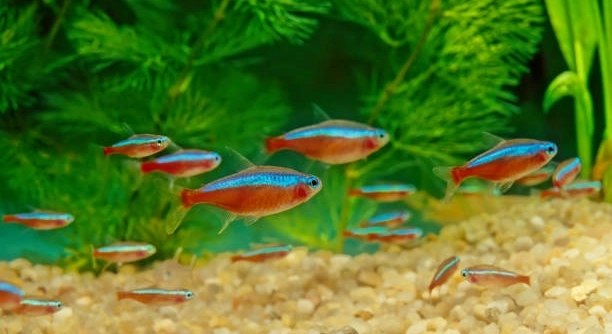
Moving your neon tetra to a new home can be a bit tricky. It’s important to keep them safe and healthy during the journey. With proper planning and care, you can make sure your fish get to their new tank safely.
To transport neon tetras safely, you’ll need to carefully prepare their transport bag, maintain a stable water temperature, and avoid stressing them out during the journey. Following these steps will ensure they arrive healthy and happy.
By paying attention to the right techniques, you can avoid common mistakes and reduce the chances of any issues. This guide will walk you through the essential steps to transport your fish without stress.
1. Prepare the Right Transport Bag
When transporting neon tetras, the bag is just as important as the water inside. Choose a clean, breathable plastic bag to hold your fish. It’s crucial to use a bag that is large enough to allow the fish to swim comfortably, but not too large where the water might slosh around. Fill the bag with water from their tank, ensuring it covers the fish. Make sure the bag is not overfilled—about a third of the bag should contain water, and the rest should be air. This will help maintain oxygen levels during transport.
You can double-bag the fish for extra protection. This helps prevent leaks and makes the bag sturdier. Keep the bag loosely tied so the fish don’t feel cramped.
By properly preparing the transport bag, you give your neon tetras a better chance of staying calm and healthy during the move. It’s essential to avoid using any new water, as it could contain harmful chemicals or bacteria that can harm your fish.
2. Maintain the Right Temperature
Temperature fluctuations can stress your neon tetras and even harm them. It’s important to keep their water at a stable temperature during transport. Avoid putting the bag in a cold or hot car. If possible, place the bag in an insulated container to help maintain the right temperature. You can also use a heat pack if it’s cold outside or an ice pack if it’s too hot.
One simple way to ensure temperature stability is by packing the transport bag in a box or cooler. This will act as a buffer to keep the water temperature steady during the move. If the travel time is long, check on the fish every 30 minutes to ensure they aren’t overheating or getting too cold.
When it comes to temperature, consistency is key. Keeping the water around 72–76°F is ideal for neon tetras. Any drastic change can cause stress, so try to avoid rapid shifts during the transport.
3. Reduce Stress Levels
Stress can weaken neon tetras and make them more susceptible to illness. It’s essential to minimize their stress during the move. Start by avoiding any loud noises or sudden movements near the transport bag. Neon tetras are sensitive to vibrations, so handling the bag gently and keeping it in a quiet area can help.
In addition to physical stress, neon tetras are sensitive to light changes. Try covering the bag with a cloth to reduce exposure to bright lights. This will help the fish feel more secure and less anxious.
The smoother the transition, the better. By keeping things calm and controlled, your fish will be less likely to experience stress, which will help them stay healthy during the move. The less disturbance they experience, the quicker they will adapt to their new tank after the relocation.
4. Secure the Transport Area
Once the transport bag is ready, ensure that the area where the fish will travel is secure. If you’re driving, place the bag in a stable spot, such as the back seat or floor of the car. It should not be near air vents or in direct sunlight, as this could cause rapid temperature changes. You want to keep the water as stable as possible.
During the ride, avoid abrupt stops or fast turns. Smooth driving will reduce the chances of the water sloshing around and stressing the fish. You should also try to limit the travel time as much as possible to minimize the risk of the fish becoming uncomfortable or sick.
Planning ahead for a safe, secure transport area will ensure that your fish experience as little disturbance as possible. Taking time to carefully set up this part of the move will make a big difference in the health of your neon tetras.
5. Prepare for the New Tank
Before you move your fish, it’s important to prepare the new tank. Ensure that it has been properly set up with the right filtration, water chemistry, and temperature. Having everything in place before the move will help the neon tetras transition smoothly into their new environment.
When you arrive at your new home, you should first acclimate the fish to their new tank slowly. Float the bag in the new tank for about 15-20 minutes so that the water in the bag and the water in the tank can adjust to the same temperature. After that, you can gently release the fish into the new tank.
The key here is to avoid stressing the fish further during the acclimation process. Slowly introducing them to their new environment gives them a better chance to adjust without causing additional shock.
6. Monitor Your Fish After the Move
Once your neon tetras are settled into their new tank, it’s important to keep a close eye on them for the next few days. They may appear a little stressed at first, and that’s normal. Watch for any signs of illness or unusual behavior, such as lack of appetite, erratic swimming, or faded colors.
If any issues arise, don’t hesitate to address them right away. Check the water quality in the new tank and ensure it matches the needs of the neon tetras. A sudden change in water quality can cause stress or even illness.
You may need to give your fish a few days to get used to their new surroundings. As long as you monitor them closely and ensure the water conditions are right, your neon tetras should adjust quickly to their new home.
7. Avoid Overcrowding the Transport Bag
Overcrowding the transport bag can cause unnecessary stress and reduce oxygen levels, which are critical for your neon tetras’ survival. Keep the number of fish in the bag manageable to avoid this. One to three fish is ideal, depending on the size of the bag.
If you have more fish to transport, you should consider using multiple bags. This will give each fish enough space to swim comfortably and keep the water from becoming too contaminated. Oxygen should be able to circulate freely in the bag, allowing your fish to breathe easily.
It’s essential to remember that neon tetras are small fish, but they still need space to move and avoid becoming stressed. Overcrowding can also lead to them becoming more susceptible to illness or injury. Keeping them in separate bags if necessary is one of the simplest ways to ensure a safer trip.
8. Ensure Proper Acclimatization
After the move, acclimating your neon tetras to their new tank is crucial. Simply dropping them in can be stressful. Instead, float the transport bag in the new tank for at least 15 minutes to allow the temperatures to equalize.
Gradually add small amounts of the new tank water into the bag every 5 minutes to help the fish adjust to different water parameters, like pH and hardness. This gradual acclimatization process minimizes the shock that can occur from a sudden water change.
Acclimating your neon tetras slowly will help them transition without causing unnecessary stress or harm. This careful method allows them to adjust at their own pace and ensures they are more comfortable in their new home.
9. Keep the Transport Bag Upright
Keeping the transport bag upright is key to preventing water from spilling and minimizing stress for the fish. Ensure the bag is placed in a stable position during travel, such as on the floor or in a secure container.
This will help keep the fish from bouncing around too much. Placing the bag in a stable location will also prevent sudden movements that could cause water sloshing. Stability is essential to maintain a peaceful environment for your fish.
The calmer the ride, the less stress your neon tetras will experience. Keeping the bag upright ensures their journey is as smooth as possible.
10. Limit Light Exposure
Neon tetras are sensitive to light, so limiting exposure during transport can help reduce their stress. Keep the transport bag covered with a cloth to block out bright lights.
This will help the fish feel more secure and less anxious. Light exposure can cause confusion or make them more prone to stress. Keeping them in the dark for most of the trip allows them to remain calm and comfortable.
Minimizing light exposure ensures the neon tetras have a quieter, less disruptive experience, allowing them to adjust better to their new home.
11. Avoid Feeding Before the Move
Feeding your neon tetras before the move is not recommended. They may get stressed out and not have time to digest the food properly. It’s better to wait until they are settled in their new tank.
Skipping a meal will also help keep the water clean during transport. This prevents waste buildup, which could harm the fish and affect their oxygen levels. Feeding them once they’re acclimated to the new tank is a safer option.
Your neon tetras’ health is the priority, and feeding them beforehand may lead to unnecessary problems.
FAQ
1. How long can neon tetras stay in a transport bag?
Neon tetras can typically stay in a transport bag for up to 2 hours. This timeframe allows enough time for the move without causing significant stress or oxygen depletion. However, longer transport times can lead to poor water quality and higher stress levels, which could harm the fish. To avoid this, try to plan the move so that the fish are in the transport bag for as short a time as possible. If the trip is longer, consider stopping to check on the fish, replace the water, or even add oxygen. It’s essential to prioritize their comfort and safety.
2. Can I transport neon tetras with other types of fish?
It’s generally not recommended to transport neon tetras with other types of fish, especially those that are larger or more aggressive. Neon tetras are small and delicate, and mixing them with other species could lead to stress or even injury. If you must transport them together, ensure all fish are compatible and use separate bags if necessary. Even if fish are peaceful, different species may have different water requirements, which could cause issues. Always ensure the safety of your neon tetras by providing the most stable and stress-free environment possible.
3. Should I use tap water for the transport bag?
It’s best to use water from the neon tetras’ current tank for transport. Tap water can contain chlorine, chloramines, and other chemicals that could harm the fish. Using water from their tank ensures that the fish are accustomed to the water’s temperature, pH, and hardness. If you must use tap water, make sure to treat it with a water conditioner designed to neutralize harmful chemicals. Always test the water quality before adding the fish to ensure it’s safe for them to travel in.
4. What should I do if my neon tetras seem stressed during the move?
If your neon tetras appear stressed during the move, try to minimize disturbances. Keep the transport bag in a quiet, dark place and avoid any sudden movements or loud noises. If possible, slow down the car or take breaks to check on the fish. Stress can be minimized by controlling the environment, so make sure the water temperature stays stable and that the bag remains upright. Once at the new location, carefully acclimate the fish to their new tank and give them time to settle in.
5. Can I transport neon tetras in a fish bowl or aquarium?
Transporting neon tetras in a fish bowl or aquarium is not recommended. These containers are typically too small for a secure move and can lead to rapid water changes in temperature, which could stress or harm your fish. A bag with water from their tank is the best option as it provides both stability and enough oxygen. If you don’t have a proper bag, try to use a small, secure container, but avoid using open bowls or tanks during transport.
6. How do I know if my neon tetras are healthy after the move?
After the move, it’s important to observe your neon tetras for any signs of stress or illness. Look for changes in their swimming patterns, such as erratic movement or staying at the bottom of the tank. Healthy fish should swim actively and exhibit bright colors. If they appear lethargic or have faded colors, check the water quality and ensure that the tank’s conditions are appropriate for their needs. It’s normal for them to be a bit shy or slow for the first day, but if the symptoms persist, you may need to address water quality or seek veterinary advice.
7. What is the best way to keep neon tetras safe during a long move?
For long moves, the most important things are stability and temperature control. Use a cooler or insulated container to protect the transport bag from extreme temperatures. If necessary, add a heat pack for cold weather or ice packs for hot conditions. You should also monitor the fish frequently if the trip is long, checking for signs of stress or discomfort. If possible, make stops to refresh the water or provide additional oxygen. A smoother and calmer travel experience ensures that your neon tetras stay healthy and comfortable.
8. Can I move my neon tetras without a filter in the transport bag?
Yes, you can move neon tetras without a filter in the transport bag, but it’s important to minimize the time spent in the bag. Since there’s no filtration, the water quality can deteriorate quickly, leading to harmful conditions for your fish. To help keep the water fresh, avoid overcrowding the bag, and ensure there’s enough oxygen for the fish. If the transport time exceeds a couple of hours, consider changing the water or adding an oxygen source to prevent stress and potential harm.
9. What should I do if the water in the transport bag turns cloudy?
If the water in the transport bag turns cloudy, it’s a sign that the water quality is deteriorating. Cloudy water is often caused by waste products, uneaten food, or bacteria. In this case, it’s best to change the water before continuing the move, but be cautious when handling the fish. If you’re unable to change the water, try to add some fresh, treated water from their tank while ensuring the temperature matches the existing water. If the trip is long, make periodic water changes to help keep things stable.
10. How should I handle neon tetras after the move?
After the move, handle your neon tetras gently, if at all. Ideally, you should let them swim out of the transport bag on their own into the new tank. Avoid scooping them out with a net, as this can cause unnecessary stress. Allow them to acclimate at their own pace by floating the bag in the tank for 15–20 minutes before letting them go. This gradual transition helps reduce shock and gives them the best chance of thriving in their new home.
Final Thoughts
Transporting neon tetras requires careful planning and attention to detail to ensure their health and safety during the move. While they are small and hardy fish, they are still sensitive to changes in their environment, including temperature fluctuations, water quality, and stress. By taking the right precautions, like using clean water from their current tank, keeping them in a stable, secure bag, and controlling the temperature, you can significantly reduce the risk of stress or harm. Remember, their comfort should always be a priority, especially when relocating them to a new home.
The process doesn’t have to be overly complicated, but it does require patience and awareness. Always check on the water conditions and make sure that the transport setup is secure and stable. Whether you’re moving them across town or just to a new tank in the same room, minimizing movement, light exposure, and overcrowding is essential. Keeping the transport bag upright and avoiding extreme temperature changes will help your neon tetras stay calm and healthy throughout the move. While it’s tempting to rush, taking the time to make sure everything is set up correctly will help the fish adjust better once they arrive at their new home.
Finally, after the move, give your neon tetras some time to settle in. It’s normal for them to act a little shy or skittish at first, but if they continue to show signs of stress or illness, check the water parameters in their new tank. With the right conditions and a smooth transition, neon tetras should adapt quickly to their new environment and continue to thrive. By following these steps, you can make sure they arrive safely and have the best chance of adjusting without any long-term issues.

Hello,
If you enjoy the content that we create, please consider saying a "Thank You!" by leaving a tip.
Every little bit helps us continue crafting quality advice that supports the health, happiness, and well-being of pets around the world, for pets of all shapes, sizes, and species.
We really appreciate the kindness and support that you show us!