
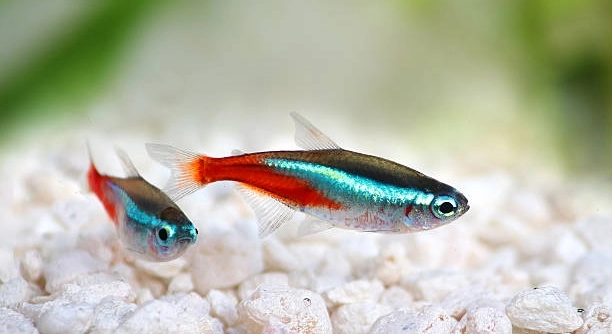
Neon Tetras are popular freshwater fish, but they can sometimes act strangely after a water change. If you’re noticing unusual behavior, understanding the cause can help keep your fish healthy and stress-free.
The most common reason your Neon Tetra may act strange after a water change is due to sudden shifts in water parameters. Rapid changes in temperature, pH, or hardness can stress the fish, leading to abnormal behavior.
There are simple fixes to address this issue and ensure your fish recover quickly. Keeping your tank conditions stable can help prevent further problems.
Common Causes of Neon Tetra Stress After a Water Change
Neon Tetras are sensitive to changes in their environment. After a water change, they may act out if there’s a sudden fluctuation in water parameters. Small adjustments in temperature or pH can be enough to cause stress. Additionally, if the water isn’t properly treated or is too different from the previous water conditions, the fish might react by hiding or swimming erratically. Stressful water changes can also weaken the fish’s immune system, making them more vulnerable to disease. Ensuring the water conditions are stable and consistent is key to maintaining a healthy tank environment for your Neon Tetras.
The stability of your aquarium’s water parameters plays a huge role in your fish’s well-being. Small shifts can be unsettling for Neon Tetras, which are sensitive to temperature, pH, and hardness.
Adjusting the water gradually over time and using a reliable water conditioner can help prevent these sudden changes. Ensuring proper filtration and regular maintenance will also support a healthy environment for your Neon Tetras to thrive in.
How to Prevent Stress from Water Changes
A key factor in preventing Neon Tetra stress after a water change is gradual adjustments. Avoid making large water changes that can quickly alter the tank’s balance. Smaller, more frequent water changes help ensure that the fish aren’t shocked by sudden shifts. It’s also helpful to match the new water’s temperature to the existing tank water before introducing it. A thermometer can help ensure the temperatures are closely aligned, as a drastic change can be very stressful for your fish.
To further reduce stress, consider using a water conditioner designed to neutralize chlorine or chloramine, which can irritate the fish. Regularly testing your tank’s water parameters will also help you track any changes and prevent any unwanted surprises. If you notice your fish are still acting strange after a water change, slow down and adjust the water more gradually. This gives them a better chance to adjust without going into shock.
How to Match Water Temperature
When adding new water to your tank, make sure the temperature is similar to the existing water. Rapid temperature changes can stress your Neon Tetras. Using a thermometer to check both water temperatures before introducing the new water can help prevent shock.
You can use a bucket or a container to gradually add small amounts of the new water into the tank, allowing the fish to acclimate. If possible, heat the new water to match the tank’s temperature. Adjusting the heater in the tank before adding water helps avoid any sudden changes that might overwhelm your fish.
Some fish are more tolerant of temperature shifts than others, but Neon Tetras are quite sensitive. To avoid this, always allow the water to sit for a while and adjust its temperature to the tank’s conditions. Even slight differences can make a big impact on their behavior.
Using a Water Conditioner
Water conditioners neutralize harmful chemicals like chlorine and chloramine, which can be present in tap water. These chemicals can cause skin irritation and stress in your Neon Tetras. Adding a water conditioner before introducing new water will keep the water safe for your fish.
Always follow the manufacturer’s instructions to ensure you’re using the correct amount. Overuse of water conditioner can also cause problems, as some chemicals may become concentrated in the tank. If you have sensitive fish like Neon Tetras, using a high-quality water conditioner is especially important for ensuring a smooth transition after a water change. It’s a simple step that goes a long way in preventing stress.
In addition, conditioner can help maintain the overall water quality, reducing the risk of algae blooms and other imbalances that could affect your fish’s health. Make sure to regularly change the filter and test the water parameters to complement your water conditioner efforts.
Avoid Overfilling the Tank
When performing a water change, avoid overfilling the tank, as it can disrupt the balance and pressure of the aquarium. Keep the water level within the appropriate range to ensure the filtration system works efficiently and your fish remain comfortable.
Overfilling can also cause the tank to overflow, affecting the filter and potentially creating a mess. It might introduce more water than your system is designed to handle, resulting in water disturbances and stress for your Neon Tetras. Make sure the water level stays consistent with the tank’s design and filtration capabilities.
Filter Maintenance
Regular filter maintenance ensures that your Neon Tetras have clean, well-oxygenated water. A clogged or dirty filter can lead to poor water quality and stress for the fish. Make sure to clean the filter every few weeks or as needed.
Changing the filter media periodically is essential to maintain its effectiveness. A dirty filter can create harmful toxins in the water, leading to unhealthy conditions. By keeping the filter in top condition, you reduce the chances of chemical imbalances or poor water quality, helping your fish thrive.
Adding New Fish After Water Changes
Adding new fish after a water change can add unnecessary stress to your existing Neon Tetras. If you introduce new fish, it may disrupt the tank’s balance and water parameters, which can lead to aggressive behavior or health issues.
If you’re planning to introduce new fish, do so gradually and monitor the tank conditions closely. Avoid adding too many new fish at once. It’s crucial to give the existing fish time to adjust to the new water conditions first. Keep an eye on the water quality, as new fish can affect it.
FAQ
Why do my Neon Tetras swim erratically after a water change?
Neon Tetras may swim erratically after a water change because they are stressed by sudden changes in the water parameters, such as temperature, pH, or hardness. Even minor shifts in these factors can cause them to behave differently. It’s important to keep the water temperature, pH, and hardness stable before and after a water change to reduce stress. If the water change was too drastic or too large, it could lead to disorientation and erratic swimming patterns.
How often should I change the water in my tank?
Regular water changes are important to keep the tank environment healthy for your Neon Tetras. Typically, a 25-30% water change every 1-2 weeks is recommended. However, the frequency can vary depending on the tank size, filtration system, and the number of fish. If your tank is heavily stocked, you may need to change the water more often. Monitoring the water parameters will help you determine if more frequent changes are necessary.
Can a water change cause my fish to get sick?
A water change itself doesn’t cause illness, but improper water conditions can. If the new water contains chlorine, chloramine, or an improper temperature, it can stress the fish and weaken their immune systems, making them more susceptible to diseases. Always treat the water properly before adding it to your tank, and ensure that the temperature matches the tank’s water to avoid stressing the fish.
How can I avoid stressing my Neon Tetras during water changes?
To minimize stress during water changes, avoid making abrupt changes to the water parameters. Perform partial water changes regularly, and make sure to match the temperature of the new water with that of the tank. Using a water conditioner to neutralize chlorine and chloramine is also essential for protecting the fish. Take care to move slowly and avoid disturbing the fish too much during the process.
Is it normal for Neon Tetras to hide after a water change?
Yes, it is common for Neon Tetras to hide after a water change, especially if the conditions have changed suddenly. They are sensitive fish and may seek refuge in plants, decorations, or other hiding spots to recover from the stress. If the behavior persists for a prolonged period, it may indicate that the water parameters are still off.
How do I know if my Neon Tetras are stressed?
Signs of stress in Neon Tetras include erratic swimming, frequent hiding, loss of appetite, and faded colors. They may also become more aggressive or appear lethargic. If your fish show these signs after a water change, it’s important to check the water parameters, including temperature, pH, and hardness, to ensure they’re within the appropriate range.
Can a water change improve my fish’s health?
Yes, regular water changes can improve the health of your Neon Tetras by removing waste, excess nutrients, and harmful toxins from the water. Clean water supports the fish’s immune system and helps prevent diseases. Maintaining optimal water conditions can lead to healthier, more active fish and a more stable tank environment.
What is the best way to acclimate my Neon Tetras after a water change?
After a water change, allow the Neon Tetras to acclimate by gently introducing the new water into the tank and not adding too much water at once. If necessary, you can drip acclimate the fish by slowly mixing the old and new water. Keep an eye on them for any signs of distress and ensure the water temperature is stable.
Do I need to remove my Neon Tetras during water changes?
No, there is no need to remove your Neon Tetras during a water change, as long as the process is done carefully. Sudden disturbances or removing the fish can stress them out. Instead, focus on making gradual changes, ensuring the new water is properly treated, and maintaining a calm environment.
What should I do if my Neon Tetras stop eating after a water change?
If your Neon Tetras stop eating after a water change, it could be due to stress caused by changes in water conditions. Make sure the water temperature and quality are within the optimal range. If the behavior continues for more than a day or two, check for other issues such as overfeeding, illness, or changes in tank mates.
How can I ensure my water change doesn’t affect the tank’s balance?
To avoid affecting the tank’s balance, make sure the water change is gradual. Don’t change more than 25-30% of the water at once. Test the water’s temperature, pH, and hardness before introducing it to the tank. Consistent maintenance and monitoring of your tank’s conditions can help keep the balance intact during water changes.
Should I use a siphon to remove water from my tank?
Yes, using a siphon is an effective way to remove water during a water change. A siphon helps vacuum debris and waste from the substrate, improving the water quality. Make sure to clean the substrate regularly as part of your water change routine to prevent the buildup of harmful toxins.
How do I adjust the pH after a water change if needed?
If the pH of your tank water changes drastically after a water change, you may need to adjust it to keep it stable. You can use pH adjusters or buffers designed for aquarium use to gradually bring the pH back to the optimal range for Neon Tetras. Always make adjustments slowly, as rapid changes can cause stress.
How long should I wait before adding more water after a change?
You can add more water immediately after a water change, as long as you ensure the water is properly conditioned and the temperature is appropriate. However, it’s important to let the tank stabilize for a few hours before checking water parameters or adding fish. This ensures everything is balanced.
Can I use tap water for my Neon Tetras tank?
Tap water can be used for your Neon Tetras tank, but it should be treated with a water conditioner to neutralize chlorine and chloramine. These chemicals can be harmful to your fish. Test the tap water for pH, hardness, and other factors before using it, ensuring it’s safe for your fish.
Final Thoughts
Caring for Neon Tetras involves paying close attention to the water conditions in their tank. After a water change, these fish may show signs of stress due to changes in water parameters such as temperature, pH, and water hardness. To prevent this, it’s important to ensure that the new water matches the tank’s conditions as closely as possible. Gradual changes, along with monitoring the water parameters, can help minimize stress and keep your Neon Tetras healthy. By maintaining a consistent and balanced environment, you’ll promote a more peaceful and stable tank for your fish.
Regular water changes are essential for maintaining a clean and healthy aquarium, but they should be done carefully. Avoid sudden or large water changes that can shock the fish. Instead, aim for smaller, more frequent changes to maintain water quality without disturbing the tank’s balance. Using a siphon to remove water and clean debris from the substrate is an effective method for ensuring that the fish’s environment remains free from waste. Regular filter maintenance also plays a key role in supporting water quality, preventing toxins from building up in the tank.
If your Neon Tetras continue to behave strangely after a water change, it may be a sign that the tank conditions still need adjustment. Check for common stress factors like poor water quality, incorrect water parameters, or environmental changes that could affect their behavior. If the stress persists, it might be worth testing the water more thoroughly or consulting an aquarium specialist for advice. Taking care to manage water quality and being mindful of the factors that influence your fish’s health will lead to a healthier and happier tank.

Hello,
If you enjoy the content that we create, please consider saying a "Thank You!" by leaving a tip.
Every little bit helps us continue crafting quality advice that supports the health, happiness, and well-being of pets around the world, for pets of all shapes, sizes, and species.
We really appreciate the kindness and support that you show us!