
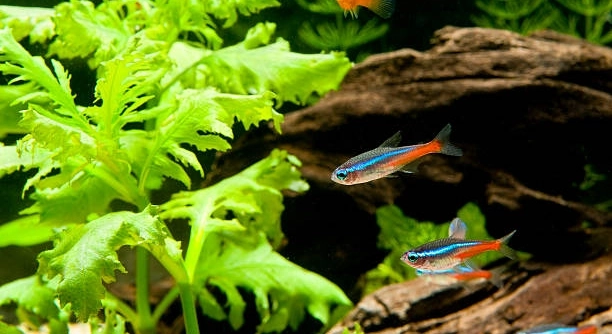
Neon Tetras are popular and vibrant fish in many aquariums. Ensuring they thrive in a clean, safe environment is essential for their well-being. One way to achieve this is by using a sponge filter to maintain water quality.
A sponge filter provides mechanical and biological filtration, which is essential for maintaining a stable and healthy aquarium environment. It promotes water circulation and helps to trap debris while supporting beneficial bacteria that break down harmful substances.
Using a sponge filter can make a significant difference in keeping your tank clean and your fish happy. It’s an affordable and efficient solution for maintaining a balanced aquatic ecosystem.
Benefits of a Sponge Filter for Neon Tetra Health
A sponge filter can drastically improve the health of your Neon Tetras by providing a stable and clean living environment. These filters help create gentle water movement, which is ideal for these small fish. Neon Tetras, being delicate creatures, can easily be stressed by strong water currents, so the soft filtration ensures they remain comfortable. The filter also helps in maintaining optimal oxygen levels and water circulation, which are critical to their overall health.
The sponge filter serves as a habitat for beneficial bacteria, which help break down waste products in the tank. This biological filtration keeps harmful toxins in check, reducing the risk of diseases.
Furthermore, sponge filters don’t disrupt the tank’s natural environment, making them a great choice for tanks with live plants and other peaceful fish. In this way, your Neon Tetras can thrive without the stress of intense filtration systems, enjoying clear water and a stable habitat.
Low Maintenance and Easy Setup
One of the most appealing advantages of sponge filters is their simplicity. Setting them up is a breeze, requiring minimal effort.
A sponge filter works by using an air pump to draw water through a sponge, which acts as the filtering material. This simple mechanism ensures effective filtration without being complicated. It’s easy to install, requiring just an air pump and the sponge filter unit, making it accessible to all aquarium owners, even beginners.
Additionally, sponge filters require little maintenance. The sponge itself can be rinsed out regularly to remove any trapped debris. Unlike other filters, there’s no need for frequent replacements, which saves both time and money. Because of this low-maintenance nature, sponge filters are perfect for those looking to maintain a clean and healthy tank with minimal effort.
Sponge Filters Offer Gentle Filtration
Another major advantage of sponge filters is their ability to provide gentle filtration, which is ideal for Neon Tetras. These fish do not fare well in tanks with strong water currents, as it can cause unnecessary stress. Sponge filters offer a low-flow filtration system that works perfectly for delicate species like Neon Tetras.
The low flow is not only comfortable for the fish, but it also ensures that beneficial bacteria thrive. These bacteria are responsible for breaking down harmful chemicals like ammonia and nitrites, which can be toxic to your fish. The sponge filter allows for both mechanical and biological filtration, ensuring a healthier environment.
By providing both physical filtration to trap debris and biological filtration to process waste, sponge filters create an ideal setting for Neon Tetras. The slow and gentle filtration reduces the risk of fish injury or stress, ensuring your fish stay active and healthy. This balance of filtration types makes sponge filters a preferred choice for delicate fish species.
Cost-Effective Option for Small Aquariums
Sponge filters are not only effective but also budget-friendly, especially for smaller aquariums. These filters are typically more affordable than other types of filtration systems. Their simplicity in design reduces manufacturing costs, which in turn benefits the aquarium owner.
For those with small to medium-sized tanks, sponge filters provide excellent value. They require fewer components than larger filtration systems, and their energy consumption is also low. Since they work well for small fish like Neon Tetras, they meet the needs of these tanks without excess power or cost.
On top of the low initial cost, sponge filters also save money over time. They need less maintenance, which means fewer parts to replace. The longevity of the filter adds to its overall value, making it an economical choice for aquarium owners. This affordability, combined with its efficiency, makes the sponge filter a great investment for any aquarium setup.
Helps Prevent Over-Filtering
Sponge filters are excellent for preventing over-filtration, which can be harmful to your aquarium. Unlike powerful mechanical filters that can create too much current, sponge filters provide just the right amount of filtration. This helps maintain a calm environment for your Neon Tetras.
By using a sponge filter, you avoid the problem of too strong a water flow that might stress or tire your fish. Over-filtering can lead to unnecessary turbulence, which makes it harder for small fish like Neon Tetras to swim comfortably. With a sponge filter, you can maintain ideal water conditions without disturbing your fish’s natural behavior.
The gentle filtration not only keeps your tank clean but also ensures that the aquarium’s water is balanced and calm. It’s a more natural approach that respects the needs of your fish, allowing them to swim and live without excessive agitation or stress caused by high-powered systems.
Ideal for Breeding Environments
Sponge filters are particularly beneficial in breeding tanks. Their gentle filtration keeps water clean without disrupting delicate breeding activities. Neon Tetras, like many other species, need calm and stable conditions to breed successfully.
When breeding, these fish require water conditions that allow them to feel secure and comfortable. Sponge filters keep the water clean and provide the gentle aeration needed for good egg development. Their biological filtration aspect also ensures the reduction of harmful waste products, which can be toxic to both adult fish and developing eggs.
This type of filtration is ideal for maintaining optimal water conditions during the breeding process. It creates a stable environment, promoting a higher chance of healthy neon tetra fry. Since sponge filters don’t disrupt the water flow, they provide a perfect solution for a breeding tank setup.
Safe for Neon Tetra Fry
Sponge filters are gentle enough for Neon Tetra fry. The slow water movement prevents the tiny fish from being sucked into the filter, which could be harmful. The soft filtration process ensures that the fry stay safe while still benefiting from clean, oxygenated water.
Since fry are so delicate, having a filtration system that doesn’t create strong currents is crucial. Sponge filters maintain gentle water flow, ensuring the young fish aren’t overwhelmed. The sponge also provides a place for beneficial bacteria to thrive, helping to break down waste and create a healthier environment for the fry to grow.
The simplicity and safety of sponge filters make them an ideal choice when breeding or raising Neon Tetra fry. Their low-maintenance nature makes it easy to keep the tank in optimal condition for the delicate fish.
Supports Natural Aquatic Habitat
Sponge filters help create a natural aquatic environment for your Neon Tetras. They allow for the right balance of filtration without disturbing plants or substrates.
The gentle water flow ensures that live plants thrive, and the filtration doesn’t uproot delicate roots or stir up substrate too much. The balanced filtration system mimics the peaceful and stable conditions found in natural habitats, which helps maintain the overall health of your tank. This natural feel encourages the Neon Tetras to display more natural behaviors, improving their overall well-being.
Energy Efficient
Sponge filters are energy-efficient, which makes them a practical choice for aquarium owners. These filters require very little power to operate, which helps to lower energy costs in the long run. This is particularly useful if you have multiple aquariums or if you’re running a fish tank continuously.
In addition to being energy-efficient, the simplicity of sponge filters means they don’t have any complex mechanisms that require excessive power. The air-driven system ensures low energy consumption, helping you maintain your aquarium while keeping your electric bills in check. For those looking for an economical and effective solution, sponge filters are the perfect choice.
FAQ
How often should I clean my sponge filter?
Cleaning your sponge filter is important for maintaining a healthy aquarium. Ideally, you should rinse the sponge every 2 to 4 weeks to remove excess debris. However, the frequency depends on the size of your tank, the number of fish, and the type of tank setup. If you notice that the flow of water is slowing down, it’s a sign that the sponge is clogged and needs cleaning. Just be sure not to clean it too thoroughly at once, as you might disrupt the beneficial bacteria colonies. A gentle rinse in aquarium water is usually enough to restore the filter’s function without harming the biological filtration.
Can I use a sponge filter in a larger tank?
Yes, you can use a sponge filter in a larger tank, but it’s essential to choose the right size and number of filters. Sponge filters are typically suited for small to medium-sized tanks, but they can also work for larger ones if you use multiple units. In larger tanks, the filtration needs are higher, so you might need more than one sponge filter to ensure adequate filtration. Also, keep in mind that large tanks often require stronger air pumps to operate multiple sponge filters efficiently. If in doubt, it’s always a good idea to consult with an aquarium expert about the right setup for your specific tank size.
Are sponge filters better than other types of filters?
Sponge filters offer several advantages over other filtration systems, especially for delicate species like Neon Tetras. They provide gentle filtration, which is ideal for small fish that can be stressed by strong currents. While mechanical filters may remove more debris or particles, sponge filters also offer biological filtration, which helps keep the tank’s water safe by breaking down harmful substances. They are also quieter, more affordable, and require less maintenance. However, if you have a heavily stocked tank or one with more robust fish, a stronger filtration system may be necessary. It ultimately depends on your tank’s needs and the species you’re caring for.
Can sponge filters handle the bio load in a heavily stocked tank?
In a heavily stocked tank, a single sponge filter might not be enough to handle the bio load, especially if you have many fish or larger species. Sponge filters are great for small to medium tanks with light to moderate stocking levels. In more crowded aquariums, you may need to use multiple sponge filters or supplement with additional filtration methods to ensure the bio load is properly managed. The key is to maintain good water quality, and you can always monitor the ammonia and nitrite levels to ensure that your filtration system is adequate.
Are sponge filters suitable for planted tanks?
Yes, sponge filters are well-suited for planted tanks. Unlike some powerful mechanical filters that can uproot plants or disturb substrate, sponge filters provide gentle filtration that won’t disturb the tank’s delicate ecosystem. The slow water movement allows plants to thrive without excessive disruption. Additionally, the beneficial bacteria that colonize the sponge help break down waste and provide nutrients for the plants. In fact, sponge filters are an excellent choice for tanks with both plants and small, peaceful fish, as they maintain a calm, stable environment that benefits all the tank’s inhabitants.
How do I choose the right size sponge filter for my tank?
When selecting a sponge filter, it’s important to consider both the size of your tank and the filtration capacity needed. For smaller tanks (under 10 gallons), a small sponge filter is usually sufficient. For tanks between 10 and 30 gallons, you may want to choose a medium-sized sponge filter. For larger tanks, you’ll likely need a larger filter or multiple smaller ones. The size of the air pump also plays a role in determining the filter’s effectiveness. Make sure the air pump is strong enough to provide the necessary airflow without creating too much current in the tank.
Can I use a sponge filter for both mechanical and biological filtration?
Yes, sponge filters provide both mechanical and biological filtration. The sponge itself acts as a mechanical filter by physically trapping debris and particles as water passes through it. At the same time, the surface of the sponge is home to beneficial bacteria that provide biological filtration. These bacteria break down harmful waste products, like ammonia and nitrites, turning them into less toxic substances. This dual filtration process makes sponge filters an effective and natural solution for maintaining a clean, healthy aquarium.
How do I install a sponge filter?
Installing a sponge filter is relatively easy. First, attach the sponge filter to an air pump using flexible airline tubing. Then, place the sponge filter in the aquarium where you want it to sit. Make sure it is positioned securely at the bottom of the tank to allow for optimal water circulation. Once everything is set up, turn on the air pump to start the filtration process. It’s important to ensure that the air pump provides a steady flow of air without creating strong currents in the tank.
Do sponge filters require an air pump to operate?
Yes, sponge filters require an air pump to function. The air pump is responsible for drawing water through the sponge, which acts as both a mechanical and biological filter. The air pump forces air through the airline tubing and into the sponge, creating a gentle water flow that helps clean and aerate the tank. It’s essential to choose an air pump that provides enough airflow for the sponge filter to operate efficiently. Make sure to adjust the air pump’s output if necessary to avoid creating excessive water movement in the tank.
Can sponge filters be used in saltwater aquariums?
Sponge filters can be used in saltwater aquariums, but they may not be as effective in heavily stocked marine tanks. In a saltwater tank, the filtration needs are typically higher due to the higher bio load. While sponge filters work well for small to medium saltwater setups with fewer fish, larger tanks or those with more demanding filtration requirements might need additional or stronger filtration methods. Still, sponge filters can be a good option for smaller saltwater aquariums, such as those with live rock and a few fish or invertebrates.
Final Thoughts
Sponge filters offer a simple, effective, and low-maintenance solution for keeping your aquarium clean and your Neon Tetras healthy. Their gentle filtration is perfect for delicate species like Neon Tetras, which prefer calm water with minimal stress. These filters not only help keep the water clear of debris but also support beneficial bacteria that break down harmful toxins like ammonia and nitrites, ensuring a stable environment for your fish. Whether you’re setting up a new tank or looking for a better filtration solution, sponge filters are worth considering.
They are especially great for smaller tanks or breeding setups. In addition to keeping the water clean, they create a safer environment for fry and prevent the risk of young fish being sucked into the filter. Their ability to provide both mechanical and biological filtration makes them versatile, and they work well with live plants, ensuring that the ecosystem within the tank remains healthy and balanced. For owners who want to maintain low maintenance while ensuring the well-being of their fish, sponge filters are a great choice.
While sponge filters are ideal for smaller or moderately stocked tanks, larger aquariums with a high bio load may require additional filtration. In these cases, using multiple sponge filters or combining them with other filtration methods could help. Ultimately, sponge filters are a cost-effective and reliable option that provides long-term benefits for the health of your tank. If you’re looking for an affordable, easy-to-maintain filter that does the job without overwhelming the fish, a sponge filter is a smart choice to consider.

Hello,
If you enjoy the content that we create, please consider saying a "Thank You!" by leaving a tip.
Every little bit helps us continue crafting quality advice that supports the health, happiness, and well-being of pets around the world, for pets of all shapes, sizes, and species.
We really appreciate the kindness and support that you show us!